
Eco Friendly Stocking Fillers That Outlast the Holiday Season
Choose small, reusable or long-lasting items in preferred materials (organic cotton, recycled fibres, cork, bamboo or wood) and you’ll have low-waste, affordable stocking fillers that still feel thoughtful. A cork coin purse, a beeswax wrap or a refillable hand balm all fit a stocking and outlast the season. Wrap them in fabric or paper and twine, and the packaging stays light too.
TL;DR:
- Check named certifications such as GOTS for organic cotton and the Global Recycled Standard for recycled materials; vague green claims do not verify sourcing.
- Favor refillable or repairable items that replace disposable products, such as a balm tin or beeswax wraps, because reuse ranks above recycling.
- Use fabric wraps, reusable pouches, or recycled paper with twine, and avoid glitter, laminated paper, and plastic tape that can hinder recycling.
- Start shopping in autumn at refill shops, local markets, or secondhand stores, where you can compare materials and ask makers about sourcing.
- Choose three or four useful items rather than filling the stocking with ten; add a treat wrapped in paper if you want something consumable.
Table of Contents
- 1. Which eco-friendly stocking fillers are worth buying?
- 2. What should you check before buying a sustainable stocking filler?
- 3. How can you wrap stocking fillers without creating waste?
- 4. Why do preferred materials and reuse make a real difference?
- 5. When should you buy, and where should you look for sustainable stocking fillers?
- 6. How do you support local and ethical artisans with your stocking fillers?
- 7. What upcycled or DIY stocking fillers can you make at home?
- 8. How can you cut packaging waste and wrap with nothing to throw away?
- 9. Why do I recommend cork accessories as stocking fillers?
- 10. Where can you find cork stocking fillers that are made to last?
- FAQ
- Sources
1. Which eco-friendly stocking fillers are worth buying?
Here is a shortlist for children and adults, each tagged with who it suits and whether it usually fits a low budget. Prices vary by shop, so treat “budget” as a guide to check at the till.
- Cork coin purse (adult, budget): cork is a natural, vegan material that holds up to daily pockets and bags, so the gift is used for years rather than days.
- Cork card holder (adult, budget): a slim alternative to a plastic wallet insert, and a good fit for the person who carries almost nothing.
- Beeswax food wraps (adult, budget): they replace cling film and can be washed and reused, which cuts a single-use habit at the source.
- Reusable stainless steel or silicone straws (child or adult, budget): small, light and easy to pack with a cleaning brush.
- Solid shampoo bar (adult, budget to mid-range): no plastic bottle, and it lasts longer than most people expect.
- Refillable hand balm tin (adult, budget): a metal tin can be topped up from a larger refill pouch for years.
- Wooden toy or puzzle (child, budget to mid-range): sturdy, repairable and often passed down. If you are shopping for little ones, this partner guide to kids’ stocking stuffers has age-by-age ideas.
- Seed kit or packet of wildflower seeds (child or adult, budget): a gift that turns into something living, with paper packaging that can be composted.
- Organic cotton socks (adult or child, budget to mid-range): useful, and the cotton is grown without synthetic pesticides when certified.
- Bamboo toothbrush (child or adult, budget): a wooden handle rather than a plastic one, usually sold in paper packaging.
- Cork bracelet (adult, budget to mid-range): light, vegan and pleasantly unusual, so it rarely feels like filler.
- Reusable produce bags (adult, budget): mesh or cotton, folded small enough for the toe of a stocking.
- Workshop or local experience voucher (child or adult, flexible): nothing to unwrap, nothing to throw away, and often the memory outlasts a trinket.
- Pocket notebook in recycled paper (child or adult, budget): a pencil tucked beside it makes a complete little gift.
Experience-style gifts make sense for hard-to-shop-for people. Earthwatch recommends shifting from material gifts to experiences or services to lower the risk of unwanted items ending up in landfill.
Packaging is the other trap. WRAP highlights that the holiday season’s biggest waste culprit is packaging, so choose items with no packaging, or compostable and reusable alternatives such as beeswax wraps and twine. Our eco-friendly gifting ideas add more picks if your list is long.
Packaging is the biggest waste problem of the festive season, so favour items with little or none.
2. What should you check before buying a sustainable stocking filler?
A product page can look green without being green. Use these five checks while you browse. They help filter out weak options.
- Will it last? A gift used for years beats a cheaper one used once. Look for sturdy stitching, solid wood or metal, and materials that age well.
- Is the material claim specific? “Organic cotton” should name a certification such as GOTS, and “recycled” should name a standard such as the Global Recycled Standard or reference Textile Exchange language. Vague words like “eco” or “green” prove nothing.
- Is the packaging minimal or reusable? Paper, card or no packaging is ideal. A small item in a large plastic shell is a warning sign.
- Will the recipient actually use it? A useful gift never reaches the bin. Think about the person’s daily routine, not the product’s story.
- Can it be repaired or refilled? Refillable tins, replaceable brush heads and wooden toys that can be re-glued all stretch the gift’s life.
Social impact counts as well. Fair trade guidance points to ethical manufacturing and fair-labour practices as part of what makes a gift sustainable, not only the material it is made from.
Pro Tip: Search the product page for the certification name, then look for a certificate number or a named standard. If the claim stays vague after two minutes, move on.
Our guide to sustainable presents for every occasion walks through the same checks in more detail.
3. How can you wrap stocking fillers without creating waste?
A thoughtful gift can lose its credentials in the last step. Wrap with materials that can be reused or recycled, and the whole gift stays low-waste.
- Fabric wraps in the furoshiki style: a square of cloth ties around almost any shape and becomes a scarf or cloth bag afterwards.
- Small linen or cork pouches: the wrapping is part of the present, which suits jewellery, seeds or sweets.
- Recycled or glassine paper with twine: both are widely recyclable when you skip the tape or use paper tape.
- A short note inside: a line explaining that you chose less packaging on purpose turns the choice into a talking point.
Avoid laminated paper, glitter, non-recyclable plastic and bulky plastic filler, because none of them can go in your household recycling. Our ranking of eco-friendly gift wrapping methods compares the options by how often they can be reused.
4. Why do preferred materials and reuse make a real difference?
Not every “green” label means the same thing, so it helps to know what the guidance behind them says.
Textile Exchange’s guidance on preferred production systems identifies GOTS-certified organic cotton and verified recycled materials as gold-standard options because they measurably reduce water, energy and chemical use compared with conventional production. The same guidance warns shoppers to check marketing claims such as “biodegradable” against recognised standards, and to prefer products designed for circularity, repair or recyclability.
On packaging, WRAP explains that reuse and refill reduce packaging impacts and sit higher on the waste hierarchy than single-use options, which means a refillable tin beats a recyclable bottle.
Practitioner guidance states the most impactful gifts replace single-use habits, and a high-quality refillable item often reduces waste more than giving a consumable.
That point comes from UNEP’s advice on single-use plastic products. In practice, it means picking durable, repairable or refillable items over disposable ones, whatever the material.
Reuse and refill rank above recycling, so a gift that replaces a single-use habit is the strongest choice.
5. When should you buy, and where should you look for sustainable stocking fillers?
Timing helps more than most people think. Autumn is when small-batch makers, craft fairs and refill shops stock their festive ranges, and popular items such as beeswax wraps, wooden toys and seed kits sell out first. Starting before the festive rush gives you time to compare materials and read labels instead of grabbing whatever is left.
Look in places where products are more likely to be unpackaged or lightly packaged: refill shops, zero-waste stores, local markets and independent gift shops. Specialist online stores are worth a look when their listings name the material, the certification and the packaging. If a listing says nothing about any of these, ask before you buy.

Second-hand and vintage shops are another good source for books, small games, tins and homeware. A pre-loved item has no new packaging and no new production footprint, and a clean book or a boxed puzzle in good order makes a fine filler.
Finally, buy a little less. A stocking does not need ten things. Three or four well-chosen items, plus one consumable such as a bar of chocolate in paper wrap, feels generous without adding clutter. Spreading purchases across a few weeks also lets you spot offers without resorting to rushed, plastic-heavy last-minute buys. Keep a short note of who you are buying for and what they already own, so every pick is something they will actually reach for.
6. How do you support local and ethical artisans with your stocking fillers?
Buying from small makers keeps money in your area and often means simpler packaging and clearer material sourcing. A few habits make it easier.
Start with craft fairs, Christmas markets and community shops, where you can ask the maker directly what the item is made from and how it was produced. Good makers enjoy these questions and will usually tell you where the wood, wool or leather alternative comes from. If they cannot answer, that tells you something too.
Look for transparency online as well. Fair trade guidance highlights considering the whole supply chain: fair labour, ethical manufacturing and support for diverse-owned businesses all make a gift more sustainable in social terms as well as environmental ones.
A few practical points:
- Ask whether the maker reuses offcuts or packaging. Many do.
- Choose handmade over mass-produced when the price is similar, since handmade items tend to be repaired rather than replaced.
- Buy one slightly better item instead of three cheap ones. It supports the maker and reduces clutter.
- Leave a review or share the maker’s page. That costs nothing and helps small businesses more than people realise.
Local does not automatically mean low-impact, so apply the same checks from earlier: material, packaging and durability. When a local item passes all three, it is hard to beat.
7. What upcycled or DIY stocking fillers can you make at home?
Homemade gifts can be the most personal thing in a stocking, and they use what you already have. Keep the skill level realistic and the packaging simple.
- Herb or spice jar mixes: fill a clean, reused jar with a dry seasoning blend and tie on a handwritten label.
- Fabric scrap bookmarks or hair ties: offcuts from old shirts or tea towels sew up in minutes.
- Candle in a vintage teacup or tin: pour soy or beeswax into a charity-shop cup for a gift that comes with its own holder.
- Seed packets from your own garden: dry flower or vegetable seeds, then fold them into small paper envelopes with growing instructions.
- Reused-jar bath salts or sugar scrub: simple pantry ingredients in a tidy jar, labelled with a use-by date.
- Painted pebbles or wooden spoons: a good project for children to give grandparents.
- Knitted or crocheted dishcloths: cotton yarn makes a washable, plastic-free alternative to disposable wipes.
Upcycled and recycled materials can also reduce a product’s footprint when shopping instead of crafting. Rolling Stone’s gift roundup points to repurposed fabric and responsible third-party certification as ways products lower their material footprint.
Whichever route you take, keep labels honest. Note the ingredients on food and bath items, and add a short care instruction. A neat handwritten tag does more for a homemade gift than any amount of packaging.
8. How can you cut packaging waste and wrap with nothing to throw away?
Zero-waste wrapping starts before the wrapping paper. Choose gifts that arrive with little packaging, then decide how to present them using what you can reuse or compost.

Begin with the items themselves. Remove plastic shells, card inserts and shop stickers before wrapping, and put them in the correct household recycling. Where an item cannot be unpacked, buy it from a shop that takes its own packaging back, or pick a different item.
Then choose a wrapper that has a second life:
- Tea towels, scarves and bandanas: the wrapping is part of the gift.
- Newspaper, brown paper or old maps: recyclable, free and surprisingly smart with a sprig of rosemary or holly.
- Jars, tins and cloth bags: reusable containers for loose items such as sweets or seeds.
- Paper tape or string: avoids the plastic film in standard sticky tape, which makes paper harder to recycle.
- Gift bags you keep: store them after Christmas and use them again next year.
As we noted earlier, WRAP shows that reuse can significantly reduce environmental impact compared with single-use packaging, and the same logic applies to wrapping. A reused fabric wrap can avoid the need for extra paper, however recyclable.
Tell recipients what to do with the wrapping. A small note saying “keep me” or “please reuse” often changes behaviour, and it spreads the habit through the family.
9. Why do I recommend cork accessories as stocking fillers?
I have long thought cork is one of the most sensible materials for small gifts. It is harvested from the bark of the cork oak without felling the tree, it is naturally vegan, and a good cork purse or wallet survives years of pockets and handbags. That combination of low-impact harvesting and real durability is exactly what a stocking filler needs, because a thoughtful gift is one the recipient continues to use. We have curated cork gift sets and written about cork and sustainable gifting on our blog, so these recommendations come from familiarity with the product, not a one-off trend. You will find small, stocking-sized picks in the next section.
— Aaron
10. Where can you find cork stocking fillers that are made to last?
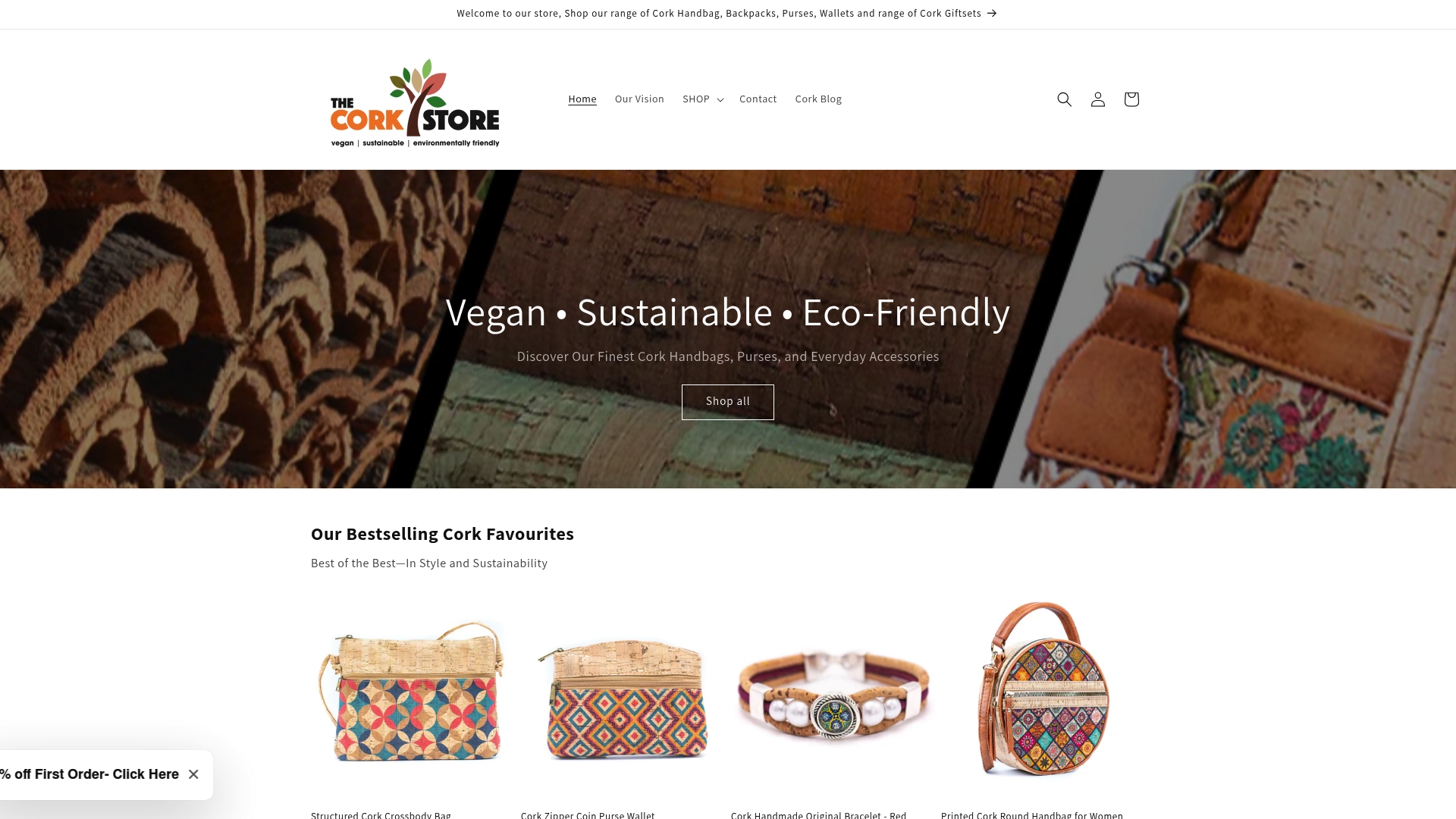
We offer small cork accessories and curated gift sets that suit a stocking: coin purses, card purses, wallets, bracelets and gift sets. They are made from cork, which is durable and vegan, and a fabric or paper wrap finishes the job. Start with our cork zipper coin purse, the small coin and card purse or the all-natural cork wallet gift set. Prices are listed on each product page. Browse our full range at Thecorkstore and choose your stocking fillers today.
FAQ
What is good to put in a stocking?
Aim for a mix of something useful, something small to enjoy and something to eat. Good eco-friendly picks include a cork coin purse, beeswax wraps, a bamboo toothbrush or a seed kit. Choose items with little packaging so the stocking stays low-waste.
What are some ideas for sustainable gifting?
Gift reusable items, refillable products or experiences instead of single-use goods. UNEP’s guidance says reusable alternatives can be more environmentally effective than consumables. A workshop voucher or a quality refillable tin are both good examples.
Do you have to wrap stocking fillers?
No, you do not need to wrap them. Many people drop small items straight into the stocking, which saves paper entirely. If you want a surprise, use fabric, cloth bags or recyclable paper with twine, and avoid glitter and laminated finishes.
How can you tell if a “sustainable” gift is genuine?
Look for named standards such as GOTS for organic cotton, and check that claims like “biodegradable” match a recognised standard. Textile Exchange guidance advises verifying marketing claims against standards and preferring products designed for repair or recyclability.
Sources
- Preferred Production Systems
- Mainstreaming reusable and refillable packaging in the UK
- How to reduce the impacts of single-use plastic products
- Gifts that give back: A guide to more sustainable celebrations | Earthwatch
- 50 Sustainable Holiday Gifts: Fair Trade Gift Guide