
How to transition to vegan accessories: a practical guide
TL;DR:
- Verifying genuine vegan accessories involves checking all labels, including hidden components, to avoid animal-derived materials.
- A phased transition over 12 months, prioritizing durability, certification, and matching materials to function, minimizes waste.
- Styling gradually with existing wardrobe pieces and mixing vegan and non-vegan items helps maintain personal style during the change.
Vegan accessories are defined as items made entirely without animal-derived materials, including leather, wool, silk, fur, and shell. Knowing how to transition to vegan accessories means more than swapping one bag for another. It requires understanding how to verify materials, plan replacements without creating waste, and maintain the personal style you have already built. Brands such as Stella McCartney and certification bodies including the Vegetarian Society have helped establish clear standards for what genuinely qualifies as vegan, making it easier than ever to shop with confidence.
How to verify if an accessory is genuinely vegan
Verification is the most critical skill in any cruelty-free accessories guide, and it starts with reading every label on an item, not just the front panel. VegNews advises checking the outer shell, lining, and upper sections of bags and shoes separately, because manufacturers often use animal-derived materials in hidden areas while marketing the product as vegan. A bag with a synthetic exterior can still contain a leather lining or a fur pom-pom on the zip pull.
What materials to look for and avoid
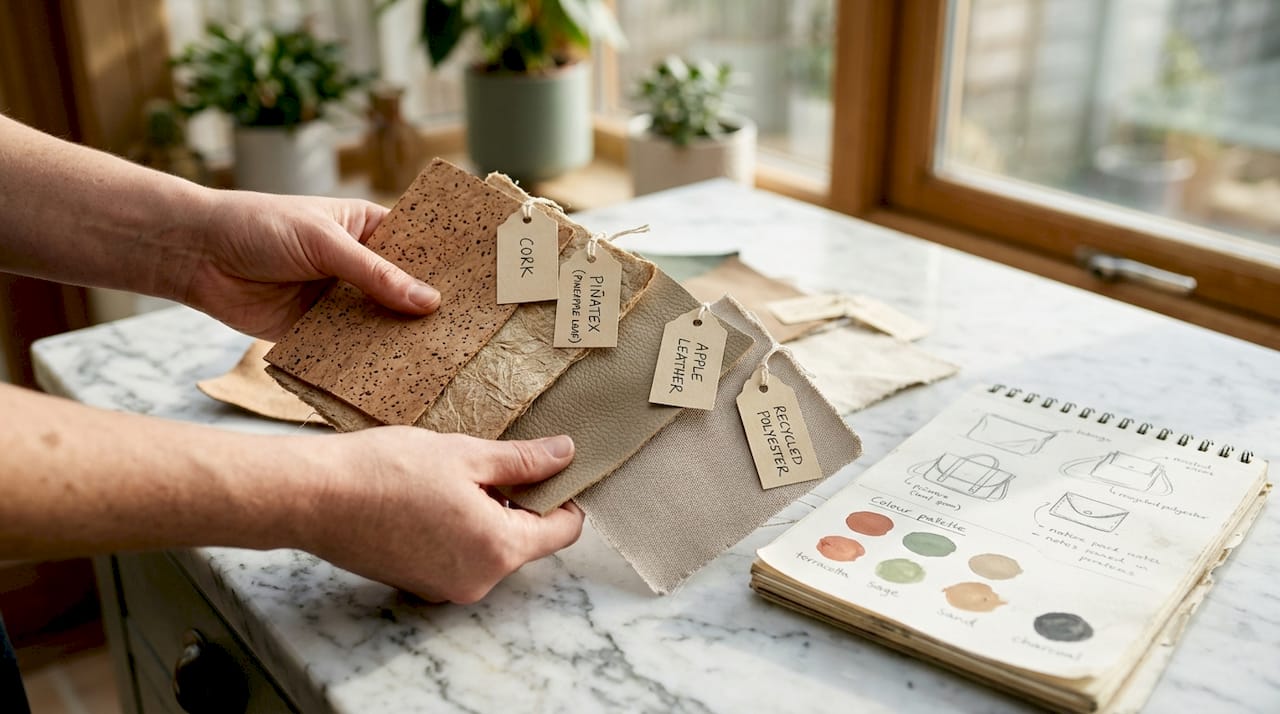
Common vegan materials include cork, Piñatex (pineapple leaf fibre), apple leather, recycled polyester, and polyurethane. Materials to avoid are leather, suede, nubuck, wool, silk, cashmere, fur, shearling, and shell. The challenge is that some of these appear in abbreviated or obscure forms on labels. “PU” is polyurethane and is vegan. “Genuine leather” is not. “Upper: synthetic” does not tell you what the lining is made from, so always check every listed component.
Why third-party certification matters
Vague marketing language is the primary tool of greenwashing. The Conversation notes that terms like “eco” or “plant-based” can mask blends that still contain animal products or harmful plastics. The solution is to look for recognised certification logos rather than relying on brand copy. The Vegetarian Society’s Vegan Approved trademark applies a strict standard with clear criteria, making it one of the most reliable indicators available to UK shoppers. Vegan Action’s Certified Vegan Logo covers products free from animal ingredients and animal testing, and appears on thousands of certified items globally. Both logos remove the guesswork entirely.
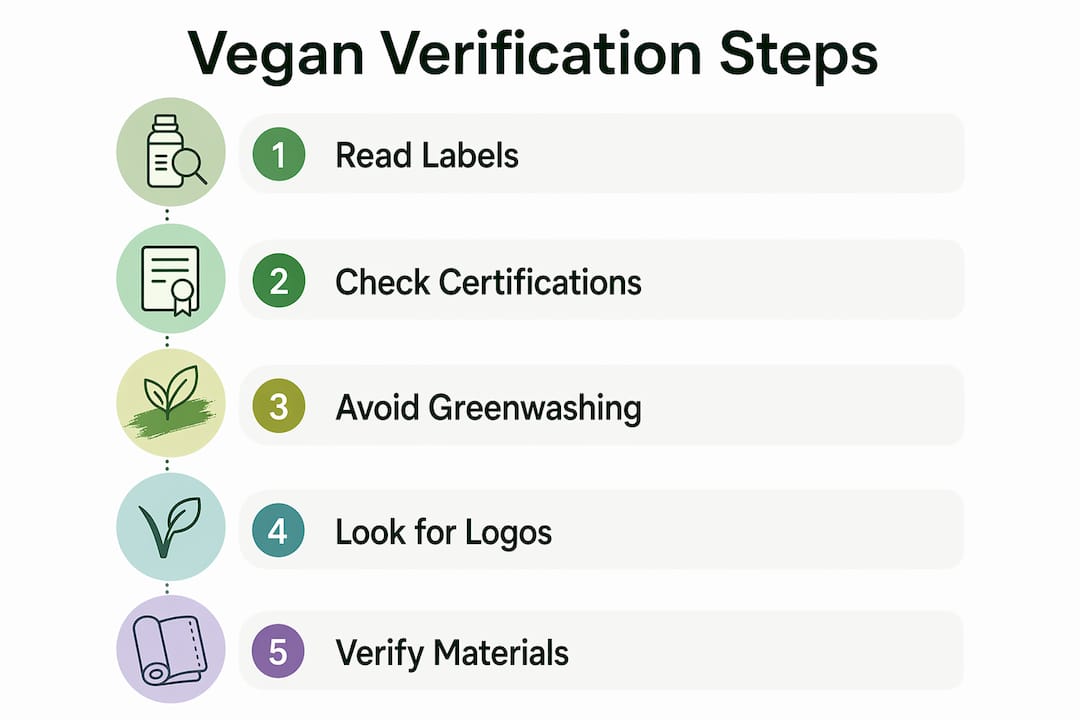
Pro Tip: Search for the Vegetarian Society or Vegan Action logo on a brand’s product page before reading any marketing copy. If neither logo is present, go straight to the full material breakdown before making a decision.
Red flags to watch for include missing material descriptions, generic phrases like “man-made materials” without specifics, and no mention of lining composition. A brand confident in its vegan credentials will list every component clearly. If the information is absent, treat it as a warning sign rather than an oversight. You can find a detailed breakdown of identifying genuine vegan accessories and common greenwashing tactics in the Thecorkstore blog.
How should you plan your transition to vegan accessories?
A phased approach over roughly 12 months is the most practical way to transition without generating unnecessary waste or spending impulsively. Humans & Land recommend replacing daily-use essentials first and taking time to research quality vegan replacements before committing to a purchase. This means your everyday handbag, wallet, and belt take priority over occasion-specific items you use twice a year.
Here is a structured approach to managing the process:
- Audit your current accessories. Lay out everything you own and categorise by frequency of use. Daily items go in one group, occasional items in another. This prevents you from replacing a rarely used clutch bag before the wallet you carry every day.
- Research before you replace. For each category, identify two or three vegan options at different price points. Read material breakdowns, check for certification logos, and look at independent reviews. Rushing this step leads to purchases you regret within a season.
- Replace as items wear out. Unless an item is actively causing you discomfort or conflict, use it until it needs replacing. Discarding functional accessories to buy vegan alternatives immediately creates more waste than it prevents.
- Prioritise durability over price. Asceno’s transition guide stresses choosing repairable designs and understanding care requirements to extend an accessory’s usable life. A cork bag that lasts eight years is a better ethical choice than a cheap polyurethane wallet that cracks after one.
- Track your progress. Keep a simple list of what you have replaced and what remains. This prevents duplication and gives you a clear picture of how far along you are.
Pro Tip: Treat each accessory category as its own system. A belt has different performance requirements to a backpack. Match the vegan material to the specific demands of that item rather than applying a one-size-fits-all approach.
Vegan FTA also highlights matching materials to performance needs as a way to avoid premature replacement and waste. Cork, for example, is water-resistant and lightweight, making it well-suited to everyday bags and wallets. Piñatex is more textured and works well for structured pieces. Knowing this before you buy prevents disappointment.
Styling vegan accessories with your existing wardrobe
Transitioning to sustainable fashion does not require a complete wardrobe overhaul, and the most stylish transitions happen gradually. Viral Rang recommends beginning with staple pieces and using layering to maintain outfit variety and personal expression while the transition is underway. This approach keeps your style coherent rather than making it look like you have replaced everything at once.
Practical styling principles that work during a transition:
- Start with neutral basics. A cork tote in tan or black works with almost everything you already own. Neutral vegan accessories integrate without clashing, giving you time to build confidence in the aesthetic before experimenting with bolder pieces.
- Mix vegan and non-vegan items freely. There is no ethical rule that says every item in an outfit must be vegan simultaneously. A cork wallet paired with older leather shoes is still progress. The goal is direction, not perfection.
- Use accessories as focal points. A structured vegan handbag in a distinctive texture, such as cork or apple leather, draws attention and elevates simpler outfits. This is the same principle that applies to any quality accessory, vegan or otherwise.
- Explore vegan shoe options early. Footwear is often the last category people address, but vegan trainers from brands such as Veja and structured shoes in Piñatex are now widely available and genuinely stylish. Introducing one pair early makes the overall transition feel less daunting.
For more ideas on integrating vegan accessories with what you already own, the Thecorkstore wardrobe guide covers practical combinations across different outfit types.
Common mistakes to avoid when switching to vegan accessories
The most frequent error people make is focusing only on the visible exterior of an accessory. Hidden components such as leather zipper pulls or fur trims can make an otherwise synthetic item non-vegan. Checking the entire construction, not just the outer material, is the only reliable method.
A second common mistake is conflating “vegan” with “sustainable.” A product can be free from animal materials and still be made from virgin plastics with a significant environmental footprint. The most responsible approach applies a two-layer check: first confirm the item is vegan, then assess its durability, repairability, and end-of-life options. Asceno’s framework for ethical wardrobe transitions describes this as balancing ethical standards with long-term sustainability and cost-effectiveness.
Vegan fashion’s credibility depends on transparency and certification rather than vague marketing claims. Informed consumers who demand material specifics are the most effective force against greenwashing in the accessories market.
Rushing the process is the third pitfall. Buying several vegan items at once to feel “done” often results in pieces that do not suit your lifestyle or style preferences. One well-researched purchase per month produces a more coherent and satisfying wardrobe than a single impulsive haul. Choosing durability and repairability over fast-fashion vegan alternatives is not just better for the environment. It is better value over time.
Key takeaways
Transitioning to vegan accessories successfully requires verification skills, a phased replacement plan, and a clear understanding of material performance matched to each accessory category.
| Point | Details |
|---|---|
| Verify every component | Check labels on lining, trims, and zip pulls, not just the outer material. |
| Use certification logos | Look for the Vegetarian Society or Vegan Action logo to confirm genuine vegan status. |
| Replace gradually over 12 months | Start with daily-use essentials and replace items as they wear out to minimise waste. |
| Match material to function | Cork suits everyday bags; Piñatex works for structured pieces. Choose by performance need. |
| Style with what you own | Mix vegan and non-vegan items freely during transition to maintain coherence and avoid waste. |
Why I think most vegan transition advice misses the point
Most guides tell you to “start small” and “do your research,” which is accurate but incomplete. What they rarely address is the psychological side of the transition. When I first began replacing accessories, I found the hardest part was not finding vegan options. It was resisting the urge to buy everything at once out of enthusiasm, and then feeling guilty about the non-vegan items I still owned.
The reality is that wearing out what you already have is the more ethical choice in most cases. Discarding a functional leather wallet to replace it with a vegan one immediately does not undo the original purchase. It just adds to landfill. The phased approach is not a compromise. It is the correct strategy.
I have also found that cork, specifically, tends to surprise people who expect vegan materials to feel like a downgrade. It is lightweight, water-resistant, and develops a character over time that synthetic alternatives rarely match. Thecorkstore’s range of cork vegan handbags is a good place to see what the material actually looks like in well-designed products, rather than relying on abstract descriptions.
The transition works best when you treat it as a gradual shift in standards rather than a single event. Stay patient, stay specific about materials, and do not let perfect be the enemy of good.
— Aaron
Explore vegan cork accessories at Thecorkstore
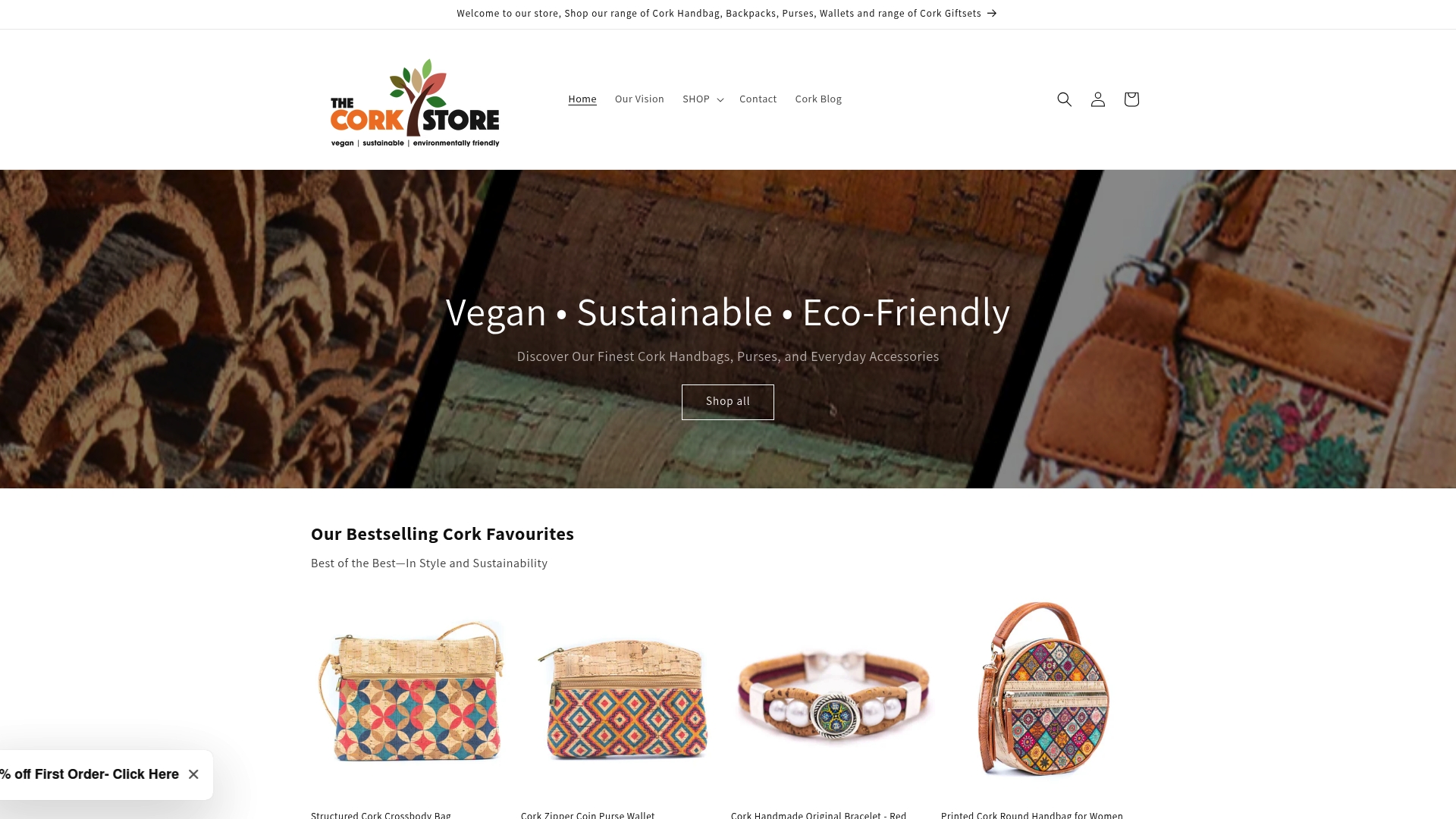
Thecorkstore specialises in cork accessories that are certified vegan, naturally water-resistant, and built to last. The range includes handbags, backpacks, wallets, purses, and gift sets, each made from sustainably harvested cork that requires no animal products and no synthetic plastic coatings. Every product listing includes full material descriptions, so you never have to guess about composition. If you are ready to make your first vegan accessory purchase or looking for a durable replacement for a worn-out leather item, browse the full collection of sustainable cork accessories and find something that suits both your values and your wardrobe.
FAQ
What does “vegan accessory” actually mean?
A vegan accessory is any item made without animal-derived materials, including leather, suede, wool, silk, fur, and shell. Every component, including lining, trims, and fastenings, must be free from animal products for the item to qualify.
How do I know if a vegan claim is genuine?
Look for third-party certification logos from the Vegetarian Society or Vegan Action rather than relying on brand marketing. The Vegetarian Society’s Vegan Approved trademark applies a strict, independently verified standard that removes ambiguity.
Is vegan the same as sustainable?
Not automatically. A vegan accessory made from virgin polyurethane plastic can have a significant environmental footprint. The most responsible choice combines vegan verification with an assessment of durability, repairability, and the material’s end-of-life impact.
How long does a full transition to vegan accessories take?
A phased replacement approach over 12 months is widely recommended. Replacing daily-use items first and waiting until other pieces wear out naturally minimises waste and allows time to research quality options in each category.
Can I mix vegan and non-vegan accessories during the transition?
Yes. Wearing existing non-vegan items while gradually replacing them is the more sustainable approach. Discarding functional accessories immediately to buy vegan alternatives creates unnecessary waste and does not reverse the original purchase.