
Vegan fashion essentials: your ethical wardrobe guide
TL;DR:
- Building an ethical wardrobe begins with replacing basics like underwear and T-shirts using certified organic and plant-based materials. Certifications such as GOTS and OEKO-TEX help verify ethical sourcing and safety, while cork offers a durable, biodegradable alternative to leather for accessories. Prioritizing frequent replacements and understanding material choices ensure a sustainable, cruelty-free wardrobe that aligns with your values.
Building a truly ethical wardrobe is harder than it looks. The term “vegan fashion essentials” gets thrown around loosely, and without a clear framework, it’s easy to buy something that sounds sustainable but still harms animals or the planet. This guide cuts through the noise. You’ll find a practical, prioritised checklist of materials and certifications to trust, the specific wardrobe categories that matter most, and a direct comparison of how different essentials stack up. Whether you’re starting fresh or refining what you already own, this is the only framework you need.
Table of Contents
- Key takeaways
- 1. Understanding vegan fashion essentials: what truly qualifies
- 2. Certifications you can actually trust
- 3. Everyday basics: where sustainable impact starts
- 4. Vegan outerwear essentials that perform in any season
- 5. Vegan footwear: comfort, care, and credentials
- 6. Sustainable vegan accessories: the best vegan fashion accessories
- 7. Comparing vegan essentials categories: where to invest first
- My honest take on building a vegan wardrobe
- Explore vegan accessories crafted from nature at Thecorkstore
- FAQ
Key takeaways
| Point | Details |
|---|---|
| Certifications over claims | Prioritise GOTS and OEKO-TEX labels over vague marketing language to verify ethical sourcing. |
| Start with basics | Swapping underwear, tees, and socks first creates the greatest cumulative sustainability impact. |
| Cork outperforms leather alternatives | Cork accessories are durable, biodegradable, and certified animal-free without synthetic off-gassing. |
| Avoid hidden animal materials | Silk, angora, and down appear in unexpected places; always check full fabric compositions. |
| Slow replacement beats bulk buying | Replacing worn items thoughtfully is more sustainable than overhauling your entire wardrobe at once. |
1. Understanding vegan fashion essentials: what truly qualifies
Not everything labelled “vegan” deserves the label. Vegan clothing avoids animal-derived materials including leather, suede, fur, feathers, down, silk, angora, and wool across every component of a garment, not just the outer shell. That means linings, trims, thread, and fastenings all need scrutiny.
The most credible vegan-friendly fabrics fall into two broad categories: plant-based fibres such as organic cotton, hemp, linen, and bamboo, and recycled synthetics such as recycled polyester and recycled nylon. Each has trade-offs. Organic cotton is breathable and biodegradable but uses significant water. Recycled polyester reduces plastic waste but sheds microfibres in the wash. Knowing these nuances helps you make choices that align with your specific values.
A reliable verification hierarchy starts by confirming animal-free materials first, then checking chemical safety, then reviewing organic certifications. Follow that order and you avoid being misled by partial claims.
2. Certifications you can actually trust
Certifications exist precisely because marketing language is unreliable. Two standards stand above the rest for vegan shoppers.
GOTS (Global Organic Textile Standard) is the most thorough certification for plant-based textiles. GOTS requires either 95% or 70% certified organic fibres and covers the entire supply chain after harvest. A garment labelled simply “Organic” under GOTS contains at least 95% certified organic content; one labelled “Made with Organic” contains at least 70%. That distinction matters when you’re comparing products.
OEKO-TEX STANDARD 100 takes a different approach. It tests finished garments for harmful substances, with particular focus on skin-contact items like underwear and activewear. Importantly, OEKO-TEX does not guarantee organic content or an absence of all synthetic inputs. It tells you the finished product is safer to wear, not that every process behind it was clean.
Pro Tip: When reading labels, look for the full certification name and licence number. Generic phrases like “made with natural fibres” or “eco-conscious” carry no enforceable standard. If there’s no verifiable certification code, treat the claim with scepticism.
You can read more about how these standards apply to cruelty-free fabric choices on the Thecorkstore blog.
3. Everyday basics: where sustainable impact starts
Basics are the unsung heroes of eco-friendly wardrobe essentials. Underwear, t-shirts, bras, socks, and pyjamas are replaced more frequently than any other clothing category. That regular replacement cycle means your choices here compound over time in a way that a single coat purchase never will.
Specific items worth prioritising:
- Organic cotton underwear and bras: look for GOTS certification and brands that use undyed or low-impact dye processes
- Hemp or organic cotton t-shirts: both materials improve with repeated washing, last longer than conventional cotton, and biodegrade at end of life
- Bamboo or organic cotton socks: bamboo is naturally antimicrobial and incredibly soft, reducing the need for chemical treatments
- Plant-based pyjamas: organic cotton or linen options exist across most price points and feel significantly better than synthetic alternatives
Starting from the bottom up with underwear and t-shirts is the most impactful entry point for building an ethical wardrobe. Replace items as they wear out rather than discarding what still functions. That single habit reduces your footprint more than most purchasing decisions combined.
Pro Tip: Choose neutral colours (stone, white, navy, black) for your basics. They mix and match with everything you already own, so you wear each piece far more often and buy replacements less frequently.
4. Vegan outerwear essentials that perform in any season
Outerwear is where greenwashing is most aggressive. A jacket can be labelled “sustainable” while still containing a wool lining, a down fill, or leather trim. Read every component listed on the care label, not just the outer fabric description.
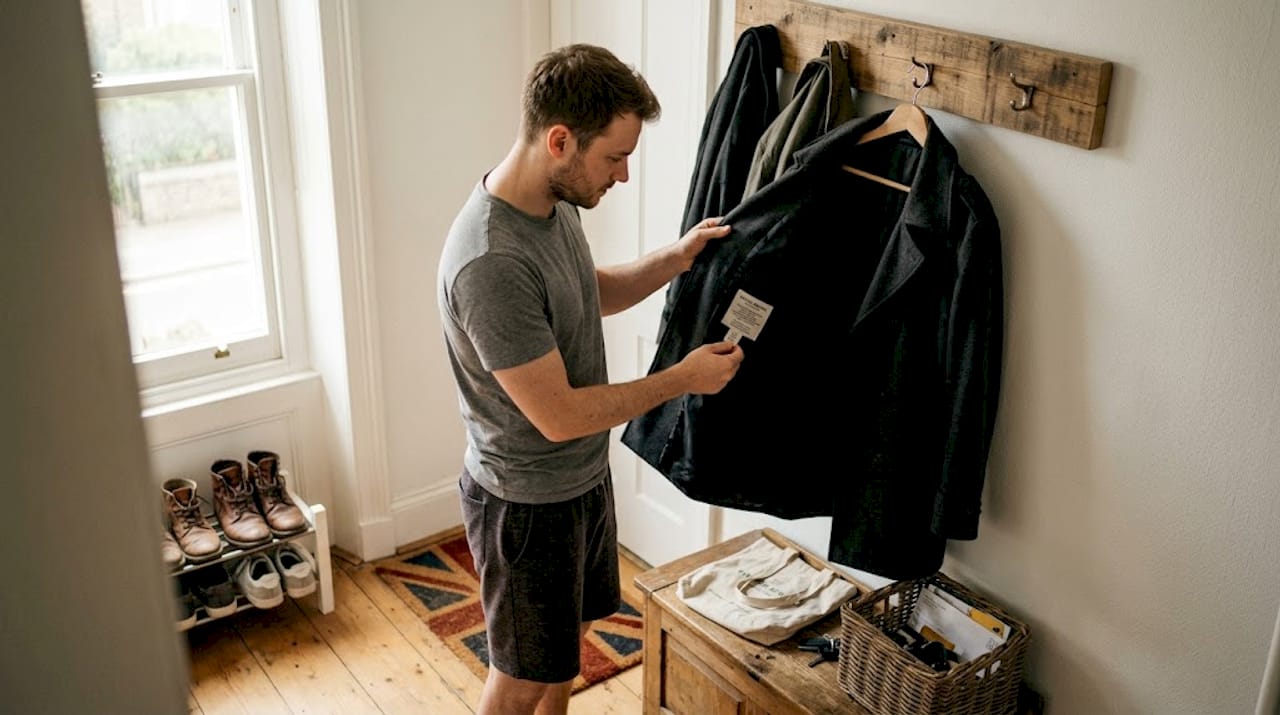
Strong vegan outerwear options now routinely feature recycled polyester insulation as a down replacement, organic cotton outer shells, and plastic-free packaging. Vegan pea coats with OEKO-TEX certification and carbon-neutral manufacturing credentials are available at accessible price points, proving that ethics and quality are not mutually exclusive.
When evaluating a coat or jacket, check:
- Outer shell fabric and certification
- Lining material (a common hiding place for animal-derived fabrics)
- Fill or insulation type
- Trims, buttons, and zips (some contain bone or shell components)
- Brand-level carbon and ethical sourcing commitments
Pro Tip: A well-chosen vegan trench or structured coat in a classic colour (camel, navy, or charcoal) works across all four seasons. Layer a knit underneath in winter and wear it over a summer dress in spring. One piece, twenty outfits.
For a deeper breakdown of which eco-friendly fabric types perform best in outerwear contexts, Thecorkstore’s fabric guide is worth bookmarking.
5. Vegan footwear: comfort, care, and credentials
Footwear has historically been the trickiest category for vegan shoppers because leather is so deeply embedded in shoe construction, including glues, insoles, and linings, not just the upper. Many conventional shoes use animal-derived adhesives that aren’t visible on any label.
Modern vegan footwear brands now integrate antimicrobial textiles and responsible sourcing as standard, and machine-washable vegan trainers have become one of the most practical developments in the category. Being able to wash your shoes rather than replace them dramatically extends their useful life.
Look for brands that explicitly confirm the entire construction is animal-free, not just the upper. A recycled polyester upper with a leather-derived insole is still not vegan. Ask brands directly if the information isn’t clear on the product page. Brands that are genuinely committed to cruelty-free production will answer confidently and in detail.
6. Sustainable vegan accessories: the best vegan fashion accessories
Accessories complete a wardrobe, but they are also where animal materials are most routinely hidden. Leather handbags, wool scarves, silk ties, and down-filled hats are obvious examples. Less obvious are leather patches on denim bags, silk lining in clutches, and horn or bone hardware on belts.
The strongest alternatives for vegan-friendly accessories use one of these three material categories:
- Cork: harvested from cork oak bark without felling the tree, naturally water-resistant, biodegradable, and increasingly popular for handbags, wallets, and card holders
- Organic cotton canvas: durable, washable, and GOTS-certifiable; works beautifully for tote bags and pouches
- Recycled fabrics: post-consumer plastic bottles converted into structured bags and backpacks; reduces landfill and avoids virgin synthetic production
| Material | Durability | Eco impact | Vegan credentials | Style versatility |
|---|---|---|---|---|
| Cork | High | Very high | Certified animal-free | High |
| Organic cotton canvas | Medium-high | High | GOTS certifiable | Very high |
| Recycled polyester | High | Medium-high | Animal-free | Medium |
| PU (polyurethane) | Medium | Low-medium | Animal-free | High |
Cork stands out in this comparison because it is the only material that is simultaneously biodegradable, durable, and harvested without harm to any living creature or ecosystem. A premium organic cotton tote is also a strong choice for everyday use, combining practicality with certified plant-based credentials.
7. Comparing vegan essentials categories: where to invest first
If you’re working through a budget and can’t overhaul everything at once, this comparison helps you prioritise.
| Category | Animal-free risk | Certification availability | Durability | Style impact |
|---|---|---|---|---|
| Basics (underwear, tees) | Medium | High (GOTS, OEKO-TEX) | Medium | Foundation |
| Outerwear | High | Medium | High | Statement |
| Footwear | Very high | Low-medium | High | Significant |
| Accessories | High | Medium-high | Medium-high | Finishing |
Basics carry the highest certification availability and the lowest barrier to entry, which is why they’re the smartest starting point. Footwear carries the highest animal-free risk and the lowest certification transparency, which means it requires the most research per purchase. Accessories sit in a rewarding middle ground: the material options are genuinely exciting, certifications are increasingly available, and a single well-chosen bag or wallet upgrades every outfit you own.
Building an ethical wardrobe step by step, using this kind of category-by-category approach, is far more sustainable in practice than trying to replace everything simultaneously.
My honest take on building a vegan wardrobe
I’ve spent years watching people approach vegan fashion the wrong way. They start with the visible stuff: a new bag, a statement coat, a pair of trainers they saw on social media. Then they discover their existing underwear drawer is full of wool blends, their socks have a silk component, and their favourite jacket has a down lining. The wardrobe feels suddenly incoherent.
What I’ve learned is that the most satisfying vegan wardrobes are built from the inside out. Not literally, though basics first is genuinely the right strategy. More than that, they’re built from a clear understanding of why certain materials are excluded and what the alternatives actually offer. Once you understand that cork is genuinely more durable than many leather alternatives, or that GOTS-certified cotton feels softer and lasts longer than its conventional equivalent, the choices stop feeling like compromises.
The certification piece is also underrated. I’ve seen beautifully marketed “eco” pieces that contain no certification whatsoever, and I’ve seen unassuming basics carrying GOTS and OEKO-TEX numbers that represent genuinely rigorous ethical sourcing. The label on the swing tag tells you almost nothing useful. The certification code tells you almost everything.
One misconception worth addressing: you do not need to spend more to build a cruelty-free wardrobe. You need to spend more thoughtfully. Fewer, better pieces worn longer is the entire model. And once you start thinking that way, vegan fashion stops being a limitation and starts being one of the most satisfying creative constraints in your wardrobe.
— Aaron
Explore vegan accessories crafted from nature at Thecorkstore
If you’re ready to add genuinely cruelty-free accessories to your wardrobe, Thecorkstore has built its entire range around cork. Every piece is animal-free, naturally water-resistant, and crafted to last.
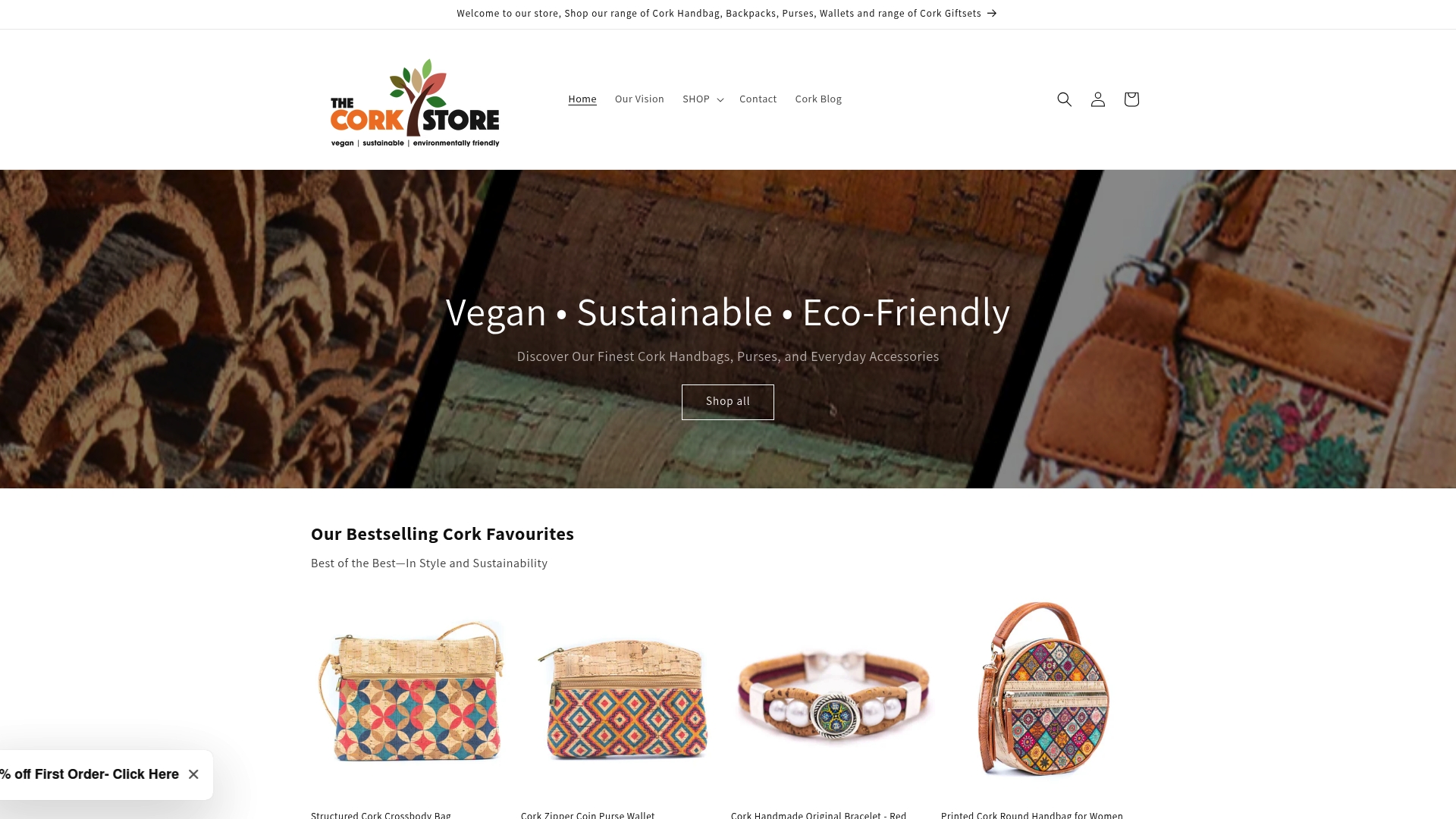
From structured cork handbags and backpacks to slim wallets and gift sets, every product is designed to sit comfortably alongside both casual and dressed-up looks. Cork is harvested sustainably from cork oak trees without cutting them down, making it one of the few fashion materials that actively supports the ecosystem it comes from. If you’ve been searching for accessories that are stylish, verified animal-free, and built to outlast a trend cycle, Thecorkstore’s collection is the most considered starting point available in the UK.
FAQ
What are the must-have vegan fashion essentials?
The most impactful vegan fashion essentials are organic cotton or hemp basics (underwear, t-shirts, socks), a certified vegan coat or jacket, plant-based or recycled footwear, and animal-free accessories such as cork or canvas bags. Starting with basics creates the greatest cumulative sustainability benefit.
How do I know if clothing is genuinely vegan?
Check the full fabric composition label for any animal-derived materials including wool, silk, down, angora, and leather, then look for credible certifications such as GOTS or OEKO-TEX. If a brand cannot provide a certification code or full materials list, treat its vegan claims with caution.
Is cork a good alternative to leather for accessories?
Yes. Cork is harvested from cork oak bark without harming the tree, is naturally water-resistant, biodegradable, and durable. It outperforms most leather alternatives in both eco impact and longevity, making it one of the strongest choices for cruelty-free fashion accessories.
What does GOTS certification mean for vegan shoppers?
GOTS (Global Organic Textile Standard) certifies that a textile contains at least 70% to 95% certified organic fibres and meets strict supply chain standards after harvest. For vegan shoppers, it confirms plant-based organic content and responsible processing, though it should be combined with a check for animal-free materials.
Where should I start when building a vegan wardrobe?
Start with the items you replace most frequently: underwear, t-shirts, and socks. Switching these to certified organic cotton or bamboo alternatives has a compounding impact over time and requires the least financial outlay compared to outerwear or footwear.