

Step-by-step sustainable fashion: build an ethical wardrobe
TL;DR:
- Sustainable fashion emphasizes environmentally friendly materials, fair labor, and garment longevity.
- Building a conscious wardrobe involves auditing, defining style palettes, and applying mindful shopping principles.
- Choosing cruelty-free, vegan accessories like cork supports ethical, sustainable, and durable fashion choices.
Fast fashion accounts for 10% of global carbon emissions, and an estimated 85% of all clothing ends up in landfill each year. If you love style but feel increasingly uncomfortable with the toll it takes on the planet, you are not alone. The good news is that building a wardrobe you feel proud of, one that reflects both your taste and your values, is entirely achievable. This guide walks you through each stage of the process, from understanding what sustainable fashion actually means, to auditing your wardrobe, choosing cruelty-free accessories, and caring for your clothes the right way.
Table of Contents
- Understanding sustainable fashion and why it matters
- Preparing for your wardrobe audit: tools, mindset, and principles
- Step-by-step wardrobe transformation: from audit to mindful shopping
- Choosing cruelty-free, vegan, and sustainable accessories
- Caring for and disposing of your clothes the sustainable way
- What most get wrong about sustainable fashion (and how to get it right)
- Discover cruelty-free accessories for your sustainable journey
- Frequently asked questions
Key Takeaways
| Point | Details |
|---|---|
| Start with a wardrobe audit | Assess and organise your clothes to understand what you really wear and what no longer fits your style or values. |
| Prioritise ethical and vegan materials | Choose garments and accessories made from certified eco-friendly, cruelty-free materials like cork or organic cotton. |
| Adopt mindful shopping habits | Use the ‘Five F’s’—rent, favour ethical, fix, find secondhand, forgo—before every purchase. |
| Extend garment life responsibly | Care for clothes with gentle washing, repairs, and proper storage to reduce waste and environmental impact. |
| Verify claims to avoid greenwashing | Research brands for transparency and ethical practices rather than relying on buzzwords or marketing alone. |
Understanding sustainable fashion and why it matters
Sustainable fashion is not simply about buying a tote bag made from recycled bottles. It covers three interconnected pillars: the materials used to make clothing, the conditions under which those clothes are produced, and how long garments remain in use before they are discarded. A truly sustainable piece is made from organic or recycled fibres, produced by workers paid a fair wage, and designed to last years rather than seasons.
The environmental stakes are significant. The industry generates 92 million tonnes of textile waste annually, while recycled polyester currently accounts for just 14.8% of total polyester production. These numbers make clear that incremental improvement is not enough.
It helps to understand the difference between three terms that are often used interchangeably:
- Eco-friendly: focused on reducing environmental harm through material choice and production methods
- Ethical: centred on fair labour, safe working conditions, and supply chain transparency
- Vegan: free from animal-derived materials or animal testing at any stage of production
You can learn more about what distinguishes these approaches by spotting sustainable fashion in practice. The principles behind vegan fashion add another layer, prioritising materials that cause no harm to animals while still delivering style and durability.
| Concept | Primary focus | Example materials |
|---|---|---|
| Eco-friendly | Planet and resources | Organic cotton, linen |
| Ethical | People and labour | Fair-trade certified goods |
| Vegan | Animals and testing | Cork, Tencel, apple leather |
| Circular | Waste reduction | Recycled, second-hand items |
The key principles of sustainable fashion centre on buying less, choosing quality, and keeping items in use as long as possible. Slow fashion, as this approach is often called, treats clothing as an investment rather than a disposable commodity.
“The most sustainable garment is the one already in your wardrobe.” This principle underpins every decision a conscious consumer makes.
Preparing for your wardrobe audit: tools, mindset, and principles
A wardrobe audit sounds daunting, but it is simply an honest look at what you own, what you actually wear, and whether your clothes reflect your values. Before you start pulling everything out, gather a few essentials: several large sorting bags or boxes, a notepad, your phone for photos, and some hanger markers or coloured tags.
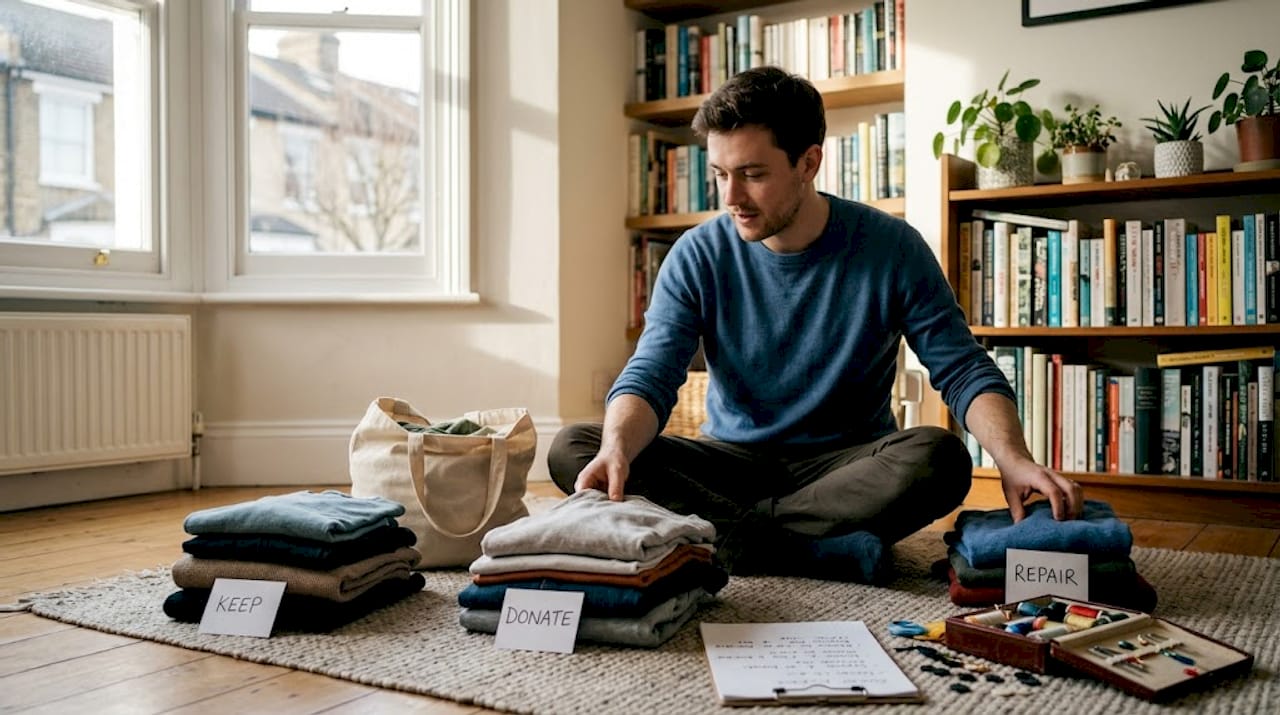
The mindset matters as much as the method. Approach the process with patience rather than guilt. Most of us have bought impulsively or fallen for a misleading marketing claim. That is normal. What matters is building a clearer picture going forward.
One of the biggest pitfalls at this stage is greenwashing, where brands use vague language like “conscious collection” or “eco range” without genuine supply chain transparency. Knowing how to read a brand’s claims critically is part of the preparation process. Look for specific certifications such as GOTS (Global Organic Textile Standard) or B Corp status rather than relying on marketing copy.
Pro Tip: Try the hanger trick. At the start of your audit, turn all your hangers to face the same direction. After wearing and washing an item, hang it back the other way. After three months, anything still facing the original direction has not been worn and probably does not serve you.
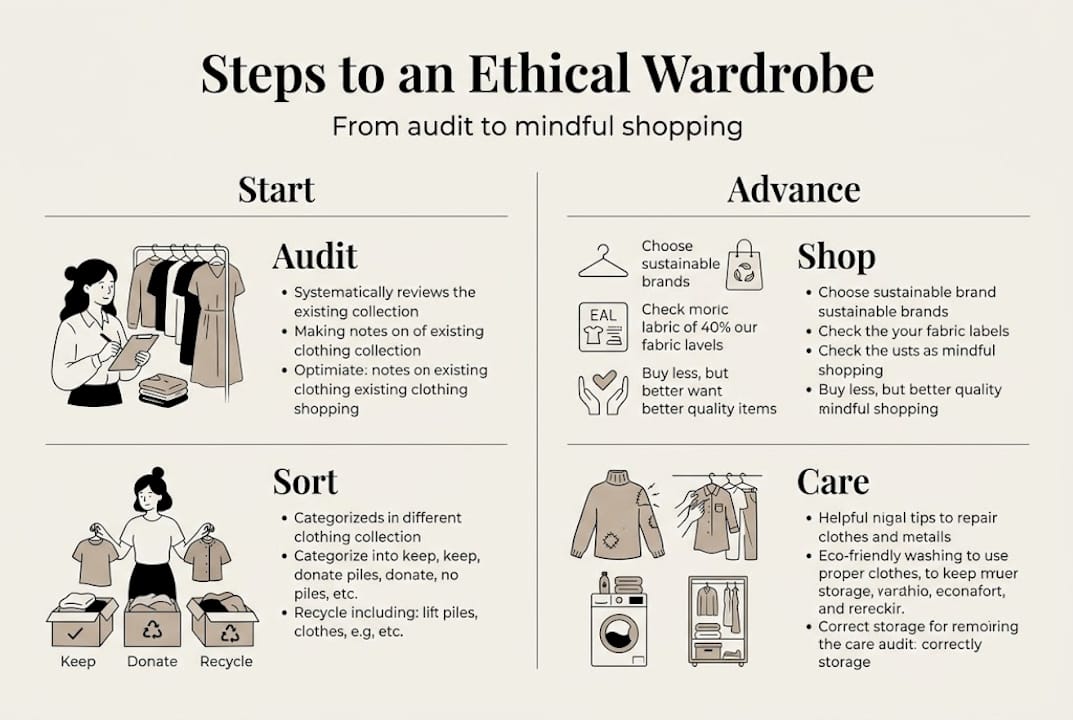
The sustainable wardrobe audit process recommends sorting clothes into clear categories: keep, donate, repair, and recycle. This structured approach prevents decision fatigue and ensures nothing is overlooked.
| Common pitfall | Sustainable alternative |
|---|---|
| Impulse buying sale items | Create a mindful shopping list first |
| Trusting “eco” labels blindly | Research certifications and brand transparency |
| Discarding everything at once | Sort gradually and donate thoughtfully |
| Chasing seasonal trends | Define a personal colour palette instead |
For further practical advice, our guide on eco-friendly wardrobe tips covers the foundational decisions in more detail, and you can also explore practical ways to reduce fashion waste as part of your overall plan.
Step-by-step wardrobe transformation: from audit to mindful shopping
With your tools ready and your mindset in place, here is how the actual transformation unfolds.
- Clear the space: Remove everything from your wardrobe and lay it out where you can see it all at once.
- Sort into categories: Separate tops, bottoms, outerwear, and accessories into clear piles.
- Apply the hanger trick results: Use any prior data you have gathered to see objectively what is worn and what is not.
- Define your style palette: Choose three to five core colours that work across your lifestyle. This reduces impulse purchases significantly.
- Identify genuine gaps: Only items that are missing from your functional wardrobe belong on your shopping list.
- Apply the Five F’s before each new purchase: The Five F’s framework asks you to consider whether you can Rent (Fractional ownership), Favour an ethical brand, Fix what you already own, Find it second-hand, or simply Forgo the purchase altogether.
Pro Tip: Calculate the cost-per-wear (CPW) before buying anything new. Divide the price by the number of times you realistically expect to wear it. A £120 coat worn 60 times costs £2 per wear. A £30 trend piece worn twice costs £15 per wear. CPW makes the true value of quality instantly visible.
For inspiration on putting outfits together sustainably, our post on building eco-friendly outfits offers creative, practical ideas. And for a broader look at slow fashion, the principles of buying thoughtfully apply equally to accessories as to clothing.
| Step | Key action | Decision point |
|---|---|---|
| Audit | Remove and categorise all items | Keep, donate, repair, or recycle? |
| Analyse | Review wear frequency | Does it serve your life? |
| Define palette | Choose core colours | Does new item match the palette? |
| Shopping list | List genuine gaps only | Can the Five F’s satisfy this need? |
| Purchase | Apply CPW calculation | Is the cost-per-wear acceptable? |
Choosing cruelty-free, vegan, and sustainable accessories
Your wardrobe transformation is not complete without considering accessories. Bags, wallets, and belts are often made from conventional leather, which carries a significant environmental and ethical cost. Fortunately, the range of cruelty-free alternatives has grown considerably.
Vegan bio-based materials such as cork, Piñatex (made from pineapple leaf fibre), and mushroom leather avoid both animal harm and the heavy chemical processes associated with conventional tanning. Cork, in particular, is harvested without cutting down the tree, making it genuinely renewable.
“Not all vegan materials are created equal. Some recycled synthetics carry a lower environmental footprint than natural alternatives, depending on production method.” This is why researching each material matters.
A key caution: greenwashing is common in the accessories market too. A bag labelled “vegan leather” may simply be PVC, which is neither biodegradable nor sustainably produced. Always ask what the material actually is.
| Material | Vegan | Biodegradable | Durability | Eco rating |
|---|---|---|---|---|
| Cork | Yes | Yes | High | Excellent |
| Conventional leather | No | Partially | Very high | Poor |
| PVC synthetic | Yes | No | Medium | Poor |
| Recycled polyester | Yes | No | High | Good |
When styling cruelty-free accessories, cork works beautifully with earthy tones, linen, and natural fabrics, but it also holds its own against more polished outfits. Our detailed look at vegan leather benefits covers the practical advantages, while a direct comparison in cork versus leather shows where plant-based materials outperform animal ones. For a broader picture, cork accessories benefits highlights ten specific reasons why it is worth making the switch.
Caring for and disposing of your clothes the sustainable way
The most sustainable wardrobe is one that stays in use for as long as possible. How you care for your clothes has a direct impact on their lifespan, and on the planet.
- Wash in cold water: Washing cold uses 90% less energy than a hot cycle and reduces fabric deterioration significantly.
- Turn garments inside out: This protects colour and surface fibres during the wash cycle.
- Use a mesh laundry bag: This captures microfibres released by synthetic fabrics, preventing them from entering waterways.
- Air dry wherever possible: Tumble drying degrades fabric quickly and consumes considerable energy.
- Repair before replacing: A loose button or small tear is fixable in minutes. Repairing extends a garment’s life by years.
- Dispose responsibly: Use brand take-back programmes, donate to textile recycling schemes, or pass items on through community exchanges.
Pro Tip: Fold knitwear rather than hanging it. Hanging stretches the shoulders and distorts the shape over time, shortening the garment’s wearable life.
Circular fashion is growing but still not at scale, which means responsible individual disposal choices remain genuinely impactful. Every item kept out of landfill counts. For more ideas on keeping fashion circular, our guide on reducing fashion waste gives actionable steps you can take right now.
What most get wrong about sustainable fashion (and how to get it right)
Here is an uncomfortable truth: many people approach sustainable fashion as a shopping exercise. They replace fast fashion items with “eco” alternatives and feel they have solved the problem. But the most impactful step is consuming less overall, not consuming differently.
The second major mistake is taking brand claims at face value. Sustainability is not a certification you earn once. It is an ongoing commitment to transparency. Ask brands where their materials come from, how their workers are paid, and what happens to unsold stock.
Slow fashion prioritises cost-per-wear and thoughtful consumption over trend-chasing. That shift in perspective, from “what do I want to buy?” to “what do I genuinely need and love?”, is where real sustainability begins. Our ultimate guide to cork accessories shows what genuinely transparent, values-led accessory choices look like in practice.
Discover cruelty-free accessories for your sustainable journey
If this guide has sparked a desire to rethink your accessories as well as your wardrobe, you are in the right place. At The Cork Store, every product is crafted from natural cork, a material that is harvested sustainably, completely vegan, and free from harmful chemicals. Whether you are looking for a new everyday bag, a compact wallet, or a thoughtful gift, our range is designed to complement a conscious lifestyle without compromising on style.
Explore our full range of vegan leather alternatives and discover why cork is earning its place as the material of choice for eco-conscious fashion lovers. If you are still weighing up whether cruelty-free accessories are right for you, our in-depth post on why choose vegan accessories covers every angle, from ethics to everyday practicality.
Frequently asked questions
What makes a fashion brand truly sustainable?
A sustainable brand uses eco-friendly materials, ensures fair labour, and is transparent about its entire supply chain. Look for verifiable principles such as certified organic materials and publicly available supplier information rather than vague marketing language.
How can I tell if an accessory is vegan and eco-friendly?
Look for clear labelling and research the brand’s material sourcing directly. Tools like Good On You ratings offer independent verification of brand ethics and environmental claims.
Is secondhand shopping more sustainable than buying new?
Yes, buying secondhand reduces demand on new resources and is one of the most impactful choices you can make. The secondhand market is growing at 15 to 20% annually, reflecting a broad shift in consumer priorities.
What is the best way to dispose of old clothes sustainably?
Use take-back programmes, donate to textile recycling schemes, or pass items on through community swaps to keep garments out of landfill and support a circular economy.
Are vegan accessories as durable and stylish as leather?
High-quality vegan accessories made from materials like cork can be equally durable and often outperform leather in water resistance and weight. Bio-based vegan materials are increasingly designed to meet the same quality standards as animal leather, with a significantly lower environmental footprint.