
Reasons to Choose Cork: Eco-Conscious Style Impact
Swapping leather for a more planet-friendly accessory can feel like a bold fashion move. For style-conscious individuals across the United Kingdom who care about animal welfare and the environment, cork stands out as a cruelty-free, renewable material that ticks all the right boxes. Derived from the bark of the cork oak tree, its unique cellular structure brings you durability, comfort, and a natural look that supports sustainable values without sacrificing style.
Table of Contents
- Cork Material Explained: What Sets It Apart
- Key Variations: Natural, Engineered, Vegan Cork
- Unique Traits: Durability, Comfort, Water Resistance
- Environmental Impact: Renewable and Cruelty-Free
- Style and Function: Comparing Cork to Leather
Key Takeaways
| Point | Details |
|---|---|
| Distinct Properties of Cork | Cork’s unique cellular structure provides exceptional durability, water resistance, and thermal insulation, making it a versatile material for various applications. |
| Sustainable Variations | Cork offers three main types: Natural, Engineered, and Vegan, each catering to specific design needs and sustainability criteria. |
| Environmental Benefits | Sustainable harvesting techniques ensure cork is a renewable resource, supporting biodiversity and minimising carbon footprint. |
| Comparative Advantage to Leather | Cork leather serves as an ethical and lightweight alternative to traditional leather, offering superior water resistance and hypoallergenic properties. |
Cork Material Explained: What Sets It Apart
Cork represents an extraordinary natural material with remarkable properties that distinguish it from synthetic alternatives. Derived from cork oak bark), this sustainable substance offers unique characteristics that make it a versatile and environmentally friendly resource for multiple applications.
The cellular structure of cork is what truly sets it apart from other materials. Its distinct biological composition creates an intricate network of microscopic cells that provide exceptional performance across various contexts. These cells are incredibly compact yet lightweight, enabling cork to deliver extraordinary functional benefits.
Key distinguishing features of cork include:
- Low density allowing exceptional buoyancy
- Exceptional elasticity enabling compression and recovery
- Natural water resistance preventing fluid absorption
- Fire retardant properties providing enhanced safety
- Thermal insulation capabilities for temperature regulation
The chemical composition of cork, predominantly made of suberin and lignin, contributes to its impressive durability and resilience. These natural compounds create a material that can withstand significant environmental pressures while maintaining structural integrity.
Pro tip: When evaluating sustainable materials, examine cork’s remarkable cellular structure as a benchmark for natural engineering excellence.
Key Variations: Natural, Engineered, Vegan Cork
Cork’s versatility emerges through its remarkable variations, each designed to meet specific sustainable design and functional requirements. Natural cork materials showcase unique cellular compositions that distinguish them from synthetic alternatives, offering environmentally conscious consumers multiple compelling options.
These variations can be broadly categorised into three primary types:
- Natural Cork: Harvested directly from cork oak bark, maintaining its original cellular structure
- Engineered Cork: Processed and restructured using cork granules
- Vegan Cork: Specifically designed as an animal-friendly material alternative
Advanced processing techniques have expanded cork’s potential beyond traditional applications. Engineered cork, in particular, allows manufacturers to modify the material’s mechanical properties, creating innovative solutions for various industries. These modifications can enhance cork’s natural characteristics like flexibility, durability, and thermal insulation.
The vegan cork variation represents a significant advancement in sustainable material design. By leveraging cork’s inherent properties, designers can create accessories and products that are both ethically produced and environmentally responsible. This approach ensures that fashion-forward consumers can make stylish choices without compromising their commitment to animal welfare.
Here’s a comparison of the main types of cork materials and their design implications:
| Cork Type | Processing Method | Sustainability Feature | Ideal Applications |
|---|---|---|---|
| Natural Cork | Harvested, minimal processing | Fully renewable, low impact | Flooring, insulation, fashion items |
| Engineered Cork | Granulated, reconstituted | Uses cork waste efficiently | Packaging, soundproofing, panels |
| Vegan Cork | Plant-based alternatives | No animal-derived elements | Accessories, ethical products |
Pro tip: When selecting cork products, examine the specific variation to understand its unique performance characteristics and sustainability credentials.
Unique Traits: Durability, Comfort, Water Resistance
Cork’s extraordinary performance emerges from its remarkable combination of functional characteristics that set it apart from conventional materials. Remarkable cellular structure enables exceptional durability without compromising aesthetic appeal or environmental integrity.
Key performance characteristics include:
- Exceptional Durability: Maintains structural integrity under repeated stress
- Natural Comfort: Provides soft, responsive cushioning
- Superior Water Resistance: Prevents moisture penetration
- Thermal Regulation: Maintains consistent temperature performance
- Lightweight Construction: Minimises material burden
Longitudinal user studies demonstrate cork’s consistent quality over extended periods. The material’s unique cellular composition allows it to withstand significant wear while maintaining its original aesthetic and functional properties. This resilience makes cork an ideal choice for consumers seeking reliable, long-lasting accessories.
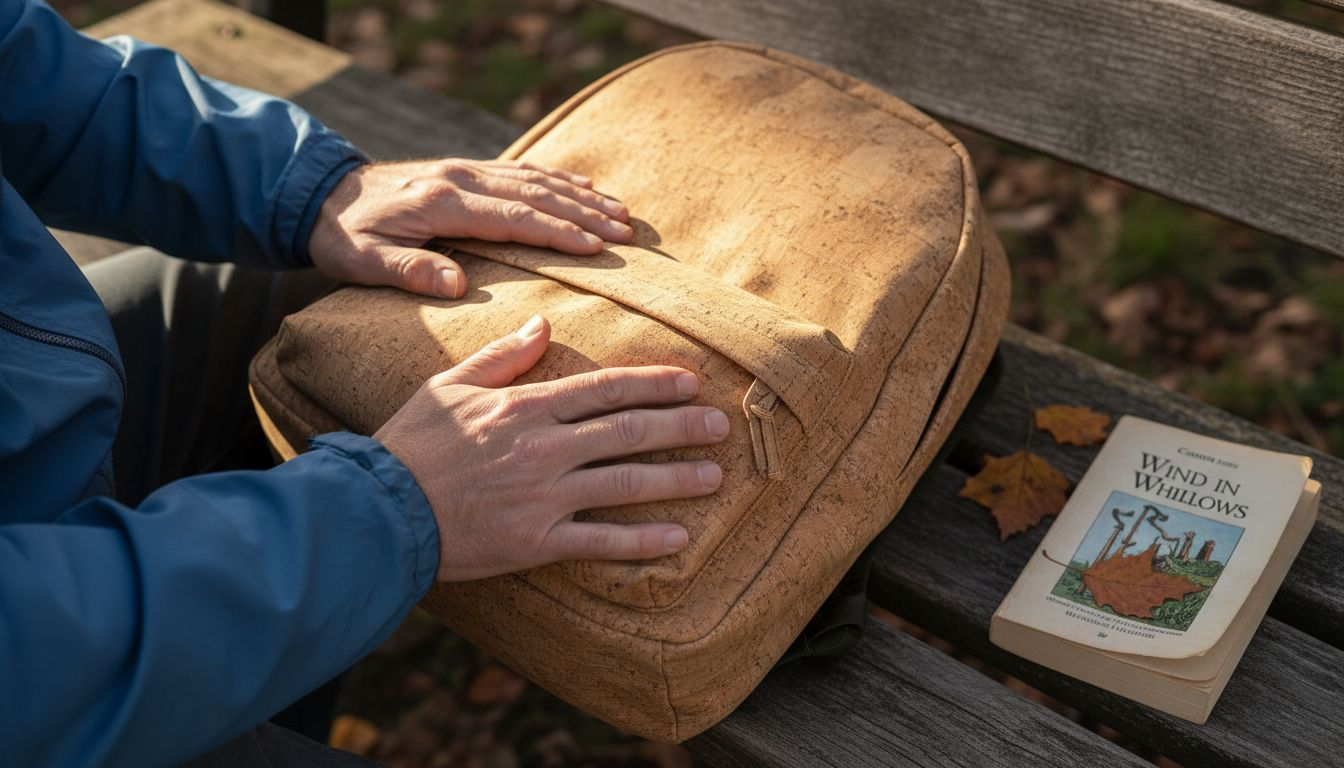
The hydrophobic nature of cork, primarily derived from suberin, ensures remarkable water-resistant capabilities. This inherent characteristic prevents moisture absorption, making cork products particularly suitable for environments requiring protection against humidity and liquid exposure. Its natural elasticity means cork can compress and recover without permanent deformation, providing both comfort and durability.
Pro tip: Inspect cork products’ surface texture and flexibility to assess their potential long-term performance and quality.
Environmental Impact: Renewable and Cruelty-Free
Sustainable cork harvesting practices represent a remarkable breakthrough in environmentally conscious material production. Cork oak trees are carefully harvested without destruction, allowing bark to regenerate every 9-12 years, which creates a truly renewable resource that supports global ecological balance.
Key environmental advantages of cork include:
- Zero Animal Cruelty: Completely plant-based material
- Carbon Negative: Absorbs more carbon than produced during processing
- Biodiversity Support: Preserves cork oak forest ecosystems
- Regenerative Harvesting: Allows continuous bark reproduction
- Minimal Processing: Requires limited industrial intervention
Carbon sequestration capabilities of cork forests demonstrate the material’s extraordinary environmental potential. These forests act as significant carbon sinks, effectively combating climate change while supporting local agricultural communities and preventing landscape desertification.
The cruelty-free nature of cork extends beyond its harvesting method. By choosing cork accessories, environmentally conscious consumers actively support a production cycle that prioritises ecological preservation, minimal waste, and sustainable economic development. This approach represents a meaningful alternative to traditional leather and synthetic materials that often involve significant environmental degradation.
Pro tip: Research the origin of your cork products to ensure they come from certified sustainable forests.
Style and Function: Comparing Cork to Leather
Cork leather represents a revolutionary alternative to traditional animal-derived materials, offering a sophisticated solution for environmentally conscious fashion enthusiasts. Unlike conventional leather, cork provides an ethical and sustainable option that does not compromise on style or functionality.
Key comparative characteristics include:
- Weight: Cork is significantly lighter than traditional leather
- Environmental Impact: Minimal processing, zero animal cruelty
- Durability: Maintains structural integrity over time
- Water Resistance: Superior moisture protection
- Aesthetic Appeal: Natural, unique textural patterns
Cork’s cellular structure offers remarkable performance that surpasses traditional leather in multiple dimensions. Its honeycomb-like composition provides exceptional thermal regulation, acoustic insulation, and resistance to abrasion, making it an intelligent choice for discerning consumers seeking both style and substance.
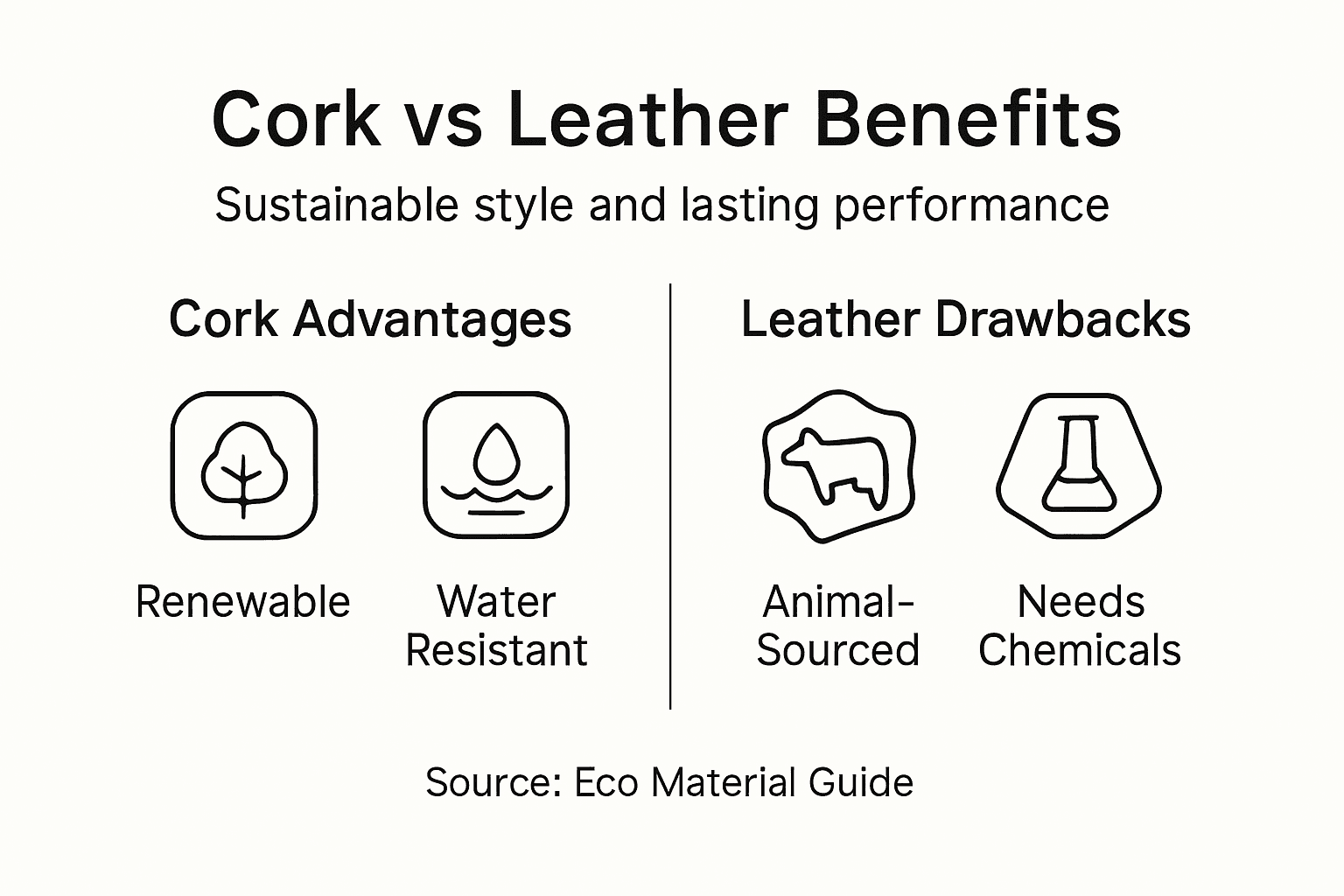
The hypoallergenic nature of cork further distinguishes it from traditional leather. While leather requires extensive chemical treatments and processing, cork maintains its integrity through natural properties. This makes cork an ideal material for individuals with sensitive skin or those committed to reducing their environmental footprint.
For quick reference, here are the unique performance advantages cork offers compared to traditional leather:
| Attribute | Cork Leather Advantage | Traditional Leather Limitation | Usage Benefit |
|---|---|---|---|
| Weight | Extremely lightweight | Often heavy and less portable | Easier to carry items |
| Water Resistance | Naturally repels moisture | Absorbs water, can be damaged | Better for wet climates |
| Allergen Risk | Hypoallergenic, untreated | May cause irritation, treated with chemicals | Suits sensitive skin |
| Carbon Footprint | Carbon negative production | Significant emissions, animal impact | Eco-friendly fashion |
Pro tip: Examine the texture and flexibility of cork accessories to appreciate their unique material qualities.
Discover the Power of Eco-Conscious Style with Cork Accessories
Choosing cork means embracing a material that is naturally durable, water resistant, and cruelty-free—just as highlighted in the article “Reasons to Choose Cork: Eco-Conscious Style Impact.” If you value sustainable and stylish products that protect the environment while providing comfort and longevity, it is time to explore how cork can transform your accessory collection. With its renewable harvesting and carbon-negative properties, cork perfectly aligns with your goals for ethical fashion.
Find beautiful options crafted from vegan cork, featuring handbags, backpacks, and wallets that combine unique texture and lightweight design for everyday wear. Experience firsthand the remarkable blend of style and function cork offers by browsing the curated selection at The Cork Store.
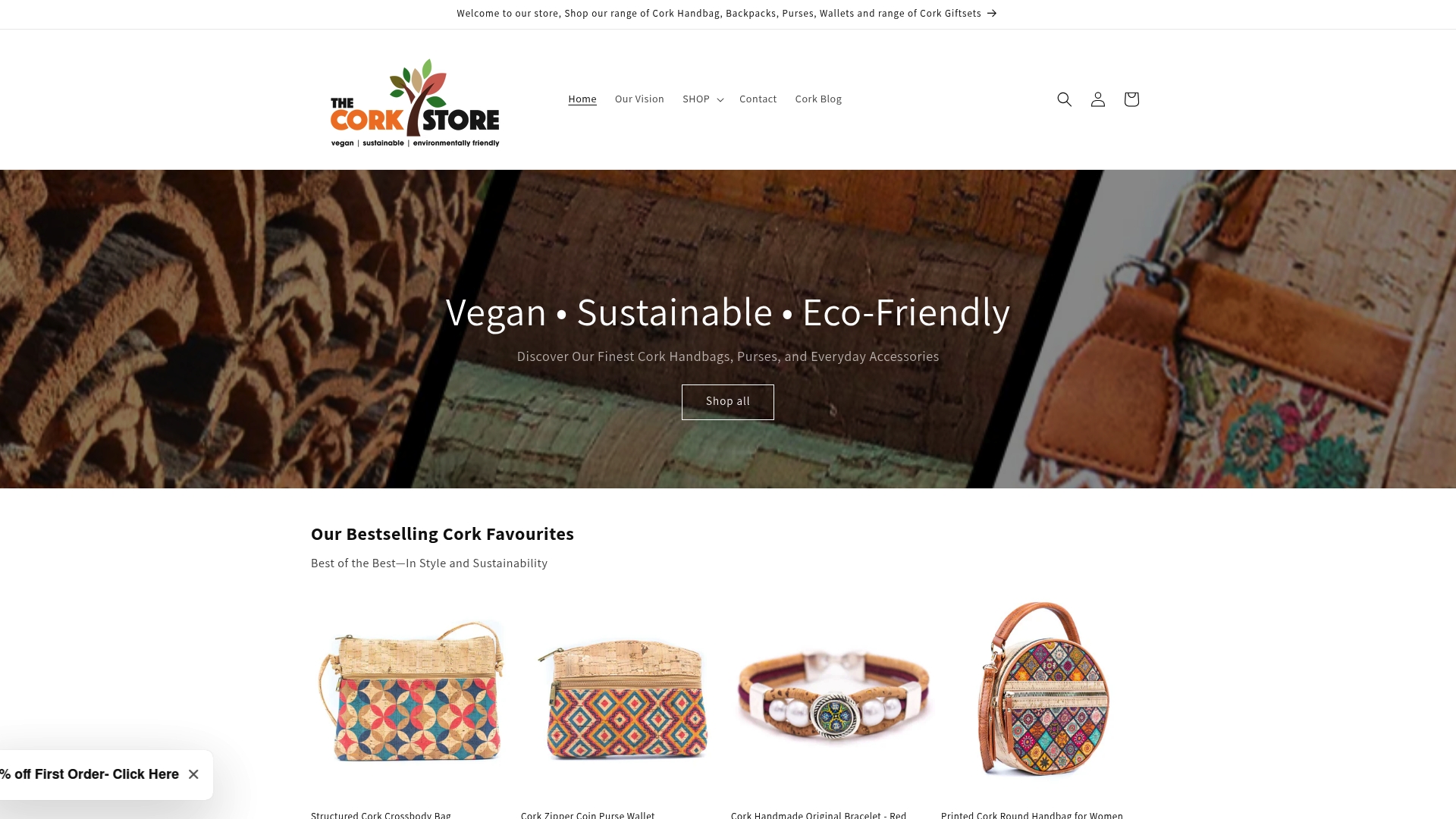
Step into a world where sustainability meets sophistication. Visit The Cork Store now to choose your eco-friendly accessory and support a material that nurtures both the planet and your personal style. Act today to enjoy exclusive designs that are as kind to the Earth as they are stunning to the eye. Explore more about cork’s exceptional qualities and the latest trends on our landing page before making your conscious purchase.
Frequently Asked Questions
What are the benefits of using cork products?
Cork products offer various benefits, including exceptional durability, natural water resistance, lightweight construction, and superior comfort. Additionally, cork is a sustainable option, being renewable and cruelty-free.
How does cork compare to traditional leather in terms of environmental impact?
Cork is more environmentally friendly than traditional leather as it is derived from renewable resources without harming the cork oak trees. It also has a carbon negative footprint, absorbing more carbon than is produced during processing, while leather production typically involves significant emissions and animal impact.
What are the different types of cork materials available?
Cork is available in three main types: Natural Cork, which is harvested directly from cork oak bark; Engineered Cork, which is made from processed cork granules; and Vegan Cork, designed as an animal-friendly alternative that leverages cork’s properties.
How does the water resistance of cork compare to other materials?
Cork has superior water-resistant properties compared to many other materials, naturally preventing moisture absorption. This makes it an ideal choice for products used in humid environments or those that may be exposed to liquids.
Recommended
- Why Choose Cork Gifts: The Complete Guide – The Cork Store
- Benefits of Cork Products: Sustainable, Stylish Choice – The Cork Store
- Why Eco Shoppers Prefer Cork Accessories – The Cork Store
- 7 Practical Reasons to Choose Bags of Cork for Eco Style – The Cork Store
- Top Leather Tote Bags for Women – Best Choices 2025 – San Rocco Italia