

Role of Sustainable Materials in Ethical Fashion
Finding truly sustainable fashion materials is tougher than it looks. With more than 60 percent of global textiles produced using resource-intensive processes, the push for ethical alternatives has never been stronger. Eco-conscious shoppers, especially british millennials and Gen Z, want accessories that combine style, sustainability, and animal-friendly values. This guide untangles the complexities behind sustainable materials like cork, helping you confidently choose accessories that align with your beliefs and protect planetary health.
Table of Contents
- Defining Sustainable Materials And Key Concepts
- Types Of Sustainable Accessories Materials Compared
- How Cork Is Produced And Used In Fashion
- Benefits Of Cork And Other Eco Materials
- Environmental And Ethical Implications For Shoppers
- Common Pitfalls When Choosing Sustainable Alternatives
Key Takeaways
| Point | Details |
|---|---|
| Sustainable Materials | Sustainable materials aim to reduce ecological impact while supporting ethical production systems in fashion. They include fibres that prioritise renewability and transparency throughout their lifecycle. |
| Consumer Responsibility | Shoppers influence sustainability through informed choices, emphasizing the importance of ethical practices and the holistic impact of fashion consumption. |
| Material Evaluation | When selecting accessories, focus on materials with clear supply chains and multiple sustainability credentials to ensure genuine eco-friendliness. |
| Challenges in Sustainability | Beware of greenwashing and information asymmetry, as misleading claims can obscure true sustainability efforts in the fashion industry. |
Defining Sustainable Materials and Key Concepts
Sustainable materials represent a transformative approach in fashion that goes far beyond traditional manufacturing practices. These materials are intentionally sourced, produced, and processed to minimise environmental impact while simultaneously supporting ethical production systems. Understanding sustainable fashion as a complex social-ecological system reveals the intricate dynamics between material selection, human welfare, and planetary health.
At its core, sustainable materials encompass textiles and fibres that reduce negative ecological consequences throughout their entire lifecycle. This includes considerations like water usage, carbon emissions, chemical treatments, worker conditions, and potential for recycling or biodegradation. Key characteristics include renewable sourcing, minimal processing, low environmental footprint, and transparent supply chains. Materials such as organic cotton, hemp, bamboo, recycled polyester, and cork exemplify these principles by offering alternatives that challenge conventional resource-intensive textile production.
Interdisciplinary sustainability frameworks emphasise that sustainable materials must address technological, environmental, social, and economic dimensions simultaneously. This holistic perspective means evaluating not just the material’s immediate ecological impact, but its broader systemic implications. For fashion consumers, this translates to understanding that every textile choice represents a potential contribution to global sustainability efforts.
Expert Tip: When assessing sustainable materials, look beyond marketing claims and investigate the entire production lifecycle, from raw material extraction to final product disposal.
Types of Sustainable Accessories Materials Compared
Sustainable accessories materials encompass a diverse range of innovative textiles designed to minimise environmental impact while maintaining aesthetic appeal and functionality. A comprehensive hybrid framework for evaluating sustainable materials reveals multiple critical dimensions beyond traditional material selection, including environmental performance, social responsibility, and lifecycle considerations.
Key sustainable materials for fashion accessories include recycled fabrics, organic natural fibres, and upcycled textiles. Each category offers unique benefits: recycled polyester reduces plastic waste, organic cotton minimises chemical usage, and upcycled materials prevent textile landfill accumulation. Cork stands out as an exceptional sustainable material, offering water resistance, durability, and biodegradability while providing a cruelty-free alternative to traditional leather accessories.
Sustainable fashion accessory materials can be effectively compared across multiple criteria: renewability, biodegradability, carbon footprint, water consumption, and production ethics. A comparative analysis reveals that materials like hemp, bamboo, and recycled synthetics each contribute distinctive sustainability advantages. Hemp demonstrates exceptional low-water cultivation, bamboo offers rapid regeneration, and recycled synthetics prevent waste accumulation, providing consumers with multiple responsible choices.
Potential sustainable accessory materials further include innovative options like piñatex (pineapple leather), apple leather, and mushroom-derived textiles. These emerging materials showcase the fashion industry’s potential to transform waste streams into valuable, environmentally conscious products that challenge traditional manufacturing paradigms.
The following table highlights sustainability comparison criteria for leading eco-friendly fashion accessory materials:
| Material | Water Usage | Biodegradability | Ethical Sourcing |
|---|---|---|---|
| Cork | Very low | Fully biodegradable | Transparent, supports forests |
| Organic Cotton | Moderate | Biodegradable | Certified, fair labour |
| Recycled Polyester | Minimal | Not biodegradable | Relies on waste stream |
| Hemp | Extremely low | Biodegradable | Often locally sourced |
| Piñatex (Pineapple) | Low | Partially biodegradable | Utilises food industry waste |
Expert Tip: When selecting sustainable accessories, prioritise materials with transparent supply chains and multiple lifecycle credentials rather than focusing solely on a single environmental metric.
How Cork Is Produced and Used in Fashion
Cork’s remarkable journey from forest to fashion begins with sustainable harvesting from cork oak trees. Unlike traditional material extraction, cork bark is carefully removed without damaging the living tree, allowing repeated harvesting every nine to twelve years. This unique production process ensures the tree’s continued growth and carbon absorption, making cork an exceptionally renewable resource.
The transformation of raw cork into fashion materials involves intricate processing stages. After harvesting, the bark is cleaned, boiled, and transformed into sheets or granules suitable for textile production. Cork fabric emerges through advanced techniques that compress and treat cork particles, creating a lightweight, flexible material with remarkable properties. Its natural characteristics include water resistance, durability, and breathability, making it an ideal sustainable alternative to traditional leather and synthetic accessories.
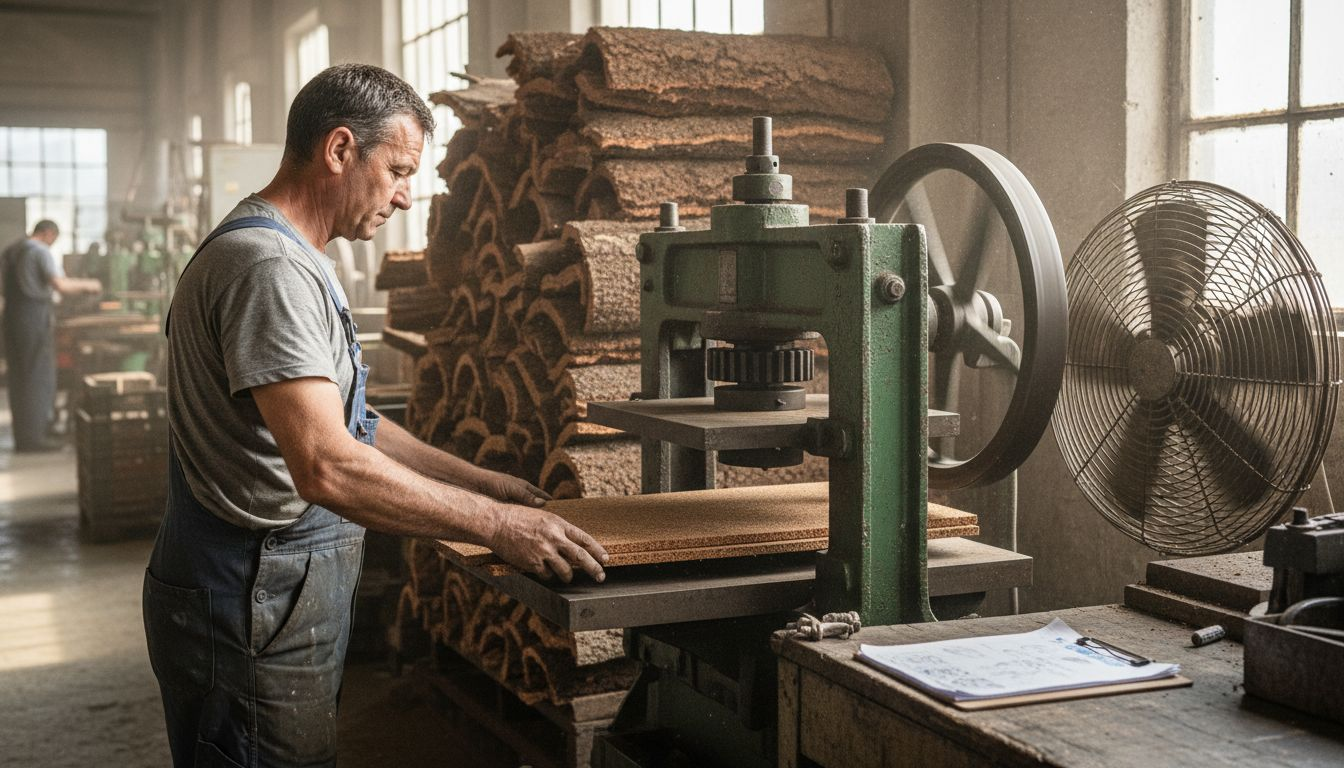
Fashion designers are increasingly embracing cork for its versatility and ethical credentials. Accessories like handbags, wallets, backpacks, and shoes now showcase cork’s aesthetic potential, challenging conventional material perceptions. The fabric’s unique texture offers a natural, organic appearance while maintaining structural integrity. Its lightweight nature, combined with impressive durability, positions cork as a revolutionary material in sustainable fashion circles, appealing to environmentally conscious consumers seeking stylish alternatives.
Beyond its physical properties, cork represents a holistic approach to sustainable fashion. The material supports local economies in regions like Portugal, where cork oak forests provide crucial ecological and economic benefits. Each cork accessory embodies a narrative of environmental stewardship, connecting consumers directly to sustainable production practices that protect biodiversity and support traditional woodland management.
Expert Tip: When evaluating cork accessories, examine the material’s texture, weight, and production transparency to ensure genuine sustainability and quality craftsmanship.
Benefits of Cork and Other Eco Materials
Cork’s exceptional qualities as a sustainable material extend far beyond its environmental credentials. This remarkable substance offers a unique combination of physical properties that make it invaluable across multiple industries, particularly in fashion and accessory design. Its low density, remarkable elasticity, and natural thermal insulation create a material that is not just eco-friendly, but functionally superior to many traditional textile alternatives.
The environmental benefits of cork and similar eco materials are profound. Renewable resources like cork, hemp, and bamboo provide sustainable alternatives that dramatically reduce the fashion industry’s carbon footprint. Cork stands out with its carbon-negative production process, actively contributing to environmental restoration. Its harvesting method allows bark removal without harming the tree, enabling repeated extraction every nine to twelve years and supporting forest ecosystems while generating economic opportunities for local communities.
Sustainable materials represent a holistic approach to ecological responsibility, addressing multiple environmental challenges simultaneously. Beyond cork, materials like organic cotton, recycled polyester, and plant-based leather alternatives offer innovative solutions to traditional textile production. These materials significantly reduce water consumption, eliminate harmful chemical treatments, and provide biodegradable options that minimise long-term environmental impact. Each sustainable material choice represents a direct contribution to global conservation efforts.
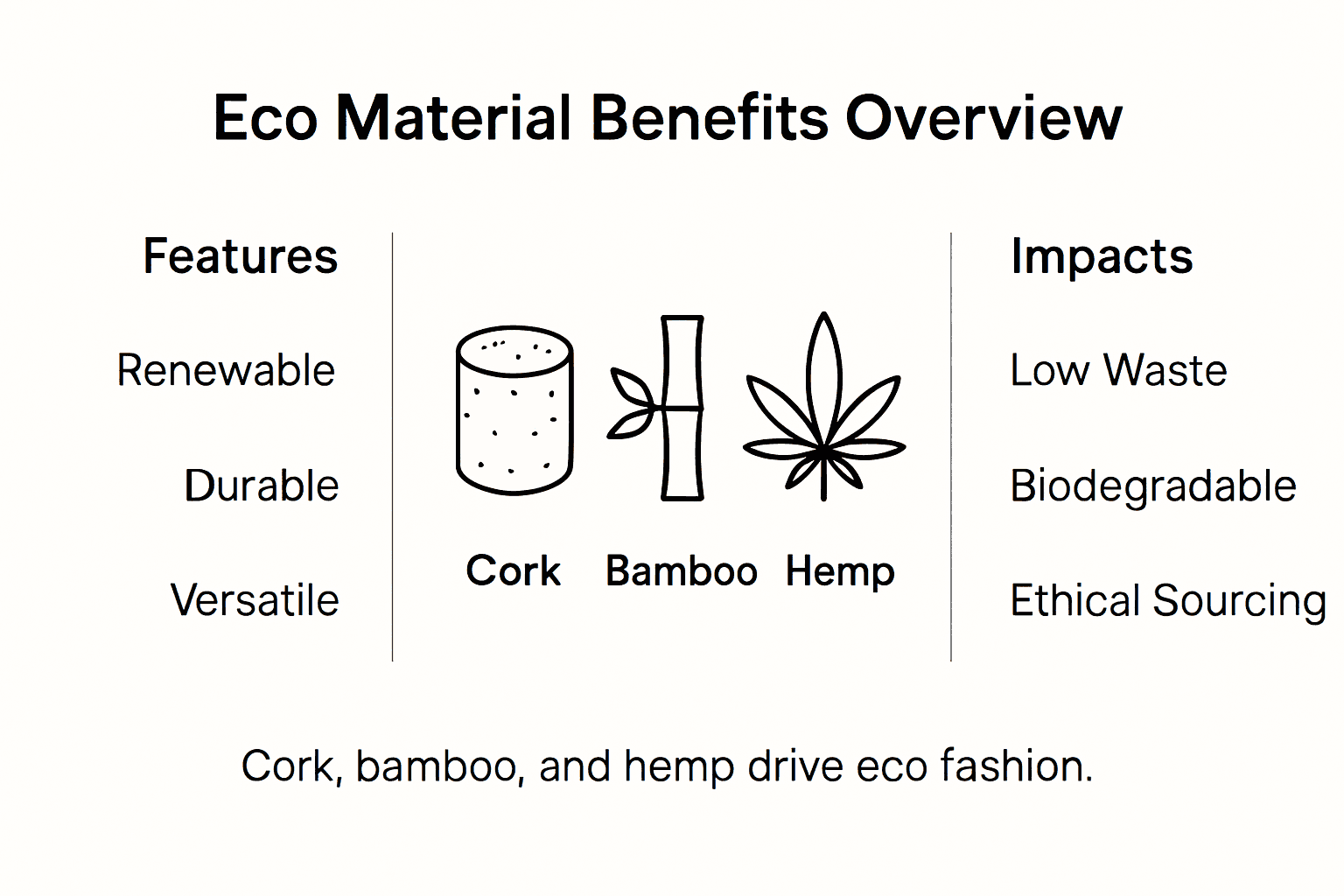
Innovative eco materials are transforming fashion’s environmental landscape. Emerging technologies now enable the creation of textiles from agricultural waste, mushroom mycelium, and even recycled plastic, demonstrating the incredible potential for sustainable innovation. These materials not only reduce environmental harm but also challenge traditional manufacturing paradigms, proving that style and sustainability can coexist harmoniously.
Expert Tip: When selecting sustainable materials, prioritise those with transparent supply chains and multiple environmental certifications to ensure genuine ecological integrity.
Environmental and Ethical Implications for Shoppers
Consumer purchasing decisions represent a powerful mechanism for driving systemic change in fashion sustainability, transforming individual choices into collective environmental impact. Each purchasing decision becomes a direct vote for the kind of fashion industry consumers wish to support, with profound implications for global ecological and social systems. The power to reshape fashion’s environmental footprint lies fundamentally in understanding the intricate connections between personal consumption and broader sustainability challenges.
The ethical dimensions of fashion consumption extend far beyond aesthetic preferences. Ethical perspectives in fashion production reveal complex interconnections between consumer choices, labour rights, and environmental stewardship. Shoppers are increasingly recognising their role in challenging exploitative manufacturing practices, demanding transparency about working conditions, material sourcing, and environmental protocols. This consciousness shift means considering not just the final product, but the entire journey of an accessory from raw material extraction to final production.
Ethical shopping requires nuanced understanding of sustainable material implications. Consumers must evaluate multiple factors: carbon emissions during production, water consumption, chemical treatments, worker compensation, and potential for material recycling or biodegradation. Materials like cork, organic cotton, and recycled synthetics offer tangible alternatives to resource-intensive traditional textiles, enabling shoppers to make environmentally responsible choices that align with broader ecological preservation goals.
The emerging sustainable fashion landscape demands active consumer engagement. By prioritising brands committed to genuine environmental and social responsibility, shoppers can incentivise industry-wide transformation. This involves researching production methods, understanding material lifecycles, and supporting companies demonstrating authentic commitment to ethical and sustainable practices.
For shoppers evaluating sustainable accessories, this table summarises key ethical and environmental purchase criteria:
| Criteria | Shopper Consideration | Impact on Sustainability |
|---|---|---|
| Carbon Emissions | Assess production processes | Reduces ecological footprint |
| Worker Compensation | Investigate fair wage practices | Improves social outcomes |
| Supply Chain Transparency | Request detailed documentation | Prevents greenwashing |
| Material Recycling | Favour products with recycling plans | Extends lifecycle, less waste |
Expert Tip: Develop a critical approach to fashion consumption by investigating brands’ sustainability credentials, looking beyond marketing claims to understand their genuine environmental and social commitments.
Common Pitfalls When Choosing Sustainable Alternatives
Consumer challenges in navigating sustainable fashion alternatives reveal a complex landscape fraught with misinformation and structural barriers. The most significant obstacles arise from widespread greenwashing, where brands create misleading sustainability narratives that obscure genuine environmental impact. Consumers frequently encounter marketing claims that superficially suggest ecological responsibility without substantive evidence of meaningful sustainable practices.
Information asymmetry represents another critical challenge in sustainable fashion selection. Systematic barriers prevent consumers from making truly informed sustainable choices, with numerous challenges emerging from fragmented sustainability initiatives and context-specific limitations. These complexities include opaque supply chains, inconsistent certification standards, and limited transparency about material sourcing, production conditions, and actual environmental consequences of seemingly sustainable alternatives.
Economic constraints further complicate sustainable material selection. Eco-friendly alternatives often carry premium pricing that marginalises budget-conscious consumers, creating a perception that sustainability is an exclusive privilege rather than an accessible choice. This economic barrier reinforces existing consumption patterns, making it challenging for individuals with limited financial resources to participate meaningfully in sustainable fashion ecosystems.
Technical complexity surrounding material sustainability adds another layer of difficulty. Consumers must critically evaluate multiple interconnected factors: carbon emissions, water consumption, chemical treatments, worker compensation, and potential for material recycling or biodegradation. This multifaceted assessment requires sophisticated knowledge that extends beyond traditional purchasing considerations, demanding significant consumer education and critical analytical skills.
Expert Tip: Develop a systematic approach to evaluating sustainable claims by requesting detailed documentation about material sourcing, production methods, and verifiable environmental certifications.
Embrace Authentic Ethical Fashion with Sustainable Cork Accessories
The challenge of navigating greenwashing and confusing sustainability claims can leave many ethical fashion shoppers overwhelmed by unclear choices. This article highlights key pain points like assessing transparent supply chains, understanding material biodegradability, and verifying genuine ethical sourcing—all vital to making responsible decisions that reflect your values.
At The Cork Store, we provide an authentic solution through our carefully curated collection of vegan cork accessories. Each product embodies the principles discussed such as renewable sourcing, low environmental impact, and cruelty-free craftsmanship. Our range of handbags, wallets, and backpacks offers you a stylish way to reduce carbon footprint while supporting eco-conscious production practices.
Discover how easy it is to align your wardrobe with your ethics today.
Explore our full collection of sustainable accessories at The Cork Store and make a confident choice that honours your commitment to ethical fashion. Start experiencing durable, beautiful, and environmentally responsible products by visiting https://thecorkstore.co.uk now and join the movement towards truly sustainable style.
Frequently Asked Questions
What are sustainable materials in the context of fashion?
Sustainable materials in fashion are textiles and fibres that are sourced, produced, and processed with minimal environmental impact. They prioritise renewable sourcing, low processing footprints, and ethical production practices to support both human welfare and planetary health.
How do materials like cork contribute to sustainable fashion?
Cork contributes to sustainable fashion by being a renewable resource obtained through sustainable harvesting practices that do not harm the cork oak trees. Cork products are biodegradable, water-resistant, and durable, offering an ethical alternative to traditional leather.
What should I consider when assessing the sustainability of fashion materials?
When assessing the sustainability of fashion materials, consider factors like carbon emissions during production, water consumption, chemical treatments, worker conditions, and the potential for recycling or biodegradation to ensure a comprehensive understanding of their environmental impact.
How can consumers avoid greenwashing in sustainable fashion?
Consumers can avoid greenwashing by researching brands’ supply chains, seeking transparency in material sourcing, and checking for credible certifications. It’s essential to look beyond marketing claims to verify genuine ethical and sustainable practices.
Recommended
- Understanding Sustainable Fashion Essentials for Eco-Conscious Living – The Cork Store
- The Essential Guide to Advantages of Sustainable Fashion – The Cork Store
- Sustainable Fashion Terminology: Clarity for Ethical Choices – The Cork Store
- How to Spot Sustainable Fashion: A Step-by-Step Guide – The Cork Store