

Sustainable Fashion 2025: Why Cork Leads the Eco Revolution
Choosing a new bag or wallet can feel like a compromise between style and values. The global fashion industry produces massive pollution, excessive water consumption, and enormous textile waste, making ethical decisions more urgent than ever. Eco-conscious consumers are turning to bold alternatives like vegan cork accessories, combining standout design with responsible sourcing and minimal environmental impact. Discover how cork can transform your wardrobe and align your choices with a sustainable future.
Table of Contents
- Defining Sustainable Fashion And Misconceptions
- Vegan, Circular, And Eco Material Trends
- Cork Accessories As Ethical Fashion Solutions
- Transparency, Regulation, And Global Compliance
- Financial Realities And Common Mistakes
Key Takeaways
| Point | Details |
|---|---|
| Sustainable Fashion Defined | Sustainable fashion focuses on ethical practices and environmental integrity, contrasting with traditional models that often harm the planet and exploit workers. |
| Impact of Fast Fashion | Fast fashion prioritises rapid production and disposability, leading to significant environmental degradation and poor worker conditions. |
| Innovative Materials | New eco-friendly materials like cork and recycled polyester are emerging as sustainable alternatives, emphasising minimal environmental impact and ethical sourcing. |
| Regulatory Changes | Increasing regulations are shaping the fashion industry by enforcing transparency in supply chains and enhancing accountability for environmental and labour practices. |
Defining Sustainable Fashion and Misconceptions
Sustainable fashion represents a comprehensive approach to clothing production and consumption that prioritises environmental integrity and ethical practices. Unlike traditional fashion models, this approach seeks to minimise negative ecological impacts while protecting human rights throughout the global textile supply chain.
The fashion industry’s environmental footprint is substantial. Significant environmental challenges include massive pollution, excessive water consumption, substantial carbon emissions, and enormous textile waste generation. These systemic issues demand urgent, transformative solutions that go beyond superficial changes.
Key characteristics of sustainable fashion encompass multiple critical dimensions:
- Reducing carbon emissions and environmental degradation
- Protecting workers’ rights and fair labour conditions
- Minimising textile waste through circular design principles
- Promoting ethical material sourcing and production
- Encouraging consumer awareness and responsible purchasing
Fast fashion represents the antithesis of sustainable fashion, driven by rapid production cycles that prioritise cheap, disposable clothing. Fast fashion drives environmental degradation by creating immense waste and exploiting vulnerable labour markets.
Common misconceptions about sustainable fashion often prevent meaningful engagement. Many consumers believe sustainable clothing is prohibitively expensive or aesthetically unappealing. In reality, sustainable fashion offers diverse, stylish options that align with environmental and ethical standards.
Here’s a concise comparison of fast fashion and sustainable fashion impacts:
| Aspect | Fast Fashion | Sustainable Fashion |
|---|---|---|
| Production Speed | Rapid & high turnover | Slower, quality-focused |
| Worker Treatment | Often exploitative | Emphasises fair conditions |
| Environmental Effect | High resource depletion | Reduces ecological harm |
| Product Longevity | Short-lived, disposable | Durable and repairable |
Pro tip: Start your sustainable fashion journey by auditing your current wardrobe, identifying pieces that can be repaired, upcycled, or responsibly recycled.
Vegan, Circular, and Eco Material Trends
The contemporary fashion landscape is experiencing a profound transformation, driven by innovative sustainable materials that challenge traditional production models. Circular economy strategies are revolutionising how designers, manufacturers, and consumers approach textile production and consumption.
Vegan and eco-friendly materials are emerging as critical alternatives to resource-intensive conventional textiles. These innovative solutions prioritise environmental preservation, animal welfare, and reduced ecological footprints. Materials like cork, recycled polyester, organic hemp, and bio-based synthetics are leading this sustainable revolution, offering stylish and ethical alternatives to traditional fabrics.
Key characteristics of next-generation sustainable materials include:
- Minimal environmental impact during production
- Biodegradability or recyclability
- Reduced water and energy consumption
- Non-toxic manufacturing processes
- Cruelty-free sourcing and development
Biomimicry is playing an increasingly significant role in sustainable fashion innovation. Nature-inspired textile strategies are transforming waste management by introducing regenerative design principles that mimic natural ecosystem processes.
Circular fashion models are reshaping industry standards by emphasising closed-loop production systems. This approach focuses on creating garments designed for longevity, repairability, and eventual recycling, dramatically reducing waste and environmental burden.
Pro tip: When shopping for sustainable fashion, prioritise versatile pieces made from innovative eco-materials that can be styled multiple ways and maintained easily.
Below is a summary of innovative sustainable materials and their unique benefits:
| Material | Notable Property | Typical Use |
|---|---|---|
| Cork | Renewable & vegan | Bags, shoes, wallets |
| Recycled Polyester | Utilises plastic waste | Outerwear, sportswear |
| Organic Hemp | Requires little water | Shirts, accessories |
| Bio-based Synthetic | Low toxicity and energy needs | Performance fabrics |
Cork Accessories as Ethical Fashion Solutions
Cork accessories represent a groundbreaking solution in the quest for sustainable and ethical fashion. Sustainable cork production offers an innovative approach to creating stylish, environmentally responsible accessories that challenge traditional material choices.
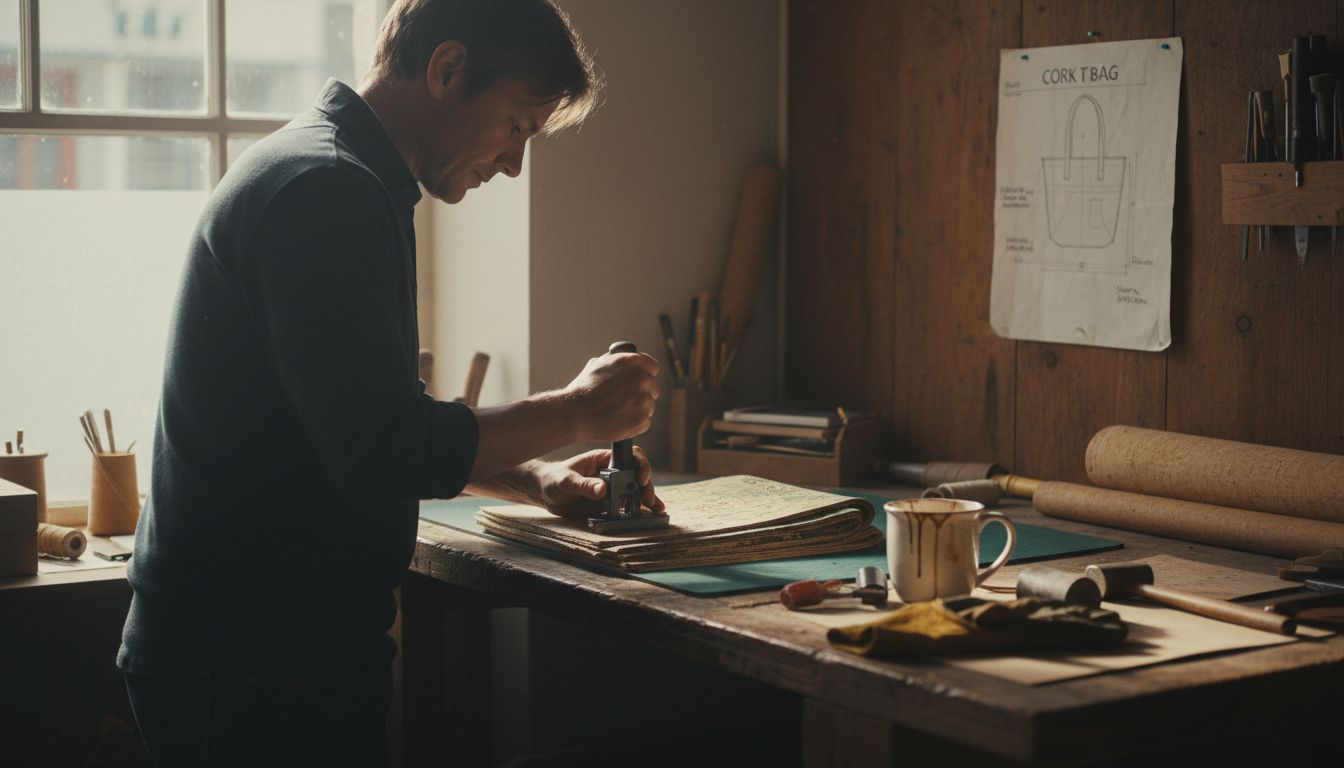
The unique properties of cork make it an exceptional material for fashion. Harvested from cork oak trees without causing harm, this renewable resource supports biodiversity and prevents soil erosion. Its lightweight, water-resistant, and incredibly durable nature makes it an ideal alternative to conventional leather and synthetic materials.
Key advantages of cork accessories include:
- Completely biodegradable and renewable
- Cruelty-free and vegan-friendly
- Hypoallergenic and naturally antimicrobial
- Minimal environmental impact during production
- Unique texture and aesthetic appeal
Sustainable forest management practices ensure that cork production supports rural communities and preserves critical ecological landscapes. The harvesting process, which occurs every 9-10 years, allows cork oak trees to continue absorbing carbon dioxide and supporting local ecosystems.
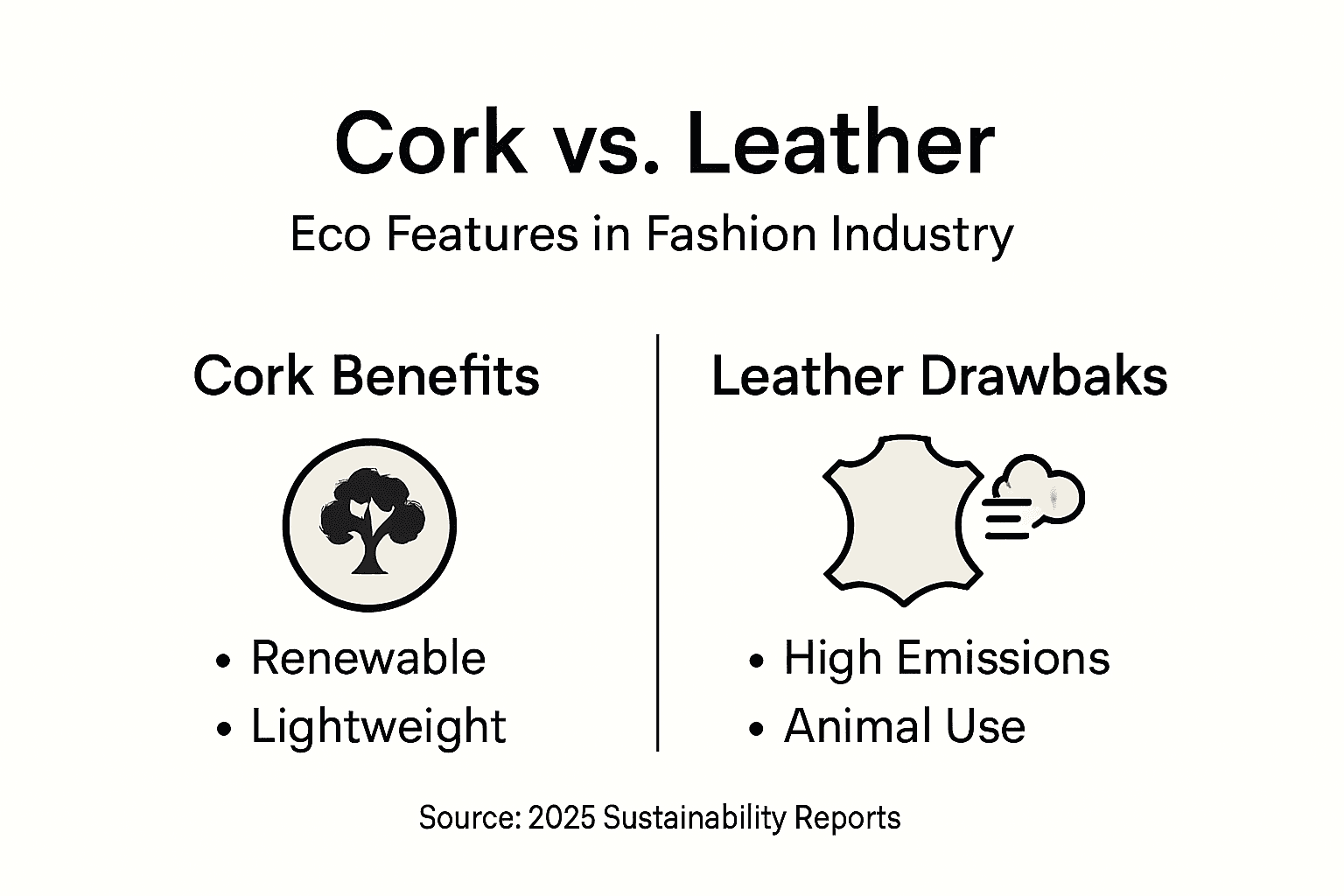
Ethical fashion consumers are increasingly recognising cork as more than just a material—it’s a statement of environmental commitment. The versatility of cork enables its use in handbags, wallets, shoes, and accessories, offering stylish alternatives that don’t compromise on design or sustainability.
Pro tip: When selecting cork accessories, examine the craftsmanship and origin to ensure you’re supporting truly sustainable and ethical production practices.
Transparency, Regulation, and Global Compliance
The sustainable fashion movement is witnessing a transformative shift towards unprecedented regulatory oversight. New global regulations are emerging to address systemic challenges in fashion production, targeting critical issues of environmental responsibility and worker protection.
Regulatory frameworks are increasingly focusing on holding fashion brands accountable for their entire supply chain. These emerging legal standards demand comprehensive transparency, requiring companies to disclose environmental impact, labour practices, and production methodologies in unprecedented detail.
Key elements of global sustainable fashion compliance include:
- Mandatory environmental impact reporting
- Verification of ethical labour practices
- Transparent supply chain documentation
- Minimum sustainability performance standards
- Penalties for greenwashing and non-compliance
International policy frameworks are driving systematic changes across global fashion ecosystems. These initiatives aim to reshape industry practices by encouraging circular economy principles, reducing carbon footprints, and protecting workers’ rights.
The regulatory landscape is becoming increasingly complex, with different regions implementing unique yet interconnected compliance mechanisms. European Union regulations, particularly the Ecodesign for Sustainable Products Regulation, are setting precedents that are gradually influencing global standards.
Pro tip: Research a brand’s sustainability certifications and transparency reports before making purchasing decisions to ensure genuine ethical commitment.
Financial Realities and Common Mistakes
Sustainable fashion demands a nuanced understanding of economic complexities beyond traditional business models. Fast fashion’s economic strategies reveal systemic challenges that undermine genuine sustainability efforts.
Consumers and businesses frequently misunderstand the financial implications of sustainable fashion. The initial investment might appear higher, but long-term economic benefits include reduced waste, improved brand reputation, and increased customer loyalty.
Common financial misconceptions in sustainable fashion include:
- Believing sustainable products are always more expensive
- Underestimating long-term cost savings
- Overlooking potential brand value enhancement
- Ignoring consumer demand for ethical products
- Treating sustainability as a marketing gimmick
Sustainable manufacturing benefits extend beyond environmental considerations. Companies embracing comprehensive sustainability strategies often experience operational efficiencies, reduced resource consumption, and enhanced market positioning.
Financial success in sustainable fashion requires holistic thinking. Brands must move beyond short-term profit calculations and integrate environmental and social considerations into their core business strategies.
Pro tip: Calculate the total lifecycle cost of fashion items, including environmental and social impacts, not just the initial purchase price.
Embrace the Cork Revolution in Sustainable Fashion Today
The article highlights the urgent need to shift away from fast fashion’s environmental and ethical pitfalls towards solutions that truly respect the planet and workers’ rights. One of the most inspiring takeaways is cork’s role as a renewable, cruelty-free, and durable material that embodies the very principles of sustainable fashion. If you want to combat textile waste, reduce carbon emissions, and support ethical production all while enjoying stylish accessories, cork represents a genuine alternative that answers these challenges.
Discover how you can make a powerful impact by choosing eco-friendly accessories crafted from cork. At The Cork Store, explore a curated collection of vegan handbags, wallets, and backpacks that merge sustainability with contemporary style. Start your journey towards responsible fashion by shopping ethical cork products that align with circular economy principles and offer long-lasting quality. Take action now and join the future of sustainable fashion at The Cork Store. For more insights on this eco-conscious journey, see what makes cork a leader in the Sustainable Fashion revolution.
Frequently Asked Questions
What are the environmental benefits of cork as a sustainable material?
Cork is completely biodegradable, renewable, and has minimal environmental impact during production. It supports biodiversity and helps prevent soil erosion, making it an eco-friendly alternative to traditional materials.
How does cork compare to conventional leather in terms of sustainability?
Cork is cruelty-free and vegan-friendly, whereas conventional leather often involves animal cruelty and high resource consumption. Additionally, cork production has a lower carbon footprint and is more environmentally sustainable.
What types of products can be made from cork in the fashion industry?
Cork can be used for a variety of fashion accessories, including handbags, wallets, shoes, and more. Its unique texture and aesthetic appeal make it a stylish option for many products.
How can consumers ensure they are purchasing sustainably produced cork accessories?
Consumers can look for brands that provide transparency about their sourcing and production practices. Checking for sustainability certifications and information regarding ethical production methods is also advisable.
Recommended
- 7 Key Sustainable Fashion Trends 2025 for Eco Shoppers – The Cork Store
- Understanding the Role of Cork in Sustainable Fashion – The Cork Store
- Role of Cork in Eco Fashion: Sustainable Style Unpacked – The Cork Store
- What Is Eco-Friendly Fashion? Complete Overview – The Cork Store
- 7 Duurzame verzendopties voor e-commerce ondernemers – Send with Parcel International