
Sustainable vegan leather that lasts: cork and mycelium beat PU
Sustainable vegan leather exists, but not in the form most labels suggest. The most defensible low-impact options are plant fibre and mycelium-based leathers and mono-material, genuinely recyclable constructions. The catch: plant fibre-based reviews and life-cycle studies both note that most “vegan leather” still relies on plastic backings or binders, which undercuts any biodegradability claim. Cork, harvested without felling trees, sits among the more credible choices on the market.
TL;DR:
- Most plant-fibre and mycelium leathers produce lower greenhouse gases and water use than animal leather, but their environmental benefits are reduced if coated with plastics.
- Cork stands out because it involves no plastic in its base material, is sustainably harvested without harming trees, and resists cracking during long-term use.
- Durability is a key concern, as PU-coated vegan leathers often crack or delaminate within three years, while cork and animal leather last much longer with proper care.
- Recycling or composting options are limited for layered composites with plastic binders, making end-of-life impact critical when evaluating sustainability claims.
- Buyers should look for mono-material, certified recyclable products with clear life-cycle assessments and honest end-of-life guidance to avoid greenwashing.
Table of Contents
- Understanding sustainable vegan leather: the main material types
- How does the environmental impact compare across the life cycle?
- How long do these materials actually last?
- Spotting greenwashing: how to check a sustainability claim
- A practical buying checklist for lower-impact accessories
- Why cork earns its place as a lower-impact vegan leather
- Longevity beats ingredient labels
- Where to find genuinely durable cork accessories
- Sources
- FAQ
Understanding sustainable vegan leather: the main material types
“Vegan leather” is a marketing umbrella covering materials with almost nothing in common at the manufacturing stage. Some are petroleum plastics dressed up to look like hide. Others are genuinely plant-derived. Knowing which is which matters more than the word “vegan” on the swing tag.
- PU (polyurethane) leather: a plastic coating, usually polyester or cotton backed, that mimics leather’s grain. Cheap to produce, widely used, but fossil-derived.
- PVC leather: an older plastic alternative associated with more toxic manufacturing and disposal outcomes than most plant-based options, according to Greenpeace’s analysis of PVC.
- Plant-fibre composites: pineapple leaf (Piñatex), apple pomace, and cactus leather all start as agricultural waste, turning residues that would otherwise rot or burn into usable sheet material, a route the US National Agricultural Library flags as promising for reducing environmental impact and creating income for farming communities.
- Cork: bark is stripped from the cork oak roughly every nine years without harming the tree, then pressed into sheets. No plastic input is required in the base material.
- Mycelium leather: mushroom root structures grown on agricultural substrate, pressed and finished into a leather-like sheet.
Here is the part most shoppers miss: plant-fibre sheets almost always need a polymer binder or a polyurethane topcoat to get the flexibility and strength leather buyers expect. That single design choice decides whether the finished bag is genuinely low-impact or a plastic composite wearing a plant-based label. A mono-material product, made from one substance rather than several bonded layers, can usually be recycled or composted. A composite of plant fibre glued to polyester backing generally cannot.
How does the environmental impact compare across the life cycle?
Plant and mycelium leathers tend to produce fewer greenhouse gas emissions and use less water than both animal leather and fossil-based plastics, though the margin depends heavily on which binder a brand chooses. Peer-reviewed life-cycle analysis backs this pattern, while also warning that polymeric binders and coatings can erase much of that advantage once you factor in end-of-life handling.
Three impact categories decide where a material actually lands:
- Carbon and water: cattle farming for animal leather carries a heavy footprint before tanning even begins, so plant-based inputs generally start from a lower baseline.
- Chemical pollution: PVC in particular is linked to hazardous production and disposal outcomes; PU is milder but still relies on solvents and, in some formulations, restricted substances covered under EU chemical rules.
- Microplastics: any plastic-coated or plastic-backed leather sheds microscopic fibres during use and washing. The European Environment Agency’s analysis of textile microplastics identifies material choice and design for circularity as the two levers that most affect how much plastic ends up in waterways.
The uncomfortable truth is that a material can score well on production emissions and still fail at disposal. A pineapple-leaf bag with a polyurethane backing might beat cow leather on cradle-to-gate carbon and water use, then behave exactly like a plastic product once it reaches a landfill: it won’t compost, and few recycling streams will take a bonded composite. Production impact and end-of-life impact are two separate scorecards, and a lot of marketing only shows you one of them.
How long do these materials actually last?
PU coatings are the weak point of most faux leather. Surface cracking, peeling, and flaking typically show up within one to three years of regular use, especially on bags carried daily or exposed to sunlight and heat. Once the coating separates from its backing, a process called delamination, the item is usually beyond saving. Animal leather, by contrast, often lasts a decade or more with basic conditioning, and cork sits closer to that end of the spectrum thanks to its natural water-resistant surface and resistance to cracking.
- Repair reality: a cracked PU bag is rarely worth fixing. Delaminated coating cannot be reattached, and patching leaves a visible mismatch.
- Cork: minor scuffs buff out, and the material doesn’t crack the way PU does, though a cork item still benefits from proper care to extend its life.
- Mycelium leather: still relatively new to market, with less long-term wear data available than cork or PU.
- End-of-life: mono-material plant fibre or cork can often be composted or mechanically recycled; anything laminated to polyester or coated in polyurethane generally goes to landfill or incineration, whatever the marketing says about “natural” origins.
Pro Tip: Check the seams and edges before buying, not just the surface. A coated composite often shows a slightly plastic sheen at the folds, even when the front panel looks convincingly like leather.
Spotting greenwashing: how to check a sustainability claim
Regulators are getting stricter about vague eco-language, and that gives shoppers a useful checklist. The ACCC’s greenwashing guidelines state plainly that environmental claims need to be backed by clear, specific evidence, not a general impression of “eco-friendliness.”
- Look for a published life-cycle assessment. A brand that has actually measured its footprint will usually reference it, even briefly. Vague claims with no data behind them are a red flag.
- Check whether the product is mono-material. A single-substance construction is far easier to recycle or compost than a bonded composite, and its presence (or absence) tells you more than any slogan.
- Read the end-of-life instructions. If a brand cannot tell you what happens to the product after use, landfill is the default answer.
- Check for chemical compliance. Products sold in the EU should meet REACH restrictions on hazardous substances; a brand that can point to this is showing real transparency.
- Watch for single-ingredient marketing. “Made from apples” or “made from cactus” sounds definitive, but it often describes only the surface layer, not the plastic backing underneath. Bibliometric reviews of plant-fibre leathers note this exact gap between marketed origin and actual composition as an ongoing research and disclosure problem.
A practical buying checklist for lower-impact accessories
Choosing well comes down to a short set of questions, not brand loyalty. Ask what the item is made of layer by layer, not just what the front panel looks like.
- Favour mono-material or certified recyclable constructions over multi-layer composites.
- Look for a documented LCA or third-party verification, not just a claim on the product page.
- Check whether the brand gives honest end-of-life guidance: composting, recycling, or a takeback scheme.
- Weigh cork for structured accessories where durability and low agricultural input matter most, and consider a well-made PU only where flexibility needs to outweigh longevity.
- Confirm there’s a warranty or repair option. A brand willing to fix its own products is signalling confidence in their lifespan.
Pro Tip: A good care routine adds years to almost any accessory. Wiping cork down after rain and avoiding prolonged direct sun exposure keeps the surface from drying out.
Why cork earns its place as a lower-impact vegan leather
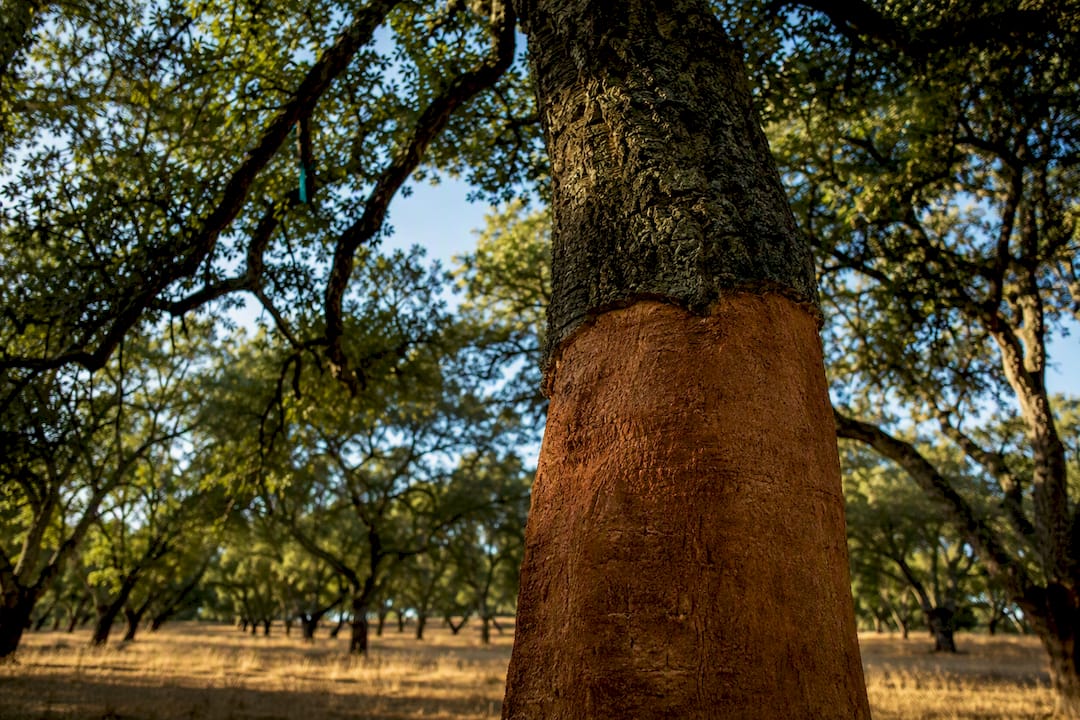
Cork’s sourcing story is genuinely different from most alternatives on this list. Bark is stripped from the cork oak by hand, and the tree regrows its bark and keeps living, often for well over a century, which means no felling and minimal agricultural input beyond time. That renewability is one reason cork keeps showing up in comparisons against animal leather as a credible, low-input alternative.
In practical terms, cork resists scuffing and doesn’t crack the way coated PU does over a few years of daily use, which is why it holds up well in structured goods like wallets, totes, and backpacks. A light wipe with a damp cloth after exposure to moisture, kept out of prolonged direct sun, is most of what it needs.
- Renewable bark harvest with no tree felling
- Naturally water-resistant surface, no plastic coating required
- Resistant to cracking and surface wear over years of use
Aaron and the wider Thecorkstore blog cover more on how cork compares to other vegan leathers for readers who want the fuller picture on sourcing and finishing.
Longevity beats ingredient labels
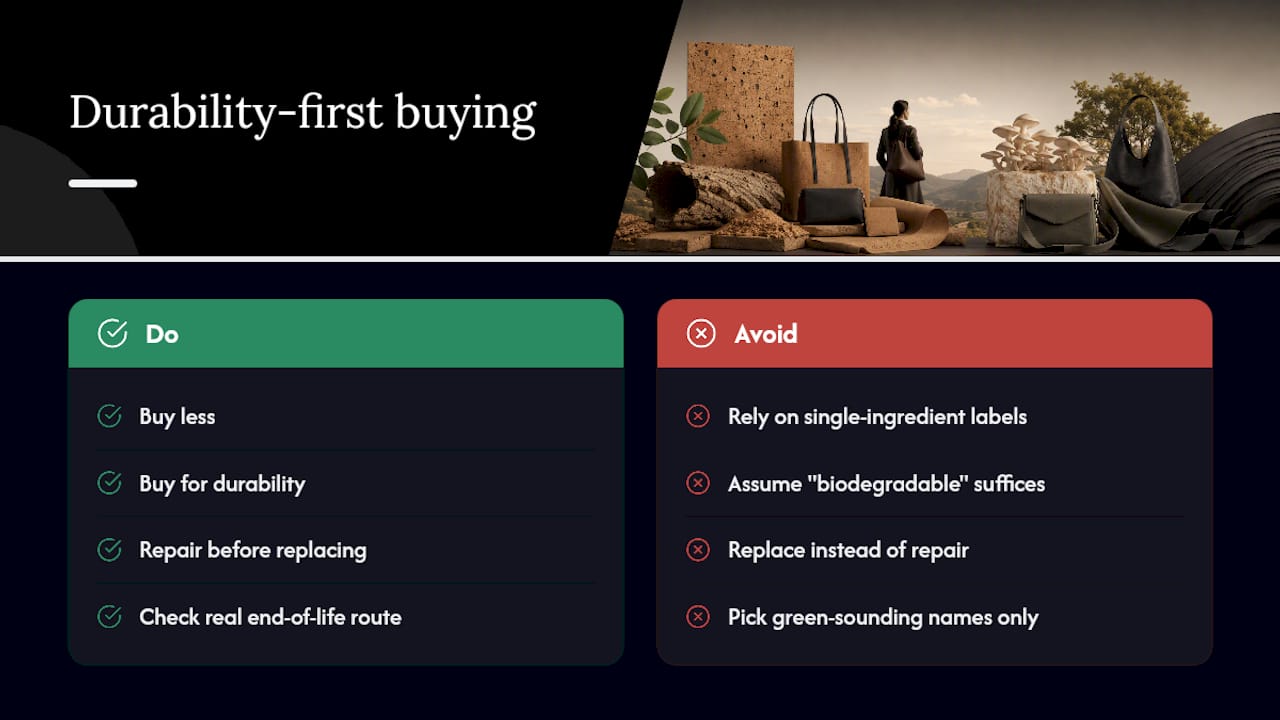
The single ingredient printed on a swing tag tells you almost nothing about lifetime impact. What matters is whether the item survives five years of use, whether it can be repaired when a strap frays, and whether it has a real end-of-life route instead of a vague “biodegradable” claim.
Buy less, buy for durability, and repair before replacing. That habit does more for your footprint than swapping one plastic-backed material for another with a greener-sounding name.
— Aaron
Where to find genuinely durable cork accessories
Thecorkstore is the practical answer to a problem this article keeps returning to: most “vegan leather” trades short-term looks for long-term landfill. Every bag, wallet, and backpack in Thecorkstore’s collection is built from cork rather than a plastic-coated composite, so you’re not gambling on a coating that might crack in a couple of years.
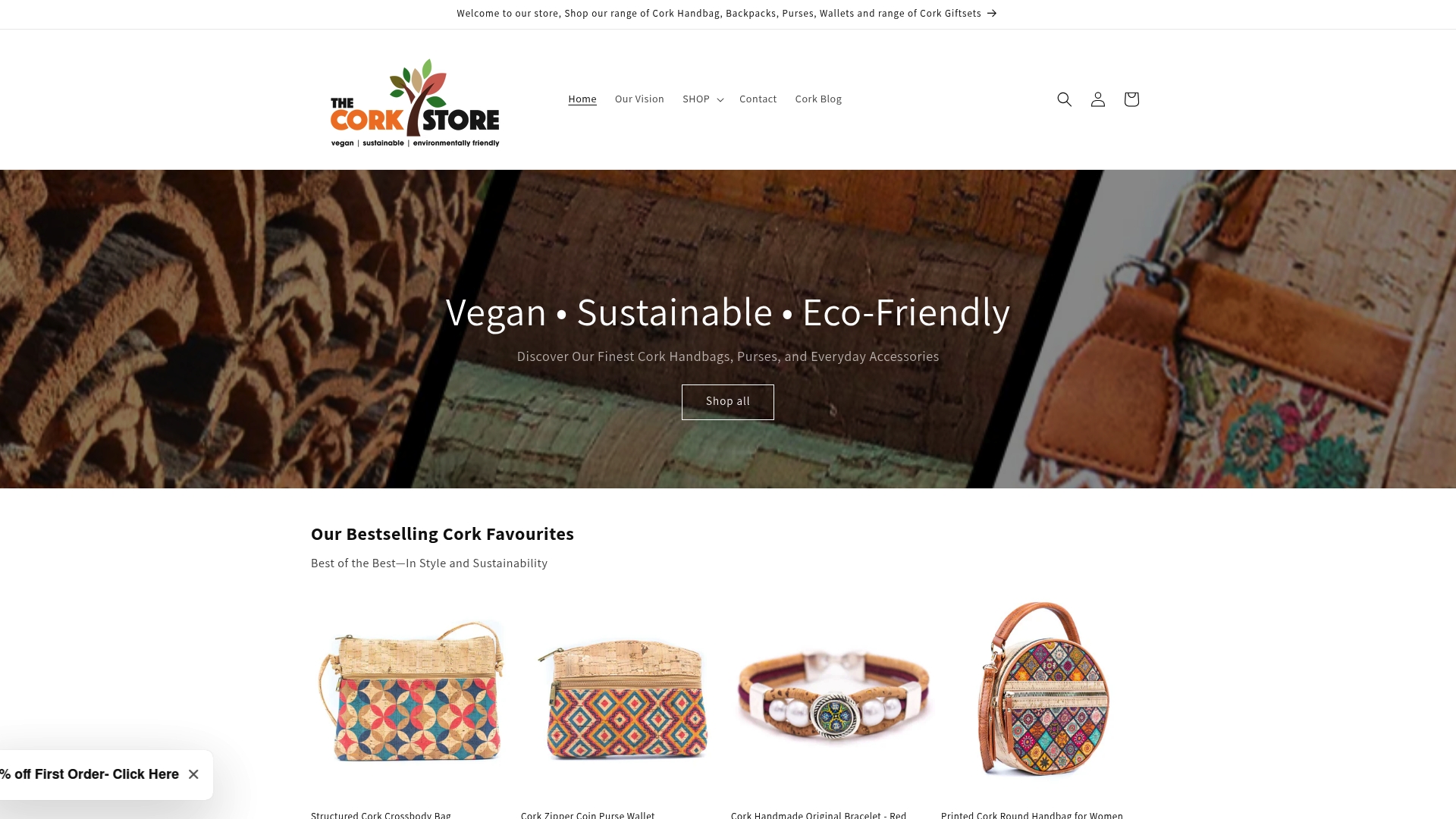
The range covers structured pieces like the Marine Cork Wallet and the compact Cork Small Coin and Card Purse, alongside larger options such as the Cork Drawstring Backpack for anyone who wants durability in a bigger format. Before buying anything, plant-based or otherwise, check the warranty and care instructions on the product page. A proper care routine is what actually determines whether an accessory lasts five years or fifty. Browse the current range and see which piece fits the way you actually use a bag day to day.
Sources
- ACCC greenwashing guidelines
- EEA: Microplastics from textiles — towards a circular economy for textiles in Europe
- Peer-reviewed LCA/Materials science study (DOI)
FAQ
What is the most eco-friendly vegan leather?
Cork and mycelium-based leathers tend to score best, since cork needs no plastic coating and mycelium sheets can be grown with relatively low water and land use. The actual answer still depends on the specific binder and finish each brand uses, since even plant-based sheets can be let down by a plastic topcoat.
Is plant-based leather sustainable?
It can be, but plant origin alone doesn’t guarantee it. Peer-reviewed research shows plant and mycelium leathers can have a meaningfully lower carbon and water footprint than animal leather, though polymeric binders often complicate recycling and biodegradability at end of life.
What is the downside of vegan leather?
The biggest downside is durability: PU coatings commonly crack or delaminate within one to three years, far sooner than good animal leather or cork. Many products also shed microplastics during wear and washing, a concern the EEA has documented across textiles generally.
Is there a vegan leather that isn’t plastic?
Cork is the clearest example, since the finished sheet needs no plastic coating or backing to function as an accessory material. Thecorkstore’s cork range is built entirely around this plastic-free approach, unlike most PU or PVC alternatives on the market.