

Types of ethical handbags: your complete guide
TL;DR:
- Choosing an ethical handbag involves evaluating its materials, production practices, and end-of-life options to ensure true sustainability. Natural, recycled, and responsibly sourced options like cork, plant-based leathers, and upcycled fabrics offer eco-friendly alternatives, but transparency and certification are crucial for authenticity. Prioritize brands that disclose supply chain details and focus on durability, repairability, and minimal environmental impact to avoid greenwashing.
Choosing a handbag that genuinely aligns with your values is harder than it looks. The types of ethical handbags available today span an enormous range of materials, production methods, and sustainability credentials, and not all of them live up to their green claims. Some bags carry eco-friendly marketing but hide plastic-based linings or unverified labour practices. Others are quietly exceptional. This guide breaks down the main categories of ethically made purses, what to look for within each, and how to decide which type suits your priorities best.
Table of Contents
- Key takeaways
- 1. What actually makes a handbag ethical?
- 2. Vegan leather handbags and plant-based innovations
- 3. Handbags made from recycled and upcycled materials
- 4. Naturally sourced materials: cork, raffia, and organic textiles
- 5. Ethical leather handbags: responsible animal leather options
- 6. Comparing types of ethical handbags at a glance
- My honest take on choosing ethical handbags
- Explore ethical handbags and accessories from Thecorkstore
- FAQ
Key takeaways
| Point | Details |
|---|---|
| Not all vegan means ethical | Plant-based and recycled options vary widely in environmental impact; check beyond the label. |
| Cork is a standout natural material | Harvested without harming the tree, cork is renewable, durable, and biodegradable. |
| Ethical leather exists | Responsibly sourced, chrome-free tanned leather can be more sustainable than plastic alternatives. |
| Recycled materials reduce waste significantly | Bags made from recycled fabrics or upcycled scraps prevent landfill without new resource extraction. |
| Transparency is the clearest signal | Brands that publish supply chain information and certifications are the most trustworthy choice. |
1. What actually makes a handbag ethical?
Before exploring specific types, you need a working definition. “Ethical” covers two overlapping concerns: how the bag was made, and what it is made from. Both matter, and a bag can score well on one while failing the other.
Materials: The most credible sustainable handbag options use materials that are either renewable, recycled, or produced with minimal chemical processing. Think plant-based leathers, organic textiles, cork, or post-consumer recycled fabrics. Transparent supply chains and innovative plant-based materials are the clearest signal that a brand is genuinely committed.
Production practices: Fair wages, safe working conditions, and no child labour are non-negotiable. Look for brands that publish their factory locations and audit results. Certifications such as Fair Trade, B Corp, Global Organic Textile Standard (GOTS), and the Leather Working Group offer third-party verification.
Durability and longevity: A bag that lasts ten years is more ethical than one that falls apart in two, regardless of material. Repairability matters here. The most sustainable bag is arguably one you already own, so buying new should focus on longevity and genuine repairability.
End-of-life responsibility: Can the bag be recycled, composted, repaired, or returned through a take-back programme? This is one of the most overlooked factors when comparing eco-friendly purses.
Pro Tip: When evaluating a brand, search for their sustainability report or supply chain page. If it does not exist, that absence tells you something important.
2. Vegan leather handbags and plant-based innovations
Vegan leather is probably the category most people think of first, but it splits into two very different groups. Understanding which you are buying is critical.
Conventional synthetic leather uses polyurethane (PU) or polyvinyl chloride (PVC) as its base. PU is less toxic than PVC but remains a plastic derived from fossil fuels. These materials shed microplastics over time and rarely biodegrade. They are not the worst option available, but they are far from ideal as long-term sustainable handbag options.
Innovative plant-based leathers are where the category genuinely excites. Apple, pineapple, and cactus leather now offer textures comparable to animal leather without the animal or plastic costs. Piñatex, made from pineapple leaf fibres, was one of the first commercially available options and remains popular for structured bags and clutches. Mycelium leather, grown from mushroom roots, has entered the market through collaborations with major fashion houses. Some advanced vegan alternatives can have up to 24 times lower environmental impact than traditional animal leather.
These plant-based options are strong candidates for the top eco-friendly purses list, particularly for buyers who want animal-free products without contributing to plastic pollution. For a deeper look at these materials, the guide to choosing vegan handbags at Thecorkstore is worth your time.
Durability note: Many plant-based leathers are still relatively new, so long-term wear data is limited. Look for brands that back their products with repair services.
3. Handbags made from recycled and upcycled materials
This category takes materials that already exist and gives them a second life, which is one of the most resource-efficient approaches in fashion.
Recycled materials commonly used in eco handbags for fashionistas include:
- Recycled nylon and polyester from plastic bottles or ocean waste
- Deadstock canvas and woven fabrics from fashion industry surplus
- Reclaimed seatbelts and industrial materials used for structured designs
- Post-consumer recycled cotton and denim
Luxury canvas bags, for example, can contain at least 70% recycled fibres, making them a credible option for anyone prioritising waste reduction.
Upcycled bags go one step further. Upcycled handbags using deadstock leather and factory scraps prevent waste entirely and require no new raw material extraction. Some independent makers and small brands build their entire collections from offcuts that would otherwise go to landfill.
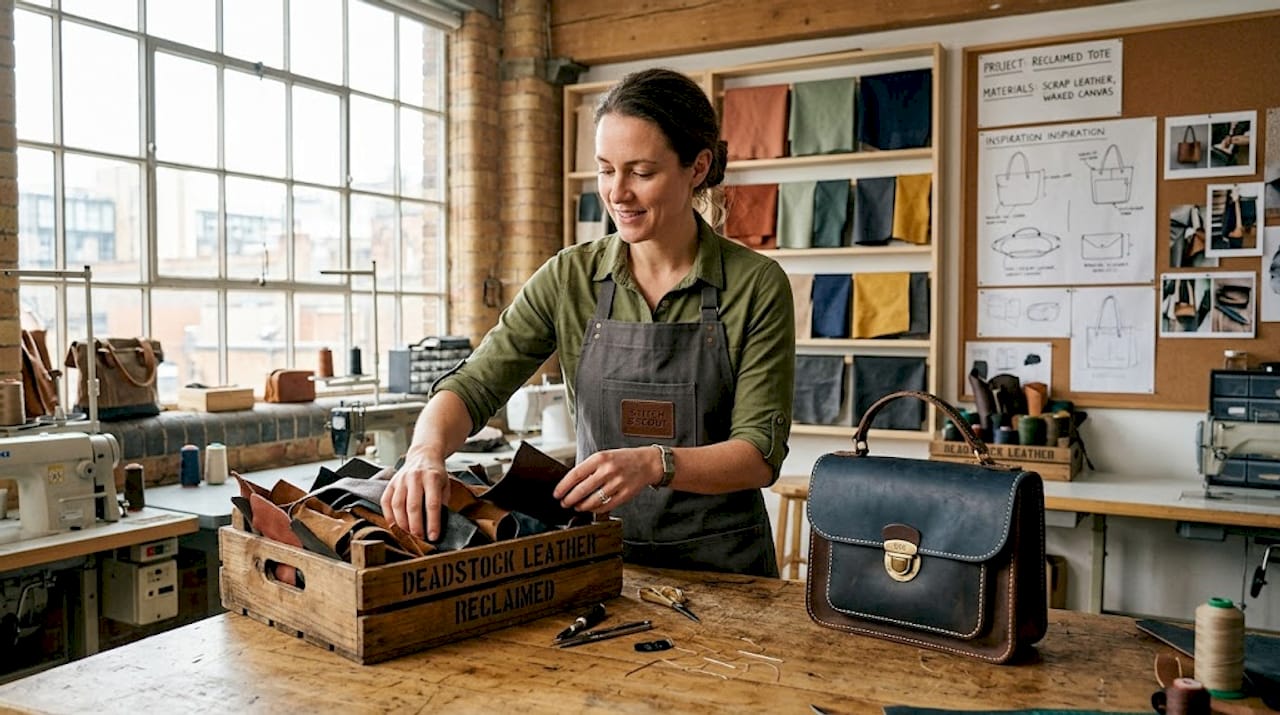
The mixed materials problem is worth flagging. A bag combining recycled nylon with virgin plastic hardware, synthetic lining, and metal zips is difficult to recycle as a whole item. Mixed materials hinder recyclability, so prefer brands that offer take-back or repair programmes to stop bags entering landfill at the end of their life.
Pro Tip: Ask a brand directly whether they offer repairs or take-back. A brand confident in the quality of its product will say yes without hesitation.
For concrete examples, the Thecorkstore blog rounds up examples of sustainable handbags using high-recycled-content fabrics that are worth exploring.
4. Naturally sourced materials: cork, raffia, and organic textiles
Natural materials offer something neither plant-based leather nor recycled synthetics fully achieve: genuine biodegradability combined with a low-impact harvest process.
Cork is the standout example. Cork bark is harvested without felling the tree, the bark regrows, and Portuguese artisans have been practising this sustainably for centuries. Cork is waterproof, scratch-resistant, lightweight, and fully biodegradable. It has a distinctive texture that works beautifully for totes, crossbody bags, and purses. For eco-conscious buyers who want something that performs like leather and looks like no other material, cork is arguably the must-have sustainable bag material of the moment.
Other natural fibres used in ethically made purses include:
| Material | Key benefit | Consideration |
|---|---|---|
| Raffia | Naturally renewable, biodegradable | Best suited to warm-weather or casual styles |
| Organic cotton canvas | GOTS-certified, widely available | Requires more water than cork to produce |
| Hemp | Low-input crop, highly durable | Can feel stiff; improves with use |
| Jute | Extremely fast-growing, compostable | Less water-resistant than cork or treated canvas |
All of these materials improve their credentials when processed without synthetic dyes or chemical finishes. Look for GOTS or OEKO-TEX certification when buying organic textile bags.
Styling and maintenance: Natural fibre bags often develop a patina over time that adds to their character. Cork bags can be wiped clean with a damp cloth, which makes them surprisingly practical for everyday use.
5. Ethical leather handbags: responsible animal leather options
This is the category that surprises people most, especially those who assume all animal leather is automatically less ethical than vegan alternatives.
Sustainable leather is not a contradiction when it is sourced as a by-product of the food industry and tanned without toxic chemicals. The environmental case against leather usually centres on intensive animal agriculture and chromium-based tanning. Responsible leather sidesteps both.
What to look for in ethical leather:
- By-product sourcing: the hide is a secondary material from meat or dairy production, not the primary reason an animal is farmed
- Vegetable tanning or aldehyde-free processing, which avoids chromium and formaldehyde
- Leather Working Group certification, which audits environmental performance at tanneries
- Transparency about which farms and tanneries are used
Why leather can outperform plastic alternatives: Animal leather, when properly cared for, lasts decades. It is biodegradable at end of life, unlike PU or PVC. A well-made leather bag bought once and kept for twenty years has a very different environmental footprint from two or three synthetic bags replaced over the same period.
This does not make leather universally ethical. Factory farming and unregulated tanning remain serious problems across much of the industry. But dismissing all leather as unsustainable ignores the nuance that genuinely responsible production is possible.
6. Comparing types of ethical handbags at a glance
| Type | Main benefit | Main drawback | Best for |
|---|---|---|---|
| Plant-based vegan leather | Animal-free, innovative materials | Durability data still emerging | Vegan buyers wanting leather aesthetics |
| PU/PVC synthetic leather | Widely available, affordable | Plastic-based, microplastic shedding | Budget buyers; not truly sustainable |
| Recycled and upcycled | Diverts waste, no new resources | Mixed materials complicate recycling | Environmentally focused buyers |
| Cork | Renewable, biodegradable, durable | Niche availability | Style-conscious eco buyers |
| Organic natural fibres | Fully natural, low-impact | Variable water resistance | Casual or warm-climate use |
| Responsibly sourced leather | Exceptionally durable, biodegradable | Animal product; tanning practices vary | Buyers prioritising longevity |
This table simplifies for clarity. In practice, the most ethical handbag for you depends on which values you weight most: animal welfare, carbon footprint, durability, or end-of-life impact. There is no universally correct answer, which is why understanding each category matters.
My honest take on choosing ethical handbags
I’ve spent years looking at the ethical fashion space and I’ll be direct: the category is riddled with greenwashing, and it catches out even well-intentioned buyers. My own journey started when I bought what I thought was a responsible vegan bag, only to discover it was PVC with a synthetic lining and no repair option. It landed in landfill within three years.
What I’ve learned since is that transparency is the single most reliable signal. Brands that genuinely operate ethically tend to overshare. They publish tannery names, factory audit reports, and material data sheets. Brands that do not tend to rely on broad claims like “eco-friendly” or “sustainable materials” without specifics.
The other thing I’ve changed my mind on is ethical leather. I used to assume vegan automatically meant better. It does not. A chrome-free vegetable-tanned leather bag made by a fairly paid artisan and kept for fifteen years is more defensible environmentally than a plant-based bag with a plastic backing that disintegrates in four.
My practical recommendation: prioritise understanding what makes a bag sustainable before you focus on any single material. Then buy the best quality you can afford within your chosen category. Buy less, choose better, and look for brands that offer repairs.
— Aaron
Explore ethical handbags and accessories from Thecorkstore
If you are ready to put this knowledge into practice, Thecorkstore is a great place to start. Their collection focuses on cork-based accessories crafted to cruelty-free, vegan standards, with genuine sustainability credentials behind every product.
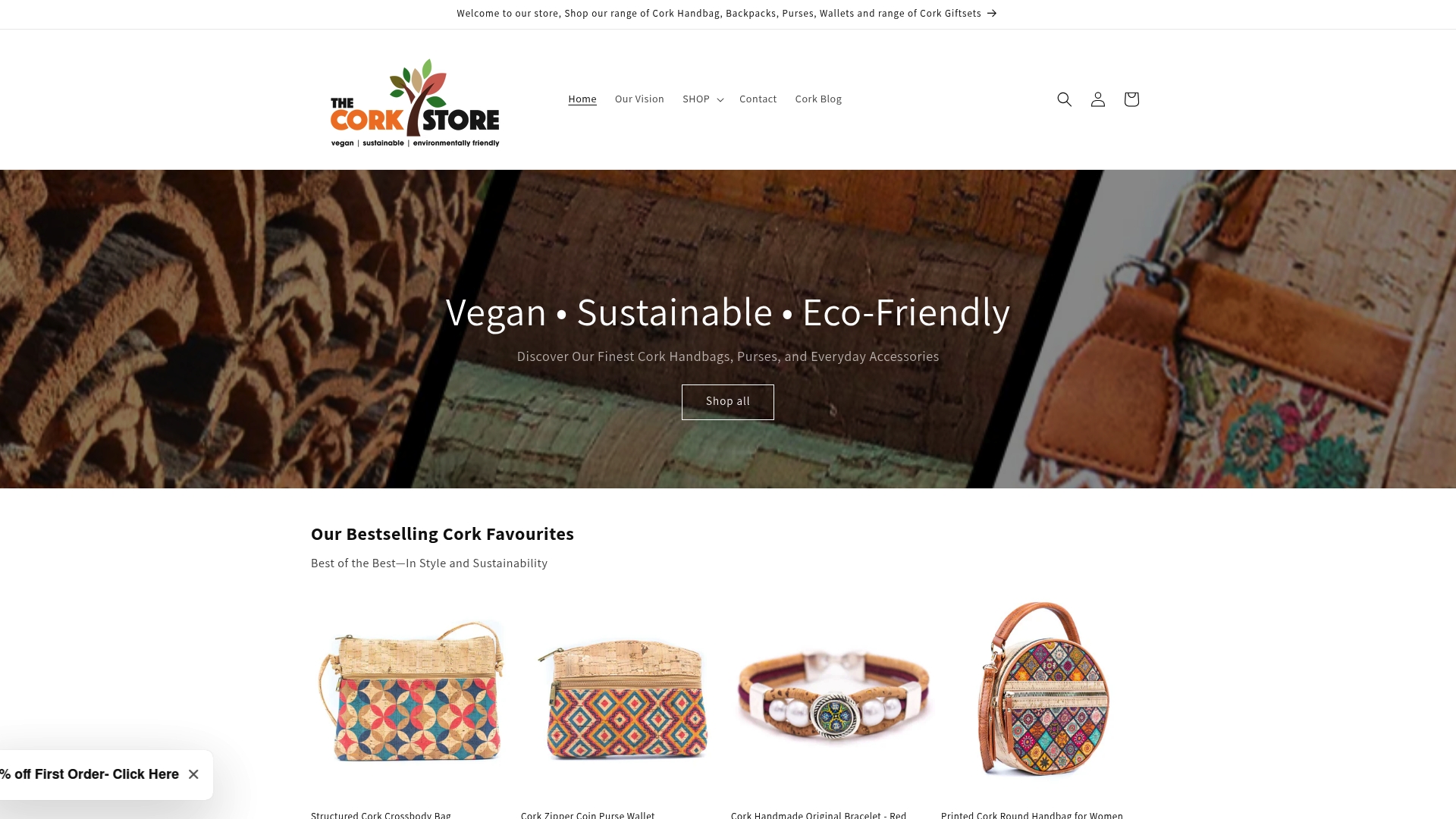
Whether you are browsing for yourself or looking for thoughtful gifts, the cork gift collection includes handbags, purses, wallets, and backpacks that demonstrate what ethical accessories can look like when material integrity and style are both taken seriously. The cork wallet gift set is a particularly popular starting point for those new to cork as a material. Every product ships in eco-friendly packaging, and the brand’s commitment to fair production practices is woven through everything they make. Browse the full range at thecorkstore.co.uk.
FAQ
What are the main types of ethical handbags?
The main types include plant-based vegan leather bags, recycled and upcycled material bags, naturally sourced material bags such as cork or organic cotton, and responsibly sourced leather bags. Each type has distinct sustainability credentials and trade-offs.
Is vegan leather always the most ethical choice?
Not necessarily. Conventional PU and PVC vegan leathers are plastic-based and shed microplastics. Plant-based alternatives like apple or pineapple leather are more ethical, but responsibly sourced animal leather tanned without toxic chemicals can also be a defensible, durable choice.
What certifications should I look for on ethically made purses?
Look for Fair Trade, B Corp, GOTS (Global Organic Textile Standard), OEKO-TEX, and Leather Working Group certifications. These provide third-party verification of environmental and labour standards.
Why is cork considered a top eco-friendly purse material?
Cork bark is harvested without cutting down the tree, regrows naturally, and is fully biodegradable. It is also waterproof, lightweight, and durable, making it one of the most genuinely sustainable handbag materials available.
How do I avoid greenwashing when buying sustainable handbag options?
Look for specific material sourcing information, named certifications, and published supply chain data. Vague claims like “eco-friendly” or “sustainable” without supporting detail are a warning sign.