

What Is an Eco Purse? Style With a Conscience
Over 270 million handbags are sold every year, yet most still use materials and supply chains that harm people and the planet. Many british millennials are rethinking fashion’s impact, demanding accessories that align with their values for style and sustainability. This guide breaks down what eco purses truly mean, how to spot real ethical design, and why cruelty-free options made from innovative materials matter for our cities and communities.
Table of Contents
- Eco Purses Defined: Foundations And Misconceptions
- Types Of Eco Purses: Materials And Styles
- How Eco Purses Are Made Sustainably
- Eco Purse Benefits For People And Planet
- Comparing Eco Purses To Leather Alternatives
Key Takeaways
| Point | Details |
|---|---|
| Eco Purses Are Environmentally Conscious | Eco purses integrate sustainability throughout their lifecycle, prioritising renewable materials and ethical manufacturing processes. |
| Misconceptions Persist | Consumers must look beyond superficial marketing claims and assess the authenticity of eco-friendly products through transparency and certifications. |
| Diverse Materials and Styles | Eco purses are made from varied sustainable materials, offering both aesthetic appeal and durability, while challenging traditional fashion norms. |
| Significant Social and Environmental Benefits | Choosing eco purses supports ethical production practices, reduces pollution, and fosters a connection to broader environmental movements. |
Eco Purses Defined: Foundations and Misconceptions
Eco purses represent more than just a fashion statement - they embody a conscious approach to accessory design that minimises environmental impact. Ecolabels provide critical guidance in understanding what constitutes an authentically eco-friendly product, highlighting the nuanced criteria beyond simple marketing claims.
At their core, eco purses are crafted with deliberate consideration for environmental sustainability throughout their entire lifecycle. This means examining materials, manufacturing processes, durability, and end-of-life disposal potential. Unlike traditional handbags that prioritise aesthetic appeal, eco purses integrate environmental responsibility into every design choice - from sourcing renewable materials like cork and recycled plastics to ensuring minimal waste during production.
Misconceptions about eco purses often stem from incomplete consumer understanding and strategic marketing tactics. Transparent life cycle assessments reveal that true eco-friendly accessories require comprehensive evaluation beyond superficial green branding. Consumers must look beyond flashy labels and investigate fundamental aspects like material sourcing, carbon footprint, worker conditions, and potential for recycling or biodegradation.
Pro tip: When evaluating an eco purse, research the brand’s full sustainability report and look for third-party certifications that validate their environmental claims.
Types of Eco Purses: Materials and Styles
Eco purses have evolved far beyond traditional accessory design, offering a diverse range of materials and styles that challenge conventional fashion norms. Sustainable packaging principles guide manufacturers in selecting innovative materials that minimise environmental impact while delivering stylish, functional accessories.
The material landscape for eco purses is remarkably varied, encompassing cutting-edge alternatives to traditional leather. Plant-based fibres like cork, organic cotton, and pineapple leather (Piñatex) provide sustainable options, while recycled materials such as reclaimed polyester from plastic bottles and upcycled industrial textiles create unique, environmentally responsible designs. These materials not only reduce waste but also demonstrate remarkable durability and aesthetic versatility.
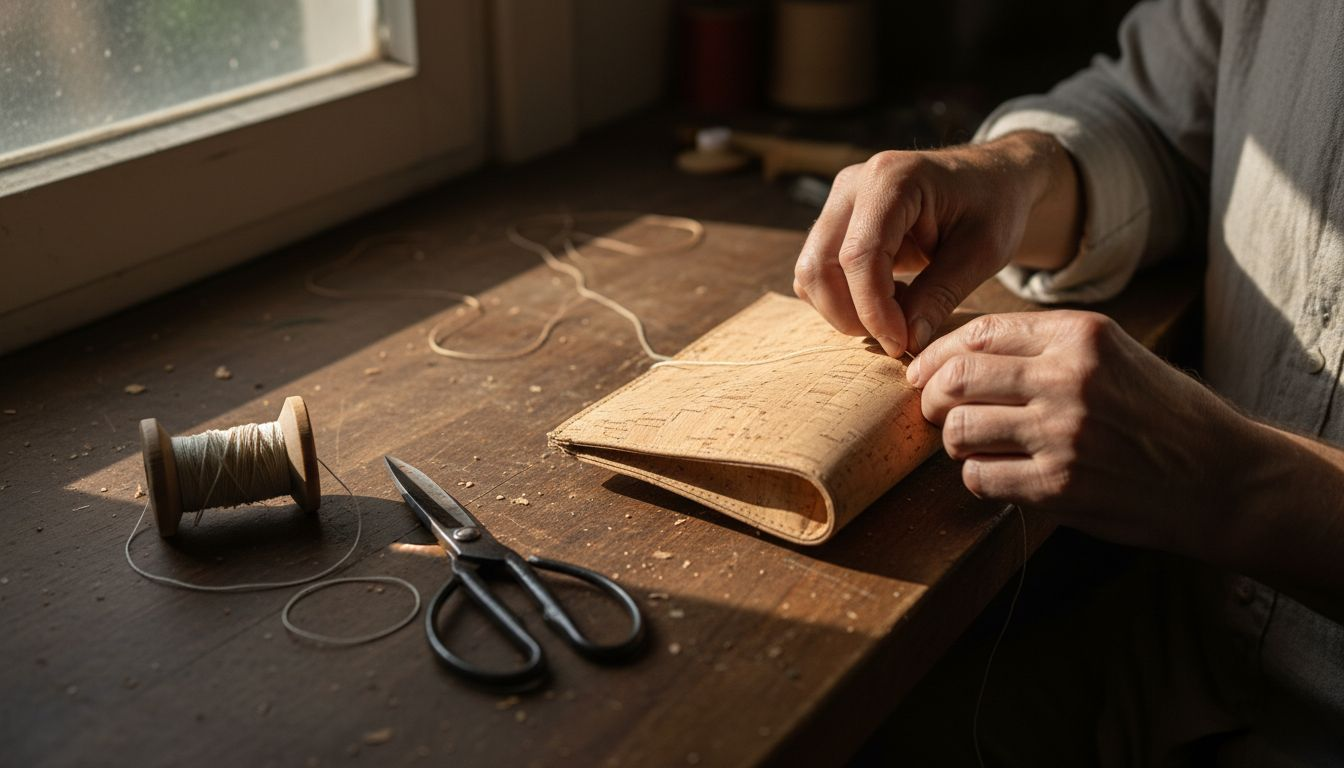
Styles range from minimalist urban totes to elegant evening clutches, proving that sustainability need not compromise sophistication. Eco-friendly material specifications highlight the importance of lightweight, recyclable, and biodegradable components. Contemporary eco purse designers are pioneering techniques that blend environmental consciousness with high-fashion sensibilities, offering consumers accessories that make a statement both stylistically and ethically.
Pro tip: When shopping for an eco purse, examine the material composition and look for transparent information about its environmental credentials and production process.
Here’s a concise overview of popular eco purse materials and their unique characteristics:
| Material Type | Main Source | Key Environmental Benefit | Notable Style Trait |
|---|---|---|---|
| Cork | Cork oak bark | Renewable, biodegradable resource | Naturally textured finish |
| Recycled Polyester | Plastic bottles | Reduces landfill waste, reuses PET | High durability, smooth look |
| Pineapple Leather | Pineapple leaves | Utilises agricultural by-product | Leather-like, vegan friendly |
| Organic Cotton | Cotton plants | Fewer chemicals, less water | Soft, versatile appearance |
| Upcycled Textiles | Industrial surplus | Diverts surplus from waste streams | Unique patterns, limited runs |
How Eco Purses Are Made Sustainably
Sustainable manufacturing transforms traditional accessory production into an environmentally conscious process that prioritises both design and planetary health. Sustainable manufacturing techniques revolutionise how eco purses are created, focusing on minimising negative environmental impacts while maintaining exceptional product quality.
The production of eco purses involves a meticulous approach to material selection and manufacturing processes. Renewable materials like cork, organic cotton, and recycled polyester form the foundation, while innovative techniques such as waterless processing and closed-loop recycling systems dramatically reduce waste. Manufacturers carefully evaluate each production stage, from raw material sourcing to final assembly, ensuring that every step meets rigorous environmental standards.
Ethical production extends beyond material choices to encompass labour practices and energy consumption. Life cycle assessment tools enable designers to track and minimise the environmental footprint of each purse, from initial conception through to potential recycling or biodegradation. This holistic approach means that eco purses are not just accessories, but statements of environmental responsibility and conscious consumer choice.
Pro tip: Request detailed sustainability documentation from manufacturers to understand the true environmental impact of your eco purse.
Eco Purse Benefits for People and Planet
Eco purses represent far more than a fashion statement - they are powerful tools for environmental conservation and personal empowerment. Reducing toxic exposures and pollution through conscious consumer choices transforms individual purchasing decisions into meaningful environmental action, creating a ripple effect of positive change.
The environmental benefits of eco purses extend well beyond their immediate production. Sustainable materials like recycled plastics, organic fibres, and innovative plant-based textiles dramatically reduce greenhouse gas emissions, conserve natural resources, and minimise waste generation. By choosing accessories that prioritise ecological integrity, consumers directly contribute to protecting ecosystems, reducing industrial pollution, and supporting more responsible manufacturing practices that respect planetary boundaries.
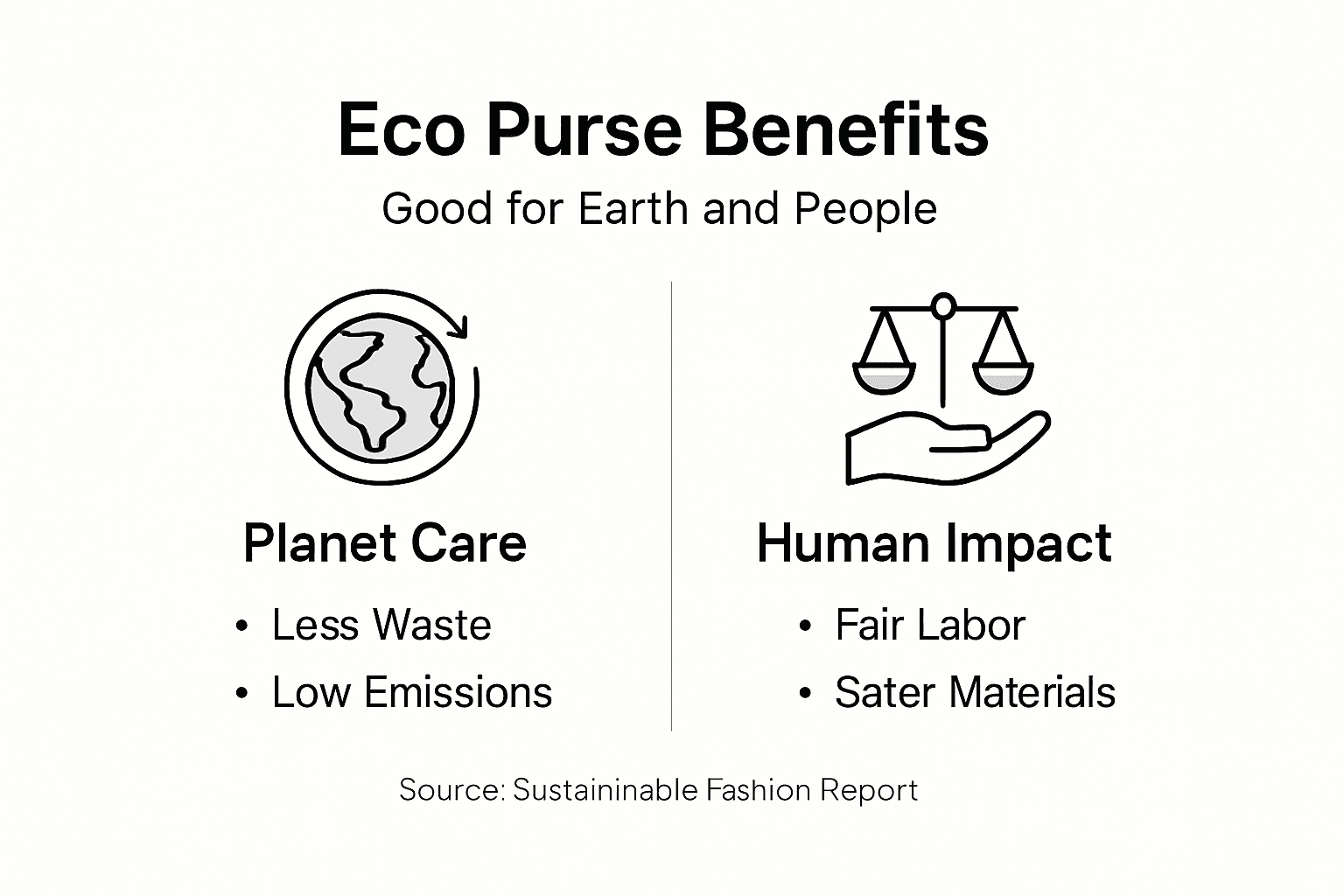
Beyond environmental impact, eco purses create significant social benefits by championing ethical production practices and supporting sustainable economic models. Ocean conservation goals are advanced through these conscientious choices, as manufacturers increasingly adopt practices that protect marine environments and reduce harmful chemical usage. These accessories become statements of personal values, connecting individual consumers with broader movements towards environmental stewardship and responsible consumption.
Pro tip: Research the specific sustainability credentials of each eco purse, looking beyond marketing claims to understand the genuine environmental and social impact of your purchase.
Comparing Eco Purses to Leather Alternatives
Traditional leather purses have long dominated the fashion accessory market, but eco purses are rapidly transforming consumer expectations by offering sophisticated, sustainable material alternatives that challenge conventional design paradigms. These innovative accessories demonstrate that environmental responsibility need not compromise aesthetic appeal or functional quality.
Material differences are stark when comparing traditional leather to eco purse alternatives. Conventional leather production involves resource-intensive processes that include significant water consumption, chemical treatments, and substantial carbon emissions from animal agriculture. In contrast, eco purses utilise innovative materials like cork, recycled polyester, pineapple leather (Piñatex), and other plant-based textiles that dramatically reduce environmental impact while maintaining durability and visual sophistication.
Ethical production standards further distinguish eco purses from traditional leather accessories. While conventional leather often involves complex global supply chains with questionable labour practices, eco purses prioritise transparent manufacturing, fair worker conditions, and minimal ecological disruption. These alternatives not only reduce environmental harm but also represent a more holistic approach to fashion that considers social responsibility alongside aesthetic and functional requirements.
Pro tip: Compare the full lifecycle environmental credentials of different materials, not just their surface appearance, when selecting an eco-friendly purse.
The following table highlights key differences between eco purses and traditional leather purses:
| Feature | Eco Purses | Traditional Leather Purses |
|---|---|---|
| Material Sourcing | Plant-based, recycled, or upcycled fibres | Animal hides, resource-intensive |
| Environmental Impact | Lower emissions, minimal water and chemicals | High carbon footprint, chemical use |
| Ethical Considerations | Transparent supply chain, fair labour practices | Often lacks transparency |
| End-of-Life Options | Recyclable or biodegradable materials | Challenging to recycle, slow to degrade |
Discover Stylish Eco Purses That Align With Your Values
The challenge of finding truly sustainable accessories is real — many products claim eco-friendliness without delivering full transparency or genuine environmental benefits. If you are seeking durable vegan purses crafted with renewable materials that reflect the principles of ethical production and low environmental impact discussed in the article, then exploring cork accessories is an excellent next step. Cork is a renewable resource that embodies the qualities highlighted such as biodegradability, stylish versatility, and a lower carbon footprint.
Browse a curated selection of eco-friendly purses, handbags, and wallets made entirely from cork on The Cork Store. Each piece offers cruelty-free style with verified sustainability in mind, providing a conscious alternative to traditional leather options. Take action now to embrace fashion with integrity and reduce your ecological footprint. Start your journey towards ethical fashion today by visiting our collection of vegan cork purses. Elevate your style while making a positive impact on the planet.
Frequently Asked Questions
What materials are commonly used to make eco purses?
Eco purses are often made from sustainable materials such as cork, organic cotton, pineapple leather (Piñatex), recycled polyester, and upcycled textiles. These materials reduce waste and environmental impact while providing durability and aesthetic appeal.
How do eco purses compare to traditional leather bags?
Eco purses typically have a lower environmental impact than traditional leather bags, as they are made from plant-based, recycled, or upcycled materials. Traditional leather production is resource-intensive and often involves harmful chemicals and high carbon emissions, whereas eco purses prioritise sustainability and ethical production practices.
What are the key benefits of using an eco purse?
Using an eco purse contributes to environmental conservation by reducing greenhouse gas emissions, conserving natural resources, and encouraging ethical manufacturing practices. They also promote conscious consumer choices that connect individual values with broader movements for sustainability.
How can I evaluate the sustainability of an eco purse?
To evaluate the sustainability of an eco purse, consumers should research the brand’s sustainability report, consider third-party certifications, and examine the material composition and manufacturing processes used. This information is crucial for understanding the true environmental and social impact of the accessory.