

Sustainable Backpacks Explained: Eco-Friendly Choices
Over 60 percent of british consumers want products that respect both people and planet, yet not all backpacks measure up to these standards. As more shoppers demand eco-friendly and ethical choices, understanding what truly defines a sustainable backpack becomes essential. This guide breaks down the specific features, materials, and practices that distinguish responsible backpacks from ordinary ones, helping you make informed decisions that fit both your values and daily life.
Table of Contents
- What Defines A Sustainable Backpack
- Materials Used In Eco-Friendly Backpacks
- Key Features Of Sustainable Backpacks
- Ethical Manufacturing And Supply Chains
- Comparing Sustainable And Conventional Backpacks
Key Takeaways
| Point | Details |
|---|---|
| Sustainable Backpacks Prioritise Ethics | They are designed with eco-friendly materials and adhere to ethical manufacturing practices, ensuring minimal environmental impact and fair wages for workers. |
| Durability and Repairability are Key Features | Sustainable backpacks are built to last and can be easily repaired, reducing the need for frequent replacements and promoting a circular economy. |
| Transparent Supply Chains Enhance Trust | Clear documentation of sourcing and production processes allows consumers to make informed choices, fostering trust in sustainable brands. |
| Choosing Sustainability Reflects Consumer Values | Opting for sustainable backpacks signifies a commitment to environmental responsibility and responsible consumption without sacrificing style or functionality. |
What Defines a Sustainable Backpack
Sustainable backpacks represent a revolutionary approach to accessory design, prioritising environmental responsibility and ethical production. Unlike traditional bags manufactured without consideration for ecological impact, these innovative accessories are crafted through a holistic lens that considers every stage of production. Sustainable backpacks go beyond mere functionality, embodying a commitment to reducing environmental footprint while delivering high-performance design.
The core characteristics of a sustainable backpack involve multiple interconnected elements. Eco-friendly materials form the foundation, with manufacturers selecting renewable, recycled, or low-impact resources that minimise strain on natural ecosystems. These materials might include organic cotton, recycled polyester, hemp, or innovative plant-based alternatives like cork, which offer durability without compromising environmental integrity. Ethical manufacturing practices are equally crucial, ensuring workers receive fair wages and operate in safe conditions throughout the production process.
Key defining features of sustainable backpacks include:
- Durability: Designed to withstand extended use, reducing replacement frequency
- Repairability: Constructed with modular components that can be easily fixed or replaced
- Minimal waste production: Manufacturing processes that generate limited environmental waste
- Transparent supply chains: Clear documentation about material sourcing and production methods
- Low carbon footprint: Reduced greenhouse gas emissions during manufacturing
Beyond material selection, sustainable backpacks represent a profound statement about consumer values. Choosing cork backpacks demonstrates a commitment to environmental stewardship, supporting brands that prioritise planet-friendly design. These accessories prove that responsible consumption need not compromise style or functionality, offering consumers a meaningful way to reduce their ecological impact through everyday purchasing decisions.
Materials Used in Eco-Friendly Backpacks
The world of sustainable backpack materials represents a fascinating intersection of innovation, environmental consciousness, and cutting-edge textile engineering. Modern eco-friendly backpack designers are pushing boundaries by selecting materials that minimise ecological impact while delivering exceptional performance. Sustainable material choices now encompass an impressive range of alternatives that challenge traditional manufacturing approaches.
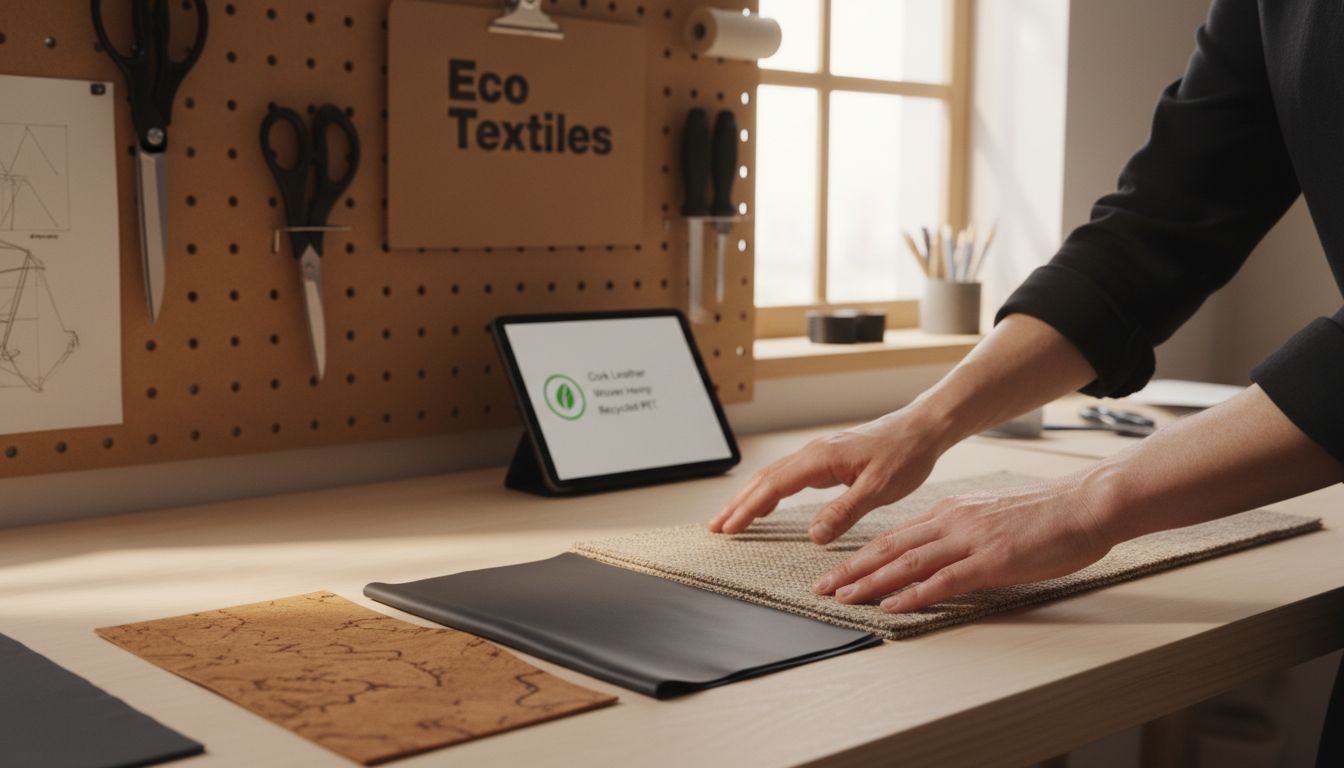
Several groundbreaking materials have emerged as frontrunners in sustainable backpack production. Innovative textile technologies are transforming waste products into high-quality fabrics, with options like recycled plastic (rPET), organic cotton, and hemp fabric leading the charge. Recycled plastic bottles can be transformed into durable polyester, offering a second life to materials that would otherwise pollute landfills. Organic cotton provides a chemical-free alternative to conventional cotton, reducing water consumption and eliminating harmful pesticide use.
Key sustainable backpack materials include:
- Recycled PET (rPET): Converted from plastic bottles into strong, lightweight fabric
- Organic Cotton: Grown without synthetic pesticides or fertilisers
- Hemp Fabric: Requires minimal water and no pesticides during cultivation
- Cork Leather: Renewable material harvested without damaging cork oak trees
- Piatex: Innovative leather alternative made from pineapple leaf fibres
Beyond material selection, the true value of these sustainable textiles lies in their holistic environmental impact. By choosing backpacks crafted from these innovative materials, consumers actively participate in reducing waste, supporting ethical manufacturing, and promoting a circular economy that prioritises planetary health over short-term convenience.
Key Features of Sustainable Backpacks
Sustainable backpacks represent a sophisticated approach to design that transcends traditional accessory manufacturing. These innovative products are engineered with a holistic vision that prioritises environmental responsibility, durability, and ethical production. Spotting sustainable fashion requires understanding the nuanced features that distinguish these exceptional accessories from conventional alternatives.
The fundamental characteristics of sustainable backpacks centre on three primary dimensions: material selection, manufacturing processes, and long-term functionality. Natural organic materials like hemp provide exceptional durability and UV resistance, creating products that withstand extensive use while minimising environmental impact. Ethical manufacturing practices ensure fair labour conditions and transparent supply chains, allowing consumers to make informed choices about their purchases.
Key defining features of sustainable backpacks include:
- Durability: Constructed to endure multiple years of regular use
- Repairability: Designed with modular components that can be easily replaced
- Minimal Environmental Impact: Production processes that reduce carbon emissions
- Ethical Manufacturing: Fair wages and safe working conditions for all workers
- Versatile Design: Adaptable to multiple lifestyle and professional contexts
Beyond technical specifications, sustainable backpacks embody a profound commitment to responsible consumption. By choosing vegan bag alternatives, consumers actively participate in reducing waste, supporting ethical production, and promoting a more conscious approach to fashion and accessory selection.
Ethical Manufacturing and Supply Chains
Ethical manufacturing represents the cornerstone of truly sustainable backpack production, transforming accessories from mere consumer goods into powerful statements of social responsibility. Corporate social responsibility goes far beyond superficial marketing claims, demanding comprehensive transparency and genuine commitment to worker welfare and environmental stewardship.
The complexity of ethical manufacturing involves multiple interconnected dimensions. Sustainable fashion practices require brands to meticulously track and verify every stage of production, ensuring fair wages, safe working conditions, and minimal environmental impact. Certifications like Fair Trade and Global Organic Textile Standard (GOTS) provide critical external validation, offering consumers tangible evidence of a brand’s ethical commitments.
Key elements of ethical manufacturing include:
- Transparent Supply Chains: Complete visibility from raw material sourcing to final product
- Fair Labour Practices: Guaranteed minimum wages and safe working environments
- Responsible Material Sourcing: Prioritising recycled, upcycled, and sustainably produced materials
- Worker Empowerment: Providing training, healthcare, and career development opportunities
- Environmental Compliance: Adhering to strict ecological standards during production
Ultimately, ethical manufacturing transcends compliance. It represents a fundamental reimagining of how consumer products are conceived, produced, and consumed, transforming each backpack into a vehicle for positive social and environmental change.
Comparing Sustainable and Conventional Backpacks
The landscape of backpack manufacturing reveals a stark contrast between conventional approaches and sustainable design philosophies. While traditional backpacks prioritise immediate cost-effectiveness and mass production, sustainable handbag alternatives represent a holistic approach that considers long-term environmental and social implications. This fundamental difference transforms the humble backpack from a mere accessory into a statement of personal values and global responsibility.
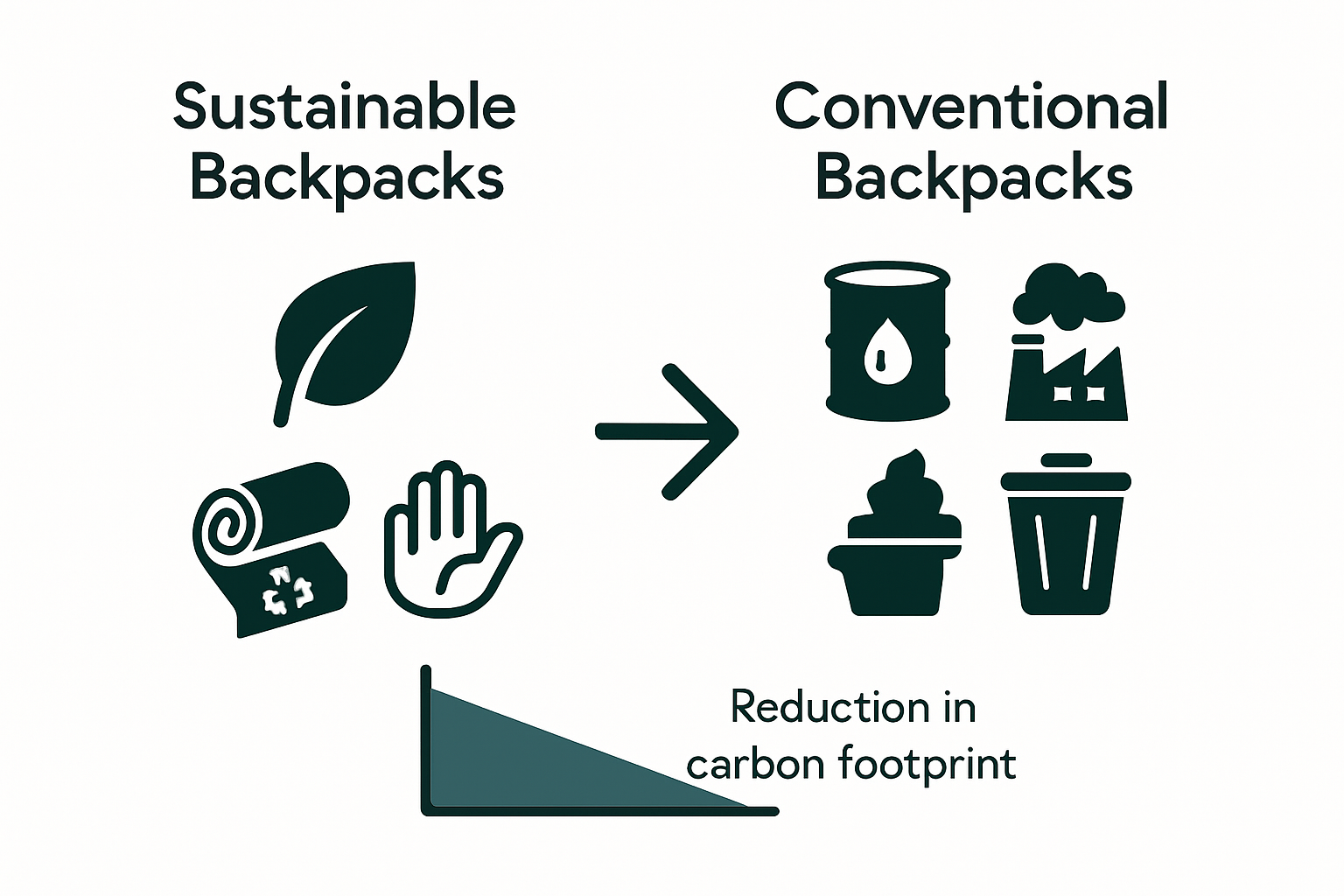
Material selection represents the most significant divergence between sustainable and conventional backpacks. Conventional backpacks typically rely on virgin polyester and synthetic materials derived from petroleum, creating substantial carbon emissions during production. In contrast, sustainable backpacks utilise innovative materials like recycled nylon, organic cotton, and renewable resources that offer superior durability while minimising ecological impact. Understanding the qualities of sustainable accessories reveals a comprehensive approach that extends beyond simple material selection.
Key differences between sustainable and conventional backpacks include:
- Production Impact: Sustainable backpacks generate significantly lower carbon emissions
- Material Source: Recycled and renewable materials versus virgin synthetic resources
- Manufacturing Ethics: Transparent, fair labour practices versus potentially exploitative production
- Longevity: Designed for extended use and repairability
- End-of-Life Considerations: Biodegradable or recyclable components versus landfill-bound waste
Ultimately, choosing a sustainable backpack transcends simple product selection. It represents a conscious decision to support ethical manufacturing, reduce environmental harm, and challenge traditional consumption patterns that prioritise short-term convenience over long-term planetary health.
Choose Style and Sustainability with Cork Backpacks
The challenge of finding a truly sustainable backpack means balancing durability, ethical manufacturing and eco-friendly materials. This article highlights the importance of repairability and a low environmental footprint which are exactly the qualities that define cork products. When you want a backpack that aligns with your values and reduces your carbon footprint, opting for innovative materials like cork is crucial. Our range of vegan accessories at The Cork Store offers a compelling solution crafted with care to meet those sustainable standards.
Discover how easy it is to make responsible fashion choices today with sustainable backpacks and bags that do not compromise on style or performance. Explore our curated collection of eco-friendly cork accessories that embody durability, ethical sourcing and transparency. Visit The Cork Store to shop now and be part of a movement towards conscious consumption that benefits both the planet and your lifestyle.
Frequently Asked Questions
What materials are commonly used in sustainable backpacks?
Sustainable backpacks often use eco-friendly materials such as recycled PET (rPET), organic cotton, hemp fabric, cork leather, and Piatex, which is made from pineapple leaf fibres. These options not only reduce waste but also offer durability and minimal environmental impact.
How do sustainable backpacks differ from conventional backpacks?
Sustainable backpacks prioritise long-term environmental and social implications, using recycled or renewable materials and ethical manufacturing practices. In contrast, conventional backpacks typically rely on virgin synthetic materials and often lack transparency in production.
What are the key features to look for in a sustainable backpack?
When choosing a sustainable backpack, look for features such as durability, repairability, minimal environmental impact in the production process, ethical manufacturing practices, and versatile design that suits various lifestyle contexts.
Why is ethical manufacturing important in the production of backpacks?
Ethical manufacturing ensures fair labour practices, including safe working conditions and fair wages for workers. It also guarantees responsible material sourcing and environmental compliance, transforming products into symbols of positive social and environmental change.
Recommended
- Understanding Why Choose Sustainable Bags for a Greener Future – The Cork Store
- 7 Essential Reasons to Choose a Cork Backpack Today – The Cork Store
- Benefits of Eco-Friendly Handbags: Complete Guide – The Cork Store
- Why Sustainable Handbags Matter: Complete Guide – The Cork Store
- Cozee Bay - What Are Sustainable Products? Complete Guide