

Why Plant-Based Bags Outshine Traditional Leather
Finding stylish accessories that truly reflect your values can feel challenging when so many options still rely on traditional animal leather. For those in the United Kingdom who care deeply about sustainability, plant-based bags offer a refreshingly ethical solution. These innovative bags use materials like cork, Piñatex, and apple leather, showing that it is possible to embrace fashion without harming animals or the environment. Discover how choosing plant-based options supports a more responsible and cruelty-free lifestyle.
Table of Contents
- Defining Plant-Based Bags And Core Concepts
- Common Materials: Cork, Piñatex, And More
- Environmental Benefits Of Plant-Based Options
- Durability, Functionality, And Style Comparison
- Ethical Advantages Over Animal-Derived Bags
Key Takeaways
| Point | Details |
|---|---|
| Sustainable Material Innovation | Plant-based bags utilise renewable materials such as Cork and Piñatex, promoting ecological responsibility. |
| Circular Economy Support | These bags turn agricultural waste into functional products, contributing to waste reduction and sustainable agriculture. |
| Ethical Consumerism | Plant-based bags eliminate animal exploitation and align with values of compassion and sustainability in fashion. |
| Environmental Benefits | They significantly lower carbon emissions and resource consumption compared to traditional leather production. |
Defining Plant-Based Bags and Core Concepts
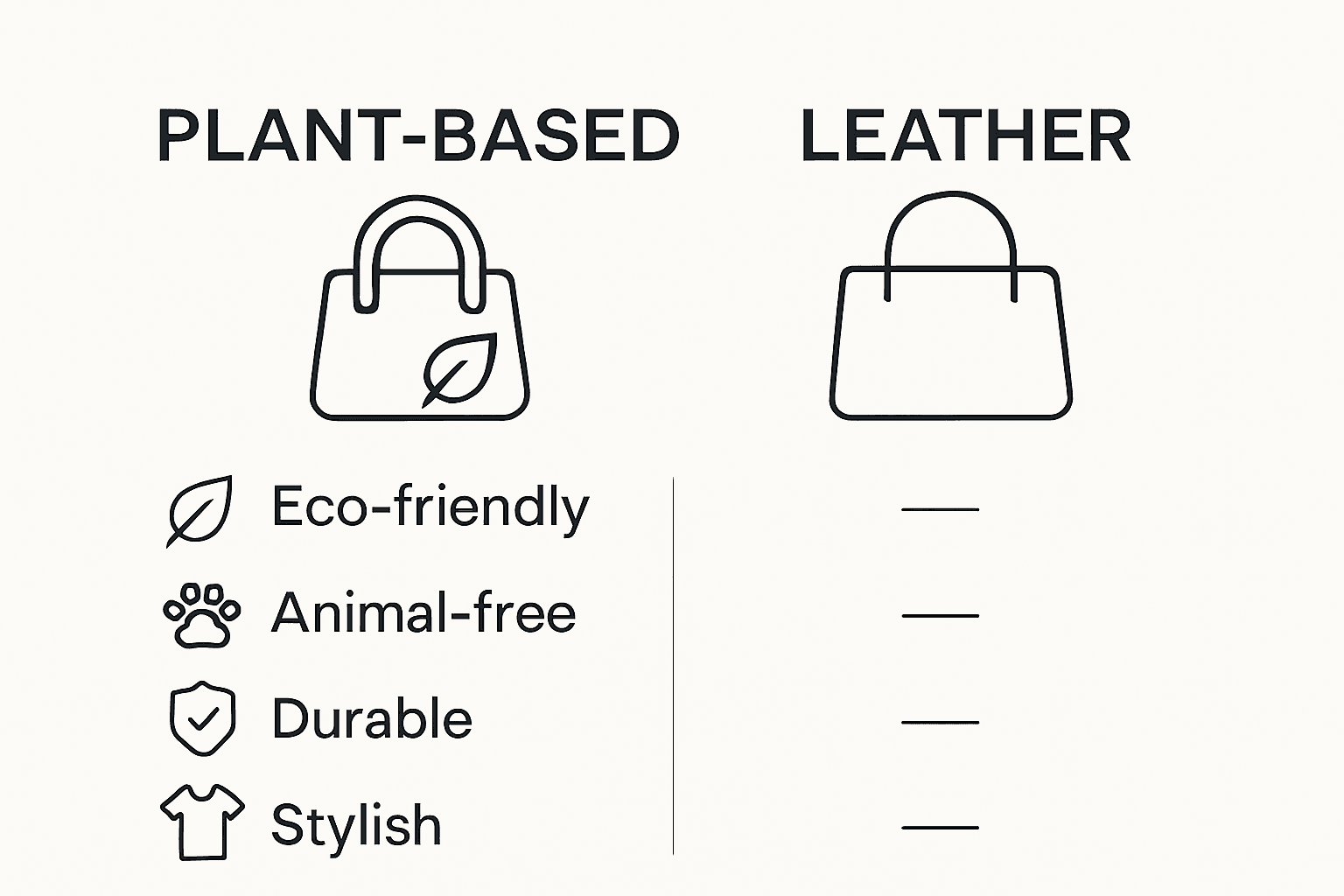
Plant-based bags represent a groundbreaking approach to sustainable fashion, utilising innovative materials derived from renewable plant sources. Renewable natural fibers transform agricultural by-products into sophisticated, environmentally conscious accessories that challenge traditional leather production methods.
These remarkable bags are crafted from diverse plant materials that showcase extraordinary versatility:
- Pineapple leaf fibers (Piñatex)
- Cork harvested from bark
- Apple skin leather alternatives
- Cactus-derived materials
- Hemp and organic cotton fabrics
The core concept behind plant-based bags extends far beyond mere material selection. These innovative accessories embody a holistic commitment to reducing environmental impact, offering consumers a pathway to more responsible fashion choices. By transforming agricultural waste into functional, stylish products, manufacturers are redefining the relationship between consumer goods and ecological sustainability.
Unlike traditional leather production, which involves significant animal welfare and environmental concerns, plant-based bags represent a regenerative approach. They prioritise low-carbon manufacturing, biodegradability, and minimal resource consumption. The materials used are often sourced from renewable agricultural by-products, creating a circular economy model that reduces waste and supports sustainable agricultural practices.
Pro tip: When selecting a plant-based bag, examine the specific material composition and verify the manufacturer’s sustainability credentials to ensure you’re making a truly environmentally responsible choice.
Common Materials: Cork, Piñatex, and More
Plant-based bag materials represent a revolutionary approach to sustainable fashion, offering innovative alternatives to traditional leather. Pineapple leaf fibers have emerged as a groundbreaking material, transforming agricultural waste into sophisticated accessories that challenge conventional production methods.
The most prominent plant-based materials include:
- Cork: Harvested sustainably from cork oak trees
- Piñatex: Derived from pineapple leaf waste
- Apple leather: Created from fruit processing byproducts
- Cactus leather: Manufactured from nopal cactus leaves
- Mushroom leather: Developed from mycelium networks
Cork, in particular, stands out as an exceptional material. Sustainable leather alternatives like cork provide remarkable durability and water resistance while supporting ecological conservation. The harvesting process ensures no trees are harmed, making it an environmentally responsible choice for conscious consumers.
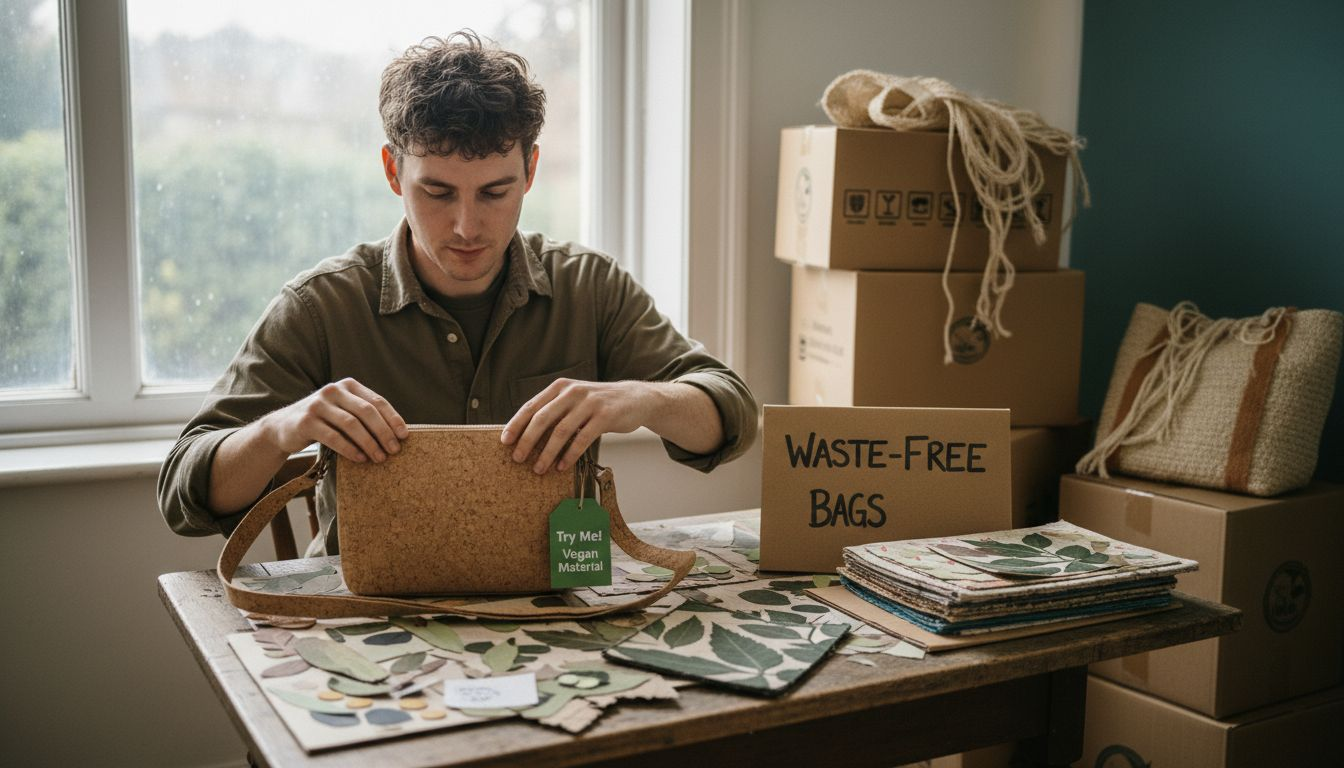
Piñatex represents another innovative breakthrough in sustainable materials. Created by felting pineapple leaf fibers with corn-based polylactic acid, this material offers leather-like properties while supporting local farming communities. The production process is particularly impressive, as leftover biomass can be repurposed as fertiliser or biofuel, creating a circular economic model that minimises waste and environmental impact.
The following table summarises the typical lifecycle and sustainability contribution of key plant-based bag materials:
| Material Type | Main Resource Used | End-of-Life Fate | Sustainability Highlight |
|---|---|---|---|
| Cork | Bark from cork oak trees | Biodegradable, recyclable | No trees harmed during harvest |
| Piñatex | Pineapple leaf fibres | Industrially compostable | Utilises agricultural waste |
| Apple leather | Apple processing leftovers | Industrial biodegradation | Reduces fruit industry disposal issues |
| Cactus leather | Nopal cactus leaves | Breaks down naturally | Minimal water use in cultivation |
| Mushroom leather | Mycelium cultures | Rapid natural decomposition | Low-impact indoor farming |
Pro tip: When exploring plant-based bag materials, research the specific production process and environmental credentials to ensure you’re making a truly sustainable fashion choice.
Environmental Benefits of Plant-Based Options
Plant-based bags represent a transformative solution to environmental challenges associated with traditional leather and plastic accessories. Biodegradable materials offer remarkable potential for reducing ecological impact, breaking down naturally and minimising long-term environmental damage.
The key environmental advantages include:
- Reduced carbon emissions
- Minimal fossil fuel dependency
- Faster decomposition rates
- Lower toxic chemical release
- Support for circular economy models
Traditional leather production involves significant environmental costs, including extensive water consumption, chemical treatments, and substantial greenhouse gas emissions. In contrast, plant-based alternatives dramatically reduce these ecological burdens. Compostable bioplastic technologies enable manufacturers to create accessories that decompose within months, unlike synthetic materials that persist in landfills for centuries.
Moreover, plant-based bag materials contribute to broader sustainability objectives by transforming agricultural waste into valuable resources. These innovative materials not only mitigate environmental challenges but also support farming communities by creating economic opportunities from what would otherwise be discarded agricultural byproducts.
Pro tip: When selecting plant-based accessories, prioritise brands that provide transparent information about their material sourcing and biodegradability to ensure genuine environmental credentials.
Durability, Functionality, and Style Comparison
Plant-based bags have emerged as sophisticated alternatives to traditional leather, challenging long-held perceptions about accessory performance and aesthetic appeal. Leather versus eco-friendly bags reveal nuanced differences that extend far beyond simple material choices.
Key comparative characteristics include:
- Durability: Performance across different usage scenarios
- Weight: Comparative lightness and portability
- Maintenance requirements
- Style versatility
- Ethical manufacturing processes
Traditional leather bags have long been prized for their structured appearance and perceived longevity. However, plant-based alternatives now offer comparable durability with significant environmental advantages. Modern plant-based materials like cork and Piñatex provide remarkable resilience, water resistance, and aesthetic flexibility that rival conventional leather accessories.
Functionality plays a crucial role in contemporary accessory selection. Plant-based bags deliver exceptional practical benefits, including lighter weight, easier cleaning, and more diverse styling options. Their adaptability makes them particularly appealing to environmentally conscious consumers seeking performance without compromising ethical standards.
Pro tip: Always inspect material composition and test the bag’s functionality before purchasing to ensure it meets your specific lifestyle and aesthetic requirements.
Ethical Advantages Over Animal-Derived Bags
Plant-based bags represent a profound ethical alternative to traditional animal-derived accessories, addressing critical concerns surrounding animal welfare, environmental sustainability, and responsible consumer choices. Vegan bag considerations illuminate the multifaceted ethical dimensions beyond simple material selection.
Key ethical advantages include:
- No animal exploitation
- Reduced environmental harm
- Supports sustainable agricultural practices
- Minimises carbon footprint
- Promotes circular economy principles
Traditional leather production involves significant animal welfare challenges, including livestock farming’s substantial environmental impact and the direct harm caused to animals during hide extraction. Plant-based alternatives fundamentally challenge these practices by creating sophisticated accessories that honour both animal life and ecological integrity. These innovative materials demonstrate that style and compassion can coexist seamlessly.
Here is a concise comparison of plant-based and animal-derived bags along key dimensions:
| Dimension | Plant-Based Bags | Animal-Derived Leather Bags |
|---|---|---|
| Environmental Impact | Low, renewable materials | High, water-intensive and polluting |
| Animal Welfare | No animal exploitation | Requires livestock farming |
| Circularity | Supports closed-loop systems | Limited circular economy potential |
| Production Footprint | Lower emissions, less energy used | High emissions, chemical treatments |
| Market Appeal | Appeals to conscious consumers | Associated with tradition and luxury |
Moreover, plant-based bag production supports broader social and environmental objectives. By utilising agricultural waste and byproducts, these materials create economic opportunities for farming communities while simultaneously reducing waste and promoting more regenerative manufacturing processes. This approach represents a holistic commitment to ethical consumption that extends far beyond individual purchasing decisions.
Pro tip: Research the specific manufacturing processes and material origins of your plant-based accessories to ensure they genuinely align with your ethical standards and sustainability values.
Discover the Power of Plant-Based Bags with Stylish Cork Accessories
The article highlights key challenges in choosing truly sustainable bags such as verifying material authenticity, ensuring durability, and aligning ethical values with fashion choices. If you are seeking a solution that delivers on environmental benefits, cruelty-free production, and lasting style then explore cork bags. Cork stands out as a renewable natural material that is both durable and biodegradable, supporting a circular economy and reducing your carbon footprint.
Experience the exceptional qualities of cork firsthand with our exclusive collection of vegan bags and accessories. The Cork Store offers a range of eco-conscious handbags, backpacks, wallets, and gift sets designed to meet your sustainability goals without compromising on aesthetics or functionality.
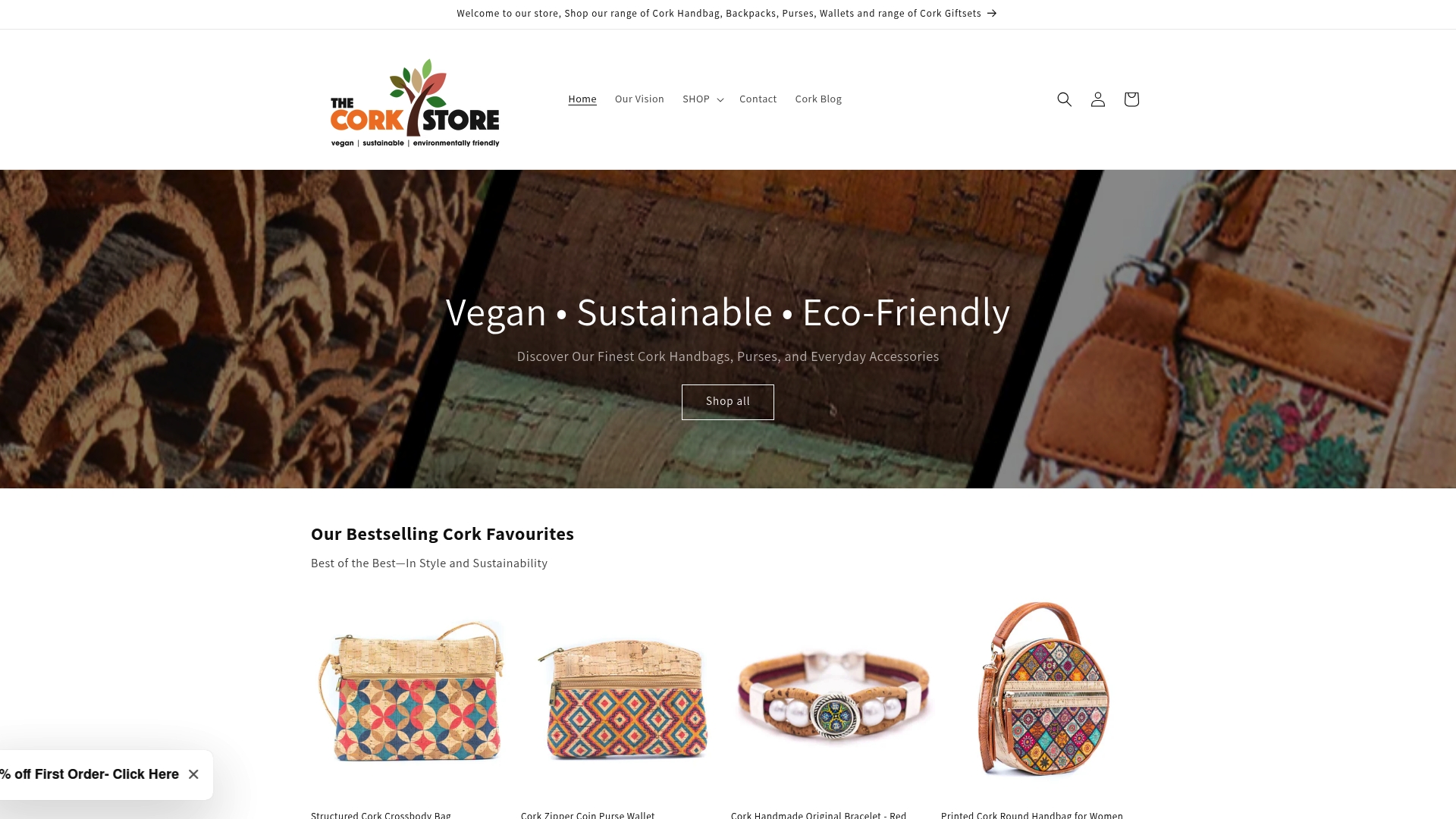
Elevate your fashion with bags that outshine traditional leather in ethics and environmental impact. Visit The Cork Store today and take the next step towards a stylishly responsible wardrobe. Explore our curated collection and make your sustainable choice now.
Frequently Asked Questions
What are plant-based bags made from?
Plant-based bags are made from innovative materials derived from renewable plant sources, including pineapple leaf fibres (Piñatex), cork, apple skin, cactus materials, hemp, and organic cotton.
How do plant-based bags compare to traditional leather in terms of environmental impact?
Unlike traditional leather production, which involves significant water consumption and chemical treatments, plant-based bags reduce carbon emissions, rely on renewable resources, and often decompose naturally, supporting a circular economy model.
Are plant-based bags as durable as leather bags?
Yes, modern plant-based materials like cork and Piñatex offer comparable durability, water resistance, and versatility to traditional leather, making them suitable for various everyday uses while being more environmentally friendly.
What are the ethical advantages of choosing plant-based bags over animal-derived bags?
Plant-based bags eliminate animal exploitation, reduce environmental harm, support sustainable agricultural practices, and promote a circular economy, fostering a commitment to ethical consumption without compromising on style.
Recommended
- Why Opt for Plant-Based Bags: Style Meets Sustainability – The Cork Store
- Understanding Why Buy Vegan Bags for Sustainable Fashion – The Cork Store
- What Makes a Bag Vegan: Everything You Need to Know – The Cork Store
- What is Vegan Leather? Understanding Its Impact – The Cork Store
- Nachhaltige Geschenkideen erklärt: Umweltbewusst schenken – Herzensprojekt Manufaktur
- Vegan Weddings | Fresh Entertainments