

7 Expert Tips for Choosing a Vegan Bag UK for Style
Shopping for a vegan bag in the UK can be confusing. Stylish designs and ethical claims compete for your attention, but it’s tough to tell which options are genuinely cruelty-free, durable, and environmentally responsible. Many brands promise sustainability, yet greenwashing is common and not every material stands up to daily use or unpredictable British weather.
This guide will help you cut through the noise and make informed choices. You’ll discover actionable tips for selecting the best vegan bag, from spotting truly ethical materials to mastering care and organisation for your work and leisure needs. Ready to find a vegan bag that suits your lifestyle and values? The following insights give you everything you need to get it right.
Table of Contents
- 1. Understand What Makes A Bag Vegan And Ethical
- 2. Explore Benefits Of Cork Material For UK Shoppers
- 3. Match Vegan Bag Style To Your Work And Leisure Needs
- 4. Check Durability And Weather Resistance Of Vegan Bags
- 5. Assess The Environmental Impact And Certifications
- 6. Find The Best Size And Compartments For Organisation
- 7. Know How To Care For And Maintain Cork Vegan Bags
Quick Summary
| Key Message | Explanation |
|---|---|
| 1. Ensure Bags are Truly Vegan and Ethical | Verify that bags contain no animal-derived materials and have transparent, ethical sourcing and production. |
| 2. Assess Cork’s Unique Advantages | Cork offers sustainable benefits like lightweight, durability, and water resistance while improving with age. |
| 3. Match Bag Style to Lifestyle Needs | Choose a bag that suits daily activities, balancing functionality with style to avoid frustration. |
| 4. Check for Durability and Weather Resistance | Investigate how materials handle wear and exposure to ensure bags last longer than traditional options. |
| 5. Verify Environmental Claims and Certifications | Demand proof of sustainability certifications to avoid misleading marketing and ensure genuine practices. |
1. Understand What Makes a Bag Vegan and Ethical
A vegan bag is fundamentally defined by the complete absence of animal-derived materials. This means no leather, fur, silk, wool, or any other component sourced from animals. Instead, vegan bags utilise plant-based materials like cork, pineapple leaf fibres, and mushroom leather, alongside synthetic alternatives and recycled components. But understanding what makes a bag vegan goes far beyond simply avoiding animal products. True ethical vegan bags also demand transparent sourcing practices, cruelty-free production processes, and fair labour conditions throughout the entire supply chain. The term “vegan” addresses the animal welfare dimension, whilst the ethical aspect encompasses environmental responsibility and social equity.
When you’re shopping for vegan bags in the UK, you’ll encounter several material options that distinguish quality ethical choices from superficial marketing. Plant-based and synthetic vegan materials form the foundation of genuine vegan bags, with cork standing out as particularly innovative because it’s harvested from tree bark without harming the tree itself. Pineapple leather derives from agricultural byproducts, whilst recycled polyester gives new life to plastic waste. The ethical consideration extends to whether manufacturers hold certifications verifying their claims, such as those confirming cruelty-free production or sustainable sourcing standards. Look for brands that openly share information about where their materials come from, how workers are treated, and what environmental practices they follow. Transparency acts as your strongest indicator that a brand genuinely cares about ethics rather than simply capitalising on vegan trends.
Your practical task is straightforward: when evaluating a vegan bag, ask three critical questions. First, what specific materials comprise the bag, and are they genuinely plant-based, recycled, or synthetic rather than animal-derived? Second, does the brand provide verifiable information about its sourcing and production practices? Third, can you identify any certifications or third-party validations that confirm ethical claims? By asking these questions, you transform yourself from a passive consumer into an informed buyer who understands exactly what they’re purchasing and why it matters.
Pro tip: Examine product description pages and company websites for material specifications and sustainability certifications before making a purchase; brands committed to ethics openly display this information rather than hiding it in fine print.
2. Explore Benefits of Cork Material for UK Shoppers
Cork has emerged as one of the most compelling materials for vegan bags, and understanding why reveals much about the intersection of style, sustainability, and practicality. Harvested from the bark of cork oak trees, this natural material offers a unique combination of properties that simply cannot be replicated by conventional synthetic alternatives. What makes cork particularly special is that harvesting it doesn’t harm the tree. The bark regenerates naturally over nine years, making cork one of the few truly renewable resources available to fashion manufacturers. For UK shoppers seeking bags that align with eco-conscious values without compromising on aesthetics, cork materials offer exceptional durability and elegance that transform everyday accessories into statement pieces.
From a practical standpoint, cork delivers remarkable benefits that justify its growing popularity amongst discerning consumers. The material is naturally water-resistant, which means your bag can withstand British weather without deteriorating. Unlike synthetic vegan leathers that can crack or peel after a season or two, cork actually improves with age, developing a beautiful patina that makes each bag unique to its owner. Cork is also incredibly lightweight, so you’re carrying less weight without sacrificing strength or structure. The texture feels luxurious to the touch, providing that premium quality sensation you’d expect from genuine leather but without any animal exploitation. Additionally, cork is naturally hypoallergenic and antimicrobial, which means your bag stays fresher longer and won’t trigger sensitivities for people with delicate skin. These aren’t merely marketing talking points. They’re tangible advantages that affect your daily experience of wearing and using your bag.
When you choose a cork bag, you’re investing in a piece that will genuinely last. Most quality cork bags remain in excellent condition for five to ten years with basic care, compared to three to four years for many synthetic alternatives. This longevity translates directly into better value for your money and reduced waste, since you’re not replacing bags as frequently. The aesthetic appeal shouldn’t be overlooked either. Cork has a distinctive appearance that works beautifully with contemporary British fashion sensibilities, offering a sophisticated alternative to traditional leather that catches attention without screaming “look at my ethical credentials.”
Pro tip: Treat your cork bag with a plant-based protective spray shortly after purchase to enhance water resistance and extend its lifespan, then let it age naturally without over-cleaning to develop its unique character.
3. Match Vegan Bag Style to Your Work and Leisure Needs
One of the smartest decisions you can make when investing in a vegan bag is choosing a style that genuinely serves your lifestyle rather than forcing yourself into a trend that doesn’t fit. Your bag should work as hard as you do, whether you’re commuting to an office, attending client meetings, or transitioning from a work event directly to social plans. The key is identifying which features matter most for your specific daily activities and then selecting a bag that delivers those practical benefits without sacrificing style. A bag that looks beautiful but doesn’t accommodate your laptop or daily essentials becomes an expensive frustration. Conversely, a purely functional tote that makes you cringe when you catch your reflection isn’t sustainable either.
Consider your work requirements first. If you’re commuting with tech gear, look for bags with dedicated laptop compartments that fit your device snugly, typically 13 to 14 inches for most professional laptops. Interior organisation matters more than you’d expect. Multiple pockets and thoughtfully placed compartments mean the difference between fumbling for your keys at security checkpoints and accessing them instantly. A vegan tote with strategic compartment placement for work essentials allows you to keep documents flat, phones accessible, and daily items protected. The material should resist scuffing from desk edges and daily wear. Now shift your thinking to leisure activities. Weekend bags need different priorities. You might want something lighter that doesn’t pull on your shoulder during shopping trips, or perhaps a crossbody option that keeps your hands free at social events. Some of the most versatile vegan bags successfully bridge both worlds by offering structured shapes during work hours but casual elegance when paired with evening wear.
The practical application is straightforward. Start by listing the actual items you carry daily. Write down the dimensions of your laptop, whether you need a water bottle holder, how many compartments would genuinely improve your organisation, and what weight you can comfortably carry for eight plus hours. Then honestly assess your leisure activities. Do you attend evening events where a sleek bag matters? Do you favour weekend adventures where durability trumps aesthetics? Do you cycle or use public transport where specific strap configurations would help? The overlap between these requirements becomes your ideal bag profile. Vegan bags come in countless styles and sizes, so matching your genuine needs to the right option ensures you’ll actually use it rather than letting it gather dust in your wardrobe.
Pro tip: Test a prospective bag’s weight when empty and imagine it filled with your actual daily items before purchasing, since a lightweight material like cork can feel deceptively different once loaded with your essentials.
4. Check Durability and Weather Resistance of Vegan Bags
Not all vegan bags are created equal when it comes to withstanding the British climate and daily wear. This is where many eco-conscious shoppers make costly mistakes. They assume that because a bag is vegan and sustainable, it will automatically last as long as traditional leather. Reality tells a different story. The durability and weather resistance of your vegan bag depends entirely on the specific material composition, manufacturing quality, and how well it’s been treated during production. Understanding these variables means the difference between owning a bag that accompanies you for years and replacing it annually out of frustration.
Vegan materials vary tremendously in their performance characteristics. Cork naturally resists moisture, meaning your bag can handle rain showers without water damage or deterioration. Synthetic vegan leathers made from plant based alternatives or recycled plastics offer water resistance that can actually outperform traditional leather in some conditions, though quality varies significantly across manufacturers. The key issue is scrutinising claims carefully. A bag labelled “water resistant” differs fundamentally from one labelled “waterproof.” Resistance means liquids bead on the surface temporarily, whilst waterproof provides genuine protection. Vegan leather weather resistance and wear performance vary considerably depending on material composition, so you must look beyond marketing language to understand what you’re actually purchasing. Request information about how the material was tested, what temperature ranges it tolerates, and how the manufacturer addresses potential cracking or peeling after extended use.
Practically speaking, investigate the bag’s construction quality alongside material properties. A waterproof fabric constructed with poor stitching will fail at the seams long before the material itself deteriorates. Examine the hardware, handles, and attachment points. Are these components reinforced? Do they show signs of quality craftsmanship? For UK shoppers facing constant humidity and frequent rain, a vegan bag with sealed seams and quality hardware matters more than material alone. Ask sellers how the bag performs after six months and one year of regular use. Request photos from long-term owners if possible. Read genuine customer reviews that mention weather exposure and durability. These real-world accounts provide far more reliable information than manufacturer specifications.
When assessing durability, consider your specific lifestyle. If you commute daily on crowded trains and buses, you need a bag that resists scuffing and abrasion. If you attend outdoor events or travel frequently, weather resistance becomes paramount. If you work in a professional environment where your bag must maintain its appearance indefinitely, choose materials known for developing character with age rather than showing obvious wear. Cork excels in all these scenarios, but synthetic vegan leathers require more careful evaluation. The investment in asking detailed questions and researching thoroughly at the selection stage saves you money and frustration later.
Pro tip: Before committing to a purchase, contact the brand directly and ask for specific information about how their vegan material performs in wet conditions, how it handles temperature fluctuations, and what maintenance steps genuinely extend longevity rather than marketing rhetoric.
5. Assess the Environmental Impact and Certifications
When shopping for vegan bags, you’ll encounter countless claims about sustainability and environmental responsibility. The problem is that not all claims are genuine, and distinguishing between authentic environmental credentials and clever marketing requires critical thinking. Greenwashing has become rampant in the fashion industry, where brands make vague sustainability promises without substantiating them through independent verification. Your job as a conscious consumer is to look beyond the marketing language and demand proof. Certifications and transparent environmental disclosures separate brands that genuinely prioritise sustainability from those simply capitalising on the growing eco-conscious market.
Understanding what certifications actually mean is your first line of defence against greenwashing. The Vegan Society Trademark represents one of the most rigorous verification standards available, requiring brands to prove through DNA analysis and other scientific methods that their products contain absolutely no animal-derived materials or by-products. This certification matters because it’s independently verified by accredited organisations rather than self-declared by the brand. Vegan verification services employ DNA analyses to confirm products contain no animal content, enabling brands to use respected vegan trademarks authentically. Beyond vegan credentials, look for certifications addressing environmental impact, such as those verifying sustainable sourcing of materials, carbon-neutral production, or ethical labour practices. The UK’s Competition and Markets Authority emphasises that businesses must transparently verify sustainability claims through credible disclosures or certifications. This regulatory requirement means you can confidently demand substantiation from any brand making environmental claims.
Practically applying this knowledge transforms your shopping experience. Before purchasing, visit the brand’s website and search for certification information. Look for specific logos or badges from recognised third-party organisations rather than generic statements about being “eco-friendly” or “sustainable.” Ask brands directly about their environmental practices. Do they publish reports detailing their carbon footprint, water usage, or waste reduction efforts? Can they explain how their materials are sourced and processed? Reputable brands welcome these questions and provide detailed answers. Conversely, brands that deflect or offer vague responses are likely attempting to mislead you. Check product pages for transparency about manufacturing location, material origins, and labour practices. Compare multiple certifications. A bag with certifications from multiple independent organisations demonstrates stronger commitment than a single badge. Remember that no certification is perfect, but genuine third-party verification provides significantly more assurance than unsubstantiated marketing claims.
Pro tip: Search for the certification organisation’s official website to verify that a brand’s claimed credentials are legitimate, rather than trusting logos that could be fraudulent or outdated.
6. Find the Best Size and Compartments for Organisation
A beautiful vegan bag loses its appeal the moment you spend five minutes searching for your keys or phone. The right size and thoughtful compartmentalisation transform your bag from a stylish accessory into a genuinely functional part of your daily routine. Many people purchase bags based purely on aesthetics, then struggle with organisation throughout ownership. You can avoid this frustration by understanding how to evaluate size and compartment design before making your purchase. The ideal bag for your lifestyle should accommodate everything you carry without forcing you to squeeze items or leaving excessive empty space that creates visual clutter.
Start by assessing your actual daily carry requirements rather than guessing. Take out everything you typically carry in your current bag and lay it on a table. Measure the dimensions and count the items. How many of these are small enough to lose if not properly organised? How many require protection from other items? Your phone, keys, cards, and cosmetics all benefit from dedicated compartments that prevent them from shifting around or getting scratched. Larger items like laptops, documents, or books need designated spaces where they sit flat rather than bending or folding. Consider the depth and width of compartments carefully. A pocket that’s too shallow won’t securely hold items, whilst one that’s excessively deep becomes a black hole where small items vanish. The best vegan bags feature strategic compartment placement where frequently accessed items sit in outer pockets or front compartments for quick retrieval, whilst valuables and delicate items stay secure in internal divisions.
When evaluating a specific bag, think about how you’d actually use each compartment. An impressive number of pockets means nothing if they’re positioned awkwardly or too small for practical use. Imagine yourself at work, on public transport, or at an evening event. How would you access what you need? Would you constantly be rummaging through the main compartment, or can you reach essential items immediately? For professional environments, structured bags with organised compartments project competence and preparedness. For leisure activities, you might prioritise flexibility and open space. The best approach is requesting product photos showing the interior layout from multiple angles, then mentally walking through your typical day to confirm the bag would serve you well. Some brands provide detailed measurements for each compartment, which takes the guesswork out entirely.
Pro tip: Before purchasing, create a packing list of your ten most frequently carried items and verify that each has an appropriate compartment or designated space in the bag by studying product photos and descriptions thoroughly.
7. Know How to Care for and Maintain Cork Vegan Bags
Owning a beautiful vegan cork bag represents an investment in style and sustainability, but that investment only pays dividends if you know how to maintain it properly. Many people purchase quality bags then inadvertently damage them through neglect or incorrect care practices. The good news is that cork is remarkably forgiving and naturally resilient. Unlike some synthetic vegan materials that require specialised treatments or fade with age, cork actually improves when cared for thoughtfully. Understanding basic maintenance ensures your bag remains beautiful, functional, and genuinely lasts for years rather than becoming a wardrobe casualty after a few seasons.
Regular cleaning forms the foundation of cork bag care. Cork bag care includes wiping down with a humid cloth for regular cleaning, which removes surface dust and minor stains without harsh chemicals or excessive moisture. The beauty of this approach is its simplicity. You’re not dealing with temperamental fabrics or finishes that require professional restoration. Simply use a slightly damp microfibre cloth to gently wipe your bag’s exterior, following the natural grain of the cork. This weekly or biweekly routine prevents dirt accumulation that can become stubborn over time. For deeper cleaning, a mild mixture of water and plant-based soap works effectively on cork without causing damage. Avoid submersing your bag entirely or using excessive water, as prolonged moisture exposure can affect the cork’s integrity. After cleaning, allow your bag to air dry naturally away from direct heat sources like radiators or sunlight, which can cause the cork to become brittle.
Beyond regular cleaning, protective treatment amplifies your bag’s longevity and water resistance. Applying a plant-based protective spray shortly after purchase creates an invisible barrier that enhances the cork’s natural water repellency. This single preventative step dramatically reduces the likelihood of water stains or damage during British weather. Reapply protective spray annually or after deep cleaning to maintain optimal protection. Additionally, avoid placing your cork bag on rough surfaces or near sharp objects that could puncture or scrape the material. Store your bag in a cool, dry location when not in use, preferably in a dust bag to prevent accumulation of debris. Cork’s natural antimicrobial properties mean you don’t need to worry about mould or bacterial growth in the way you would with some other materials, making cork one of the lowest maintenance vegan bag options available.
Pro tip: Treat your cork bag with a plant-based protective spray every twelve months and immediately wipe up any spills with a damp cloth to prevent staining and extend its lifespan significantly.
Below is a comprehensive table summarising the key aspects of vegan and ethical bag characteristics, materials, benefits, suitability, and maintenance strategies discussed in the article.
| Aspect | Description | Considerations |
|---|---|---|
| Definition of Vegan Bags | Bags made without animal-derived materials, using synthetic or plant-based alternatives. | Includes considerations of sourcing, cruelty-free production, and fair labour practices. |
| Material Options | Cork, pineapple leather, recycled polyester, mushroom leather. | Each material has unique properties, such as durability and sustainability. |
| Benefits of Cork | Renewable, durable, lightweight, hypoallergenic, water-resistant. | Develops a patina over time, maintaining long-term aesthetics and functionality. |
| Ethical Certifications | Trust logos like The Vegan Society Trademark and eco-certifications. | Verified through independent organisations, signalling authenticity and sustainability. |
| Selecting Bag Features | Choose based on lifestyle needs: size, compartments, durability. | Aligns bag selection with daily, work, and leisure activities for optimal utility. |
| Maintenance Strategies | Clean gently with a damp cloth, apply protective sprays annually. | Avoid exposure to harsh environments to extend lifespan and maintain quality. |
Discover Your Perfect Vegan Bag at The Cork Store
Choosing a vegan bag in the UK that truly combines style, ethical values, and practicality can feel overwhelming. The main goal is to find accessories crafted from genuinely plant-based, sustainable materials that also meet your daily needs for durability, organisation, and weather resistance. You want a bag that not only looks elegant but also reflects your commitment to cruelty-free fashion and environmental responsibility. At The Cork Store, we understand these challenges and bring you an exclusive collection of vegan cork bags designed specifically for eco-conscious buyers who refuse to compromise on style or function.
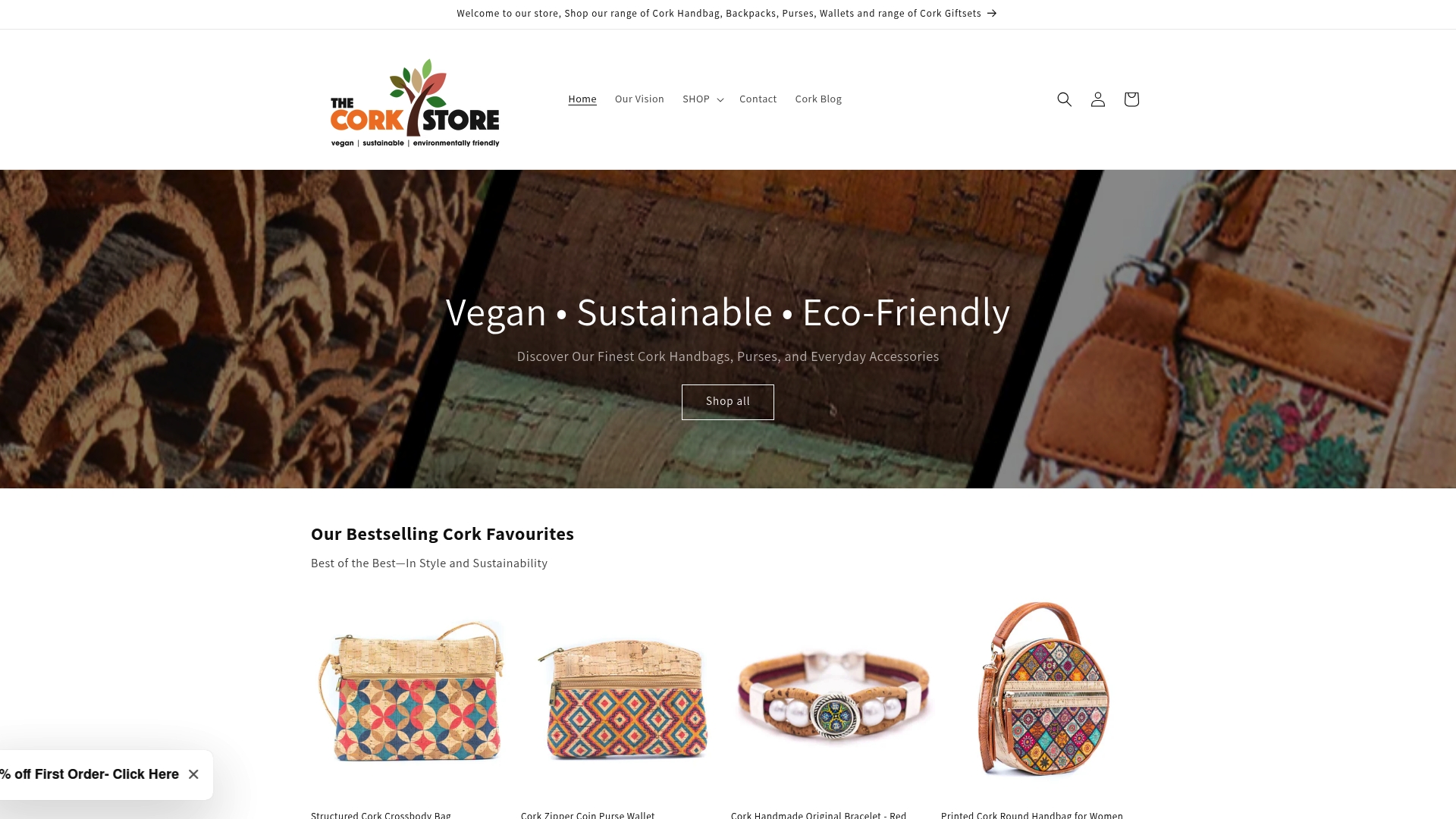
Explore our curated range of handbags, backpacks, wallets and more made entirely from sustainable cork material – a renewable resource that ages beautifully and withstands the unpredictable British weather. Every product page shares detailed material descriptions and highlights the ethical sourcing behind each accessory. Now is the time to make a confident, informed choice that aligns with your values and lifestyle. Visit The Cork Store to shop stylish vegan bags that embody sustainability and sophistication. Check out our insightful blog posts on what makes a bag ethically vegan and discover how cork accessories can elevate your wardrobe while caring for the planet.
Frequently Asked Questions
What materials should I look for in a vegan bag to ensure it’s ethical?
A good vegan bag should avoid all animal-derived materials and instead use plant-based or recycled materials such as cork, pineapple leather, or synthetic alternatives. When shopping, examine product descriptions and look for brands that clearly specify their materials and sourcing practices.
How can I determine if a vegan bag is durable and weather-resistant?
Check the material properties and construction quality of the bag. Look for specifics such as water resistance ratings and the type of stitching used, as well as requesting information on how the bag performs in wet conditions, which can significantly affect its longevity.
Which features should I consider for organisation in a vegan bag?
Look for bags with dedicated compartments for essential items, such as laptop sleeves and smaller pockets for keys and phones. Prioritising structure and accessibility can make a massive difference in your daily routine, so evaluate how each compartment will serve your needs before purchasing.
What maintenance is required for a cork vegan bag?
Caring for a cork bag involves regular cleaning with a damp cloth and the use of plant-based protective sprays. Establish a cleaning routine, such as wiping down the bag every couple of weeks, to keep it in excellent condition and extend its lifespan significantly.
How do I know if a brand’s sustainability claims are legitimate?
Verify certifications from trusted organisations that prove a brand’s commitment to sustainability, such as the Vegan Society Trademark. Always look for third-party verification, and ask the brand directly for specific details about their environmental practices and sourcing efforts.
What size should I choose for my daily vegan bag?
Select a bag size based on the items you typically carry daily, ensuring it can accommodate everything without excess space or crowding. Take a moment to physically measure your daily essentials to choose a bag that fits comfortably, which can prevent frustration over inadequate space.
Recommended
- 7 Practical Tips for Choosing Vegan Bags UK Ethically – The Cork Store
- 7 Vegan Handbag Types Every Eco-Conscious Buyer Should Know – The Cork Store
- 7 Essentials When Choosing a Vegan Purse UK for Style and Sustainabili – The Cork Store
- How to Style Vegan Handbags: Fashionable and Eco-Friendly – The Cork Store
- Understanding Leather Bags vs Vegan Bags: Key Differences – San Rocco Italia