
Ethical purse shopping steps: your 2026 UK guide
Buying an ethical purse is not complicated, but it does require a clear process. Start by defining what “ethical” means to you personally, whether that is fair wages, animal-free materials, or a low carbon footprint. Then research materials, verify certifications such as Fair Trade, B Corp, and GOTS, and scrutinise brand transparency before you spend a penny. The brands that earn trust in 2026 name their factories, specify recycled content percentages, and offer repair policies. Those that do not are usually selling a story, not a standard.
Here is a quick checklist to orient your thinking before you read further:
- Define your core ethical priorities: materials, labour standards, or environmental impact
- Favour brands with third-party certifications over self-declared “eco” claims
- Check that materials are named specifically, not vaguely described as “sustainable”
- Assess durability as seriously as you assess aesthetics
- Calculate cost per wear, not just the sticker price
- Research UK-relevant brands with transparent supply chains
- Cross-reference brand claims against independent reviews and audit reports
What are the key ethical purse shopping steps?
Conscious shopping for purses works best as a structured process, not a gut feeling. Here are seven steps that move you from vague intention to a confident, evidence-backed purchase.
-
Clarify your ethical priorities. Decide upfront what matters most to you: animal welfare, fair labour, carbon footprint, or material origin. You cannot evaluate every brand on every dimension equally, so knowing your hierarchy prevents decision paralysis.
-
Research purse materials. Cork, organic cotton, recycled nylon, and plant-based vegan leather each carry different environmental profiles. Cork is harvested without felling the tree, making it one of the most genuinely low-impact options available. Recycled nylon, such as ECONYL used by Stella McCartney, is regenerated from ocean fishing nets and waste fabric, meaningfully reducing reliance on virgin materials. Recycled materials paired with durability deliver the best sustainability outcome; a recycled bag that falls apart in a year is not a win.
-
Verify brand transparency. Visit the brand’s sustainability or “about” page. Brands that name supplier factories, disclose factory locations, and publish third-party audit reports demonstrate genuine accountability. Vague language like “we care about the planet” with no specifics is a warning sign rather than a credential.
-
Check for credible certifications. Fair Trade verifies wages and working conditions. B Corp assesses a company’s full social and environmental performance. GOTS requires a minimum of 70% certified organic fibre in any labelled textile product. These are independently audited standards, not brand-owned labels.
-
Inspect durability factors. Examine strap anchors, zipper quality, corner reinforcement, and lining stitching. A truly sustainable bag must be functional and durable; decorative but weak components cause premature failure regardless of how eco-friendly the materials are.
-
Review repair and return policies. Brands confident in their quality tend to offer generous repair options. A repair policy signals that the brand designed the bag to last, not to be replaced.
-
Evaluate pricing with a cost-per-wear mindset. Sustainable items may cost more upfront, but their durability delivers better value over time compared to fast-fashion replacements. More durable bags offer better value over time compared to cheaper bags that wear out quickly and create waste.
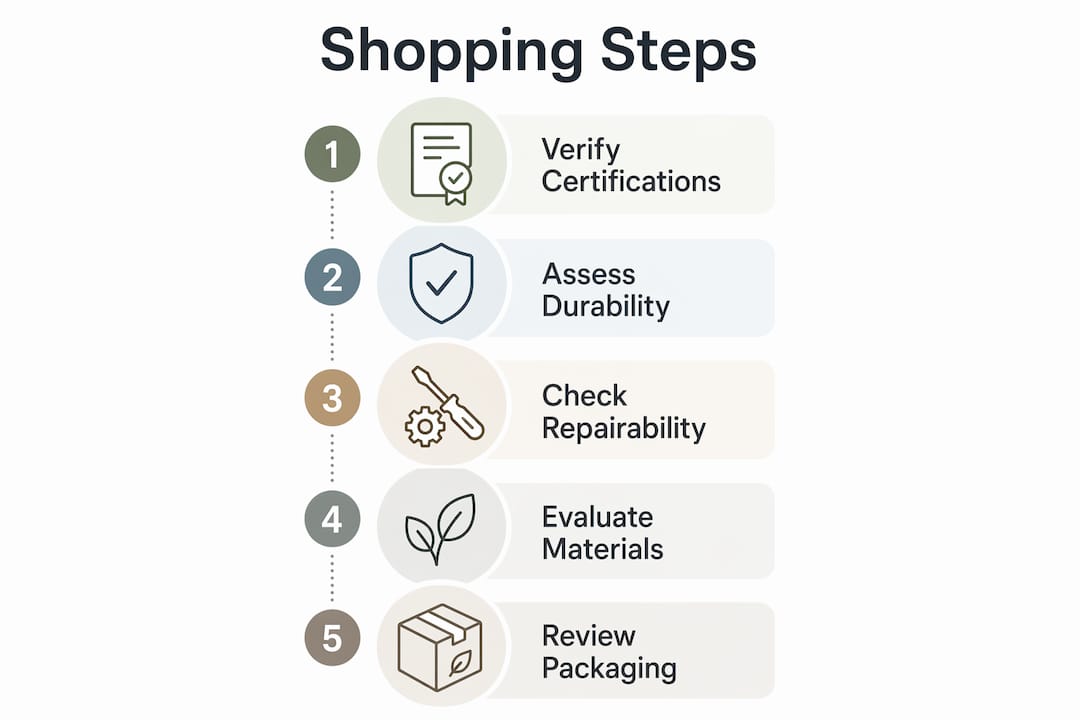
Pro Tip: Score each bag you consider on five criteria: material transparency, durability, repairability, ethical sourcing, and packaging. Rate each from 1 to 5, then compare totals. This scoring system cuts through emotional marketing and keeps your decision grounded in evidence.
Which UK ethical purse brands are worth buying in 2026?
The UK market has a genuinely strong selection of ethical brands, and several international names ship here with full transparency. Below are the standout options across different priorities and price points.
-
BEEN London crafts bags from recycled and deadstock materials with a local UK supply chain. Their transparency is unusually detailed for a small brand, with community engagement built into their model.
-
Elvis & Kresse upcycles reclaimed fire hoses and leather scraps into luxury accessories. Their social enterprise structure means a portion of profits goes directly to charitable causes, making the purchase a dual-impact decision.
-
Mashu uses certified cork from Portugal with full traceability. For shoppers who want a natural, animal-free material with verified provenance, Mashu is one of the clearest choices available.
-
CARV London prioritises British-made production with transparent sourcing, making it a strong option for buyers who want to keep their purchase as local as possible.
-
Roka offers a broad range of vegan bags with environmental certifications, balancing everyday practicality with sustainability credentials.
-
Votch specialises in certified cruelty-free vegan leather with sustainable packaging, appealing to vegan fashion buyers who want style alongside ethics.
-
Stella McCartney has led the industry on cruelty-free materials for years. Their use of ECONYL regenerated nylon places them at the forefront of circular economy design in the luxury segment.
-
Sézane has grown its sustainable collection steadily, with increasing transparency on social and environmental metrics, though it sits at the aspirational rather than fully certified end of the spectrum.
-
Sandqvist holds B Corp certification and publishes detailed supply chain disclosures, making it one of the most transparent brands on this list for eco-conscious buyers who want the full picture.
-
HYER GOODS combines modern design with certified recycled fabrics, suited to trend-conscious shoppers who do not want to sacrifice aesthetics for ethics.
-
Cuyana builds its entire philosophy around buying fewer, better things. Their production focuses on quality and reduced overproduction, which is a sustainability argument in itself.
-
Allégorie produces in small batches with traceable, ethically sourced materials and handcrafted methods, ideal for shoppers who value artisan provenance.
-
Quince offers full supply chain transparency and carbon offset initiatives alongside eco-certified leather goods, at a price point that undercuts many comparable brands.
-
Pixie Mood makes affordable vegan leather bags with fair wage commitments, filling a gap for shoppers who want cruelty-free ethics without a premium price tag.
-
ABLE is a women-led brand that publishes its wages publicly, integrating worker empowerment directly into its sustainability model.
-
VIVAIA uses recycled plastics to produce vegan handbags with a strong circular economy focus and modern silhouettes.
-
Matt & Nat has used recycled materials in its linings since the brand’s founding, making it one of the longer-standing names in accessible ethical accessories.
-
ECOALF turns ocean plastics and other waste materials into high-performance bags, with a clear focus on marine pollution as a specific environmental cause.
-
O My Bag combines organic cotton with vegetable-tanned leather and Fair Trade principles, appealing to buyers who want organic fibres alongside ethical leather processing.
-
Baggu keeps things minimal: recycled nylon and cotton canvas, clear recycled content percentages, and a repair policy. No fuss, no greenwashing.
How do you verify ethical certifications and spot greenwashing?
Third-party certifications are the most reliable shortcut in responsible handbag selection because they replace brand promises with independently audited standards. The three most relevant for purse shoppers are Fair Trade, B Corp, and GOTS. Each covers different ground: Fair Trade focuses on wages and community benefit, B Corp assesses the whole business, and GOTS governs organic textile content and processing.
Tannery-level disclosure matters specifically for leather goods. A brand that certifies its finished product but cannot name its tannery partner has incomplete transparency. Full ethical sourcing requires traceability from raw material to finished bag.
Greenwashing tends to follow a pattern. Watch for these signals:
- Vague terms like “eco,” “green,” or “conscious” with no supporting specifics
- No named factory partners or supplier locations on the website
- Certifications on packaging only, with no product-level detail
- Sustainability pages that describe values without measurable commitments
- Biodegradable packaging presented as proof of sustainability, when packaging is only one small part of the picture
Pro Tip: Search the brand name alongside “factory” or “supply chain” in a search engine. Independent reviews on platforms like Good On You or Ethical Consumer often surface accountability gaps that brand websites do not mention.
Practical verification steps:
- Check the brand’s website for named suppliers and factory locations
- Look for downloadable audit reports or annual impact reports
- Search for the certification body’s own registry to confirm the brand is listed
- Read reviews on independent platforms, not just the brand’s own pages
- Ask directly via email or social media if supply chain details are not published
How do you assess durability and functionality in an ethical purse?
A bag that fails in six months is not sustainable, regardless of what it is made from. Durability is the most underrated factor in responsible handbag selection, and it is also the easiest to assess before you buy.
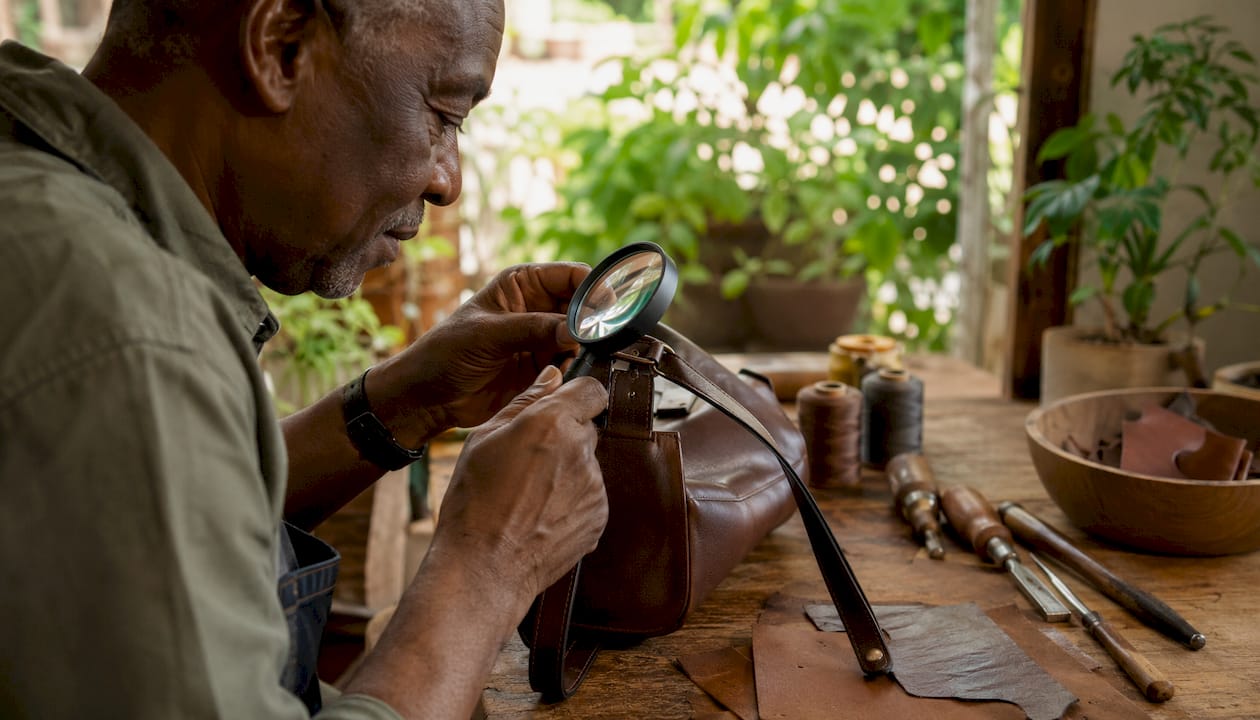
Focus on the points of failure first. Strap anchors, zipper ends, corner panels, and bottom feet bear the most stress in daily use. If those areas use thinner material or weaker stitching than the main body, the bag will fail there first. Cheap hardware such as lightweight zippers and thin buckles tarnishes, snaps, or loosens quickly, sending an otherwise decent bag to landfill prematurely.
Lining quality is frequently overlooked. A fraying or shedding lining makes a bag unusable long before the exterior wears out. Look for product pages that include close-up construction images; brands that show stitching detail are expecting informed buyers, not impulse purchases.
Pro Tip: Rate each bag you consider on transparency, durability, repairability, ethical sourcing, and packaging using a 1–5 scale. A bag scoring well across all five is a more genuinely sustainable purchase than one that excels on only a single dimension.
Functionality matters for longevity too. A bag you actually use every day has a far lower environmental cost than a beautiful one that sits unused because it does not fit your life. Consider strap length, internal organisation, weight when empty, and whether the design will still feel relevant in five years. Style longevity reduces the temptation to replace.
How should you care for an ethical purse to make it last?
Proper care extends the life of any bag significantly, and for vegan purse care in particular, the right approach varies by material. Cork bags need only a damp cloth and occasional conditioning with a natural wax. Vegan leather made from recycled plastics or plant-based materials benefits from gentle cleaning with a mild soap solution and storage away from direct sunlight, which degrades many synthetic materials over time.
Avoid overfilling. Structural distortion from a consistently overpacked bag strains stitching at the base and handles, which are the first places to fail. Store bags stuffed lightly with tissue paper to maintain their shape when not in use, and keep them in a dust bag if one was provided.
Hardware care is simple but often skipped. Wipe metal zippers, buckles, and rings dry after exposure to rain. Moisture accelerates tarnishing on lower-grade metals, and a tarnished zip is often what makes an otherwise sound bag look worn out. For cork specifically, avoid prolonged exposure to water and re-condition the surface once or twice a year to maintain its natural texture.
Where can you find trustworthy reviews for ethical purse brands in the UK?
Brand websites are the worst place to start your research. They curate their own reviews, and even verified purchase reviews on a brand’s own platform are filtered through the brand’s interests. Independent sources give you a more honest picture.

Good On You rates fashion brands on people, planet, and animals using a transparent methodology, and covers many of the brands listed in this article. Ethical Consumer publishes detailed brand ratings with specific scores for environmental reporting, supply chain transparency, and labour practices. Both are UK-accessible and regularly updated.
For peer reviews, look at Trustpilot and Google Reviews, but read critically. Check dimensions, colour accuracy, and construction details in photo reviews rather than relying solely on star ratings. A five-star review that says “arrived quickly and looks nice” tells you nothing about durability or ethical sourcing. A three-star review that describes strap failure after four months tells you a great deal.
Reddit communities such as r/femalefashionadvice and r/ethicalfashion carry candid long-term ownership experiences that you will not find on any retail platform. Sustainable fashion blogs and YouTube channels that do unboxing and six-month follow-up reviews are also worth seeking out, particularly for brands like Sandqvist, BEEN London, and Matt & Nat that have been around long enough to generate genuine long-term feedback.
Supporting local and secondhand buying also reduces the need to rely solely on brand claims. Buying a pre-owned Stella McCartney or Elvis & Kresse piece from a resale platform lets you assess the bag’s actual durability in person, which is more informative than any review.
Thecorkstore offers a direct route to verified cork accessories
If the brands above feel like a research project, Thecorkstore cuts straight to the point for shoppers who want a verified, animal-free material with a genuinely low environmental footprint.
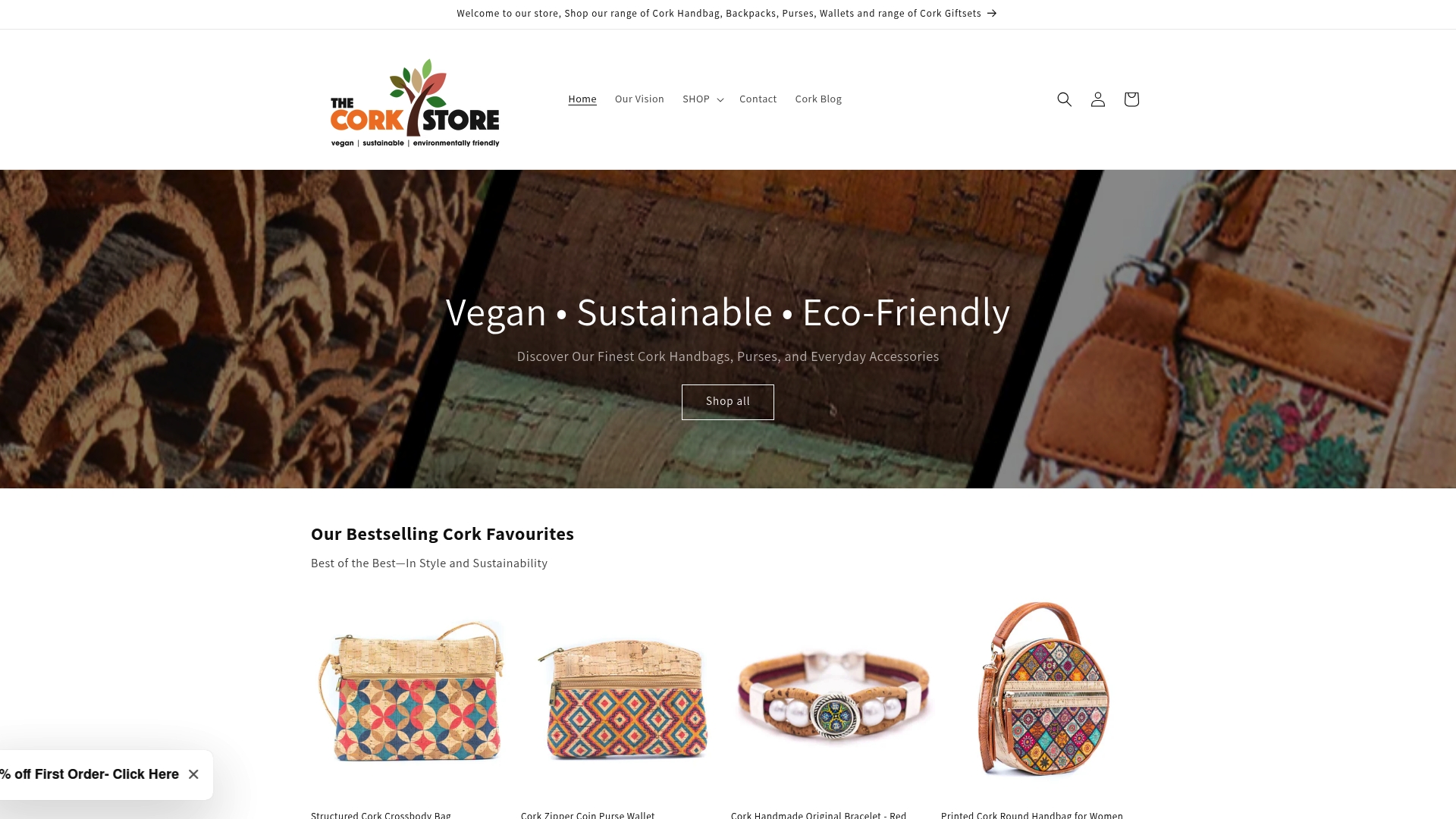
Cork is harvested by stripping bark from living trees, which then regenerate, making it one of the few bag materials that actively supports the ecosystem it comes from. Thecorkstore sells vegan cork handbags, wallets, backpacks, and purses that are cruelty-free, lightweight, and naturally water-resistant. Unlike many brands on this list, there is no need to decode certifications or cross-reference supply chain reports. Cork’s credentials are built into the material itself.
For shoppers who have worked through the ethical purse shopping steps above and want a straightforward, UK-accessible option, Thecorkstore’s range is worth exploring directly. Their eco-friendly bag collection covers everyday styles at accessible price points, with no fast-fashion compromise.
Key takeaways
Ethical purse shopping in 2026 requires verifying certifications, assessing material transparency, and prioritising durability over marketing claims to make purchases that genuinely reflect your values.
| Point | Details |
|---|---|
| Certifications over claims | Fair Trade, B Corp, and GOTS are independently audited; self-declared “eco” labels carry no verified weight. |
| Durability is sustainability | A bag that fails in months creates waste regardless of its materials; assess strap anchors, zippers, and lining before buying. |
| Cost per wear beats sticker price | A durable ethical bag costs less per use over time than a cheap fast-fashion replacement. |
| Greenwashing red flags | Vague terms with no factory names, no audit reports, and no recycled content percentages signal marketing, not accountability. |
| Thecorkstore for cork accessories | Thecorkstore offers vegan cork bags with inherently low-impact credentials, available directly to UK shoppers. |