
Ethical fashion buying process: your 2026 guide
TL;DR:
- The ethical fashion buying process emphasizes choosing sustainable materials, fair labor, and transparent supply chains. Consumers should verify claims through certifications like GOTS, Fair Trade, or OEKO-TEX and limit new purchases to reduce environmental impact. Building a wardrobe with versatile, durable pieces and embracing secondhand shopping fosters long-term responsible consumption.
The ethical fashion buying process is defined as a deliberate sequence of decisions that prioritises sustainable materials, fair labour, supply chain transparency, and end-of-life responsibility for every garment or accessory you purchase. This is not simply about choosing organic cotton over polyester. It is a holistic framework, increasingly guided in 2026 by recognised standards such as GOTS (Global Organic Textile Standard), Fair Trade, and OEKO-TEX, that shapes how you shop, how much you buy, and what you do with clothing when you no longer need it. The core insight is this: responsible fashion shopping is less about finding the perfect ethical product and more about adopting a long-term mindset that rejects the trend cycle entirely.
What materials and production practices define ethical fashion?
The ethical fashion buying process begins at the fibre level. The fabric a garment is made from determines its environmental footprint before a single stitch is sewn. Organic cotton, hemp, Tencel (lyocell), and recycled fibres are the materials most consistently associated with lower impact production. Organic cotton uses 91% less water than conventional cotton. That figure represents millions of litres saved per tonne of fibre, which matters enormously at the scale the global fashion industry operates.
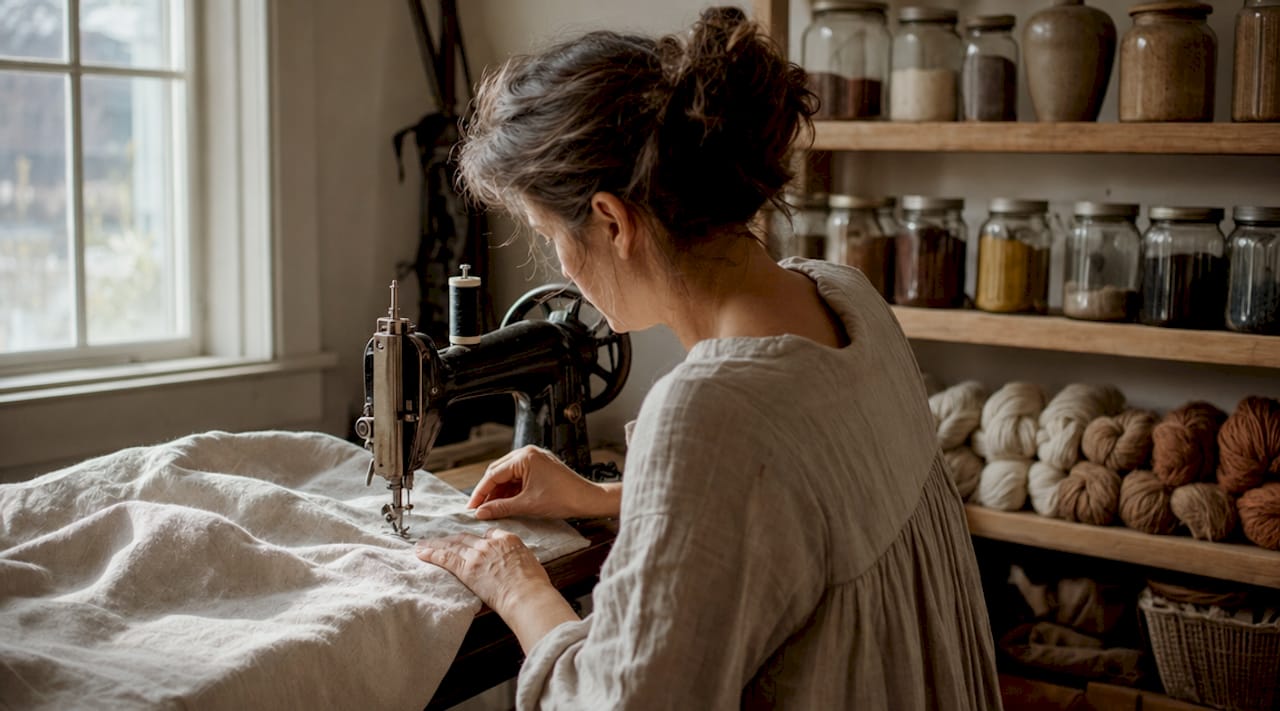
Beyond the fibre itself, ethical production means fair wages, safe factory conditions, and a traceable supply chain. A garment made from organic cotton in a factory where workers are underpaid and unprotected is not an ethical purchase. This is why certifications exist as a shortcut for consumers who cannot audit factories themselves. GOTS, Fair Trade, and OEKO-TEX are the three most credible independent standards to look for on labels and brand websites. Each one verifies a different layer of the production process, from chemical safety to worker welfare.
Greenwashing is the single biggest obstacle to making genuinely eco-friendly apparel decisions. Brands frequently use terms like “conscious collection” or “responsible range” without any third-party verification behind them. These phrases are marketing, not evidence. The practical rule is simple: if a sustainability claim is not backed by a named certification or a published audit, treat it as unverified.
Key sustainable materials to prioritise:
- Organic cotton: GOTS-certified, significantly lower water and pesticide use than conventional cotton
- Hemp: grows with minimal water and no pesticides, naturally soil-enriching
- Tencel (lyocell): produced in a closed-loop process that recaptures 99% of the solvent used
- Recycled polyester: diverts plastic bottles from landfill, though microplastic shedding remains a concern
- Cork: harvested without felling the tree, fully renewable, and naturally vegan
Pro Tip: When checking a brand’s sustainability credentials, go directly to their “Impact” or “Transparency” page rather than the product description. Credible brands publish factory names, audit results, and material sourcing details there.
How can consumers verify ethical claims and avoid greenwashing?
Transparency is the clearest indicator of a genuinely ethical brand. Any company serious about its supply chain will name its factories publicly, publish third-party audit reports, and provide a supply chain map showing where each stage of production occurs. This level of openness is not common, which makes it a reliable filter when you are assessing where to spend your money.
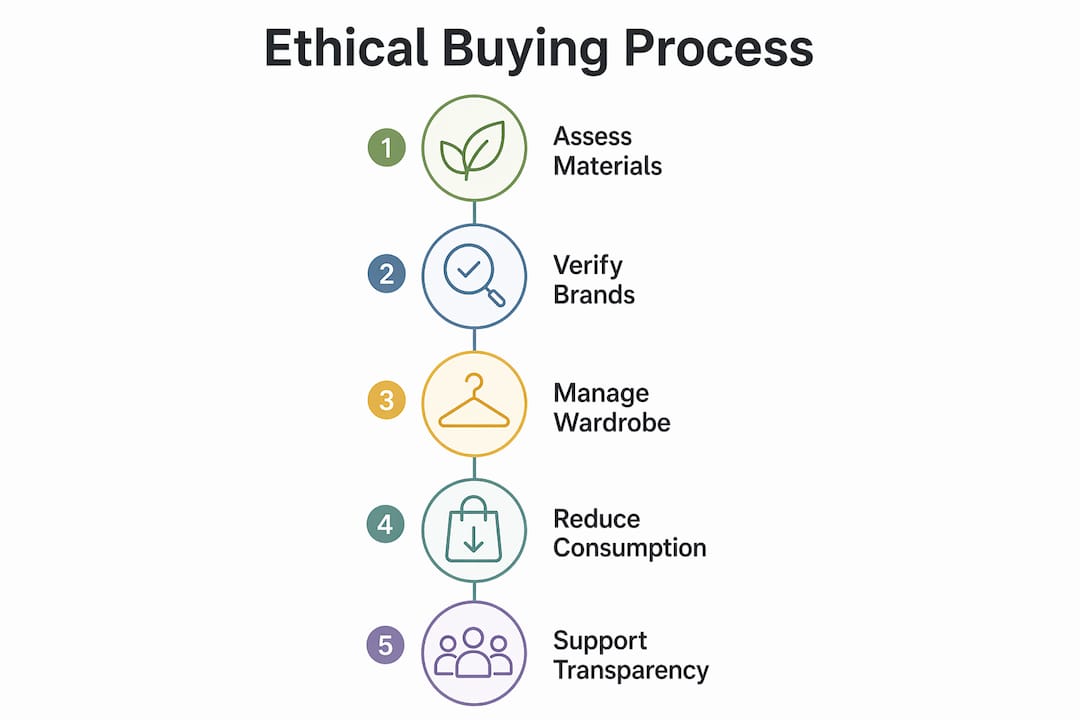
Here is a practical verification process you can apply to any brand before purchasing:
- Search for named factories. Does the brand’s website list the specific manufacturers it works with? Vague references to “trusted partners” are not sufficient.
- Check for third-party certifications. Look for GOTS, Fair Trade, B Corp, or OEKO-TEX logos. Then verify them on the certifying body’s own website, since logos can be faked.
- Read the impact or sustainability report. A credible report includes specific data: percentage of organic materials used, wage levels relative to living wage benchmarks, carbon reduction targets with progress updates.
- Look for a wage policy. Does the brand commit to paying a living wage, not just a legal minimum? This distinction is significant in countries where the legal minimum falls well below what workers need to live.
- Apply the R.E.A.L. checklist. Ask whether the brand is Responsible (in production), Ethical (in labour), Accountable (with published evidence), and Long-lasting (in product durability).
Vague terms like “eco-friendly” without certifications are among the most common red flags in fashion marketing. The absence of specifics is itself informative. A brand that genuinely invests in ethical production has every commercial incentive to prove it.
Pro Tip: Use the Good On You app or the Fashion Transparency Index as independent reference points when researching a brand. Both score brands against publicly available data, saving you significant research time.
What role do consumption habits and wardrobe management play?
Sustainable fashion is fundamentally a mindset, not a product category. The most impactful shift you can make is buying significantly less. Fashion experts recommend limiting new purchases to five items per year, sourcing the remainder from pre-loved, vintage, or rental channels. That figure challenges most people’s current habits, but it reflects the reality that even the most sustainably produced garment has an environmental cost.
The capsule wardrobe model is the most practical framework for reducing consumption without sacrificing style. Capsule wardrobes centre on a small set of versatile pieces that mix and match across multiple outfits, reducing the perceived need for constant new purchases. The goal is not minimalism for its own sake. It is building a wardrobe where every item earns its place through versatility and durability.
Extending the life of garments you already own is equally important. Repair, resale, and rental are not compromises. Buying secondhand is one of the most sustainable choices available to any consumer, because it extends a garment’s useful life without generating new production demand. Platforms like Vinted, Depop, and local charity shops make this genuinely accessible.
| Approach | Environmental benefit | Practical starting point |
|---|---|---|
| Capsule wardrobe | Reduces total consumption and waste | Audit your wardrobe, identify 10 core pieces |
| Secondhand shopping | Extends garment life, no new production | Browse Vinted, Depop, or local charity shops |
| Clothing rental | Eliminates ownership of low-frequency items | Use rental services for occasion wear |
| Repair and mend | Keeps garments out of landfill | Learn basic stitching or find a local tailor |
| Wardrobe audit | Clarifies genuine needs before purchasing | Do a seasonal review before any shopping trip |
How to incorporate ethical fashion buying in everyday shopping decisions
The gap between intention and action is where most ethical fashion commitments break down. Closing that gap requires a pre-shopping routine, not just good values. Before you browse, audit your wardrobe to identify what you actually need. This single step eliminates the majority of impulse purchases that feel justified in the moment but add little lasting value.
When you do shop, ask one question before committing to any purchase: “Will I wear this for at least five years?” That question cuts through trend-driven thinking and forces an honest assessment of whether a piece genuinely fits your life. Buying fewer, higher-quality items balances the higher upfront cost of ethical fashion against the longer replacement cycle. A £90 jacket worn for eight years costs less per wear than a £25 jacket replaced every two years.
Practical habits that support consistent ethical clothing purchasing:
- Prioritise brands that score well on the Fashion Transparency Index or Good On You before browsing their products
- Support local and independent producers where possible, since shorter supply chains are easier to verify
- Use the sustainable fashion terminology guide from Thecorkstore to decode label claims before purchasing
- Set a seasonal clothing budget that accounts for quality over quantity, allocating more per item and buying fewer overall
- Treat accessories as part of the ethical buying process, not an afterthought. Bags, wallets, and belts are often made from leather or synthetic materials with significant environmental and animal welfare costs
What are the common challenges in ethical fashion buying?
Cost is the most cited barrier to ethical clothing purchasing, and it is a legitimate one. Ethically produced garments cost more because the labour and materials are priced honestly. The counterargument is durability: a well-made ethical piece typically outlasts three or four fast fashion equivalents, making the long-term cost competitive. The challenge is that the upfront spend is real, while the savings are spread over years.
Availability and fit present a separate problem. Ethical brands tend to offer narrower size ranges and fewer trend-led styles than mainstream retailers. Secondhand markets can be inconsistent in sizing and availability. The practical solution is to mix: build a core wardrobe from ethical brands and supplement with carefully chosen secondhand pieces, rather than attempting a complete overnight switch.
“The goal is not a perfect ethical wardrobe achieved immediately. It is a gradual shift towards buying less, choosing better, and keeping clothes longer. Progress matters more than perfection.” — National Geographic, fashion sustainability experts
Evolving business models are making ethical fashion more accessible. Clothing rental services now cover everything from everyday basics to occasion wear. Ethical resale platforms curate pre-owned items from verified sustainable brands. These options reduce the cost barrier and expand availability, making responsible fashion shopping a realistic choice for a wider range of budgets.
Key takeaways
The ethical fashion buying process succeeds when you combine material knowledge, brand verification, and a deliberate reduction in overall consumption.
| Point | Details |
|---|---|
| Start with materials | Prioritise GOTS-certified organic cotton, hemp, Tencel, and cork over conventional or synthetic fibres. |
| Verify before you buy | Check for named factories, third-party certifications, and published audit reports before purchasing. |
| Buy significantly less | Experts recommend a maximum of five new garments per year, with the rest sourced secondhand or via rental. |
| Build a capsule wardrobe | Focus on versatile, durable pieces that mix and match, reducing the need for constant new purchases. |
| Reject vague claims | Terms like “eco-friendly” without certification evidence are marketing, not proof of ethical production. |
Why I think the “perfect ethical wardrobe” idea is holding people back
Most articles about ethical fashion frame it as a destination: a wardrobe full of certified, sustainable, cruelty-free pieces. In my experience, that framing is counterproductive. It sets a standard so high that most people feel they cannot start until they can do it completely, which means they never start at all.
What actually moves the needle is the decision to buy less. Not better, necessarily. Less. When I stopped treating shopping as a leisure activity and started treating it as a deliberate act, my relationship with clothing changed entirely. I stopped accumulating things I wore twice and started noticing how much I already owned. The reduce fashion waste principle is not glamorous, but it is the most honest starting point.
The secondhand and repair habits came later, and they came naturally once the consumption habit was broken. I now find more satisfaction in a well-repaired coat or a pre-loved bag with a history than in anything bought new. That shift did not happen because I read the right article. It happened because I gave myself permission to be imperfect and incremental about it. That is the advice I would give anyone starting this process: pick one change, make it stick, and build from there.
— Aaron
How Thecorkstore supports your ethical shopping choices
Thecorkstore was built for exactly the kind of shopper this article is written for: someone who wants style and substance without compromising on ethics or animal welfare.
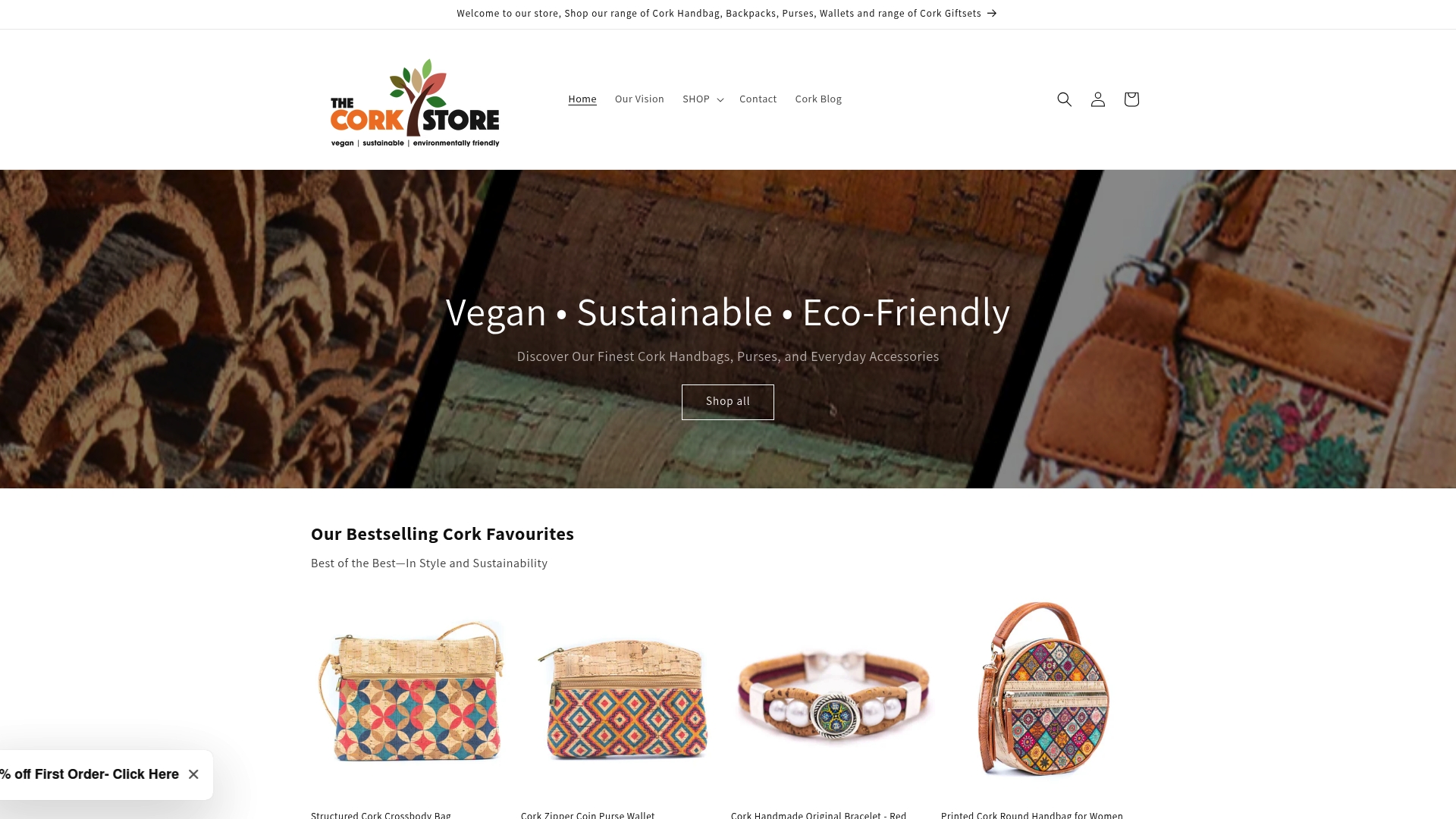
Every product in the Thecorkstore range is crafted from cork, a material that is harvested without felling the tree, fully renewable, and naturally vegan. The cork accessories collection includes handbags, backpacks, wallets, and purses, each designed as a direct alternative to leather with a fraction of the environmental cost. Thecorkstore also publishes blog content covering how to spot sustainable fashion and the broader principles of ethical purchasing, giving you the knowledge to shop confidently beyond the site itself. If you are building a more considered wardrobe, it is a practical place to start.
FAQ
What is the ethical fashion buying process?
The ethical fashion buying process is a structured approach to clothing and accessory purchases that prioritises sustainable materials, fair labour, supply chain transparency, and end-of-life responsibility. It involves verifying brand claims, limiting new purchases, and choosing quality over quantity.
How do I spot greenwashing in fashion brands?
Vague claims without certifications are the clearest sign of greenwashing. Look for named factories, published audit reports, and independent certifications such as GOTS, Fair Trade, or OEKO-TEX to verify that sustainability claims are genuine.
How many new clothes should I buy per year to shop ethically?
Fashion experts recommend no more than five new garments per year, with additional clothing needs met through secondhand, vintage, or rental sources to minimise environmental impact.
Are secondhand clothes a genuinely ethical choice?
Yes. Buying secondhand extends a garment’s useful life and reduces demand for new production, making it one of the most effective sustainable fashion choices available regardless of budget.
What certifications should I look for when buying ethical fashion?
GOTS (Global Organic Textile Standard), OEKO-TEX, and Fair Trade are the three most reliable independent certifications. Each covers a different aspect of production, from material safety to worker welfare, and can be verified directly on the certifying body’s website.