

How to build a sustainable wardrobe in 2026
TL;DR:
- Most people feel overwhelmed when starting to build an ethical wardrobe due to conflicting advice and claims.
- Beginning with a thorough wardrobe audit of existing items helps identify what truly gets worn and reduces unnecessary purchases.
- Practicing mindful shopping, proper garment care, and regular reassessments ensures a sustainable wardrobe that reflects real-life needs.
Most people who want to dress more ethically feel overwhelmed before they begin. The sheer volume of advice, certifications, and conflicting claims makes learning how to build a sustainable wardrobe feel like a second job. But the process is far more practical than it appears, and it almost certainly starts with what you already own. This guide cuts through the noise with a step-by-step approach, from auditing your existing clothes to making smarter purchases, caring for what you have, and maintaining genuinely ethical clothing choices for the long term.
Table of Contents
- Key takeaways
- How to build a sustainable wardrobe from your existing clothes
- Making mindful, ethical purchases
- Caring for clothes to make them last
- Maintaining a sustainable wardrobe long term
- My honest take on building a sustainable wardrobe
- Complete your wardrobe with ethical accessories
- FAQ
Key takeaways
| Point | Details |
|---|---|
| Start with what you own | Audit your wardrobe first before spending money on new sustainable pieces. |
| Buy fewer, better quality pieces | Choosing versatile, certified clothing reduces environmental impact more than fabric type alone. |
| Certifications matter | Look for GOTS, Fair Trade, and OEKO-TEX labels to verify sustainability claims before buying. |
| Care extends garment life | Washing in cold water and air-drying significantly slows colour loss and fibre damage. |
| One-in, one-out keeps balance | Adopting a simple swap rule prevents accumulation and maintains a considered wardrobe over time. |
How to build a sustainable wardrobe from your existing clothes
The single most overlooked step in any building an eco wardrobe guide is this: shop your wardrobe before you shop anywhere else. Shopping your own wardrobe first has a bigger positive impact than almost any material or brand choice you could make.
Start with a proper audit. Pull everything out and sort it into four piles using a method that actually works:
- Wear and love. These are your keepers. They fit well, suit your real life, and you reach for them consistently.
- Wear but neutral. You put them on, but they feel like filler. These are candidates for reconsideration.
- Might wear. You haven’t worn them recently but aren’t ready to let go. Box these up and review after a season, roughly three months. If you never reached for them, that tells you everything.
- Won’t wear. Remove these immediately. Donate, swap, or recycle them rather than letting them gather dust.
This process forms the foundation of building a capsule wardrobe that reflects real life rather than aspirational fantasies. The mistake most people make is curating a wardrobe for the person they want to be rather than the life they actually live. If you work from home five days a week, you do not need seven formal blouses.
Once you know what you genuinely wear, seasonal rotation becomes straightforward. Storing off-season items frees up visual space and helps you get creative with what remains. You will often rediscover pieces you forgot you owned, which reduces the urge to buy something new.
Pro Tip: Before putting anything in the “might” box, photograph the full pile. Revisiting those photos in three months often makes the decision obvious without needing to dig through storage.
Making mindful, ethical purchases
Once you know the gaps in your wardrobe, resist the urge to fill them all at once. Buying fewer clothes is the single most important thing you can do to limit your climate impact. Every new garment has a carbon cost before it even reaches your door.
When you do buy, apply a simple rule: only purchase an item if it pairs with at least three things you already own. This one criterion eliminates most impulse buys and keeps your wardrobe genuinely cohesive. You can learn more about spotting sustainable materials to make better decisions at the point of purchase.
Here is what to look for when evaluating a potential purchase:
- Verified certifications. Check GOTS, Fair Trade, and OEKO-TEX using their official online databases, not just the brand’s own claims. Greenwashing is rife, and a label on a hangtag proves nothing without verification.
- Fabric and lifecycle. Natural fibres like organic cotton or linen biodegrade more easily, but durability and frequency of use matter more than fibre type alone. A recycled polyester jacket worn 200 times beats an organic linen shirt worn twice.
- Secondhand and vintage options. Buying secondhand extends garment life and reduces carbon footprint directly. Charity shops, vintage markets, and clothing rental platforms are all worth exploring before buying new.
- Transparent brands. Look for companies that publish supplier information, pay audits, and material sourcing details. Transparency is a sign of genuine commitment, not just marketing.
| Buying option | Environmental benefit | Cost consideration |
|---|---|---|
| Secondhand / vintage | High: extends existing garment life | Low to medium cost |
| Certified new item | Medium: reduces harm at production | Medium to high cost |
| Clothing rental | High: no permanent ownership needed | Ongoing subscription cost |
| Fast fashion new | Low: high environmental cost | Low upfront cost |
Pro Tip: Write a shopping list of specific wardrobe gaps before you browse anything online. Without a list, browsing becomes a trigger for buying things you never actually needed.
Caring for clothes to make them last
Buying well is only half the equation. How you care for your clothes determines whether a quality piece lasts three years or fifteen. This is where most people quietly undermine their own sustainable intentions.
Key habits that genuinely extend garment life:
- Wash less frequently. Most clothes do not need washing after a single wear. Airing a garment for a few hours after wearing it refreshes it without the wear and tear of a wash cycle.
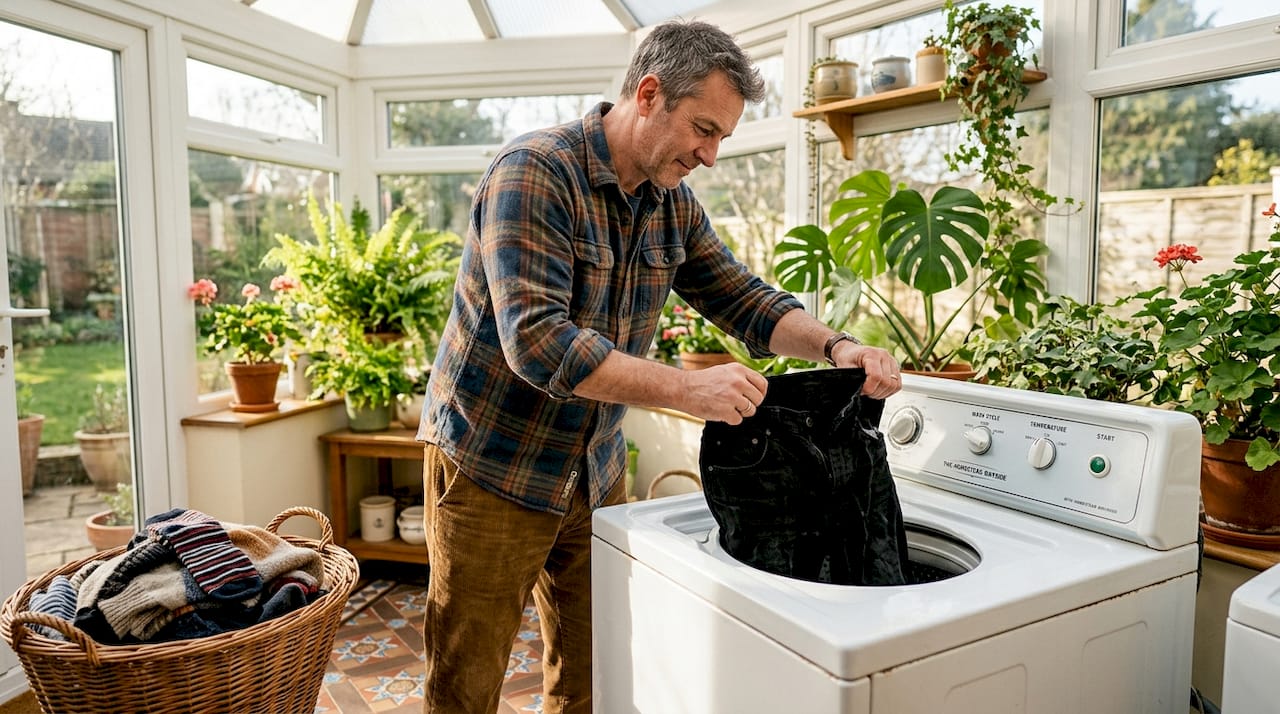
- Use cold, short cycles. Colder, shorter cycles reduce colour loss compared to warmer, longer washing. This applies to most everyday fabrics including cotton and synthetic blends.
- Air-dry whenever possible. Tumble drying causes more tensile strength loss than air drying. A simple clothes airer is one of the most sustainable purchases you can make.
- Learn basic mending. Replacing buttons, fixing hems, and repairing small holes prevents premature replacement. These are skills that take an hour to learn and save significant money over time.
- Store clothes properly. Fold knitwear rather than hanging it, use cedar blocks instead of chemical moth repellents, and avoid overpacking drawers. Compression damages fibres and distorts shape over repeated cycles.
Pro Tip: Turn dark garments inside out before washing. It makes a visible difference to colour retention over dozens of wash cycles and costs nothing to do.
Proper care is arguably the most underrated part of any fashion sustainability guide. A £30 jumper cared for properly can outlast a £120 one that gets tumble-dried every week.
Maintaining a sustainable wardrobe long term
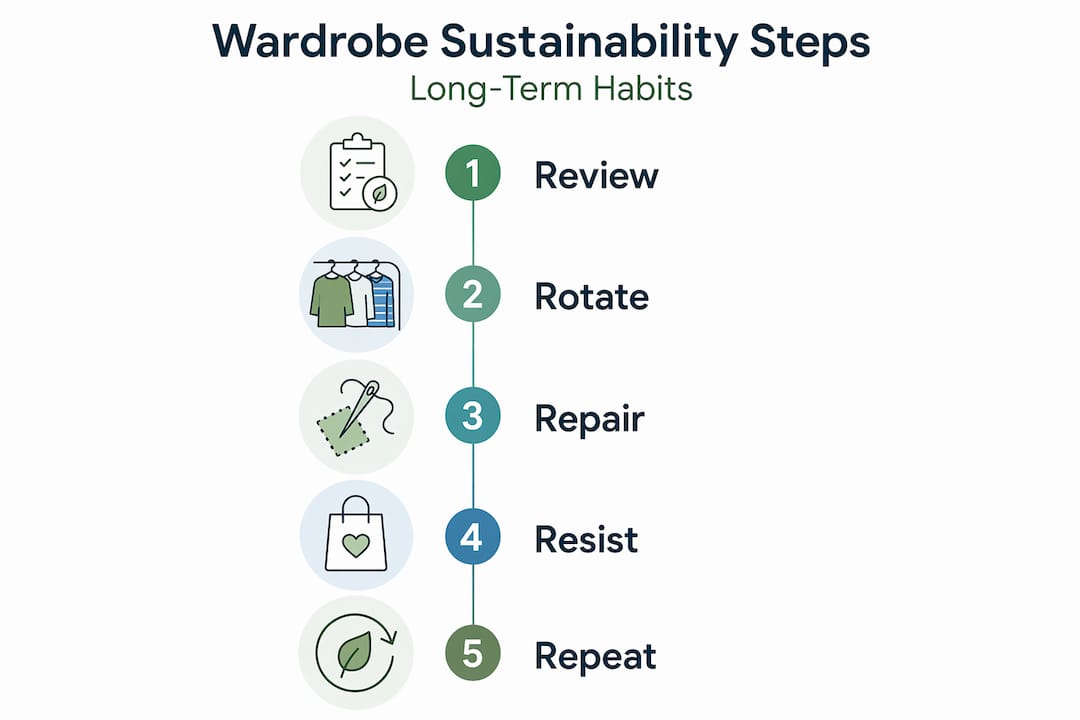
Building a sustainable wardrobe is not a one-time project. It is an ongoing habit that gets easier the more you practise it. These strategies help you stay on track without it feeling like constant effort.
- Apply the one-in, one-out rule. New items mean old ones leave. This prevents slow accumulation and forces genuine consideration before every purchase.
- Track cost per wear. Divide the price of a garment by the number of times you have worn it. A £90 coat worn 150 times costs 60p per wear. A £25 top worn twice costs £12.50 per wear. This framing shifts your focus from price tags to actual value.
- Do seasonal reassessments. Every time the weather changes, take twenty minutes to review what you have. Refresh the “might” pile, rotate storage, and identify any real gaps before the new season begins.
- Engage with clothing swaps. Community swap events and online swap platforms let you refresh your wardrobe without spending money or generating new demand. They also solve the “I’m bored of this but it’s still good” problem elegantly.
A wardrobe built around real occasions and actual weather is the only kind that stays genuinely functional. Build for the life you have, not the one you imagine.
Avoiding common capsule wardrobe pitfalls matters here too. Many people build a perfect-looking wardrobe on paper then find it does not match their daily reality. If your real life involves muddy walks, school runs, and casual weekends, a wardrobe of cream linen and silk blouses will feel aspirational rather than useful. You can find practical eco-friendly wardrobe ideas that work with real-life routines rather than against them. Wardrobe organisation tips matter most when they reflect how you actually live.
My honest take on building a sustainable wardrobe
I spent years buying “sustainable” pieces without ever addressing the real problem: I had too many clothes and wore a fraction of them. What actually changed my approach was doing a proper wardrobe audit and sitting with the discomfort of realising how much I had accumulated despite caring about sustainability.
The hardest part was not learning about certifications or finding ethical brands. It was being honest about what I actually wear versus what I bought with good intentions and never touched. Those aspirational purchases, the linen trousers for a Mediterranean lifestyle I do not live, were my biggest source of waste.
What genuinely helped was simplifying my care routine and noticing how much longer pieces lasted. A merino wool jumper I nearly discarded three years ago is still in regular rotation because I started air-drying it and mending small pulls. That one change saved me from buying a replacement I did not need.
My advice: start with your existing wardrobe and give yourself a full season before buying anything new. You will almost certainly discover you have more than enough to work with. The goal is not a perfect capsule wardrobe. It is a wardrobe you actually use, care for, and feel good wearing.
— Aaron
Complete your wardrobe with ethical accessories
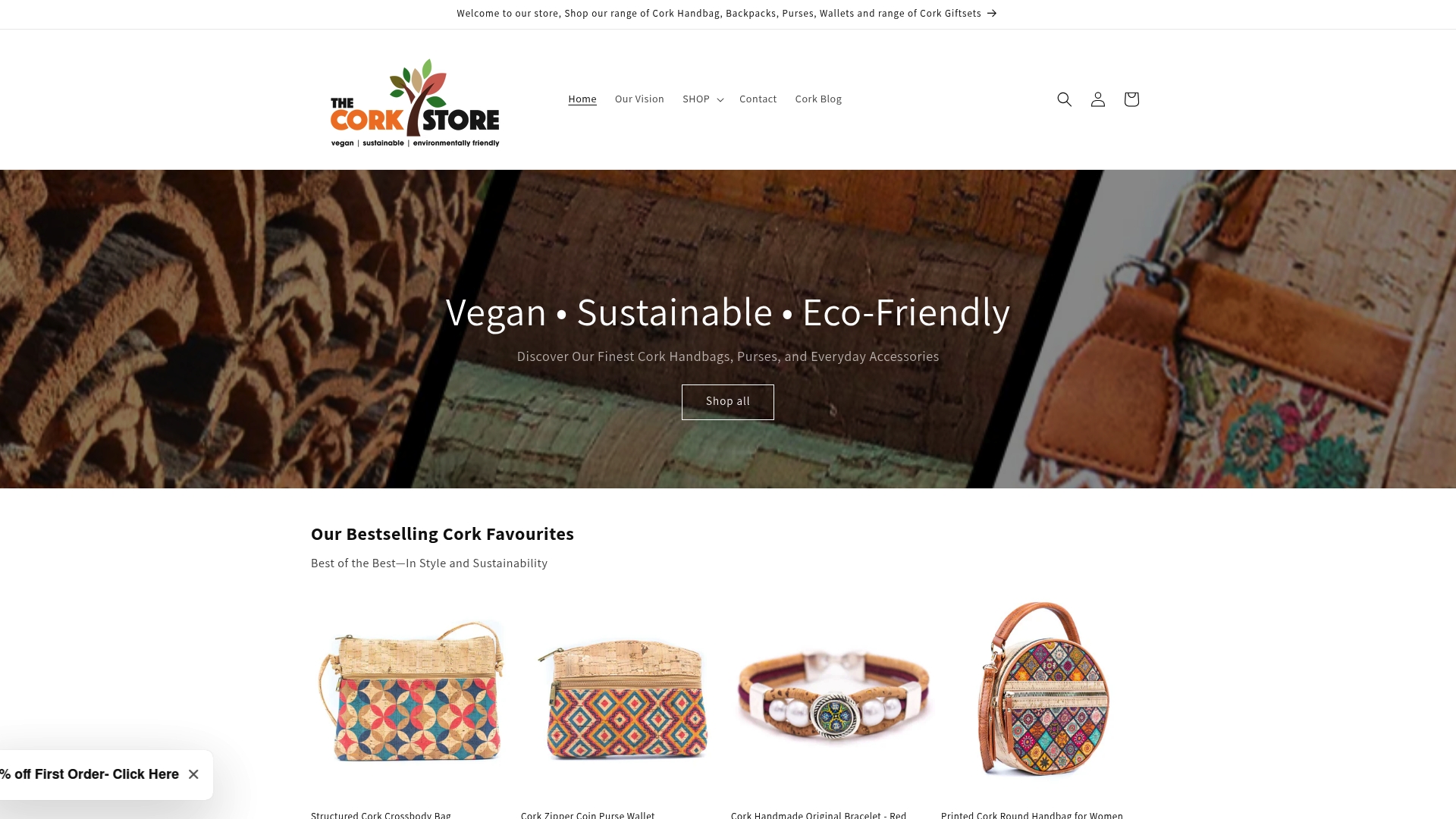
A sustainable wardrobe does not stop at clothing. The accessories you carry every day, your wallet, your bag, your card holder, are part of the same ethical equation. At Thecorkstore, every product is made from natural cork, a material that is harvested without cutting down trees and is fully biodegradable. It is one of the few materials that is genuinely sustainable rather than just marketed as such.
The cork zipper coin purse wallet is a practical starting point: compact, durable, and free from animal products. If you prefer something with a bit more structure, the marine cork wallet offers the same ethical credentials in a sleek, everyday format. Both are designed to last, which is exactly the standard a sustainable wardrobe demands from every item you carry.
FAQ
What is the first step to building a sustainable wardrobe?
Start with a wardrobe audit before buying anything new. Sort your existing clothes into categories based on what you genuinely wear, and remove items you have not reached for in a full season.
Which fabric certifications should I look for when buying clothes?
Look for GOTS (Global Organic Textile Standard), Fair Trade, and OEKO-TEX certifications. Always verify these on the official certification databases rather than relying solely on brand claims.
Does secondhand clothing count as sustainable fashion?
Yes. Buying secondhand extends the life of an existing garment and directly reduces the carbon footprint associated with new production. It is one of the most effective ethical clothing choices available.
How often should I review my wardrobe?
A seasonal review, roughly every three months, is enough for most people. It helps you rotate storage, identify genuine gaps, and remove items that no longer serve your real life.
How does washing affect clothing sustainability?
Washing in cold, short cycles and air-drying significantly reduces colour loss and fibre damage, extending garment life. Washing less frequently and mending small issues rather than discarding garments both reduce clothing waste over time.
Recommended
- How to Build Eco-Friendly Outfits With Sustainable Style – The Cork Store
- Eco-Friendly Fashion Tips: Upgrade Your Wardrobe Sustainably – The Cork Store
- 7 Practical Ways to Reduce Fashion Waste for a Greener Closet – The Cork Store
- How to Spot Sustainable Fashion: A Step-by-Step Guide – The Cork Store