

Features of Eco Purses: Stylish Choices for 2026
Choosing a purse that matches your values and lifestyle no longer means settling for less. As the world of sustainable fashion evolves, eco purses blend style, durability, and ethical credentials in ways that rival traditional luxury options. For women who refuse to compromise on vegan and cruelty-free standards, modern eco purses champion innovation with plant-based leathers and transparent production. Discover how these thoughtfully designed accessories offer both style confidence and a softer footprint for the planet.
Table of Contents
- What Defines An Eco Purse Today
- Common Types And Material Innovations
- Key Functional Features And Benefits
- Style Trends In Vegan Cork Purses
- Practical Considerations For Everyday Use
- Comparing Eco Purses To Traditional Options
Key Takeaways
| Point | Details |
|---|---|
| Sustainability Focus | Eco purses prioritise sustainable materials and ethical manufacturing practices, differentiating themselves from traditional handbags. |
| Longevity and Durability | Designed for extended use, eco purses reduce overall consumption and waste compared to disposable fashion. |
| Material Innovations | Modern eco purses utilise plant-based leathers and recycled materials, combining functionality with ethical considerations. |
| Transparency in Sourcing | Consumers are increasingly demanding brands provide transparent information about material sourcing and production, fostering trust and accountability. |
What Defines an Eco Purse Today
An eco purse stands apart from conventional handbags through its fundamental commitment to reducing environmental harm. Unlike traditional leather bags that rely on animal agriculture and resource-intensive tanning processes, sustainable eco purses prioritise materials that work with nature rather than against it. These bags incorporate plant-based alternatives like cork, recycled fabrics, and other renewable materials that minimise the carbon footprint throughout their entire lifecycle. What makes this approach genuinely different is that sustainability isn’t an afterthought or marketing angle—it’s baked into every design decision from concept to your hands.
The defining characteristics of a modern eco purse go beyond material choice alone. Manufacturing practices matter just as much. Ethical production means fair wages for workers, safe working conditions, and supply chains you can actually trace. It means vegan production methods that exclude all animal products, reflecting the values of conscious consumers who refuse to compromise their principles for style. The craftsmanship emphasis is equally important. Quality construction means your purse lasts years, not seasons. A well-made eco purse becomes a lasting investment rather than disposable fast fashion, dramatically reducing the number of bags you need to buy throughout your life. This durability directly translates to less waste ending up in landfills and fewer resources consumed over time.
What you’ll notice immediately with today’s eco purses is that the “eco” part doesn’t demand aesthetic sacrifice. These aren’t dull, uninspired designs. Cork material, for instance, offers natural variation in colour and texture that gives each bag genuine character. You get a piece that works with your wardrobe, fits your lifestyle, and aligns with your values without asking you to look like you’re making a sacrifice. The 2026 eco purse landscape reflects a maturity in sustainable fashion—designers have moved past proving that eco-friendly can be beautiful. They’re now competing on the same style standards as mainstream fashion, simply with a conscience attached.
Pro tip: When evaluating an eco purse, check whether the brand transparently shares information about material sourcing and manufacturing locations; this transparency indicates genuine commitment to sustainability rather than superficial green-washing.
Common Types and Material Innovations
The eco purse market in 2026 thrives on material diversity that would have seemed impossible just a few years ago. Plant-based leather alternatives have moved from niche experimentation into mainstream production. Mushroom leather, derived from mycelium, offers genuine durability whilst being completely cruelty-free. Cactus leather provides a softer feel with minimal water consumption during cultivation. Apple leather utilises agricultural waste that would otherwise be discarded, transforming leftover pulp into supple material. These innovations aren’t gimmicks—they perform alongside traditional materials, offering genuine functionality without the ethical compromises. Cork itself remains a standout option, combining lightweight properties with natural water resistance and distinctive aesthetic appeal that appeals to women seeking individuality in their accessories.
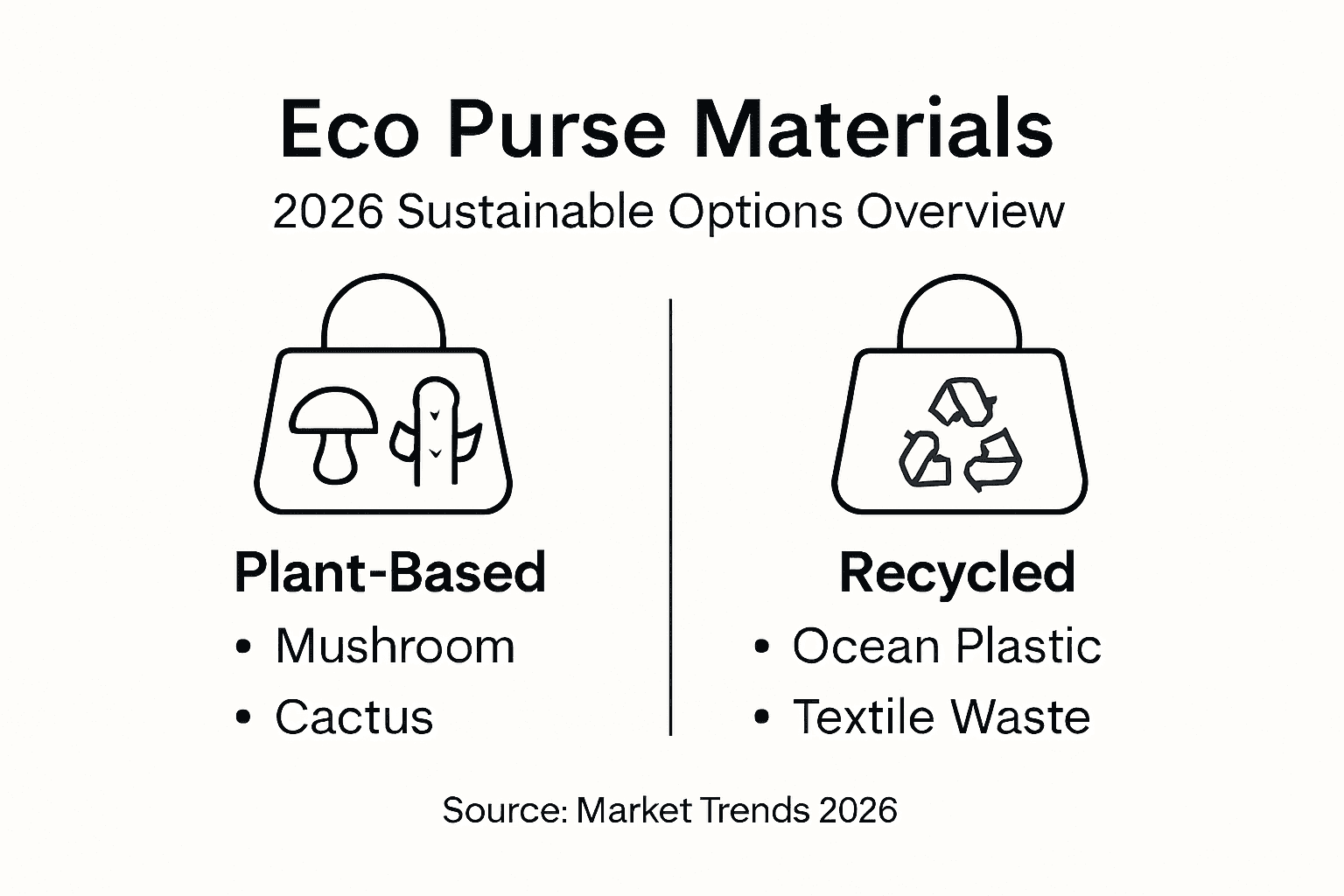
Beyond plant-based innovations, recycled plastic materials have become practical production staples. Ocean-bound plastics, reclaimed textiles, and upcycled fabrics transform waste streams into beautiful purses. Certified organic cotton fills the gap for natural fibre options that skip pesticides and synthetic chemicals entirely. What makes 2026 different from previous years is the functionality built into these designs. Multi-purpose purses emerge as the standard rather than the exception. You get convertible straps, modular compartments, and versatile silhouettes that adapt to your work commute, weekend outings, or travel needs without requiring multiple bags. This design philosophy directly supports the eco-conscious lifestyle by reducing consumption—one thoughtfully designed purse replaces what used to require three.
Transparency has become non-negotiable in material selection. Brands now publish detailed sourcing information, showing exactly where materials originate and how they’re processed. You can trace your purse back through the supply chain, understanding the environmental impact of every choice made. This level of accountability wasn’t common five years ago, but conscious consumers demanded it. The result benefits everyone. Manufacturers who cut corners get exposed quickly. Those who genuinely invest in sustainable practices gain customer loyalty from women who value honesty and environmental responsibility equally. The textile industry’s evolution reflects your values directly—what you choose to purchase shapes what companies develop next.
Pro tip: Check product descriptions for material certifications like GRS (Global Recycled Standard) or FSC (Forest Stewardship Council), which provide independent verification that materials genuinely meet sustainability claims rather than relying solely on brand marketing.
Here’s a concise comparison of key eco purse materials and their performance aspects for 2026:
| Material | Durability | Water Resistance | Environmental Benefit |
|---|---|---|---|
| Cork | Lasts 7-10 years | Naturally water resistant | Harvested renewably; biodegradable |
| Mushroom Leather | High; resists daily wear | Moderate when treated | Biodegradable; low-impact production |
| Cactus Leather | Supple, long lifespan | Moisture resistant | Grows with minimal water use |
| Apple Leather | Robust under normal use | Often treated for resistance | Made from food industry waste |
| Recycled Plastics | Good with reinforced builds | Varies by processing | Reduces landfill and ocean waste |
| Organic Cotton | Moderate; not waterproof | Limited | Avoids pesticides and chemicals |
Key Functional Features and Benefits
Today’s eco purses go far beyond looking good on your shoulder. They’re engineered to work harder and smarter than ever before. Smart technology integration has arrived quietly in sustainable fashion. Some models now include wireless charging capabilities for your phone, Bluetooth connectivity to locate your purse if misplaced, and even biometric anti-theft technology that protects your belongings with the same security you’d expect from high-end electronics. These aren’t gimmicks bolted onto an afterthought. They’re thoughtfully integrated into designs that maintain the aesthetic simplicity eco-conscious consumers value. You get genuine convenience without sacrificing the minimalist sensibility that drew you to sustainable fashion in the first place.
The real functional magic lies in versatility. Modern eco purses prioritise multi-purpose design that adapts to your actual life rather than forcing you to own separate bags for separate occasions. Convertible straps transform a shoulder bag into a crossbody in seconds. Modular compartments reconfigure to accommodate different items depending on whether you’re heading to the office, the gym, or a weekend trip. Some feature detachable pouches that function independently as clutches or cosmetics organisers. This adaptability directly supports the minimalistic consumption philosophy that defines eco-conscious living. Rather than buying three purses for three situations, you invest in one beautifully designed piece that evolves with your needs. Artisan craftsmanship ensures these purses withstand years of daily use, meaning your investment pays dividends through genuine longevity.
The durability advantage cannot be overstated. Eco purses built with quality materials and ethical manufacturing practices simply last longer. That translates directly to environmental benefit. A purse you use for seven years instead of two years reduces your consumption by 71 percent. The secondary benefits accumulate too. You’re not replacing worn bags constantly, which means less waste in landfills, fewer manufacturing emissions, and fewer resources depleted from the planet. Beyond environmental impact, there’s the personal advantage of owning something reliable. You know your purse will hold up through daily commutes, travel, and life’s unpredictable moments. The peace of mind matters. You’re purchasing something that respects both your values and your practical needs simultaneously.
Pro tip: Look for purses featuring removable, replaceable components like straps or hardware, allowing you to refresh the bag’s appearance or extend its life without discarding the entire piece when one element wears out.
Style Trends in Vegan Cork Purses
Cork purses occupy a unique space in the 2026 sustainable fashion landscape. The material itself tells a story through its visual character. That natural matte finish and distinctive texture variation creates visual interest without screaming for attention. Each piece carries its own subtle personality. The warm, earthy tones range from light honey to deep chocolate, meaning you’re not buying into a mass-produced uniformity. Instead, you get something genuinely individual that works with multiple outfits and aesthetics. This versatility appeals to women building capsule wardrobes who want pieces that function across seasons and style moods. A cork purse doesn’t demand you match it precisely. It complements and flows naturally with most colour palettes.
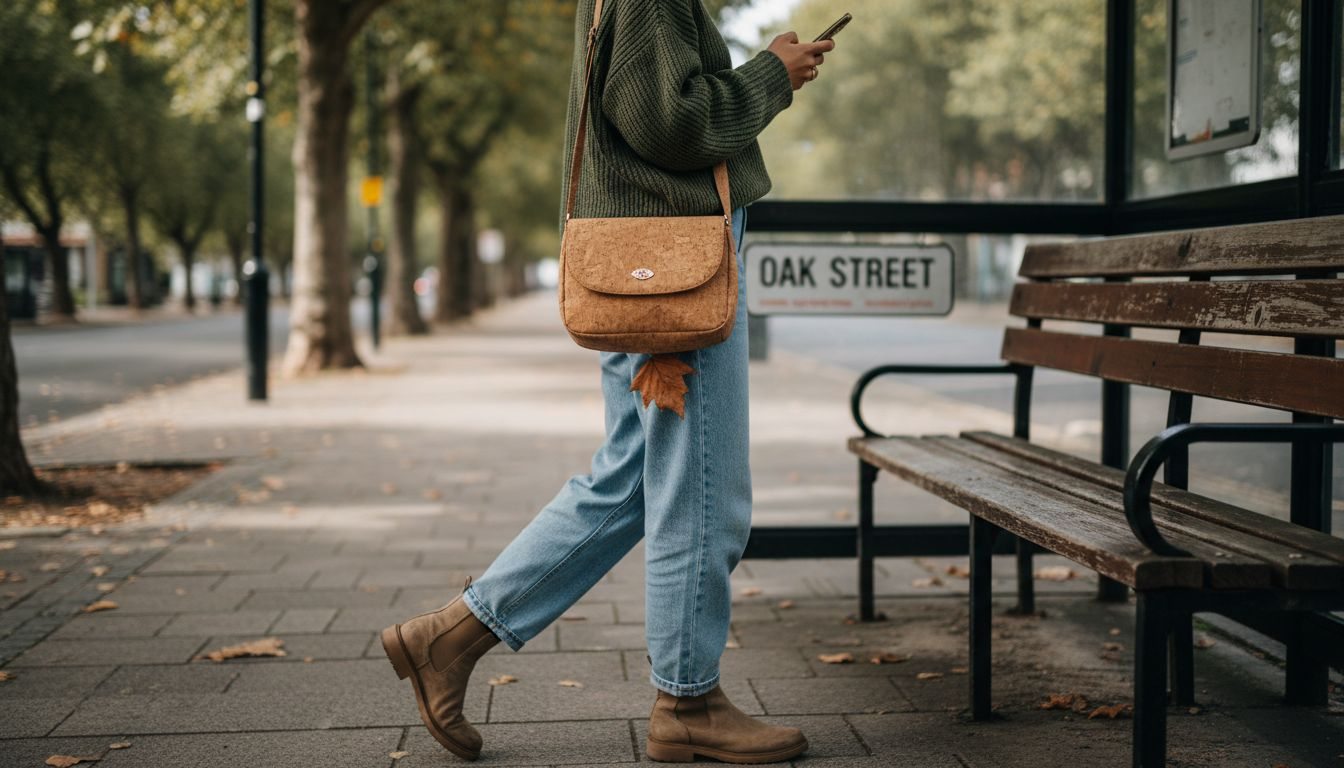
Timeless shapes dominate the trend conversation for cork purses in 2026. Minimalist silhouettes that eschew excessive hardware and ornamental details reign supreme. Structured totes, elegant crossbody designs, and understated shoulder bags represent the core aesthetic. Understanding vegan purse features helps clarify why simplicity matters so much in sustainable fashion. When design focuses on clean lines and functional elegance rather than seasonal trends, your purse remains stylish for years, not months. The construction quality becomes visible and appreciated. You see the stitching, the hardware, the thoughtful details that make the piece work beautifully. Organic dyes and recycled cotton linings represent the finishing touches that complete the ethical narrative. These materials add softness and sophistication without compromising sustainability credentials.
The colour story in cork purses for 2026 emphasises natural warmth and earth tones. Rather than pursuing vibrant artificials, brands are developing sophisticated palettes derived from organic dyes. Burnt sienna, terracotta, sage, charcoal, and natural cork tones create a cohesive collection that feels current without chasing fleeting trends. This approach appeals deeply to eco-conscious women aged 25 to 40 who’ve moved beyond fast fashion psychology. You’re not replacing your purse seasonally. You’re investing in something designed to anchor your style for the long term. The result is a wardrobe that becomes more harmonious and intentional. Mixing and matching becomes easier when pieces share a unified colour philosophy rather than competing for attention.
Pro tip: Layer your cork purse with other sustainable accessories in complementary earth tones to create a cohesive, intentional look that communicates your values without requiring explanation.
Practical Considerations for Everyday Use
Your eco purse needs to work as hard as you do. That means thinking beyond aesthetics and considering real-world functionality. The best sustainable purses balance style with genuine utility. Modular compartments matter more than you might initially think. Rather than one large, chaotic space where everything mingles together, thoughtfully designed sections keep your essentials organised and accessible. You’ll find your keys without emptying the entire bag. Your phone stays separate from your cosmetics. Cards and cash have designated homes. This organisation saves time daily and reduces the frustration of searching through a jumbled interior. When your purse is well-organised, you actually use it more intentionally, reaching for it confidently knowing exactly where everything sits.
Weatherproofing deserves serious consideration for everyday reliability. Cork naturally offers water resistance due to its cellular structure, but quality eco purses go further. Waterproof materials and durable construction mean your purse handles British weather without complaint. Rain, unexpected spills, and everyday moisture won’t compromise your belongings. Convertible straps add another practical dimension. You might carry your purse as a shoulder bag during your commute, switch to crossbody positioning when navigating crowded public transport, or wear it as a backpack when your hands need freedom. This adaptability means one purse genuinely serves multiple lifestyle scenarios without requiring adjustments or compromises. Capacity matters too. Your everyday purse should comfortably hold your essentials without forcing you into an oversized tote or cramped clutch. The sweet spot accommodates your phone, wallet, keys, cosmetics, and perhaps a small notebook, without becoming bulky or uncomfortable to carry.
Longevity translates directly to practicality. A purse built to last 7 to 10 years becomes increasingly practical the longer you own it. You stop worrying about wear patterns or damage. The patina that develops on cork actually enhances character rather than suggesting decline. You’ve invested in something reliable that improves with age. This psychological shift matters. Rather than treating your purse as temporary and disposable, you develop genuine attachment and care for something designed to be with you through multiple seasons and life chapters. The practical advantage extends beyond your lifestyle. Durable, long-lasting bags reduce consumption pressure. You’re not constantly shopping for replacements, which simplifies your wardrobe planning and budget allocation.
Pro tip: Choose a purse with an interior zippered pocket for valuables and a structured base that helps it maintain shape even when fully loaded, preventing uncomfortable slouching that strains your shoulder.
Comparing Eco Purses to Traditional Options
Traditional leather purses have held cultural cachet for decades, symbolising luxury and timelessness. Yet this prestige comes with genuine costs that eco-conscious consumers increasingly refuse to accept. Animal leather production consumes vast quantities of water, generates significant chemical waste during tanning, and contributes to deforestation for cattle ranching. The workers in leather factories often face hazardous conditions with minimal protections. Beyond environmental concerns, the ethics of animal agriculture clash fundamentally with vegan and cruelty-free values. Eco purses eliminate this entire ethical dilemma by starting with different materials. Plant-based leathers, recycled fabrics, and cork sidestep animal agriculture entirely whilst offering comparable durability and aesthetic appeal. You get the luxury without the moral compromise.
The comparison extends to supply chain transparency. Traditional leather brands rarely disclose complete sourcing information, leaving consumers uncertain about true environmental impact and labour conditions. Sustainable purse options prioritise transparency deliberately. You can trace your purse back through the supply chain, understanding exactly where materials originate and how production unfolds. This accountability matters deeply. When brands openly share information about working conditions, environmental practices, and material sourcing, they’re signalling confidence in their ethics. They’re inviting scrutiny rather than hiding behind marketing language. Brands operating this way tend to genuinely earn customer loyalty rather than relying on established prestige to maintain sales.
Performance comparisons reveal another advantage for eco purses. Modern sustainable materials deliver genuine functionality rather than making aesthetic sacrifices. Cork offers water resistance naturally. Recycled materials perform comparably to virgin synthetics. Upcycled leather alternatives match traditional leather durability whilst eliminating animal cruelty. Meanwhile, eco purses integrate smart technology, modular compartments, and convertible designs that traditional options rarely offer. You’re not choosing between style and values. You’re choosing between outdated prestige and modern innovation. The aesthetic quality stands toe to toe with established luxury brands. What distinguishes eco purses is that they also respect your conscience. For women aged 25 to 40 who’ve evolved beyond mindless consumption, this combination represents genuine luxury. A beautiful purse that aligns with your values carries more satisfaction than one that contradicts them.
The following table outlines the main differences between eco purses and traditional leather purses:
| Aspect | Eco Purses | Traditional Leather Purses |
|---|---|---|
| Source of Materials | Plant-based, recycled | Animal-derived |
| Supply Chain Transparency | Frequently disclosed | Rarely disclosed |
| Longevity | Designed for extended use | Varies; sometimes short-lived |
| Ethical Considerations | Vegan, cruelty-free | Involves animal agriculture |
| Functional Features | Modular, tech-enabled | Limited adaptability |
| Environmental Impact | Reduced footprint | High resource consumption |
Pro tip: When evaluating purses, compare the price per year of wear rather than upfront cost; a £120 eco purse lasting 8 years costs just £15 annually, often comparing favourably to traditional options replaced more frequently.
Discover Stylish and Sustainable Eco Purses Crafted Just for You
If you are seeking durable, ethically made, and beautiful purses that align with your eco-conscious values, explore our curated collection of Eco-Friendly Women’s Cork Purses & Wallets | Stylish & Sustainable. Crafted from premium cork, these purses embody the innovative material features discussed in the article, including natural water resistance, vegan construction, and timeless design that adapts perfectly to your lifestyle.
Make your next purse a long-lasting investment that reflects your values. Visit The Cork Store today and choose from an elegant range of Women’s Cork Handbags | Sustainable & Vegan Bags or explore our Chic & Sustainable: Stylish Ladies’ Cork Crossover Bags Collection for versatile options designed to elevate your everyday style while honouring the planet. Act now to embrace a purse that offers both function and conscience with every wear.
Frequently Asked Questions
What are the main materials used in eco purses for 2026?
Eco purses in 2026 are primarily made from plant-based leathers like mushroom, cactus, and apple leather, as well as materials such as cork, recycled plastics, and certified organic cotton. These materials are sustainably sourced and produced, reducing environmental impact.
How do eco purses ensure durability compared to traditional leather bags?
Eco purses are designed for longevity, often lasting 7 to 10 years due to high-quality craftsmanship and materials. Unlike traditional leather bags, which may require frequent replacement, eco purses focus on durability and smart technology integration, providing a more sustainable choice over time.
What functional features can I expect from modern eco purses?
Modern eco purses often include multi-purpose designs, such as convertible straps, modular compartments, and features like wireless charging and anti-theft technology. These advancements enhance usability without sacrificing style, making them suitable for various occasions.
How does transparency in sourcing materials benefit consumers?
Transparency in sourcing materials allows consumers to trace the environmental impact of their purchases. Eco purse brands often disclose where and how their materials are produced, providing peace of mind for conscious consumers who value sustainability and ethical practices.
Recommended
- What Is an Eco Purse? Style With a Conscience – The Cork Store
- Why Invest in Eco Handbags: Sustainable Style and Impact – The Cork Store
- 7 Top Eco Handbags for Sustainable Fashion Lovers – The Cork Store
- Benefits of Eco-Friendly Handbags: Complete Guide – The Cork Store
- Eco-Friendly Filtration: Health And Environmental Impact - Coway Water Purifier