
Innovation in sustainable cork accessories for 2026
Cork oak forests absorb nearly 14 million tonnes of CO2 annually, yet many still question whether cork can deliver the style and durability needed for everyday accessories. The truth is that modern innovations in cork processing have transformed this renewable material into a versatile, elegant alternative to leather and synthetics. This guide explores how technological advances make cork accessories both fashionable and practical, dispelling myths whilst highlighting the environmental benefits that matter most to conscious consumers.
Table of Contents
- Understanding Cork As A Renewable Material
- Innovations In Cork Material Processing And Design
- Environmental And Ethical Benefits Of Cork Accessories
- Common Misconceptions About Cork In Sustainable Fashion
- Innovative Applications Of Cork In Fashion Accessories
- Consumer Trends And Market Demand For Cork Accessories
- Practical Considerations For Choosing And Caring For Cork Accessories
- Explore Sustainable Cork Accessories At The Cork Store
Key takeaways
| Point | Details | |-------|---------|| | Renewable harvesting | Cork bark regenerates every 9-12 years without harming trees, making it one of nature’s most sustainable materials. | | Enhanced durability | Modern processing techniques have increased water resistance and elasticity, ensuring cork accessories withstand daily use. | | Environmental impact | Cork forests act as carbon sinks whilst offering biodegradable, vegan alternatives to animal leather and plastics. | | Style versatility | Advanced design methods enable cork to suit diverse aesthetics from casual to professional. | | Practical care | Simple maintenance and FSC certification ensure longevity and responsible sourcing. |
Understanding cork as a renewable material
Cork is harvested sustainably by stripping bark from cork oak trees without felling them, allowing regeneration every 9-12 years. This process preserves the trees for up to 200 years, creating a genuinely renewable cycle. Unlike synthetic materials requiring petroleum or leather demanding animal farming, cork harvesting actually benefits the environment.
The ecological advantages extend beyond renewability. Cork oak forests serve as crucial carbon sinks, storing atmospheric CO2 and supporting biodiversity across Mediterranean regions. These forests provide habitat for endangered species whilst sustaining rural economies in Portugal, Spain, and North Africa. Responsible harvesting practices protect soil quality and water retention, making cork forestry a model of sustainable land use.
Cork’s natural properties make it inherently eco-friendly:
- Biodegradable composition breaks down without releasing toxins
- Minimal processing requirements reduce energy consumption
- Natural cellular structure provides insulation and water resistance
- Hypoallergenic qualities suit sensitive skin
- Lightweight nature reduces transport emissions
For deeper insight into cork’s unique characteristics, explore cork material properties explained. Understanding these foundational qualities helps consumers appreciate why cork represents a superior choice for sustainable accessories.
Innovations in cork material processing and design
Technological breakthroughs have revolutionised cork’s application in fashion. Advancements in cork fabric processing have enhanced durability and water resistance, making cork suitable for accessories that are lightweight, hypoallergenic, and vegan. Manufacturers now apply protective treatments that seal cork’s porous surface without compromising its natural breathability.
Modern processing techniques achieve remarkable results. High-pressure lamination bonds cork to fabric backings, creating flexible yet robust materials. Surface treatments using natural resins repel moisture whilst maintaining the material’s tactile appeal. These innovations mean cork accessories can handle daily wear without cracking or peeling, addressing past concerns about fragility.
Design flexibility has expanded dramatically:
- Laser cutting enables intricate patterns and precise shapes
- Natural colour variations create unique aesthetic appeal
- Embossing techniques add texture and visual interest
- Combination with organic cotton or hemp increases versatility
- Dyeing processes using plant-based pigments broaden colour options
Pro Tip: Look for cork accessories with reinforced stitching at stress points like straps and corners. This simple feature dramatically extends product lifespan whilst maintaining the material’s natural appearance.
The lightweight nature of cork adds practical comfort. A cork backpack weighs significantly less than leather equivalents, reducing strain during extended wear. This benefit combines with natural antimicrobial properties that resist odour buildup, making cork ideal for items in regular contact with skin.
Environmental and ethical benefits of cork accessories
Cork’s environmental credentials surpass conventional materials on multiple fronts. Cork oak forests absorb millions of tonnes of CO2, contributing to climate change mitigation whilst preserving biodiversity and supporting rural economies. Each harvested tree absorbs three to five times more carbon than unharvested counterparts, creating a positive environmental feedback loop.
The ethical advantages extend to animal welfare and waste reduction. Cork is completely vegan and cruelty-free, unlike leather that depends on industrial animal farming. Cork accessories reduce plastic waste by providing biodegradable, renewable alternatives to synthetic materials. When a cork product reaches end of life, it decomposes naturally without leaving microplastics in soil or waterways.
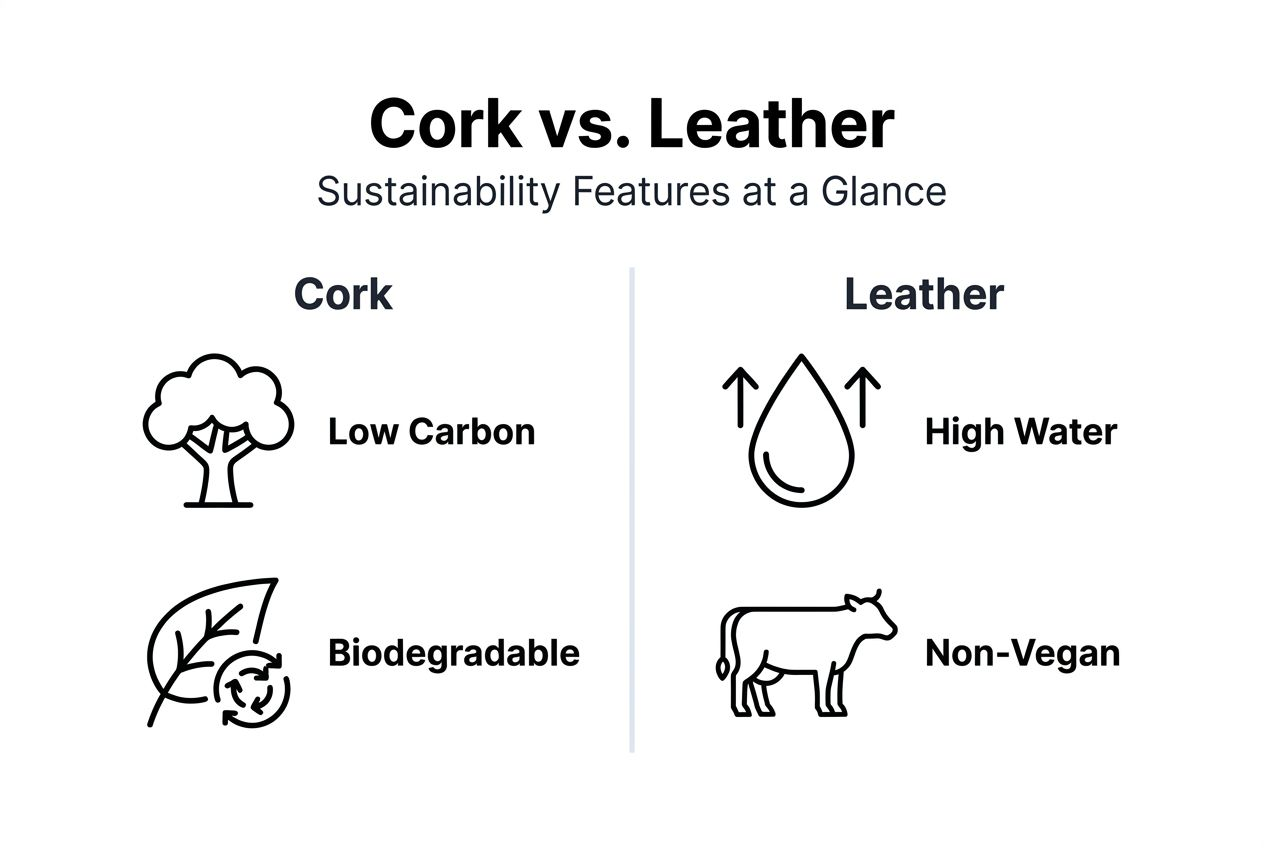
| Material | Carbon Footprint | Biodegradable | Vegan | Water Usage | Renewable |
|---|---|---|---|---|---|
| Cork | Low | Yes | Yes | Minimal | Yes |
| Leather | High | No | No | Extensive | No |
| Synthetic | High | No | Yes | Moderate | No |
| Cotton | Moderate | Yes | Yes | Very High | Yes |
Cork forestry supports biodiversity by maintaining habitats for endangered species like the Iberian lynx and Barbary deer. The traditional harvesting methods employed for centuries preserve ecological balance whilst providing livelihoods for skilled artisans. This creates a virtuous cycle where consumer demand for cork products directly funds forest conservation.
Key environmental benefits include:
- Zero deforestation during harvesting
- Natural fire resistance protecting Mediterranean ecosystems
- Soil erosion prevention through extensive root systems
- Watershed protection and groundwater recharge
- Carbon sequestration exceeding industrial forestry
For a detailed comparison of sustainability credentials, visit cork vs leather sustainable fashion. The data clearly demonstrates cork’s superior environmental performance across every meaningful metric.
Common misconceptions about cork in sustainable fashion
Many consumers wrongly assume cork lacks the durability required for daily accessories. The reality contradicts this perception. Cork is durable, elastic, water-resistant, and suitable for fashion, debunking myths about fragility and impracticality. Its cellular structure creates natural resilience, bouncing back from compression and resisting tears.
Addressing prevalent myths directly:
- Cork is too fragile for regular use. Modern processing techniques create accessories that withstand years of daily wear without deterioration.
- Cork products lack style versatility. Contemporary designs range from minimalist to bold patterns, suiting diverse aesthetic preferences.
- Cork cannot handle moisture. Treated cork fabric repels water effectively whilst remaining breathable, ideal for unpredictable weather.
- Cork accessories feel cheap or rough. Quality cork products offer soft, supple textures comparable to premium leather.
- Cork fades or discolours quickly. Natural UV resistance and protective coatings maintain appearance over extended periods.
Proper care amplifies cork’s inherent durability. Gentle cleaning with damp cloths removes surface dirt without damaging fibres. Avoiding prolonged soaking or harsh chemicals preserves the material’s protective treatments. Storing cork accessories away from direct heat prevents drying or cracking, though cork’s natural elasticity makes it remarkably forgiving.
Pro Tip: If your cork accessory gets wet, simply pat it dry with a soft cloth and allow it to air dry naturally. The material’s water-resistant properties mean moisture evaporates quickly without causing permanent damage or staining.
The misconception about limited aesthetics stems from outdated perceptions. Modern cork accessories showcase sophisticated designs that rival any luxury material. From sleek wallets to statement handbags, cork adapts to contemporary fashion trends whilst maintaining its eco-friendly foundation.
Innovative applications of cork in fashion accessories
Cork has expanded far beyond wine stoppers into diverse accessory categories. Cork is now used innovatively in backpacks, wallets, and footwear, driven by sustainability design trends and consumer demand. Designers recognise cork’s unique combination of functionality and environmental responsibility, creating products that appeal to style-conscious consumers.
Emerging applications demonstrate cork’s versatility:
- Backpacks featuring padded cork straps and laptop compartments
- Minimalist wallets with RFID-blocking cork layers
- Footwear insoles providing natural cushioning and moisture control
- Smartphone cases combining protection with sustainable materials
- Jewellery incorporating cork with recycled metals
Innovative brands lead the cork revolution by combining traditional craftsmanship with contemporary design. Portuguese manufacturers leverage centuries of expertise, whilst startups experiment with hybrid materials that blend cork with organic textiles. This cross-pollination creates accessories that satisfy both functional requirements and aesthetic desires.
| Accessory Type | Primary Use | Key Features | Style Range |
|---|---|---|---|
| Backpacks | Daily carry | Water-resistant, lightweight, padded | Casual to professional |
| Wallets | Currency/cards | RFID protection, compact design | Minimalist to detailed |
| Handbags | Personal items | Multiple compartments, durable | Classic to contemporary |
| Keychains | Key organisation | Antimicrobial, soft texture | Simple to decorative |
| Watch straps | Timepiece bands | Hypoallergenic, adjustable | Sporty to elegant |
The diversity of styles available challenges assumptions about cork’s aesthetic limitations. Laser-etched patterns create intricate designs, whilst natural colour variations ensure each piece remains unique. From boardroom-appropriate briefcases to weekend totes, cork accessories now serve every lifestyle need.
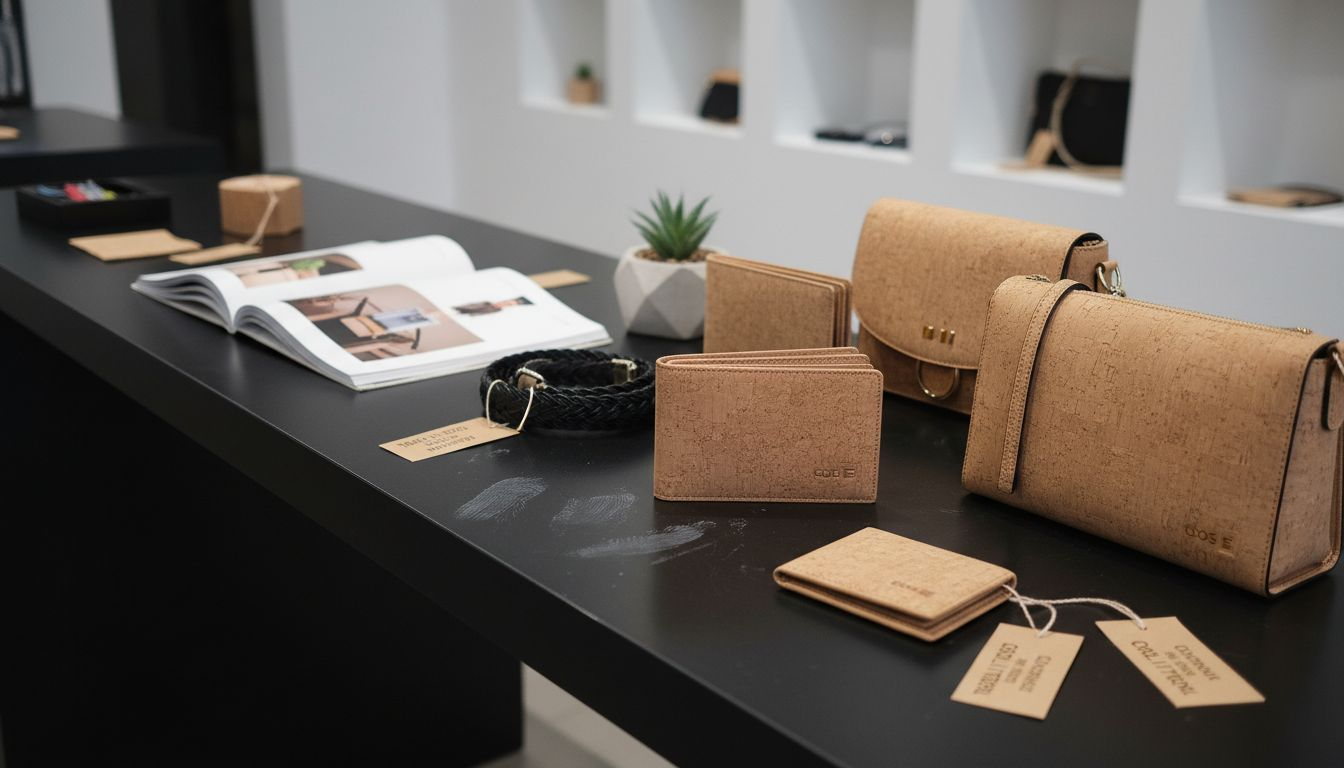
For comprehensive guidance on available options, consult the cork accessories guide. This resource details how different cork products suit specific uses whilst maintaining sustainability credentials.
Consumer trends and market demand for cork accessories
The cork accessory market experiences substantial growth as environmental awareness reshapes purchasing decisions. Consumer demand for eco-friendly accessories is increasing substantially, with cork products emerging as preferred choices due to environmental and ethical advantages alongside stylish appeal. Industry analysts project annual growth exceeding 15% through 2028.
Several factors drive this expansion:
- Rising consciousness about fashion industry environmental impact
- Millennial and Gen Z preference for transparent, ethical brands
- Social media amplification of sustainable lifestyle choices
- Increasing availability of quality cork products
- Celebrity and influencer endorsement of vegan accessories
Consumer research reveals that style and ethics no longer represent competing priorities. Modern buyers expect accessories to deliver both aesthetic appeal and environmental responsibility. Cork uniquely satisfies this dual demand, offering distinctive looks that spark conversation whilst aligning with personal values.
The market positioning of cork accessories reflects premium quality rather than budget alternatives. Consumers recognise that sustainable materials justify higher price points when they deliver superior durability and ethical production. This willingness to invest in quality creates opportunities for brands committed to responsible manufacturing.
Buying decisions increasingly factor in product lifecycle considerations. Conscious consumers evaluate not just initial appeal but long-term value, including repairability and end-of-life disposal. Cork’s biodegradability and extended lifespan with proper care make it attractive to those seeking lasting investments.
For broader context on cork’s fashion industry role, explore role of cork in fashion. Understanding market dynamics helps consumers make informed choices aligned with emerging sustainability standards.
Practical considerations for choosing and caring for cork accessories
Selecting quality cork products requires attention to sourcing credentials and construction details. Sustainability certifications such as FSC verify responsible cork sourcing, whilst proper care maintains product longevity and performance. These certifications ensure forests are managed according to strict environmental and social standards.
Key factors when purchasing:
- Verify FSC or equivalent certification on product labels
- Examine stitching quality at seams and attachment points
- Check for even cork thickness without thin spots
- Confirm protective coating application for water resistance
- Research brand transparency about supply chain practices
Avoiding uncertified sources protects both forests and consumers. Products from unknown origins may use cork from degraded ecosystems or employ exploitative labour practices. Established brands with clear sustainability commitments provide assurance that purchases support responsible production.
Maintenance practices significantly impact accessory lifespan. Clean cork surfaces using slightly damp cloths with mild soap if needed. Avoid abrasive scrubbers that could damage protective treatments. For stubborn marks, a soft-bristled brush gently lifts dirt without harming fibres.
Pro Tip: Apply a thin layer of natural beeswax once yearly to maintain cork’s water resistance and suppleness. This simple treatment refreshes protective properties whilst nourishing the material, extending usable life by several years.
Environmental factors affect cork differently than synthetic materials:
- Store away from direct sunlight to prevent UV degradation
- Maintain moderate humidity levels to preserve elasticity
- Avoid extreme temperature fluctuations that stress fibres
- Allow wet accessories to dry completely before storage
- Use dust bags for long-term storage to prevent surface abrasion
Realistic expectations enhance satisfaction. Cork develops a natural patina over time, reflecting individual use patterns. This aging process adds character rather than diminishing value, similar to quality leather. Embracing these changes helps consumers appreciate cork’s living qualities.
For UK-specific buying guidance, review the cork fashion guide for UK consumers. This resource addresses regional availability and care considerations for the British climate.
Explore sustainable cork accessories at The Cork Store
Ready to experience cork’s innovative qualities firsthand? The Cork Store offers an extensive collection of stylish, certified sustainable accessories that align with your values without compromising on design. Whether you need a sophisticated wallet for daily use or a statement handbag for special occasions, cork delivers the perfect balance of durability and environmental responsibility.
Our curated selection includes the all-natural cork wallet gift set, combining practicality with elegant presentation. Perfect for introducing friends and family to sustainable fashion, these sets showcase cork’s versatility and appeal. Browse our complete range of eco-friendly gift ideas with cork to discover accessories that make thoughtful, responsible presents for any occasion. Every purchase supports ethical manufacturing whilst reducing your environmental footprint.
FAQ
Are cork accessories truly sustainable and renewable?
Yes, cork is sustainably harvested by stripping bark without felling trees, allowing regeneration every 9-12 years. FSC certification ensures responsible sourcing practices that protect forests and support biodiversity. This renewable cycle continues for up to two centuries per tree.
How durable are cork accessories for everyday use?
Cork is elastic, water-resistant, and highly durable with proper care. Modern processing techniques enhance these natural properties, creating accessories that withstand years of daily wear. Avoid prolonged moisture exposure and clean gently to maximise lifespan.
Can cork accessories be stylish and versatile?
Innovative processing enables a wide range of modern styles suitable for any occasion. Cork accessories complement casual weekend looks and professional office attire equally well. Unique natural patterns ensure each piece remains distinctive whilst maintaining sophisticated appeal.
What should I look for when purchasing cork accessories?
Seek FSC or equivalent certifications verifying responsible sourcing practices. Check product care instructions to understand maintenance requirements for longevity. Prefer brands demonstrating transparency about supply chains and manufacturing processes.
How do I maintain cork accessories to ensure they last?
Clean cork surfaces with slightly damp cloths and mild soap when necessary. Store away from direct heat and sunlight to preserve elasticity and colour. Allow accessories to dry completely after exposure to moisture before returning to regular use.