

Innovation in Sustainable Fashion: Shaping Ethical Style
Searching for cruelty-free accessories that actually reflect your values can be challenging when so many labels fall short of true sustainability. For eco-conscious millennials and vegan women determined to shop mindfully, fashion’s environmental impact is a serious concern, from resource consumption to ethical sourcing. By exploring holistic sustainability and innovation in fashion, you gain clarity on the new generation of accessories designed to minimise waste, maximise social responsibility, and deliver genuine style free from animal products.
Table of Contents
- Defining Sustainability And Innovation In Fashion
- Emerging Eco-Friendly Materials And Processes
- Technological Advances Reshaping Sustainable Fashion
- Ethical Design And Vegan Alternatives In Accessories
- Impacts On Environment, Costs And Consumer Choices
Key Takeaways
| Point | Details |
|---|---|
| Sustainable Fashion Transformation | Sustainable fashion involves a systemic change in the textile and apparel ecosystem, focusing on eco-friendly materials, production processes, and ethical practices. |
| Emerging Materials | Innovative materials like organic cotton, recycled polyester, and plant-based leather significantly reduce the environmental impact of fashion production. |
| Technological Innovations | Advances such as digital design, 3D printing, and blockchain are reshaping how garments are produced and tracked, enhancing sustainability. |
| Consumer Impact | Growing consumer demand for sustainability is driving the industry towards more transparent and responsible production methods. |
Defining Sustainability And Innovation In Fashion
Sustainability in fashion transcends traditional environmental concerns, representing a comprehensive reimagining of how clothing and accessories are conceived, produced, and consumed. Multidisciplinary sustainability frameworks reveal fashion’s complex intersection between economic, social, and ecological systems.
Fundamentally, sustainable fashion involves transforming the entire textile and apparel ecosystem through strategic innovation. This means rethinking materials, production processes, labour practices, and consumption patterns to minimise environmental impact and maximise social responsibility. Key dimensions of this transformation include:
- Developing alternative, low-impact materials
- Implementing circular design principles
- Reducing carbon emissions in manufacturing
- Ensuring fair working conditions
- Creating transparent supply chains
Environmental Innovation requires challenging existing industrial paradigms. Apparel industry sustainability research demonstrates that technological breakthroughs can dramatically reduce fashion’s ecological footprint by exploring renewable resources, biosynthetic materials, and regenerative agricultural methods.
The most progressive sustainable fashion brands understand that innovation is not just about creating eco-friendly products, but fundamentally restructuring how fashion interfaces with planetary boundaries. This holistic approach demands continuous technological, design, and systemic reimagination.
Pro tip: Start your sustainable fashion journey by prioritising quality, versatile pieces that transcend seasonal trends and minimise waste.
Emerging Eco-Friendly Materials And Processes
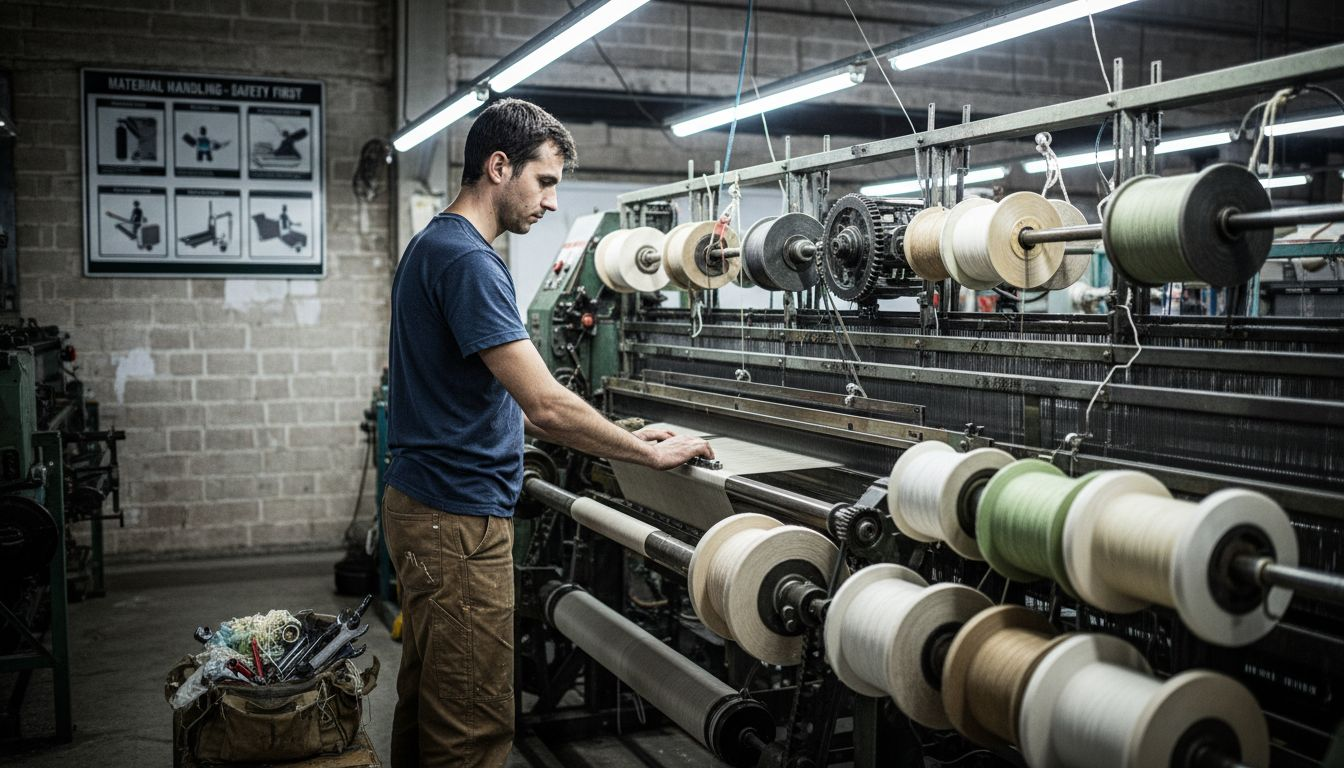
The fashion industry is experiencing a profound transformation through innovative sustainable materials that challenge traditional production paradigms. These groundbreaking approaches are revolutionising how textiles are sourced, manufactured, and ultimately consumed, with sustainability at the core of design philosophy.
Emerging eco-friendly materials represent a critical breakthrough in sustainable fashion, offering alternatives that dramatically reduce environmental impact. Key innovative materials include:
- Organic cotton with reduced water consumption
- Recycled polyester derived from plastic waste
- Biodegradable fibres like hemp and bamboo
- Biosynthetic textiles created from agricultural waste
- Regenerated cellulose fabrics using closed-loop production
Manufacturing processes are equally critical in this sustainable revolution. Sustainable fashion approaches demonstrate how zero-waste design, circular business models, and ethical sourcing can fundamentally reshape industrial practices. These strategies aim to minimise resource consumption, eliminate waste, and create clothing with minimal environmental footprint.
Technological innovations are driving this transformation, enabling designers and manufacturers to reimagine textile production through more conscious, environmentally responsible methods. By integrating advanced materials science with ecological design principles, the fashion industry is developing solutions that balance aesthetic appeal with environmental stewardship.
Pro tip: Research fabric compositions and prioritise garments made from certified sustainable materials when building your wardrobe.
The table below summarises key sustainable material alternatives alongside their primary advantages and challenges in the fashion sector:
| Material Type | Main Advantage | Industry Challenge |
|---|---|---|
| Organic Cotton | Conserves water and soil health | Higher sourcing cost |
| Recycled Polyester | Reduces plastic waste | Potential microplastic shedding |
| Plant-Based Leather | No animal harm, reduced emissions | Limited scalability |
| Regenerated Cellulose | Circular production, biodegradable | Complex recycling infrastructure |
Technological Advances Reshaping Sustainable Fashion
The fashion industry is experiencing a radical transformation through innovative sustainability technologies that challenge traditional manufacturing paradigms. These groundbreaking technological solutions are reimagining how clothing is conceptualised, produced, and ultimately experienced by consumers.
Key technological innovations driving sustainable fashion include:
- Digital design technologies enabling precise material usage
- 3D printing for customised, waste-reduced garment production
- AI-powered pattern cutting minimising fabric waste
- Smart textile development with recyclable and adaptive properties
- Blockchain tracking for transparent supply chain management
Advanced manufacturing techniques are revolutionising production processes. 4D knitting technologies represent a particularly exciting development, allowing for heat-activated yarns and computerised fabrication that dramatically reduce material waste while enabling unprecedented levels of personalisation.
These technological advances are not merely incremental improvements but represent a fundamental reimagining of fashion’s entire ecosystem. By integrating cutting-edge materials science, digital technologies, and sustainable design principles, innovators are creating a new paradigm that prioritises environmental responsibility without compromising aesthetic appeal or functional performance.
Here is a comparison of how technological innovations benefit both sustainable fashion brands and conscious consumers:
| Innovation Type | Benefit for Brands | Benefit for Consumers |
|---|---|---|
| Digital Design | Reduces waste, increases efficiency | Improved fit and responsible choices |
| AI Pattern Cutting | Optimises resource use | Greater garment quality |
| Blockchain Tracking | Ensures supply chain transparency | Informed purchase decisions |
| Smart Textiles | Drives product differentiation | Comfort and recyclability |
Pro tip: Follow emerging sustainable fashion technology platforms to stay informed about the latest innovations transforming the industry.
Ethical Design And Vegan Alternatives In Accessories
The contemporary fashion accessories landscape is undergoing a profound transformation through ethical design practices that prioritise animal welfare and environmental consciousness. These innovative approaches challenge traditional manufacturing methods by reimagining materials, production processes, and design philosophies.
Vegan alternatives in accessory design now encompass a diverse range of cutting-edge materials and techniques:
- Plant-based leather derived from cactus and pineapple fibres
- Recycled plastic materials transformed into durable accessories
- Cork-based products offering sustainable, lightweight alternatives
- Mushroom leather creating biodegradable textile options
- Synthetic materials engineered for durability and minimal environmental impact
Ethical design goes beyond material selection, integrating comprehensive considerations of production processes, worker welfare, and environmental sustainability. Cruelty-free fashion innovations are demonstrating that style need not come at the expense of ethical principles, with designers developing increasingly sophisticated alternatives that match traditional materials in quality and aesthetic appeal.
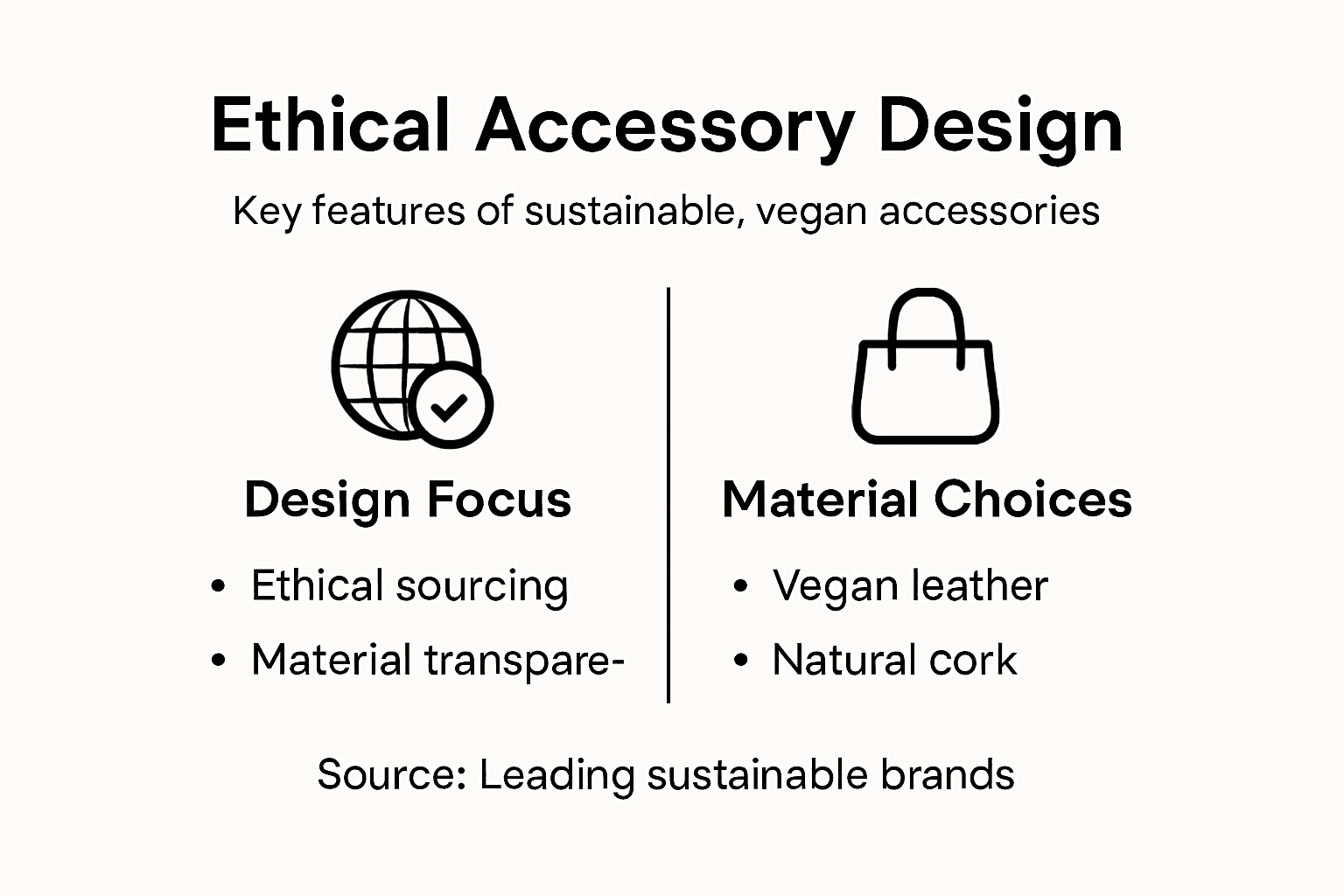
The future of accessory design lies in holistic approaches that seamlessly blend technological innovation, environmental responsibility, and compassionate manufacturing practices. By challenging conventional production paradigms, designers are creating accessories that reflect a more conscious, interconnected understanding of fashion’s global impact.
Pro tip: Investigate the material composition of accessories and prioritise brands demonstrating transparent, ethical production practices.
Impacts On Environment, Costs And Consumer Choices
The fashion industry’s environmental footprint represents a complex intersection of ecological, economic, and consumer-driven dynamics. Comprehensive sustainability research reveals the profound interconnections between production practices, environmental costs, and emerging consumer preferences.
Environmental impacts of current fashion production models include:
- Water consumption exceeding 93 billion cubic metres annually
- Carbon emissions representing 10% of global greenhouse gas output
- Textile waste generating over 92 million tonnes per year
- Chemical pollution from traditional manufacturing processes
- Microplastic contamination through synthetic fabric production
Consumer choices are increasingly driving systemic transformation, with growing awareness translating into tangible market shifts. Fashion sustainability trends demonstrate that environmentally conscious consumers are compelling brands to adopt more transparent, responsible production methods, effectively reshaping industry economics.
The economic implications of sustainable fashion extend beyond immediate production costs. By investing in circular design, recycling technologies, and ethical manufacturing, brands can reduce long-term environmental expenses while creating more resilient, adaptable business models that align with evolving consumer expectations.
Pro tip: Calculate the lifecycle cost of your clothing purchases, considering environmental impact and durability rather than just initial price.
Embrace True Innovation with Ethical Accessories from Cork
The challenge of reshaping fashion through sustainability and innovation calls for materials that are both eco-friendly and ethical. This article highlights the importance of holistic approaches like vegan alternatives and transparent supply chains that respect planetary boundaries and animal welfare. At the heart of this transformation is the need for durable, stylish products that offer a cruelty-free alternative to conventional leather while minimising environmental impact.
Discover how sustainable accessories crafted from cork provide a revolutionary solution. Cork is a plant-based, biodegradable material that aligns with cutting-edge concepts such as circular design and ethical production. By choosing cork products, you join a movement that supports reduced water consumption, zero animal harm, and transparent manufacturing—all critical factors emphasised in the article.
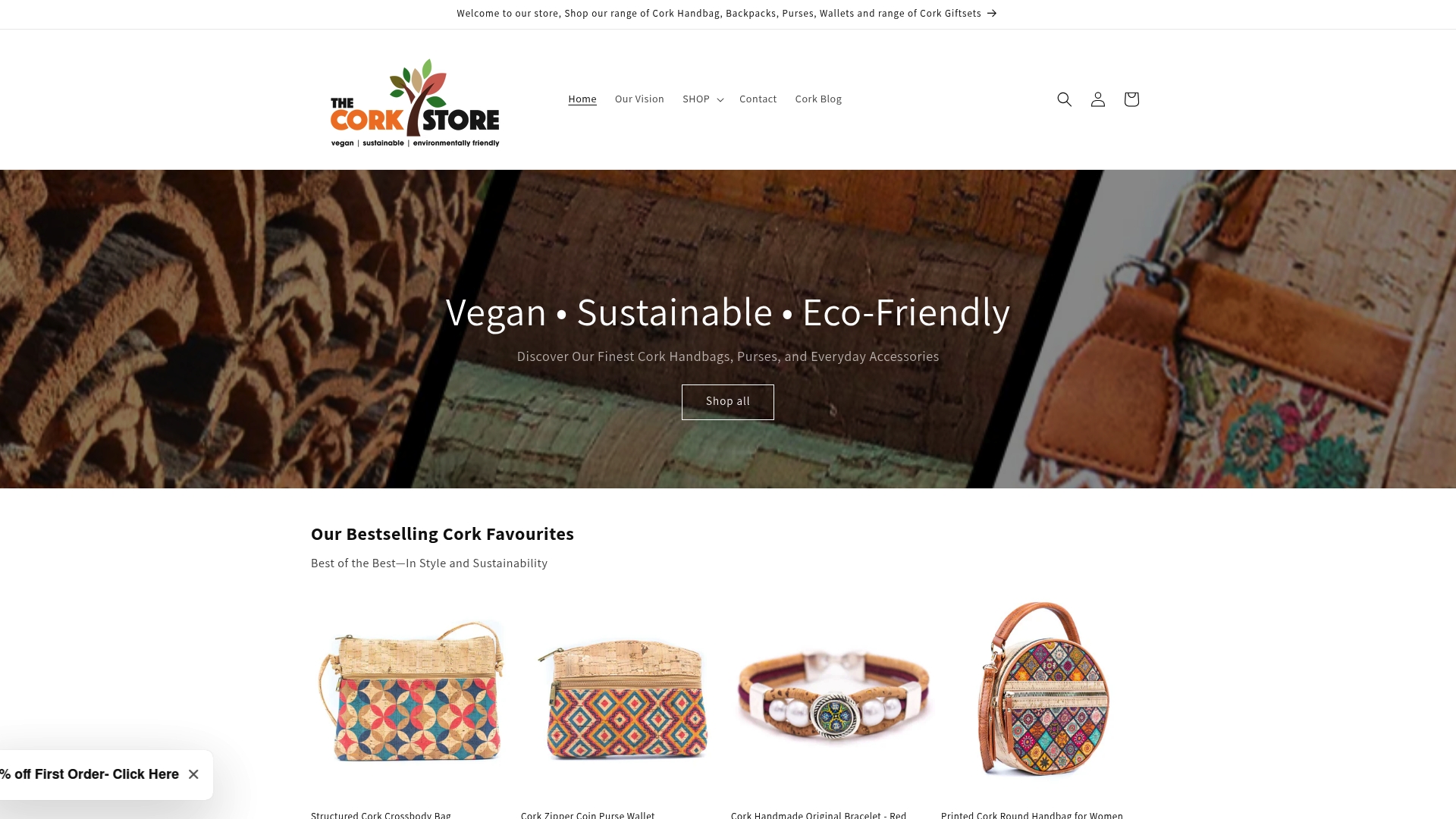
Take the next step in making your wardrobe part of the sustainable fashion future. Visit The Cork Store to explore our curated collection of vegan cork bags, wallets, and accessories. Experience how innovation in compassionate design delivers both style and responsibility. Shop today to support ethical fashion practices and reduce your environmental footprint with each purchase.
Frequently Asked Questions
What is sustainable fashion?
Sustainable fashion involves rethinking materials, production processes, labour practices, and consumption patterns to minimise environmental impact and maximise social responsibility.
What are some emerging eco-friendly materials in fashion?
Key emerging eco-friendly materials include organic cotton, recycled polyester, biodegradable fibres like hemp and bamboo, biosynthetic textiles from agricultural waste, and regenerated cellulose fabrics.
How can technology drive innovation in sustainable fashion?
Technological innovations such as digital design technologies, 3D printing, AI-powered pattern cutting, smart textiles, and blockchain tracking are reshaping how clothing is produced, prioritising waste reduction and supply chain transparency.
What are vegan alternatives in accessory design?
Vegan alternatives in accessory design include materials like plant-based leather from cactus and pineapple fibres, recycled plastics, cork, mushroom leather, and synthetic materials that prioritise durability and minimal environmental impact.
Recommended
- Understanding Sustainable Fashion Essentials for Eco-Conscious Living – The Cork Store
- The Essential Guide to Advantages of Sustainable Fashion – The Cork Store
- Sustainable Fashion Terminology: Clarity for Ethical Choices – The Cork Store
- Sustainable Fashion Workflow: Transforming Ethical Accessories – The Cork Store