

Sustainable accessories care instructions: your full guide
TL;DR:
- Proper maintenance of sustainable accessories involves gentle cleaning, regular conditioning, and correct storage to extend their lifespan. Avoid harsh chemicals and improper storage practices to prevent damage, and use appropriate tools and methods specific to each material. Consistent small habits, such as wiping accessories after use and storing them properly, significantly improve their durability and natural aging process.
Sustainable accessories care instructions are the essential maintenance practices that keep eco-friendly products looking good and lasting longer. Whether you own a cork handbag from Thecorkstore, a pair of wooden earrings, or a silver ring made from recycled metal, the right care routine protects your investment and reduces waste. Proper eco-friendly accessory maintenance means cleaning gently, conditioning regularly, and storing thoughtfully. This guide covers every material type, every common mistake, and every quick fix you need to know.
What tools and products do you need for caring for sustainable accessories?
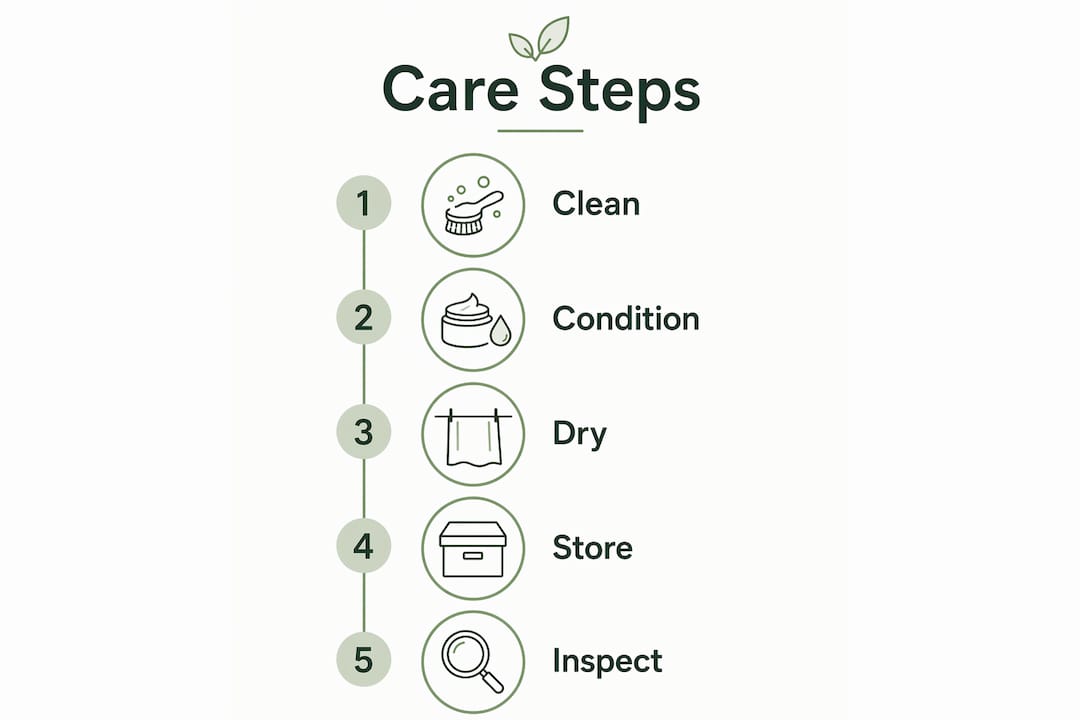
The right tools make the difference between care that works and care that causes damage. Before you clean anything, gather the correct supplies for the material you are working with.
For leather and vegan leather (including cork):
- A specialist leather conditioner or cork-safe conditioner
- Mild, pH-neutral soap
- Soft microfibre cloths or lint-free cotton cloths
- A soft-bristled brush for textured surfaces
- A polishing cloth for finishing
For sustainable textiles:
- Eco-friendly, plant-based laundry detergent
- A mesh laundry bag to protect delicate weaves
- A soft sponge for spot cleaning
For sustainable jewellery (copper, silver, wood):
- Mild soap and warm water
- A soft toothbrush for intricate settings
- Anti-tarnish pouches for storage
- A jewellery polishing cloth
Choosing gentle, plant-based products is not just better for your accessories. It reduces the chemical load going into waterways when you rinse them away.
Pro Tip: Spot-test any cleaning product on a small hidden area and wait 24 hours before applying it fully. Even natural oils can darken certain finishes, and catching a reaction early saves the piece.
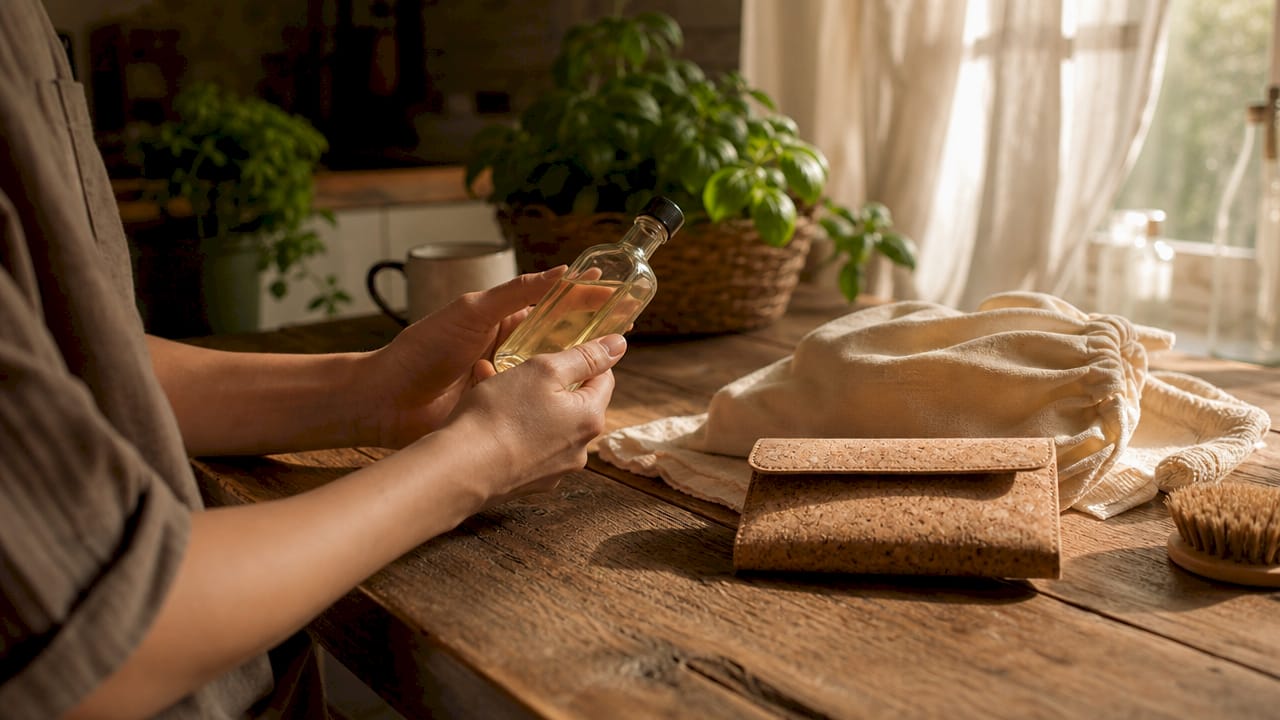
How to clean and maintain different sustainable accessory materials safely
Different materials need different approaches. Using the wrong method on the wrong material is the most common cause of premature ageing.
| Material | Cleaning method | Conditioning frequency | Key warning |
|---|---|---|---|
| Genuine leather | Wipe with damp soft cloth, use specialist cleaner | Every 3–6 months | Avoid household cleaners |
| Vegan leather / cork | Damp cloth with mild soap, air dry | Every 3–6 months | No soaking or scrubbing |
| Natural wood | Wipe with dry or barely damp cloth | Every 3–6 months | Keep away from water |
| Sustainable textiles | Hand wash or machine wash on cool, air dry | As needed | No tumble drying |
| Copper jewellery | Mild soap and soft cloth, rinse well | As needed | Patina is natural, not damage |
| Silver jewellery | Mild soap and water, polish cloth | As needed | Avoid abrasive cleaners |
Leather and cork
Leather and natural wood accessories should be conditioned every 3–6 months to prevent cracking and premature ageing. For cork, which is the material at the heart of Thecorkstore’s collection, a damp cloth with a small amount of mild soap removes most surface dirt. Always air dry cork completely before storing it. Never use a hairdryer or place it near a radiator, as direct heat dries out the natural fibres.
Specialist leather cleaners protect and clean without the harsh chemicals that strip a natural finish. This applies equally to high-quality vegan leather. For a detailed routine specific to cork products, Thecorkstore’s guide on caring for cork accessories covers the full process step by step.
Sustainable textiles
Air drying is gentler for sustainable textiles than machine drying and reduces fibre stress significantly. Lay flat or hang to dry away from direct sunlight. Eco-friendly detergents and lower wash temperatures protect fabric longevity and reduce environmental impact at the same time. A cool wash of 30°C is sufficient for most sustainable fabric accessories.
Sustainable jewellery
Gentle cleaning with mild soap and soft cloths is the preferred daily care method for sustainable jewellery. Rinse thoroughly and pat dry with a lint-free cloth. For copper pieces, natural patina is intentional and adds unique character over time. It is not a defect. Embracing that slow colour shift from bright copper to warm brown is part of owning a living material.
Pro Tip: For silver jewellery, a polishing cloth removes light tarnish without chemicals. Use it after each wear to keep the surface bright with minimal effort.
How should you store sustainable accessories to prevent damage?
Storage is where most people go wrong. Correct storage costs nothing extra and extends the life of an accessory by years.
- Place leather and cork bags in a dust bag or a clean pillowcase when not in use. This prevents dust build-up and light scratching.
- Avoid prolonged exposure to direct sunlight and heat sources such as radiators or sunny windowsills. Sunlight fades colour and dries out natural materials like cork, leather, and wood.
- Store jewellery separately in anti-tarnish pouches or lined boxes. Pieces stored together scratch each other and tarnish faster.
- Keep accessories in a dry, cool, and ventilated space. Damp environments encourage mould on natural materials, particularly cork and leather.
- For wooden accessories, small humidifiers placed nearby help prevent cracking in dry climates or centrally heated rooms during winter months.
- Stuff bags with acid-free tissue paper to help them hold their shape during storage. Never use newspaper, as the ink transfers.
One habit worth building: return each accessory to its storage spot immediately after use. The longer a cork bag sits on a sunlit shelf or a silver ring sits on a bathroom counter, the faster it degrades.
What common mistakes should you avoid when caring for sustainable accessories?
The following mistakes are responsible for most of the premature damage seen on sustainable accessories.
-
Using harsh household cleaners. Products like bleach, washing-up liquid, or multi-surface sprays strip natural finishes and dry out materials. Always use a product formulated for the specific material.
-
Over-washing or washing at too high a temperature. Washing sustainable textiles too frequently or at 60°C or above breaks down fibres faster than normal wear. Spot clean where possible and wash the full item only when necessary.
-
Storing accessories improperly. Folding leather or cork bags and leaving them compressed causes permanent creases. Hanging bags by their straps for long periods stretches the handles. Flat storage in a dust bag is the correct method.
-
Ignoring spot cleaning. A small stain left untreated sets into the material over days. Addressing it immediately with a damp cloth prevents a minor mark from becoming a permanent one.
-
Misreading natural patina as damage. Cork, copper, and leather all develop a patina with age. This is a sign of genuine natural material, not deterioration. Aggressively cleaning away patina with abrasive products removes the character of the piece and can cause real damage in the process.
Understanding these mistakes reframes care from a chore into a skill. Each correct decision adds months or years to the life of the accessory.
What troubleshooting tips and quick fixes can restore sustainable accessories?
Minor issues are fixable at home. Knowing which fix to apply prevents unnecessary replacement.
- Surface stains on cork or leather: Apply a small amount of specialist cleaner to a soft cloth and work it gently into the stain in circular motions. Do not rub hard. Rinse the cloth and wipe the area clean, then air dry fully.
- Loss of lustre on leather: Apply a thin layer of leather conditioner or polish with a soft cloth. Buff gently with a clean cloth. The surface should regain its sheen within minutes.
- Tarnish on silver jewellery: Use a silver polishing cloth or a paste of bicarbonate of soda and water applied with a soft toothbrush. Rinse thoroughly and dry immediately.
- Wrinkled or stale-smelling sustainable textiles: Hang the item in a steamy bathroom for 15–20 minutes. The steam relaxes fibres and removes light odours without washing. This is particularly useful for fabric bags and scarves.
- Deep stains or structural damage: Consult a professional leather repair specialist or a jeweller. Attempting to fix deep damage at home often makes it worse.
Pro Tip: For cork accessories specifically, Thecorkstore’s step-by-step care guide covers targeted fixes for the most common cork-specific issues, including watermarks and surface scuffs.
Key takeaways
Proper sustainable accessories care instructions combine gentle cleaning, regular conditioning, and correct storage to extend the life of every eco-friendly piece you own.
| Point | Details |
|---|---|
| Condition leather and cork regularly | Apply a suitable conditioner every 3–6 months to prevent cracking and dullness. |
| Always spot-test cleaning products | Test on a hidden area 24 hours before full application to avoid irreversible damage. |
| Store correctly to prevent deterioration | Use dust bags, anti-tarnish pouches, and cool, ventilated spaces away from sunlight. |
| Embrace natural patina | Patina on copper, cork, and leather is desirable ageing, not damage. |
| Air dry all sustainable materials | Never use direct heat. Air drying preserves fibres, finishes, and natural material integrity. |
Why I think most people underestimate accessory care
Most people treat accessory care as something they will get round to eventually. They buy a beautiful cork bag or a handmade copper ring, use it daily, and then wonder why it looks tired after a year. The truth is that consistent small habits outperform occasional deep cleans every time.
I have seen this pattern repeatedly. Someone spends an afternoon trying to rescue a leather bag that has been stored folded in a cupboard for six months. The creases are permanent. A five-minute wipe-down and proper storage after each use would have prevented the whole problem.
The mindset shift that actually works is treating care as environmental stewardship. When you buy a sustainable accessory, you are choosing a product made with less harm to the planet. Caring for it properly extends that choice. Replacing it after two years because you neglected it defeats the purpose entirely.
Natural materials also reward patience. Cork develops a subtle warmth with age. Copper shifts from bright orange to a deep, complex brown. Silver gains a softness that new pieces lack. These changes are the material telling its story. Learning to read them, rather than scrubbing them away, is what separates someone who truly gets sustainable fashion from someone who just buys it.
Start with one habit: wipe your accessories down after use and store them properly. Build from there. The learning curve is short, and the results show up quickly.
— Aaron
Thecorkstore: quality cork accessories built to last
Thecorkstore specialises in vegan cork accessories, from handbags and backpacks to wallets and gift sets, all crafted from natural cork harvested without harming the tree. Cork is naturally water-resistant, lightweight, and ages beautifully with the right care.
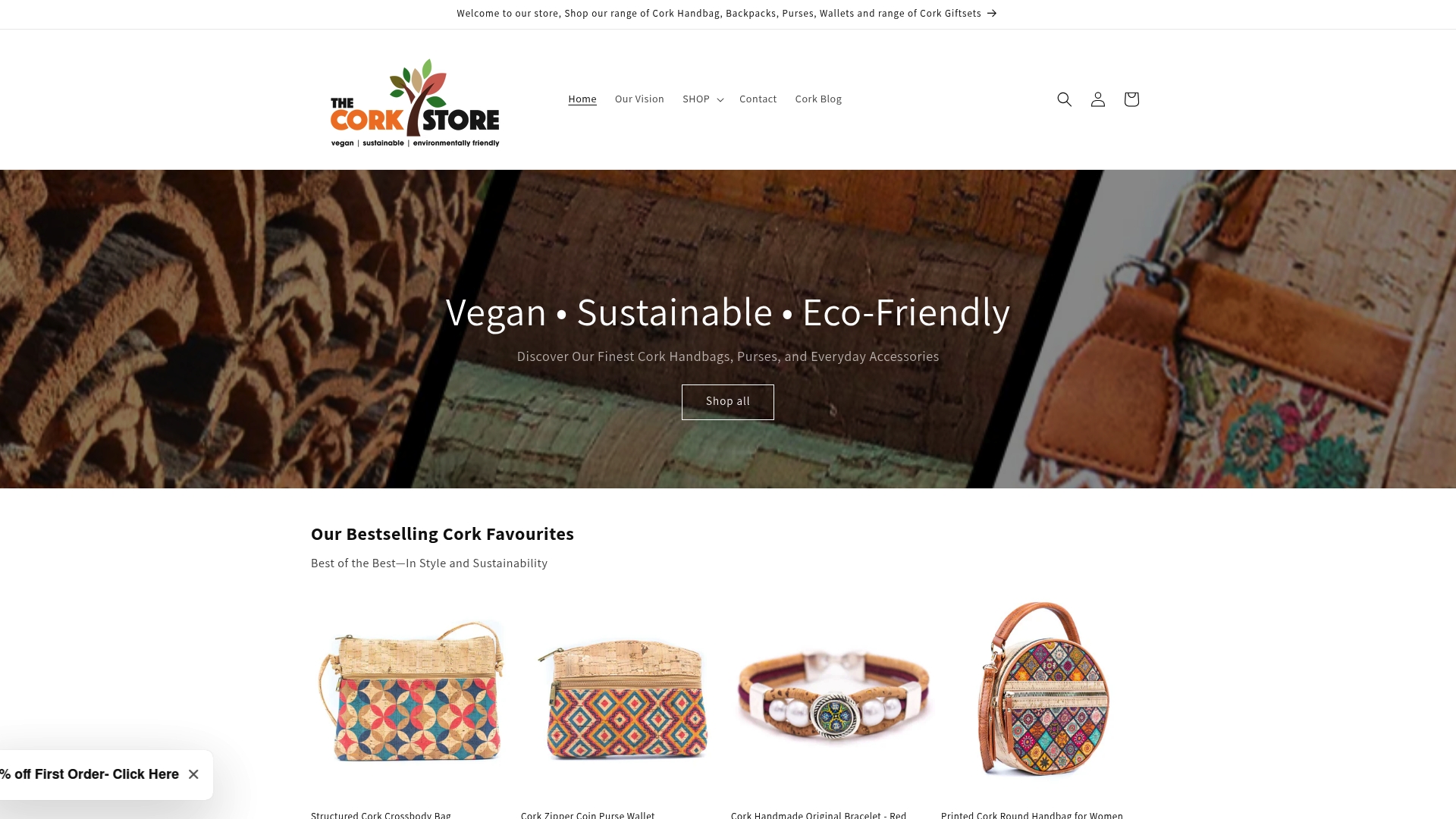
Every piece in the collection is designed to last for years, not seasons. Thecorkstore also publishes detailed care resources, including a cork accessory maintenance guide covering everything from spot cleaning to long-term conditioning. If you are looking for a sustainable accessory that rewards proper care with genuine longevity, the Thecorkstore collection is the place to start.
FAQ
How often should I condition sustainable leather and cork accessories?
Conditioning every 3–6 months is the recommended frequency for leather and cork. Regular conditioning prevents cracking and keeps the material supple.
Can I machine wash sustainable fabric accessories?
Machine washing on a cool cycle with an eco-friendly detergent is acceptable for most sustainable textiles. Always air dry rather than tumble dry to preserve the fibres.
Is patina on copper jewellery a sign of damage?
Patina on copper is a natural oxidation process and is not damage. It adds character unique to the wearer and is considered a desirable quality in natural metal accessories.
What is the safest way to clean sustainable jewellery at home?
Mild soap, warm water, and a soft cloth remove oils and dirt without damaging metal finishes. Dry thoroughly immediately after cleaning to prevent water spots.
How should I store a cork bag when I am not using it?
Store a cork bag in a dust bag or clean pillowcase, stuffed with acid-free tissue paper to hold its shape. Keep it in a cool, dry, ventilated space away from direct sunlight and heat sources.