
Vegan accessory trends 2025: the definitive guide
TL;DR:
- Vegan accessories in 2025 focus on plant-based materials, transparency, and durability. Consumers prioritize certified, eco-friendly components like Piñatex, cork, and rPET. Digital Product Passports and versatile styles shape a long-lasting, ethical wardrobe.
Vegan accessories are defined as fashion items made entirely without animal-derived materials, including leather, silk, wool, and shell. The vegan accessory trends 2025 movement goes further than simply swapping leather for plastic. It demands plant-based materials, ethical supply chains, and certifications like GOTS (Global Organic Textile Standard) and LWG (Leather Working Group equivalents for non-leather goods). The sustainable bag market is projected to grow at a CAGR of 12.04% through 2035, with luxury vegan handbags growing at 11.5% CAGR. That growth reflects a genuine shift in consumer values, not a passing trend. Thecorkstore sits at the centre of this shift, offering cork-based accessories that meet the highest ethical and aesthetic standards.
1. What are the top innovative materials driving vegan accessory trends in 2025?
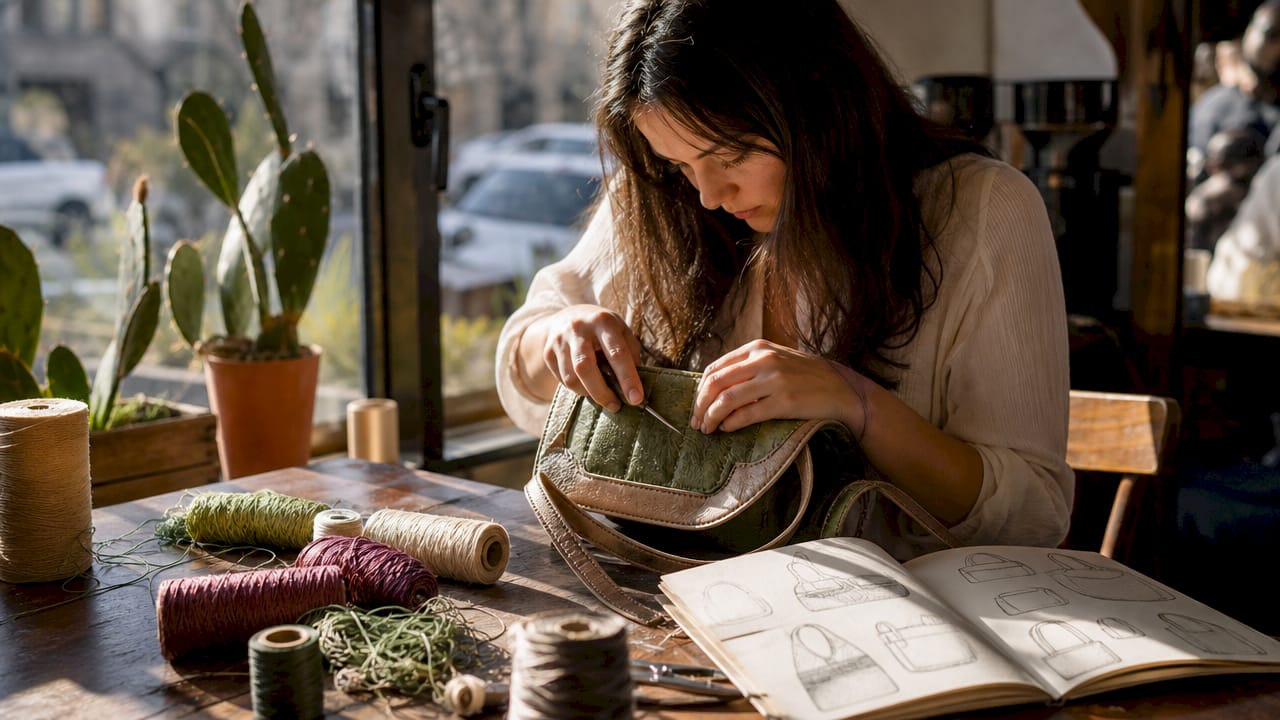
Plant-based leathers are the defining material story of 2025. Piñatex, made from pineapple leaf fibre, and cactus leather (produced from the Nopal cactus) lead the category. Both materials require significantly less water than conventional leather and produce no toxic waste streams during processing.
Recycled PET (rPET), derived from post-consumer plastic bottles, appears across bags, wallets, and belts. Brands using rPET divert plastic from landfill and ocean systems while producing durable, weatherproof goods. The material performs particularly well in structured tote and backpack silhouettes.
Bio-fabrics like TENCEL Luxe and Lyocell offer a botanical silk-like feel for linings, scarves, and soft accessories. TENCEL Luxe and Lyocell provide superior sustainability through closed-loop production, meaning solvents are recycled rather than discharged. That process makes them genuinely circular, not just plant-derived.
Certifications matter as much as materials. Savvy consumers seek GOTS or LWG certification and avoid products containing PVC or PFC compounds. A vegan label alone does not guarantee ethical production. PVC, for instance, releases dioxins during manufacture and is not biodegradable.
- Piñatex: Pineapple leaf fibre leather, durable and compostable
- Cactus leather: Nopal-based, water-efficient, and flexible
- rPET: Recycled plastic bottles, weatherproof and widely available
- TENCEL Luxe / Lyocell: Closed-loop botanical fibres, silk-like handle
- Cork: Harvested without felling trees, naturally water-resistant and biodegradable
Pro Tip: When buying a vegan bag, check the lining and hardware as well as the outer material. Many bags use animal-free exteriors but line them with PVC or use chrome-tanned leather pulls. True vegan luxury extends to every component, including tags and trims.
2. Which vegan handbag styles and features are trending for 2025?
Durability and repairability are the two most important style criteria for 2025. Consumers are moving away from fast fashion cycles and towards bags designed to last five years or more. This shift shows up in reinforced stitching, replaceable straps, and modular designs that allow worn parts to be swapped out rather than discarded.
Zero-waste design is reshaping silhouettes. CAD-driven zero-waste cutting reduces fabric waste below 10%, compared to the traditional 15% in conventional manufacturing. The result is geometric, angular shapes that look deliberate rather than compromised. Tote bags, boxy crossbodies, and structured clutches all benefit from this approach.
The maximalist versus quiet luxury divide defines the two dominant aesthetics. Maximalist vegan bags feature bold textures, cork grain patterns, and statement hardware in brushed gold or matte black. Quiet luxury leans towards clean lines, neutral tones, and minimal branding. Both aesthetics are well served by cork and plant-based leathers, which carry texture naturally.
Weatherproofing is a key functional feature, but the chemistry behind it matters. Many synthetic waterproof coatings rely on harmful PFC chemicals, which persist in the environment and accumulate in living organisms. PFC-free alternatives, including wax-based and silicone-free treatments, deliver comparable water resistance without the environmental cost.
- Structured totes: Zero-waste cuts, rPET or cork construction, reinforced base
- Modular crossbodies: Detachable straps and pockets for multi-use styling
- Boxy clutches: Geometric silhouettes from CAD zero-waste patterns
- Backpacks: rPET or cork, PFC-free weatherproofing, padded laptop sleeves
- Mini bags: Statement pieces in cactus leather or Piñatex with bold hardware
For a closer look at which styles suit different occasions, the vegan handbag types guide from Thecorkstore covers the full range in practical detail.
3. How are technology and transparency shaping vegan accessory choices in 2025?
Digital Product Passports (DPP) are the most significant technology shift in ethical fashion right now. DPPs with QR codes detail material sourcing, factory information, and carbon footprints for individual products. Scanning a QR code on a bag’s interior label now reveals where the cork was harvested, which factory assembled the piece, and what the estimated carbon cost of shipping was. That level of detail makes greenwashing far harder to sustain.
DPPs are becoming the gold standard for supply chain transparency. Brands that cannot or will not provide this level of disclosure are increasingly viewed with scepticism by informed buyers. The technology also supports circular economy goals by tracking a product through repair, resale, and eventual recycling.
AI-driven personalisation platforms are changing how consumers shop for sustainable accessories. These tools filter by durability ratings, repairability scores, and material certifications rather than just colour and price. Consumer trends in 2025 show investment dressing prioritising durability and eco impact, with AI platforms actively supporting these purchasing decisions.
Pro Tip: Before buying, search for the brand’s Digital Product Passport or supply chain disclosure page. If neither exists, ask directly. Brands committed to transparency will answer quickly and specifically.
- DPP QR codes: Scan to verify material origin, factory, and carbon data
- AI shopping filters: Sort by repairability, certifications, and durability scores
- Resale tracking: DPPs support authenticated second-hand markets for vegan accessories
- Greenwashing detection: Cross-reference claims against GOTS, B Corp, or equivalent certifications
4. What are the emerging accessory categories and styling tips for vegan fashion in 2025?
Vegan fashion accessories now extend well beyond handbags. Scarves made from TENCEL Luxe and Lyocell fibres replicate luxury textures using botanical filaments, offering the drape and sheen of silk without any animal involvement. Cactus leather trims on scarves and wraps add structure and a tactile contrast that reads as genuinely luxurious.
Jewellery is another fast-moving category. Lab-grown gemstones eliminate the ethical concerns of mined stones while matching them in quality and appearance. Bio-acetate frames for sunglasses replace petroleum-based acetate with plant-derived alternatives, often using cotton and wood pulp composites. Both categories pair naturally with cork and plant-leather accessories for a fully considered ethical wardrobe.
Influencers are driving mainstream acceptance of vegan leather accessories by demonstrating their versatility across casual, professional, and formal settings. The effect is significant. When a vegan cork tote appears in a boardroom styling post alongside a Piñatex belt in a weekend outfit reel, the message is clear: ethical accessories are not a niche compromise. They are a credible choice at every level of dressing.
Capsule wardrobe thinking suits vegan accessories particularly well. A cork crossbody, a TENCEL scarf, and a pair of vegan footwear built from ethical materials cover the full range of daily occasions without redundancy. The investment dressing mindset asks not just “is this eco-friendly?” but “will I still want this in five years?”
- Scarves: TENCEL Luxe or Lyocell with cactus leather trims for texture contrast
- Jewellery: Lab-grown stones, recycled metals, and bio-acetate settings
- Sunglasses: Bio-acetate frames in plant-derived composites
- Belts: Piñatex or cork, available in a range of widths and finishes
- Wallets and cardholders: Cork construction, slim profile, naturally antimicrobial
For practical outfit ideas, the how to style vegan handbags guide from Thecorkstore offers concrete, occasion-specific advice.
Key takeaways
Vegan accessory trends in 2025 are defined by plant-based materials, Digital Product Passports, and a durability-first mindset that replaces fast fashion with considered, long-lasting choices.
| Point | Details |
|---|---|
| Plant-based materials lead | Piñatex, cactus leather, cork, and rPET are the most credible vegan materials in 2025. |
| Certifications matter | Look for GOTS certification and avoid PVC or PFC compounds regardless of vegan labelling. |
| Zero-waste design shapes style | CAD cutting reduces waste below 10%, producing geometric silhouettes with real sustainability credentials. |
| DPPs build consumer trust | Digital Product Passports with QR codes verify sourcing, factory data, and carbon footprint for individual products. |
| Capsule thinking extends value | Investing in fewer, better vegan accessories reduces waste and delivers more versatile wardrobes. |
Why I think the vegan accessory conversation is finally growing up
The first wave of vegan fashion was about refusal. No leather, no silk, no wool. The second wave was about substitution. Find something that looks like leather and call it ethical. The third wave, which is where 2025 sits, is about genuine quality and honest claims.
What I find most telling is the rise of Digital Product Passports. A brand willing to publish its factory locations, material origins, and carbon data is a brand that has actually done the work. That transparency is not a marketing tactic. It is a structural commitment that costs time and money to maintain.
The ‘third wave’ of sustainable fashion asks whether a purchase is truly necessary, not just whether it is eco-friendly. That question is harder to answer than it sounds. A cork bag from Thecorkstore that lasts a decade and carries a full supply chain disclosure is a genuinely different proposition from a “vegan” bag made from PVC with no traceability. The materials are not equivalent. The ethics are not equivalent.
My honest advice: buy less, buy better, and demand proof. The brands that can provide it are worth your money. The ones that cannot are not yet ready for the standard that 2025 consumers deserve.
— Aaron
Thecorkstore: where vegan accessories meet real sustainability
Thecorkstore specialises in cork-based accessories that meet the standards this article describes. Cork is harvested without felling trees, is naturally water-resistant, and is fully biodegradable. Every product in the range, from handbags and backpacks to wallets and gift sets, is cruelty-free and built to last.
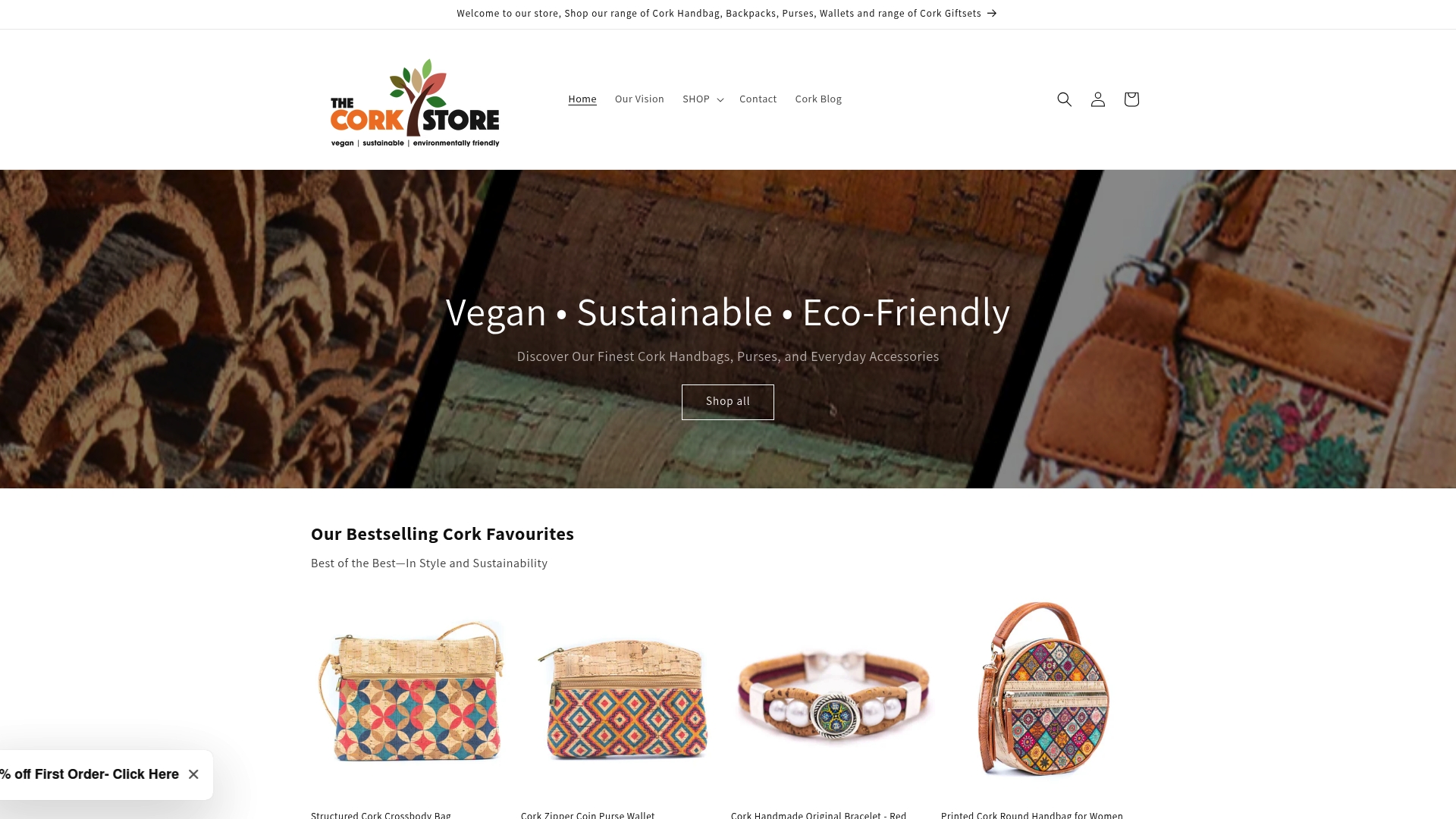
If you are ready to build a more considered accessory wardrobe, the Thecorkstore collection is a practical starting point. The range covers everyday essentials and statement pieces, all made from one of the most sustainable natural materials available. Explore the full selection and find accessories that hold their value in every sense.
FAQ
What materials define vegan accessory trends in 2025?
Piñatex, cactus leather, cork, rPET, and TENCEL Luxe are the leading materials. Each offers animal-free credentials alongside genuine sustainability performance, unlike PVC-based alternatives.
How do I verify a vegan accessory is genuinely ethical?
Look for GOTS certification, avoid PVC and PFC compounds, and check whether the brand provides a Digital Product Passport or supply chain disclosure. Brands with nothing to hide publish this information openly.
Are vegan handbags as durable as leather ones?
Cork and Piñatex bags match conventional leather in durability when well-made. The key factors are construction quality, reinforced stitching, and PFC-free weatherproofing rather than the material alone.
What is a Digital Product Passport and why does it matter?
A Digital Product Passport is a QR-linked record detailing a product’s material sourcing, factory information, and carbon footprint. It is the most reliable tool available for verifying sustainability claims and avoiding greenwashing.
How are influencers changing the vegan accessories market?
Influencers demonstrate vegan accessories across casual, professional, and formal settings, showing that ethical fashion is versatile rather than niche. That visibility accelerates mainstream adoption significantly.