

How to choose vegan accessories: sustainable cork guide 2026
Choosing vegan accessories that genuinely reflect your ethical values can feel overwhelming when faced with countless options claiming sustainability. Many eco-conscious shoppers struggle to distinguish authentic cruelty-free products from greenwashed alternatives, particularly when navigating materials like synthetic vegan leather versus natural cork. This comprehensive guide simplifies your decision-making process by providing clear, actionable criteria for selecting stylish, sustainable vegan accessories made from cork. You’ll discover how to assess material authenticity, verify ethical production standards, evaluate durability, and maintain your purchases for lasting use. By the end, you’ll confidently choose accessories that align perfectly with both your fashion sense and environmental commitment.
Table of Contents
- Understanding Vegan Accessories And Sustainable Materials
- What To Look For When Choosing Vegan Accessories
- Caring For Your Vegan Accessories To Ensure Longevity
- Comparing Vegan Accessory Materials: Cork Versus Alternatives
- Explore Stylish, Eco-Friendly Cork Accessories At The Cork Store
- How To Choose Vegan Accessories: Frequently Asked Questions
Key takeaways
| Point | Details |
|---|---|
| Cork offers superior sustainability | This renewable, biodegradable material provides an eco-friendly alternative to animal leather and synthetic options |
| Certifications verify ethical claims | Transparent sourcing and recognised standards help identify genuinely cruelty-free, environmentally responsible products |
| Style meets durability | Quality vegan accessories combine fashionable design with long-lasting performance when properly maintained |
| Proper care extends lifespan | Natural cleaning methods and appropriate storage preserve both appearance and functionality |
Understanding vegan accessories and sustainable materials
Vegan accessories are made without animal products, using sustainable alternatives like cork, which is renewable and environmentally friendly. These cruelty-free items include handbags, wallets, backpacks, and purses crafted from materials that cause no harm to animals whilst minimising environmental impact. Understanding the distinction between various vegan materials helps you make informed purchasing decisions aligned with your values.
Cork stands out as an exceptional choice among vegan materials due to its unique harvesting process and natural properties. Harvested from the bark of cork oak trees without harming the tree itself, cork regenerates completely within nine years, creating a truly renewable resource. This contrasts sharply with synthetic vegan leather, which often relies on petroleum-based plastics that contribute to environmental pollution. Cork’s natural origin means it biodegrades at the end of its lifecycle, returning nutrients to the earth rather than persisting as landfill waste.
The material offers remarkable practical benefits that make it ideal for everyday accessories:
- Naturally waterproof and stain resistant, protecting contents from moisture damage
- Lightweight yet durable, providing comfortable wear without sacrificing longevity
- Hypoallergenic and antimicrobial, making it suitable for sensitive skin
- Unique natural texture that develops character over time whilst maintaining structural integrity
- Sustainable harvesting that actually improves cork oak forest health and biodiversity
Many consumers mistakenly believe all synthetic vegan leather qualifies as environmentally friendly simply because it avoids animal products. However, polyurethane and PVC-based alternatives often require significant energy to produce and release harmful chemicals during manufacturing. Whilst these materials serve as cruelty-free options, they don’t deliver the same comprehensive sustainability profile as natural cork. Understanding this distinction empowers you to choose accessories that support both animal welfare and planetary health. For deeper insights into vegan accessory fundamentals, explore what are vegan accessories guide to build your knowledge foundation.
What to look for when choosing vegan accessories
Selecting genuinely sustainable vegan accessories requires evaluating multiple factors beyond surface-level marketing claims. Checking for certifications and transparent sourcing helps verify the ethical and environmental claims of vegan accessories. Follow this systematic approach to ensure your purchases meet rigorous standards:
-
Verify material authenticity by researching the specific type of vegan material used and its environmental credentials. Look for detailed product descriptions that specify cork origin, harvesting methods, and processing techniques rather than vague sustainability claims.
-
Investigate brand transparency by examining whether companies openly share their supply chain information, factory conditions, and environmental policies. Brands committed to genuine sustainability typically provide comprehensive details about their sourcing and production practices.
-
Assess design quality and craftsmanship by examining stitching, hardware, and construction methods. Well-made accessories feature reinforced stress points, quality zips, and attention to detail that indicate longevity rather than disposable fast fashion.
-
Evaluate functionality for your specific needs by considering size, compartments, carrying options, and practical features. An accessory that doesn’t serve your daily requirements will likely go unused, negating any environmental benefits.
-
Compare style compatibility with your existing wardrobe to ensure the piece integrates seamlessly. Cork’s natural texture and neutral tones complement diverse fashion aesthetics, from minimalist to bohemian styles.
Pro Tip: Read customer reviews specifically mentioning durability and long-term use rather than just initial impressions. Reviews from buyers who’ve owned the product for six months or longer provide realistic insights into how accessories perform over time and whether they maintain their appearance and functionality.
When evaluating cork specifically, examine the quality of the material itself. Premium cork should feel supple yet sturdy, with consistent texture and natural variations that add character. Avoid products with excessive chemical treatments that diminish cork’s natural properties. Understanding why choose vegan accessories reinforces the broader ethical and environmental context behind your purchasing decisions. The 2026 sustainable vegan accessories guide offers current insights into evolving standards and emerging options in the eco-fashion landscape.
Caring for your vegan accessories to ensure longevity
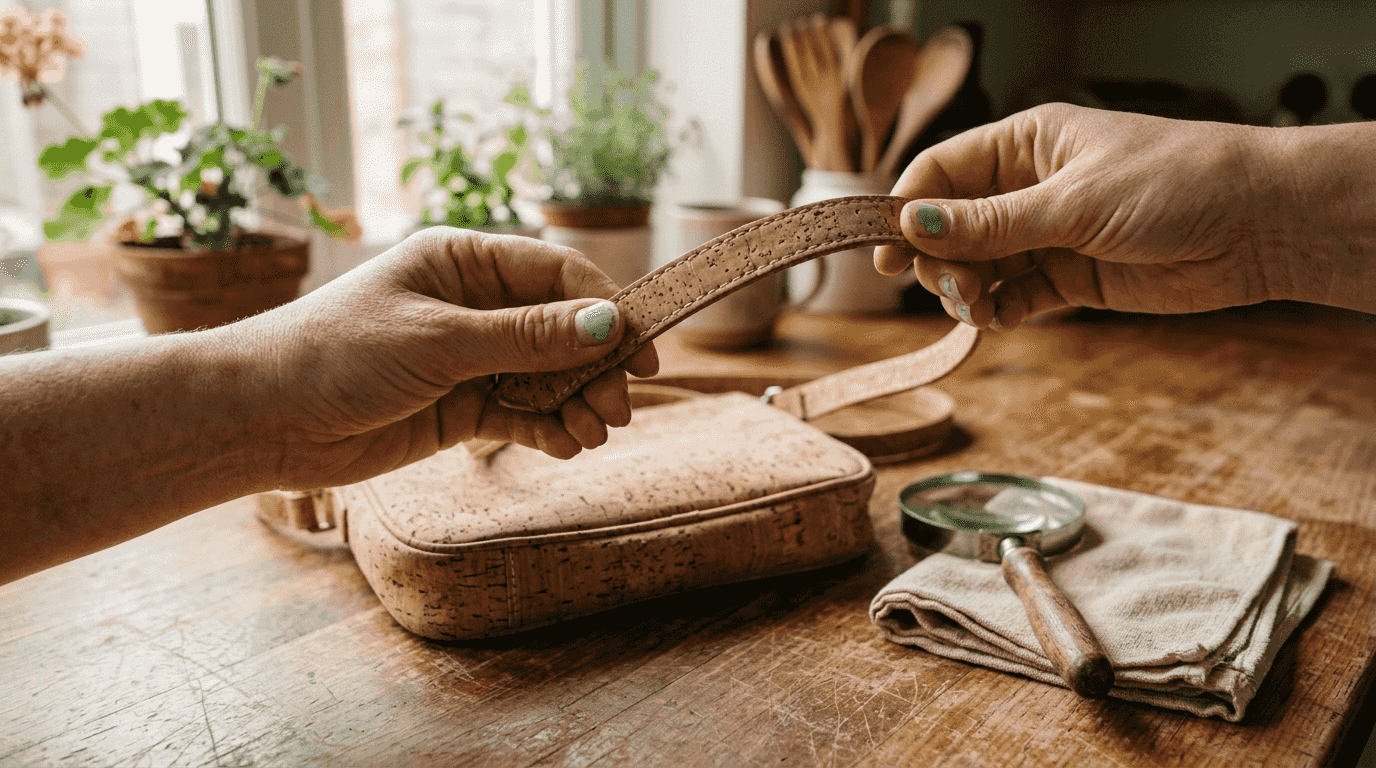
Proper care and cleaning using natural methods prolongs the life of vegan accessories and reduces environmental waste. Cork accessories require minimal maintenance compared to animal leather, but following appropriate care routines maximises their lifespan and preserves their natural beauty. Understanding these simple techniques ensures your investment continues delivering value for years.
Regular cleaning prevents dirt accumulation that can degrade cork’s natural texture over time. Use these gentle, eco-friendly methods:
- Wipe surfaces with a soft, damp cloth using plain water for routine cleaning
- Mix mild, plant-based soap with water for stubborn marks, then rinse with a clean damp cloth
- Allow accessories to air dry naturally away from direct heat sources or sunlight
- Apply a small amount of coconut oil occasionally to maintain suppleness and enhance water resistance
- Avoid harsh chemical cleaners, bleach, or abrasive materials that damage cork’s cellular structure
Pro Tip: Inspect your cork accessories monthly for early signs of wear, particularly at stress points like strap attachments and corners. Addressing minor issues immediately, such as loose stitching or small tears, prevents them from developing into major damage requiring professional repair or replacement.
Proper storage significantly impacts how well your accessories maintain their shape and appearance between uses. Store cork handbags and backpacks stuffed with acid-free tissue paper to preserve their structure, avoiding plastic bags that trap moisture and encourage mould growth. Keep accessories in cool, dry locations with adequate air circulation, away from direct sunlight that can cause fading. For wallets and smaller items, dedicated drawer compartments or fabric pouches provide protection from dust whilst allowing breathability.
Seasonal rotation extends the life of frequently used pieces by distributing wear across multiple accessories rather than concentrating stress on a single favourite. This practice also prevents compression damage that occurs when accessories remain in the same position for extended periods. For comprehensive maintenance guidance tailored to specific accessory types, consult the vegan handbags maintenance guide and learn techniques to clean vegan handbags naturally using household ingredients.
Comparing vegan accessory materials: cork versus alternatives
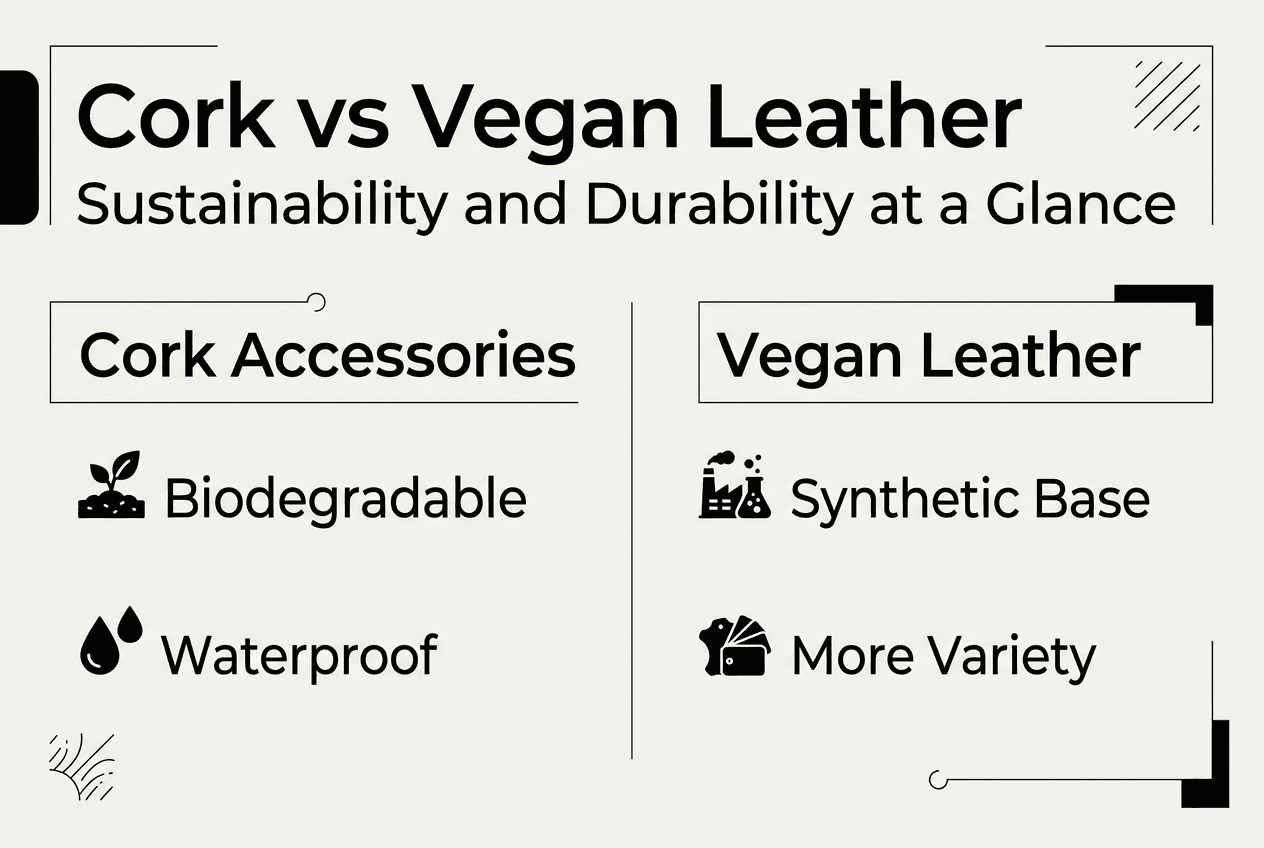
Cork offers a unique balance of environmental sustainability, durability, and aesthetic appeal compared to synthetic vegan leather alternatives. Understanding the practical differences between materials helps you select options that best match your priorities and lifestyle requirements. This objective comparison illuminates why cork frequently emerges as the preferred choice for eco-conscious consumers seeking both performance and ethics.
| Feature | Cork | Synthetic vegan leather |
|---|---|---|
| Environmental impact | Renewable, biodegradable, carbon-negative production | Petroleum-based, non-biodegradable, energy-intensive manufacturing |
| Durability | Naturally resilient, ages gracefully with character | Variable quality, may crack or peel over time |
| Maintenance | Minimal care, naturally water and stain resistant | Requires protective treatments, susceptible to damage |
| Aesthetic | Unique natural texture, warm organic appearance | Smooth synthetic finish, imitates animal leather |
| Weight | Exceptionally lightweight and comfortable | Heavier, less breathable |
| End of life | Composts naturally, returns to earth | Persists in landfills for decades |
Cork’s distinctive properties stem from its cellular structure, composed of millions of tiny air-filled chambers that create remarkable characteristics:
- Natural elasticity that allows the material to compress and recover without permanent deformation
- Inherent antimicrobial properties that resist bacteria, mould, and odour development
- Thermal insulation that protects contents from temperature extremes
- Sound dampening qualities that reduce noise from contents shifting inside bags
- Fire resistance that provides an additional safety advantage over petroleum-based alternatives
Whilst synthetic vegan leather serves as an accessible, affordable option for those transitioning away from animal products, it doesn’t deliver the comprehensive sustainability profile that cork provides. Some newer plant-based leathers derived from materials like pineapple leaves or mushroom mycelium show promise, but they remain less widely available and often more expensive than established cork products. These emerging materials may complement cork in future sustainable fashion landscapes rather than replace it.
The trade-offs between materials ultimately depend on individual priorities. If your primary concern centres on avoiding animal products at the lowest possible price point, synthetic options may suffice temporarily. However, for consumers committed to holistic sustainability encompassing environmental impact, durability, and long-term value, cork consistently outperforms alternatives. Exploring the advantages of vegan leather provides additional context for understanding how different materials align with various ethical and practical considerations.
Explore stylish, eco-friendly cork accessories at The Cork Store
Now that you understand how to select and care for vegan accessories, discovering trusted sources for quality cork products becomes your next priority. The Cork Store specialises in premium cork accessories that combine sophisticated style with uncompromising sustainability standards. Their curated collection features meticulously crafted handbags, wallets, backpacks, and gift sets designed for discerning eco-conscious consumers who refuse to compromise on either ethics or aesthetics.
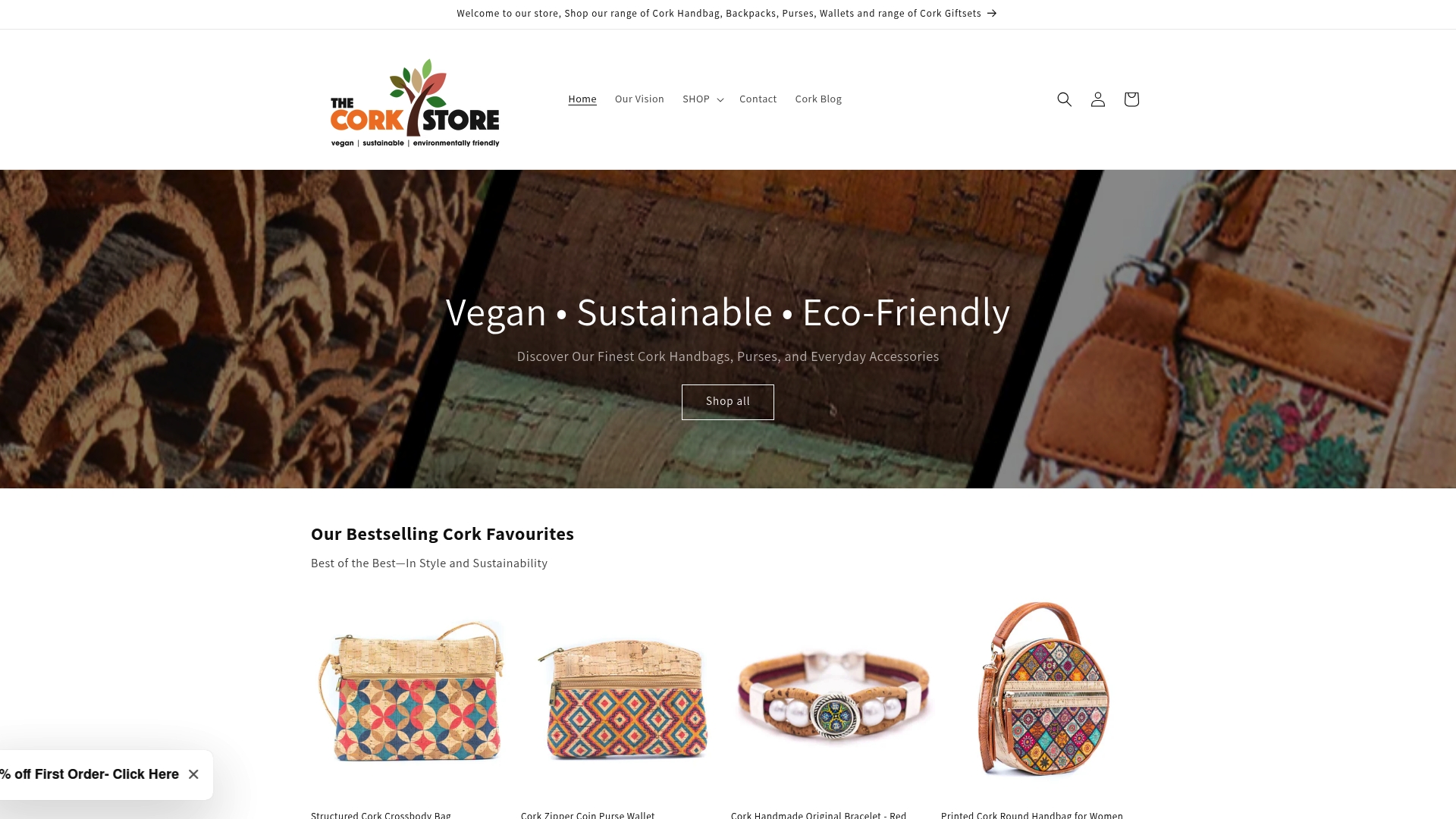
Each piece showcases cork’s natural beauty whilst delivering the functionality modern lifestyles demand. From elegant women’s gift sets perfect for introducing friends to sustainable fashion, to practical everyday essentials like the cork wallet gift set, the range addresses diverse needs and preferences. Browse The Cork Store homepage to explore the latest 2026 designs and discover how effortlessly cruelty-free accessories integrate into your conscious lifestyle.
How to choose vegan accessories: frequently asked questions
What makes cork a good material for vegan accessories?
Cork combines renewable sourcing, biodegradability, and exceptional durability in a single material. Harvested from living cork oak trees without causing harm, it regenerates completely within nine years whilst the trees continue absorbing carbon dioxide. Its natural water resistance, antimicrobial properties, and lightweight structure make it ideally suited for daily-use accessories that withstand varied conditions.
How can I verify that vegan accessories are truly eco-friendly?
Look for transparent supply chain information, recognised environmental certifications, and detailed material sourcing descriptions from brands. Genuine sustainable companies openly share their production processes, factory conditions, and environmental impact data. Research independent reviews and third-party assessments rather than relying solely on marketing claims, and prioritise natural materials like cork over petroleum-based synthetics.
Are vegan accessories as durable as animal leather products?
Quality vegan accessories made from cork often exceed animal leather in durability and longevity when properly maintained. Cork’s cellular structure provides natural resilience against wear, water damage, and everyday stress. Unlike animal leather that requires extensive chemical treatment and regular conditioning, cork maintains its integrity with minimal intervention, ageing gracefully whilst developing unique character over years of use.
What is the best way to clean cork vegan handbags?
Use a soft, damp cloth with plain water for routine cleaning, addressing spills and marks promptly before they set. For stubborn stains, mix a small amount of mild, plant-based soap with water, gently wipe the affected area, then remove soap residue with a clean damp cloth. Allow the accessory to air dry naturally away from direct heat, and occasionally apply a thin layer of coconut oil to maintain suppleness and enhance water resistance.
Can vegan accessories help reduce my environmental footprint?
Choosing vegan accessories made from sustainable materials like cork significantly reduces your environmental impact compared to both animal leather and synthetic alternatives. Cork production supports biodiversity, sequesters carbon, requires no pesticides or irrigation, and creates biodegradable products that return to earth naturally. By selecting durable, well-made pieces and maintaining them properly, you avoid the waste cycle of fast fashion whilst supporting ethical production practices that prioritise planetary health.
Recommended
- Why Go Vegan with Accessories: 64% Prefer Cork Alternatives – The Cork Store
- Cork Accessories: The Ultimate Guide to Vegan Fashion Alternatives – The Cork Store
- 2026 sustainable vegan accessories: UK eco-fashion guide – The Cork Store
- How to Choose Vegan Handbags: The Ultimate Eco Guide – The Cork Store