
Stylish vegan accessories: sustainable examples for 2026
Choosing vegan accessories that genuinely align with your sustainability values while looking stylish can feel overwhelming. With countless materials marketed as eco-friendly and cruelty-free, how do you separate truly sustainable options from greenwashing? This guide provides a clear framework for evaluating vegan accessories, explores popular plant-based and synthetic materials, and showcases real-world examples to help you make informed choices. You’ll discover which materials offer the best balance of durability, environmental impact, and style, empowering you to build an accessory collection that reflects your ethical commitments.
Table of Contents
- Key takeaways
- How to evaluate vegan accessories: key criteria
- Examples of popular vegan accessories and their materials
- Comparing vegan materials: durability and environmental impact
- Choosing the right vegan accessory for your lifestyle and values
- Discover sustainable cork accessories at The Cork Store
- Frequently asked questions
Key Takeaways
| Point | Details |
|---|---|
| Material sustainability first | Choose plastic free plant or mycelium materials and look for certifications such as PETA OEKO TEX and GRS to ensure genuine environmental benefits. |
| Durability matters | High quality vegan materials should withstand daily use for years with warranties signalling confidence in their performance. |
| Ethical certifications matter | Third party verifications such as PETA OEKO TEX and GRS reveal whether sustainability claims are credible. |
| Style remains important | Style remains important with diverse textures colours and designs that rival traditional leather. |
| Demand transparency | Proactively request material composition details from brands to help spot greenwashing. |
How to evaluate vegan accessories: key criteria
When selecting vegan accessories, four fundamental criteria determine whether a product truly aligns with sustainable values. Material sustainability forms the foundation, as prioritising plastic-free plant or mycelium materials with certifications like PETA, OEKO-TEX, and GRS ensures genuine environmental benefits. Plant-based materials consistently demonstrate lower environmental footprints than synthetic alternatives, though not all vegan options are sustainable, particularly PU and PVC plastics.
Durability benchmarks directly influence product lifespan and waste reduction. High-quality vegan materials should withstand daily use for several years, with proper care extending their functional life. Examining tensile strength, abrasion resistance, and flexibility helps predict how well an accessory will perform over time. Products with warranties or durability guarantees signal manufacturer confidence in material quality.
Ethical certifications provide third-party verification of sustainability claims. PETA certification confirms zero animal-derived components, whilst OEKO-TEX ensures materials meet safety standards without harmful chemicals. The Global Recycled Standard verifies recycled content percentages, offering transparency about resource efficiency. These certifications cut through marketing language to reveal genuine ethical practices.
Style considerations shouldn’t be sacrificed for sustainability. Modern vegan accessories rival traditional leather in aesthetic appeal, with diverse textures, colours, and designs available. Balancing cost with durability creates better value than choosing cheap synthetic options requiring frequent replacement. Investing in well-crafted vegan accessories reduces long-term spending whilst minimising environmental impact.
Pro tip: Request material composition details from brands before purchasing. Transparent companies readily share information about sourcing, manufacturing processes, and environmental certifications, whilst vague responses often indicate greenwashing.
Examples of popular vegan accessories and their materials
The vegan accessory market showcases remarkable material innovation across product categories. Bags crafted from mango leather, socks from organic cotton, beanies from plant-based fibres, earrings from reclaimed metals, belts from cork, and watches from AppleSkin and Piñatex demonstrate the breadth of sustainable options available. These materials transform agricultural waste and renewable resources into fashion-forward accessories.
Handbags lead the sustainable accessory revolution with diverse material choices. Mango leather utilises waste from fruit production, creating supple material suitable for structured bags. Desserto cactus leather offers water-resistant properties ideal for everyday totes and crossbody styles. Recycled Eco PU provides familiar leather aesthetics at accessible price points, though environmental benefits remain limited compared to plant-based alternatives. Sans Beast’s Cinnamon Tote exemplifies premium plant-based construction with durable hardware and refined finishing.
Smaller accessories demonstrate equal innovation. Organic cotton socks produced through fair-trade practices ensure comfortable, breathable footwear without synthetic fibres. Plant-derived beanies from brands like Matt & Nat combine warmth with ethical sourcing. Reclaimed metal earrings paired with ethically sourced stones create statement jewellery without mining impacts.
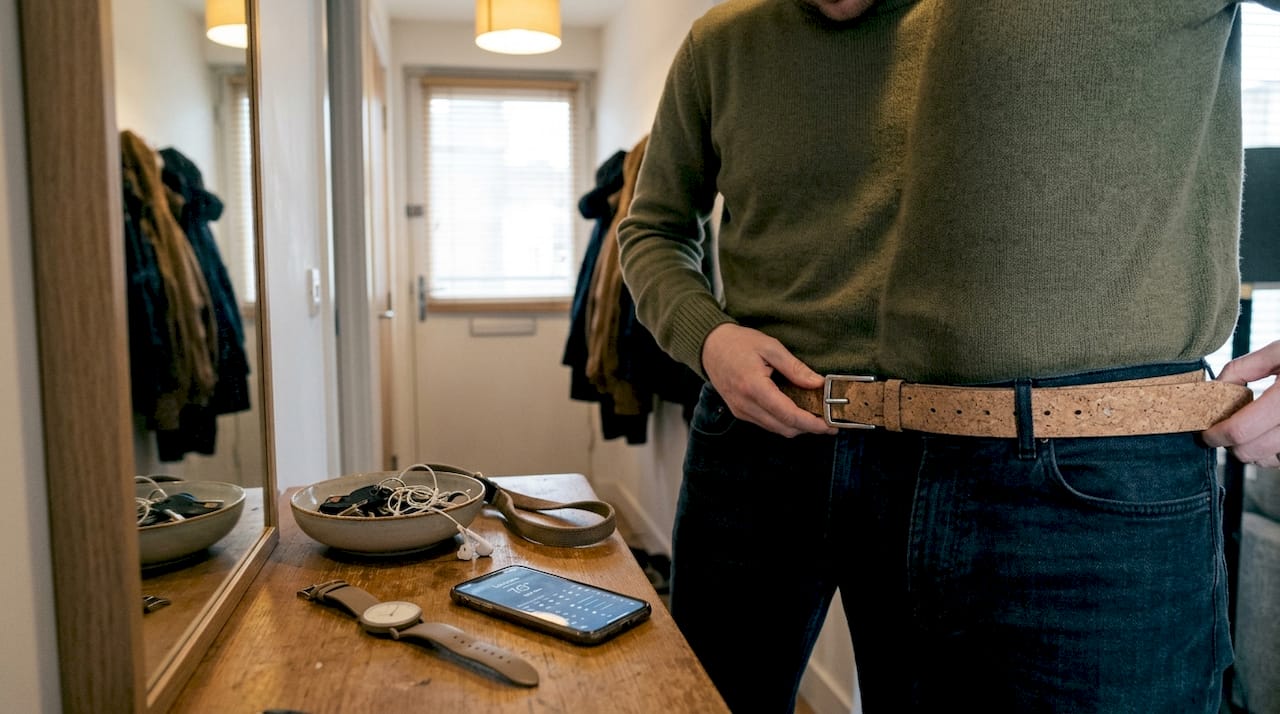
Belts and watches represent accessories where durability matters most. Cork belts provide exceptional abrasion resistance with natural moisture-wicking properties, often backed by manufacturer warranties. Corkor cork belts specifically highlight longevity guarantees. Votch watches incorporate AppleSkin derived from apple waste or Piñatex made from pineapple leaf fibres, proving technical accessories can embrace sustainability without compromising function. These timepieces withstand daily wear whilst maintaining precise mechanisms.
Wallets and purses complete the sustainable accessory collection. Cork wallets offer slim profiles with RFID protection, combining security with eco-credentials. Canvas options provide casual aesthetics with easy maintenance. Mushroom mycelium wallets represent cutting-edge material science, though availability remains limited as production scales.
Comparing vegan materials: durability and environmental impact
Material performance varies dramatically across vegan options, with plant-based materials lasting 3-6 years and cactus or apple variants achieving 24.1 MPa tensile strength. These durability metrics exceed many synthetic alternatives whilst delivering superior environmental profiles. Understanding these differences enables informed purchasing aligned with longevity expectations.
| Material | Durability (years) | Water use (L/kg) | CO2 emissions | Biodegradability | Key advantages |
|---|---|---|---|---|---|
| Cork | 5-8 | 150 | Low | Yes | Water-resistant, antimicrobial, renewable harvest |
| Cactus leather | 4-6 | 200 | Very low | Partial | High tensile strength, soft texture, low water needs |
| Piñatex | 3-5 | 180 | Low | Yes | Agricultural waste utilisation, flexible |
| AppleSkin | 3-5 | 220 | Low | Partial | Fruit waste recovery, smooth finish |
| Mycelium | 2-4 | 100 | Very low | Yes | Compostable, zero plastic, rapid growth |
| PU/PVC | 2-3 | 500 | High | No | Affordable, widely available, consistent quality |
| Animal leather | 10-20 | 17,000 | Very high | Yes | Maximum durability, patina development |
Environmental impact comparisons reveal stark contrasts. Plant-based materials use 200L/kg water compared to 17,000L/kg for animal leather, representing a 98.8% reduction in water consumption. Carbon emissions follow similar patterns, with plant-based production generating minimal greenhouse gases through photosynthesis offset. PU and PVC alternatives, whilst cheaper, contribute significantly to microplastic pollution as materials degrade, contaminating waterways and ecosystems.
Durability depends heavily on post-treatment processes. Protective coatings enhance water resistance and flexibility, extending functional lifespan considerably. Cactus and apple-based materials demonstrate higher abrasion resistance than untreated plant alternatives, making them suitable for high-use accessories like bags and belts. The benefits of cork accessories include natural water resistance without synthetic treatments, simplifying maintenance requirements.
Mycelium materials present intriguing possibilities despite current limitations. Zero plastic content and complete compostability offer genuine circular economy benefits. However, scaling challenges restrict availability, with production costs remaining higher than established alternatives. As cultivation techniques improve, mycelium could revolutionise sustainable accessories.
Pro tip: Examine stitching quality and hardware durability alongside material choice. Premium zips, reinforced seams, and quality buckles dramatically extend accessory lifespan regardless of base material.
“Choosing durable vegan accessories reduces replacement frequency, minimising resource consumption over time. A well-made plant-based bag lasting five years outperforms three synthetic bags requiring replacement every eighteen months.”
Choosing the right vegan accessory for your lifestyle and values
Personal usage patterns should guide material selection. Daily commuters need water-resistant, durable options like cork or treated cactus leather that withstand weather exposure and frequent handling. Occasional-use accessories for special events can prioritise aesthetics over maximum durability, allowing exploration of delicate materials like mushroom mycelium or thin apple leather. Assessing how often you’ll use an accessory prevents overbuying whilst ensuring items match their intended purpose.
Budget considerations extend beyond initial purchase price. Lifecycle analysis favours durable items over disposables, with cactus and mycelium representing leading innovations in longevity. A £60 cork wallet lasting six years costs £10 annually, whilst a £20 synthetic wallet requiring replacement every eighteen months costs £13.33 annually. Calculate cost per year of use rather than upfront expense to identify genuine value.
Sustainability priorities vary among eco-conscious consumers. Those focused on plastic elimination should choose certified plastic-free options like cork, Piñatex, or mycelium. Carbon footprint minimisation favours locally produced materials with transparent supply chains. Water conservation priorities align with cactus leather and other drought-resistant plant materials. Identifying your primary environmental concern focuses purchasing decisions effectively.
Style preferences needn’t compromise ethics. Modern vegan accessories span minimalist designs to bold statement pieces across diverse colour palettes and textures. Cork offers natural grain patterns with warm tones, whilst synthetic options provide uniform colours and smooth finishes. Plant-based materials develop unique patinas over time, adding character similar to traditional leather. Matching accessory aesthetics to your wardrobe ensures regular use rather than drawer storage.
Pro tip: Start with one high-quality vegan accessory in a versatile style and colour. Experience the material’s performance firsthand before expanding your collection, building confidence in durability and care requirements.
- Identify your most frequently used accessory type and prioritise upgrading it first for maximum sustainable impact
- Research brand transparency by reviewing material sourcing information and production practices on company websites
- Compare certification logos across products, selecting items with multiple verified credentials like PETA and OEKO-TEX
- Consider repair services offered by manufacturers, as brands supporting product longevity demonstrate genuine sustainability commitment
- Join online communities focused on vegan fashion to learn from others’ experiences with specific materials and brands
Balancing immediate needs with long-term values creates satisfaction beyond the purchase moment. Choosing vegan accessories that genuinely reflect your principles whilst serving practical functions builds a wardrobe supporting both personal style and planetary health. Patience in selecting the right pieces prevents impulse purchases of items failing to meet durability or aesthetic expectations.
Discover sustainable cork accessories at The Cork Store
Ready to embrace stylish, sustainable accessories that align with your values? The Cork Store offers an expertly curated collection of vegan cork products combining durability with elegant design. Cork’s natural water resistance, antimicrobial properties, and renewable harvesting make it an ideal material for everyday accessories requiring both function and ethics.
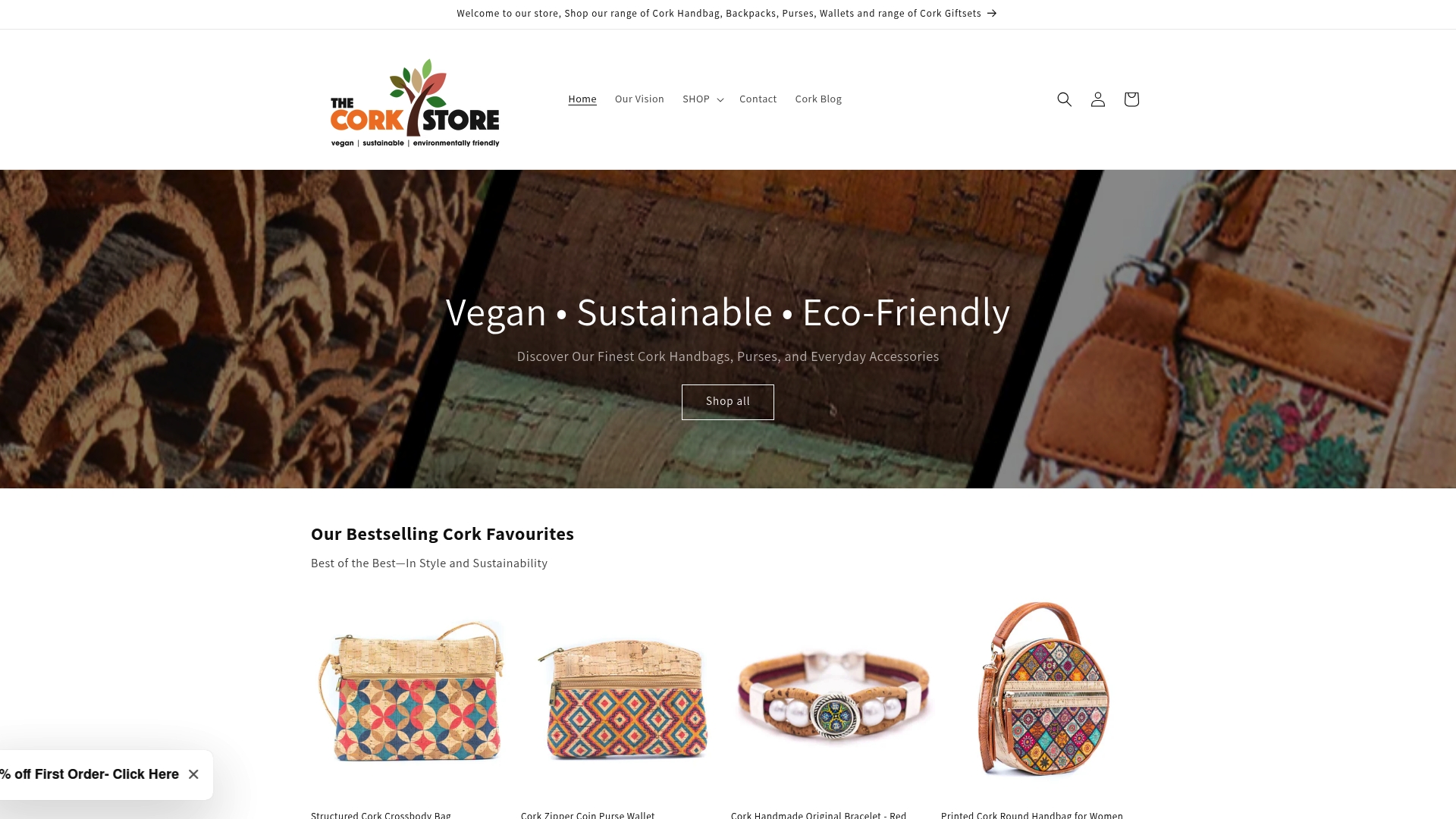
Explore practical options like the cork zipper coin purse wallet for streamlined organisation, the marine cork wallet featuring nautical-inspired design, or the cork small coin and card purse perfect for minimalist carrying. Each piece showcases cork’s unique texture whilst supporting cruelty-free fashion that doesn’t compromise on style or longevity.
Frequently asked questions
What are some common materials used in vegan accessories?
Plant-based materials include Piñatex derived from pineapple leaves, Desserto from cactus, AppleSkin from apple waste, mycelium from mushroom roots, mango leather, and cork harvested from tree bark. Synthetic options encompass polyurethane and polyvinyl chloride, though these lack biodegradability. Each material offers distinct sustainability profiles and durability characteristics suited to different accessory types.
Are plant-based vegan leathers more sustainable than synthetic ones?
Yes, plant-based materials use 200L/kg water and emit less CO2 compared to animal leather’s 17,000L/kg requirement. Synthetics like PU and PVC cost less initially but generate ocean microplastic pollution during degradation and lack biodegradability. Plant-based options provide superior environmental benefits across water consumption, carbon emissions, and end-of-life disposal, making them genuinely sustainable choices.
How can I ensure my vegan accessories are truly cruelty-free and eco-friendly?
Verify recognised certifications like PETA, OEKO-TEX, and Global Recycled Standard on product labels or brand websites. Research material composition details, preferring plastic-free plant-based options over synthetic alternatives. Review brand transparency regarding sourcing practices and manufacturing locations. Companies committed to genuine sustainability readily share detailed information about their supply chains and environmental impact measurements.
How long do vegan accessories typically last compared to traditional leather?
Quality vegan accessories last 3-6 years with proper care, whilst traditional leather can endure 10-20 years. However, plant-based materials like cork and cactus leather with protective treatments approach traditional leather durability when maintained correctly. Synthetic options typically last 2-3 years before visible wear compromises appearance. Choosing well-constructed vegan pieces with quality hardware extends lifespan significantly.
Can vegan accessories withstand daily use and various weather conditions?
Many vegan materials excel in daily use scenarios. Cork naturally resists water and develops antimicrobial properties, making it ideal for all-weather accessories. Treated cactus and apple leathers handle moisture exposure effectively with proper care. Synthetic options provide consistent water resistance but may crack with temperature fluctuations. Selecting materials matched to your climate and usage intensity ensures satisfactory performance over time.