
What makes a product vegan: your 2026 guide
TL;DR:
- A vegan product contains no animal ingredients, is not tested on animals, and is produced without animal byproducts. Certification schemes like The Vegan Society and NSF P543 verify compliance through audits and stringent supply chain controls. Labels alone cannot guarantee vegan status, so checking for reputable logos and directly contacting manufacturers enhances confidence in vegan claims.
A vegan product is defined as one that contains no animal-derived ingredients, no animal byproducts, and is produced without animal testing at any stage of manufacture. Understanding what makes a product vegan goes beyond scanning for obvious items like leather or milk. Hidden animal derivatives, processing aids, and misleading label terms catch even careful shoppers off guard. This guide covers the core criteria for vegan products, how certification schemes like The Vegan Society and NSF P543 verify compliance, and practical techniques for reading labels with confidence.
What ingredients disqualify a product from being vegan?
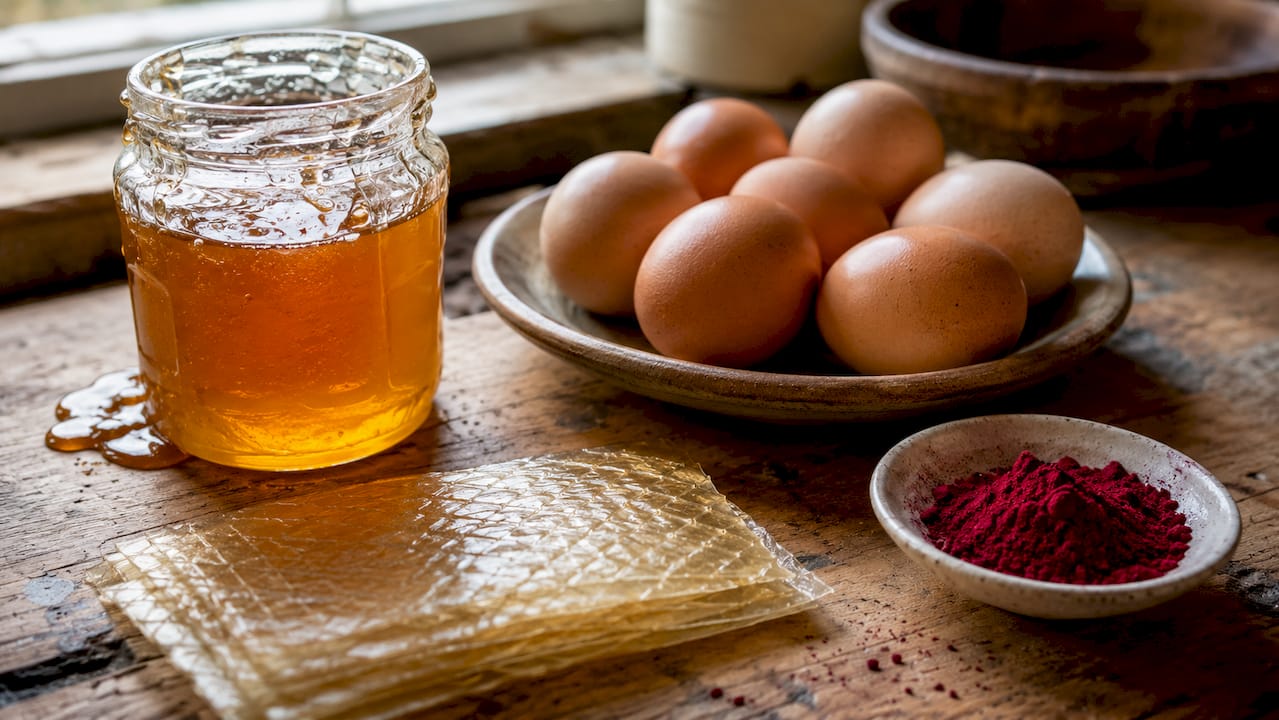
The most obvious non-vegan ingredients are gelatin, whey, casein, honey, and eggs. Gelatin comes from boiled animal bones and skin. Whey and casein are both dairy proteins. These appear in foods, cosmetics, and supplements under names that are easy to miss.
The harder challenge is hidden animal derivatives. Carmine is a red dye made from crushed cochineal beetles. Isinglass is a fining agent derived from fish bladders, used in some wines and beers. Vitamin D3 in fortified foods typically comes from lanolin, a wax secreted by sheep. Natural flavours is a catch-all term that can legally conceal animal-derived compounds.
Processing aids create another layer of complexity. Bone char in sugar refining and isinglass in wine filtration never appear on ingredient lists, yet they compromise vegan status. The final product looks plant-based, but the production process involved animal materials. This is why ingredient lists alone are not enough.
Common animal-derived ingredients to watch for:
- Gelatin — from animal bones, skin, and connective tissue
- Carmine / E120 — red pigment from crushed beetles
- Isinglass — fish bladder protein used in fining drinks
- Whey and casein — dairy proteins in foods and protein powders
- Lanolin — sheep wool wax, common in cosmetics and vitamin D3
- Beeswax / E901 — used in confectionery coatings and cosmetics
- Honey — found in snacks, skincare, and hair products
- Shellac / E904 — resin secreted by lac bugs, used as a glaze
- Natural flavours — may conceal animal-derived compounds
Pro Tip: When you see “natural flavours” on a label, contact the manufacturer directly. Customer service teams can confirm whether the source is plant or animal, since this detail is rarely published.
Gray-area ingredients like lecithin and enzymes can come from either plant or animal sources. Their vegan status depends entirely on the supplier. Without certification or a direct manufacturer confirmation, you cannot know for certain.
How do vegan certification schemes guarantee vegan integrity?
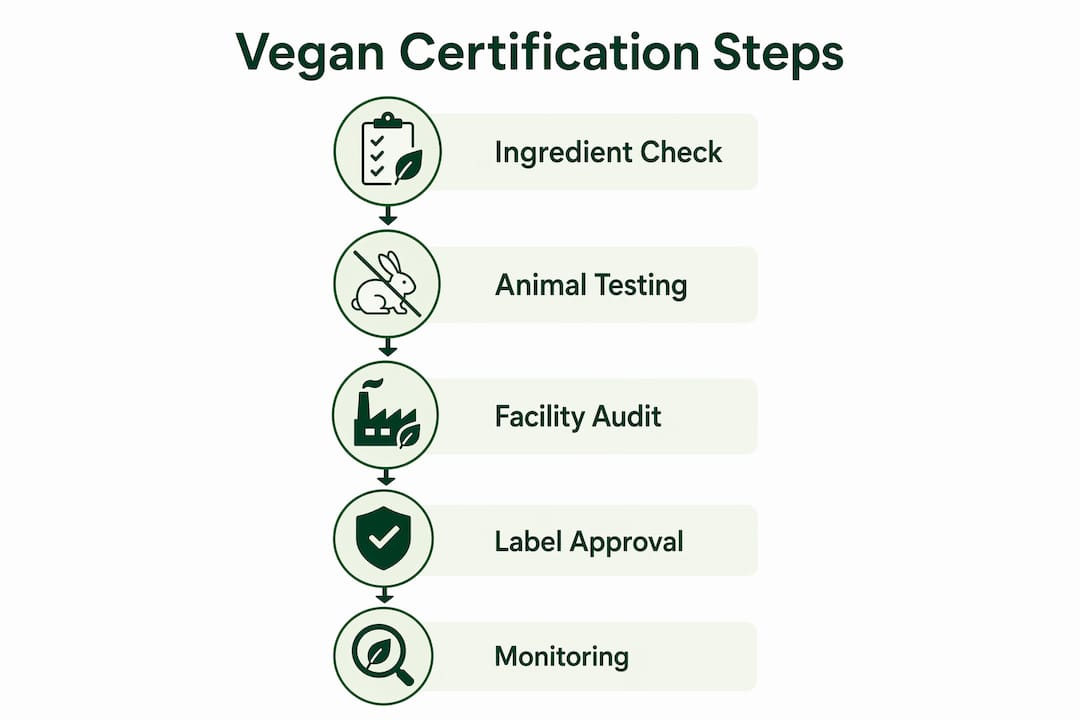
Third-party vegan certification is the most reliable indicator a product meets vegan standards. Formal vegan certification such as The Vegan Society trademark or NSF P543 requires a thorough review of every ingredient, the full supply chain, manufacturing facilities, and standard operating procedures. Self-declared “vegan” labels carry no such obligation.
The Vegan Society sunflower logo is one of the most recognised marks in the UK. NSF P543 is a North American standard that has gained traction globally. Both schemes share the same core requirements: no animal-derived ingredients, no animal testing, and no animal-derived GMOs anywhere in the production process.
Manufacturing controls are where certification goes further than a label ever can. Certified vegan facilities implement documented segregation of vegan and non-vegan materials, validated cleaning protocols between production runs, and formal employee training programmes. Auditors verify these controls on site. A product carrying a certification logo has passed that scrutiny.
NSF P543 goes into particular detail on production integrity. NSF vegan certification requires documented SOPs covering ingredient approval, commingling prevention, cleaning validation, employee training, and full traceability through the supply chain. That level of documentation is what separates certified vegan from a marketing claim.
| Certification | Issuing body | Animal ingredient check | Animal testing check | Facility audit |
|---|---|---|---|---|
| The Vegan Society trademark | The Vegan Society (UK) | Yes | Yes | Yes |
| NSF P543 | NSF International (global) | Yes | Yes | Yes |
| Vegetarian Society Vegan Approved | The Vegetarian Society (UK) | Yes | Yes | Yes |
| Self-declared “vegan” label | Brand only | No independent check | No independent check | No |
Pro Tip: Treat a certified vegan logo as a shortcut. It replaces hours of ingredient research with a single verified mark. If a product lacks certification, that does not automatically mean it is non-vegan, but it does mean you need to do more work.
Retailers treat vegan claims as high-risk and require robust substantiation. Certification provides that substantiation through audits, documentation, and testing. Brands that invest in certification are signalling a level of commitment that a printed claim cannot match.
How to identify vegan products when shopping
The fastest route to confirming a product is vegan is spotting a recognised certification logo. The Vegan Society sunflower, the Vegetarian Society Vegan Approved mark, and NSF P543 are all reliable. These logos and explicit labels like “suitable for vegans” cut through the ambiguity of complex ingredient lists.
When no logo is present, the allergen declaration is your next stop. UK law requires manufacturers to highlight the 14 major allergens, including milk, eggs, and fish, in bold within the ingredient list. If none of those appear, the product clears a basic filter. That said, allergens are not a complete vegan check. Some animal derivatives, such as carmine or isinglass, are not classified as major allergens and will not appear in bold.
Precautionary allergen warnings cause confusion. A “may contain milk” statement is a cross-contamination warning, not a declaration of intentional inclusion. These warnings are precautionary and do not mean the product contains animal ingredients. Strict vegans may choose to avoid such products, but many accept them as vegan.
Do’s and don’ts when checking vegan status on labels:
- Do look for a recognised third-party certification logo first
- Do read the full ingredient list, not just the front-of-pack claims
- Do check allergen declarations for milk, eggs, and fish in bold
- Do contact the manufacturer when an ingredient source is unclear
- Don’t assume “plant-based” means fully vegan
- Don’t treat “cruelty-free” as confirmation of vegan ingredients
- Don’t rely on “non-dairy” as a vegan guarantee
- Don’t ignore processing aids like bone char or isinglass in drinks
Contacting manufacturers directly is underused but effective. Customer service teams can clarify whether gray-area additives like enzymes or lecithin come from plant or animal sources. Many brands now respond quickly to these queries, particularly as vegan consumer demand has grown.
Vegan vs plant-based vs cruelty-free: what is the difference?
These three terms are not interchangeable, and confusing them leads to poor purchasing decisions. “Vegan” means total exclusion of animal-derived ingredients and testing throughout the product and its production. Plant-based and vegan are not the same. A plant-based product may still include honey, eggs, or dairy in small quantities.
“Cruelty-free” refers primarily to animal testing. A product labelled cruelty-free has not been tested on animals, but its ingredients may still come from animals. A moisturiser can be cruelty-free and contain beeswax or lanolin. The two claims address different concerns.
Vegan certification focuses solely on animal-origin ingredients and testing. It does not certify environmental credentials, fair labour practices, or carbon footprint. A certified vegan product is not automatically sustainable or ethically sourced in every sense. Consumers who want both need to look for additional certifications alongside the vegan mark.
| Term | Animal ingredients excluded | Animal testing excluded | Environmental claims | Legal definition |
|---|---|---|---|---|
| Vegan | Yes | Yes | No | No statutory definition in UK |
| Plant-based | Mostly, not always | No | No | No statutory definition |
| Vegetarian | Partially (no slaughter) | No | No | No statutory definition |
| Cruelty-free | No | Yes | No | No statutory definition |
The absence of a statutory definition for any of these terms in UK law is significant. It means brands can use them freely without meeting a defined standard. Third-party certification is the only mechanism that imposes consistent, audited criteria.
Key takeaways
A product is only genuinely vegan when it excludes all animal-derived ingredients, avoids animal testing, and is produced under controls that prevent cross-contamination throughout the supply chain.
| Point | Details |
|---|---|
| Core vegan criteria | No animal-derived ingredients, no animal testing, and no cross-contamination in production. |
| Hidden ingredients matter | Carmine, isinglass, bone char, and natural flavours can compromise vegan status invisibly. |
| Certification is the gold standard | The Vegan Society trademark and NSF P543 both require facility audits and documented SOPs. |
| Label terms mislead | Plant-based, cruelty-free, and non-dairy do not guarantee a product is fully vegan. |
| Allergen warnings are not vegan checks | “May contain” statements indicate contamination risk, not intentional animal ingredient use. |
Why I trust certification over clever packaging
After years of researching vegan standards, the single most useful shift I made was stopping to read every ingredient list and starting to look for the logo first. Certification schemes like The Vegan Society and NSF P543 exist precisely because ingredient lists are imperfect. Processing aids do not appear on labels. Suppliers change. Natural flavours hide a multitude of sources.
The uncomfortable truth is that a brand can print “vegan” on its packaging without meeting any defined standard. There is no UK law preventing it. That is not a reason to feel cynical. It is a reason to treat certified products as the reliable baseline and everything else as requiring further investigation.
I have found that building a working knowledge of the most common hidden derivatives, particularly carmine, isinglass, and lanolin, pays off quickly. You start to spot them without effort. For accessories specifically, the same principles apply. Understanding vegan standards in fashion has made me a far more confident shopper, and far less likely to be caught out by a label that sounds right but says very little.
The practical advice I give anyone starting out is this: prioritise certified products, learn the ten most common hidden animal derivatives, and contact brands when you are unsure. Most reputable companies will answer. The ones that do not are telling you something useful.
— Aaron
Vegan accessories made without compromise at Thecorkstore
Thecorkstore specialises in cork accessories that meet vegan standards by design. Cork is harvested from the bark of cork oak trees without harming the tree, making it a genuinely animal-free and sustainable material.
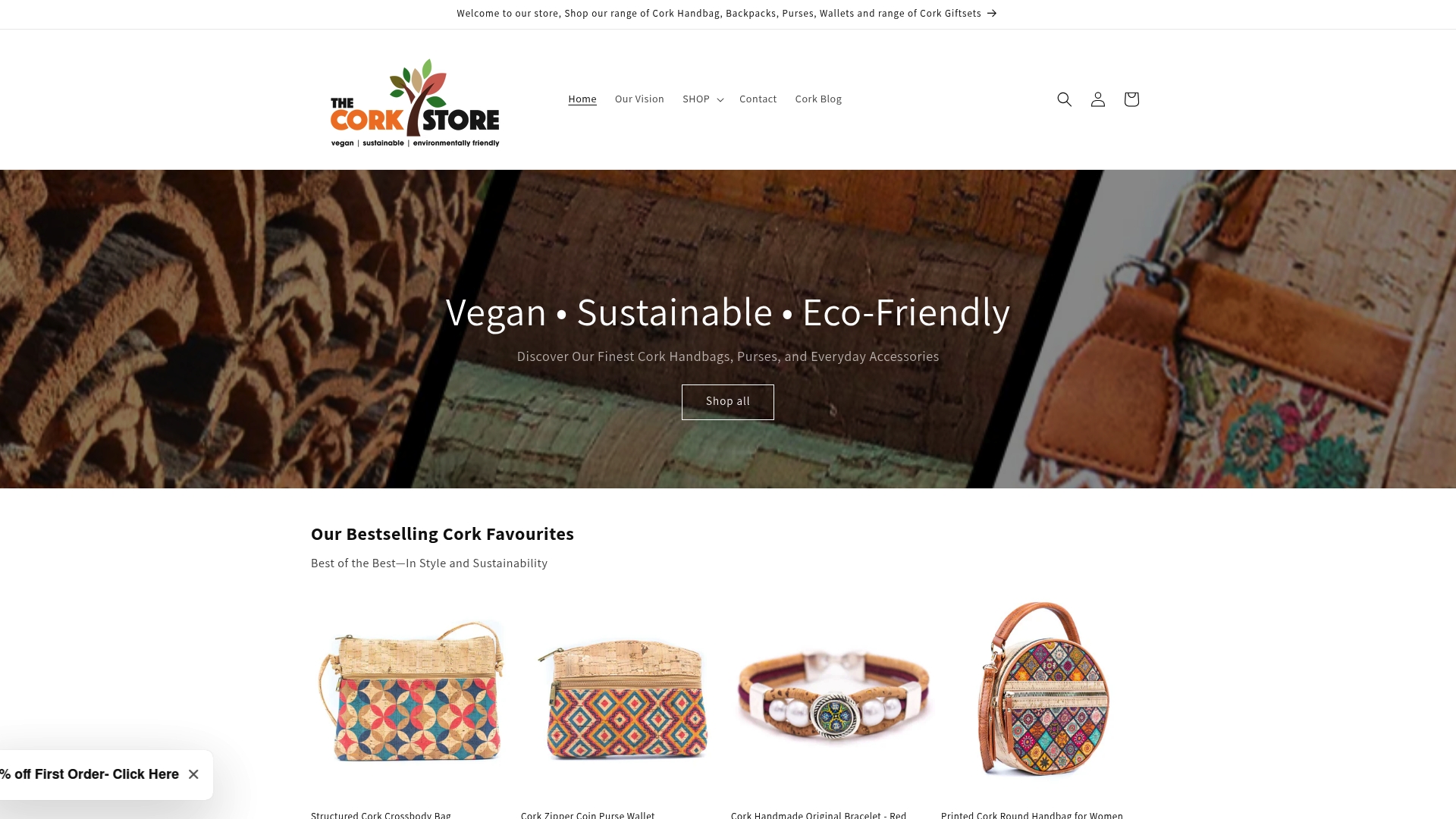
Every bag, wallet, and backpack in the Thecorkstore collection is made without leather, animal glues, or animal-derived dyes. For shoppers who want style and ethical sourcing in the same product, the range offers a clear alternative to conventional leather goods. Browse the full collection at Thecorkstore and find accessories that align with your values without requiring a compromise on quality or design.
FAQ
What makes a product officially vegan?
A product is officially vegan when it contains no animal-derived ingredients, has not been tested on animals, and is produced without cross-contamination from animal materials. Third-party certification from bodies like The Vegan Society or NSF P543 provides the most reliable confirmation.
Is “plant-based” the same as vegan?
No. Plant-based products may still contain animal-derived ingredients such as honey, eggs, or dairy. Vegan means total exclusion of all animal-derived materials, including processing aids and testing.
How can I tell if a product is vegan without a logo?
Read the full ingredient list and check the allergen declaration for milk, eggs, and fish in bold. If any ingredient source is unclear, contact the manufacturer directly to confirm whether it is plant or animal derived.
Does cruelty-free mean vegan?
No. Cruelty-free confirms a product was not tested on animals, but it does not restrict animal-derived ingredients. A cruelty-free product can legally contain beeswax, lanolin, or carmine.
What do “may contain” warnings mean for vegans?
“May contain” warnings are precautionary statements about cross-contamination risk in shared facilities. They do not indicate intentional animal ingredient use. Strict vegans may choose to avoid such products, but many consider them acceptable.