
Why go cruelty-free: reasons that actually matter
TL;DR:
- Going cruelty-free involves supporting brands that do not test on animals or use animal-tested ingredients at any development stage. Certification, like Leaping Bunny, ensures genuine cruelty-free practices by verifying supply chain commitments through independent audits. Consumer motivation includes ethical concern, social identity, influencer advocacy, and fair pricing, all driving systemic change and promoting transparency.
Going cruelty-free is the conscious choice to buy products and support brands that do not test on animals or use animal-tested ingredients at any stage of development. The term sits within the broader framework of ethical consumerism, where purchasing decisions reflect personal values about animal welfare, environmental responsibility, and corporate accountability. Organisations like Cruelty Free International and the Leaping Bunny programme have spent decades defining and verifying these standards. With nearly 192 million animals used in testing globally each year, the scale of the problem makes the case for change impossible to ignore.
Why go cruelty-free: what it really means
The phrase “cruelty-free” is widely used but legally undefined in most countries, including the UK. Any brand can print it on packaging without independent verification. That gap between marketing language and genuine practice is exactly why third-party certification exists, and why it matters so much to anyone serious about ethical fashion choices.
The gold standard in this space is the Leaping Bunny certification, administered by Cruelty Free International and its partner organisations. Leaping Bunny certification requires companies to pledge no animal testing at any stage of production, including ingredient sourcing, and mandates supplier pledges and on-site audits. This is not a self-assessment form. It is a supply chain commitment backed by independent verification.
The practical difference matters enormously. A brand can truthfully claim it does not test its finished products on animals while still sourcing ingredients from suppliers who do. Self-declared cruelty-free claims without certification often mislead consumers precisely because of this loophole. Certification closes it.
- Look for the Leaping Bunny logo or PETA’s Beauty Without Bunnies mark on packaging
- Cross-reference brands using the Leaping Bunny’s searchable directory at leapingbunny.org
- Check whether a brand sells in mainland China, where animal testing was historically required by law for imported cosmetics
- Treat any claim without a named certifying body as unverified until confirmed
Pro Tip: When in doubt about a brand’s status, search the Leaping Bunny directory directly rather than relying on the brand’s own website. Self-reported information is not audited.
What motivates consumers to choose cruelty-free products?
The psychology behind cruelty-free purchasing is more layered than simple ethical concern. Research published in Frontiers in Psychology found that altruistic motivation, logos, and CSR cues together explain 74% of the variance in cruelty-free buying behaviour. That is a striking figure. It tells us that how a brand communicates its values is almost as important as the values themselves.
The motivations that consistently drive cruelty-free purchasing fall into four categories:
- Ethical concern for animals. Most buyers cite animal welfare as their primary reason. Knowing that a product reached them without causing suffering to a living creature produces what researchers call a “warm glow,” a genuine emotional reward from acting in line with personal values.
- Social identity and community. Cruelty-free consumption functions as a form of moral signalling. Buying certified products communicates who you are and what you stand for, both to yourself and to others. Research confirms that cruelty-free purchasing strongly inspires self-expression (β = 0.843) and social bonding (β = 0.745). These are not trivial effects.
- Influencer and peer advocacy. Multi-channel ethical messaging, from logos on packaging to influencer endorsements and CSR communications, synergistically boosts altruistic motivation. When someone you trust recommends a certified brand, the barrier to switching drops considerably.
- Fair pricing. Motivation alone does not guarantee purchase. Consumers are less likely to buy cruelty-free products when price premiums feel exploitative. Fair pricing signals that a company is not monetising your empathy, and that trust is what converts intention into action.
“Cruelty-free consumption is not just ethical concern. It is a moral performance that signals identity and community membership.” Frontiers in Psychology, 2025
Understanding these drivers helps you recognise your own motivations and choose brands that genuinely align with them, rather than those that simply perform alignment for marketing purposes.
What are the benefits of going cruelty-free?
The advantages of cruelty-free products extend well beyond the individual purchase. They operate at three distinct levels: animal welfare, personal health, and societal change.
At the animal welfare level, the impact is direct. Every certified purchase reduces commercial demand for animal testing. Cruelty Free International frames individual consumer choices as part of a broader systemic strategy, linking purchasing behaviour to regulatory advocacy and policy change. When enough consumers shift their spending, brands follow. When enough brands shift, regulators take notice.
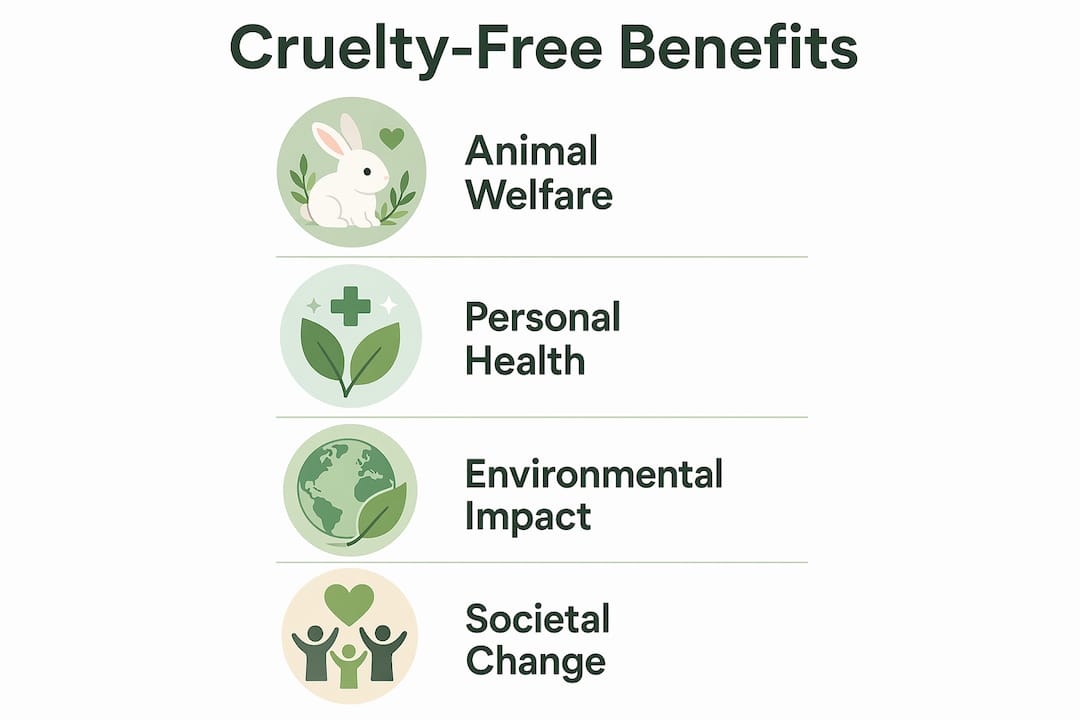
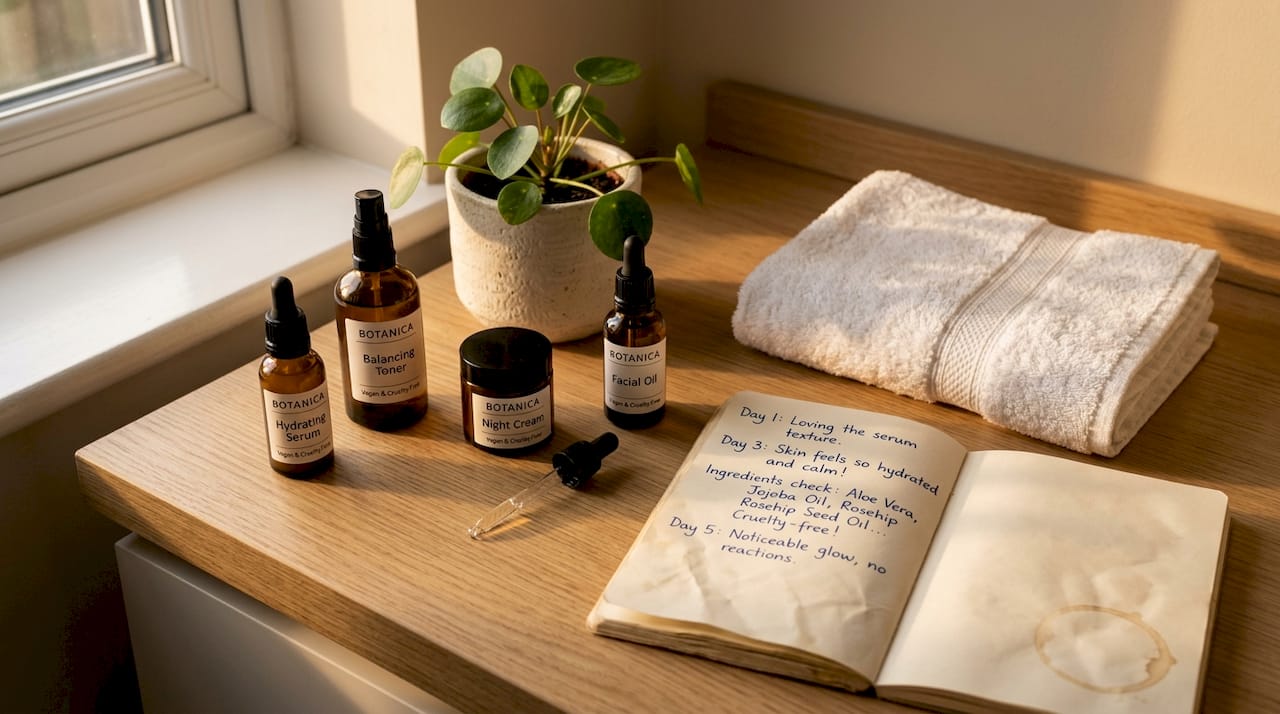
At the personal level, cruelty-free products tend to use cleaner ingredient lists. Brands committed to ethical sourcing often avoid harsh synthetic chemicals not because regulations require it, but because their customer base demands transparency. This is not a guaranteed correlation, but it is a consistent pattern across certified brands in the beauty and accessories sectors.
At the societal level, the importance of cruelty-free consumption lies in its cumulative pressure on markets and governments. Consumer demand has already driven significant legislative progress in the EU, UK, and India, where cosmetic animal testing is now banned or heavily restricted.
| Benefit | Details |
|---|---|
| Animal welfare | Reduces commercial demand for animal testing and supports global advocacy for legislative bans |
| Cleaner ingredients | Certified brands tend toward greater ingredient transparency, reducing exposure to harsh chemicals |
| Market pressure | Sustained consumer demand pushes non-certified brands to reform supply chains and testing practices |
| Personal empowerment | Ethical purchasing reinforces personal values and creates a sense of agency over systemic issues |
| Community connection | Shared cruelty-free values build social bonds and a sense of belonging within ethical consumer communities |
How to transition to a cruelty-free lifestyle
The most common mistake people make when going cruelty-free is trying to overhaul everything at once. That approach leads to waste, frustration, and abandoned intentions. The practical alternative is gradual replacement: finish what you have, then replace it with a certified alternative. This method respects your budget and avoids throwing away products that have already been purchased.
Here is a straightforward approach that works:
- Start with one category. Skincare, haircare, or accessories are natural starting points. Mastering one area builds confidence before expanding.
- Use verification tools. The Keru app scans products to reveal cruelty-free status, certifications, and corporate parent companies in real time. This removes the guesswork at the point of purchase.
- Check corporate ownership. Many certified brands are owned by parent companies that still test on animals. Knowing this lets you decide how far you want to take your commitment.
- Support certified brands publicly. Leaving reviews, sharing purchases on social media, and recommending brands to friends amplifies the market signal that ethical products send. Individual action becomes collective pressure.
- Explore cruelty-free accessories. Fashion accessories, including wallets, bags, and belts, are often overlooked. Cork and other plant-based materials offer durable, stylish alternatives to leather. Thecorkstore’s guide on selecting cruelty-free wallets is a practical starting point for this category.
Pro Tip: Set a simple rule: before buying any new product, spend 60 seconds checking it against the Leaping Bunny directory or the Keru app. That habit, repeated consistently, transforms your purchasing profile within a year without requiring dramatic lifestyle changes.
The transition does not need to be perfect to be meaningful. Replacing five products a year with certified alternatives still removes five sources of animal testing revenue from your spending. Progress matters more than purity.
Key takeaways
Choosing cruelty-free products reduces animal suffering, builds consumer trust through certification, and creates measurable market pressure for systemic change across the beauty and fashion industries.
| Point | Details |
|---|---|
| Certification is non-negotiable | Leaping Bunny and equivalent third-party audits are the only reliable way to verify cruelty-free claims. |
| Motivation is multi-layered | Altruism, social identity, and fair pricing together drive 74% of cruelty-free purchasing decisions. |
| Benefits extend beyond animals | Cleaner ingredients, personal empowerment, and legislative pressure are direct outcomes of cruelty-free spending. |
| Gradual transition works best | Replacing products as they run out avoids waste and makes the shift financially and practically sustainable. |
| Accessories count too | Cork, recycled materials, and other plant-based alternatives extend cruelty-free principles into fashion and everyday carry. |
Why I think the certification gap is the real story here
Most articles about going cruelty-free focus on motivation. I think the more urgent conversation is about verification. The gap between a brand saying “cruelty-free” and a brand actually being cruelty-free is wide enough to drive a lorry through, and most consumers have no idea it exists.
I have spent years watching ethical consumerism mature as a market category, and the pattern is consistent. Demand outpaces infrastructure. Brands rush to claim ethical credentials before the standards to verify those claims are in place. The result is a market full of well-intentioned buyers being misled by well-designed packaging.
What gives me genuine optimism is that the infrastructure is catching up. The Leaping Bunny programme has expanded its certified brand list significantly over the past decade. Apps like Keru have made verification accessible to anyone with a smartphone. And organisations like Cruelty Free International have successfully linked consumer behaviour to legislative outcomes in multiple countries. That is real, measurable progress.
The uncomfortable truth is that going cruelty-free requires more effort than buying conventional products, at least initially. You have to learn to read labels differently, check certifications, and occasionally pay a modest premium. But that friction is also the point. It is what separates a genuine ethical commitment from passive consumption dressed up as virtue. Once the habit forms, the effort drops to near zero. The first three months are the hardest. After that, it becomes second nature.
My advice: start with the Leaping Bunny directory, pick one product category, and replace as you go. Do not let the perfect be the enemy of the good. Every certified purchase you make is a vote cast in a market that is slowly, genuinely changing.
— Aaron
Cruelty-free cork accessories from Thecorkstore
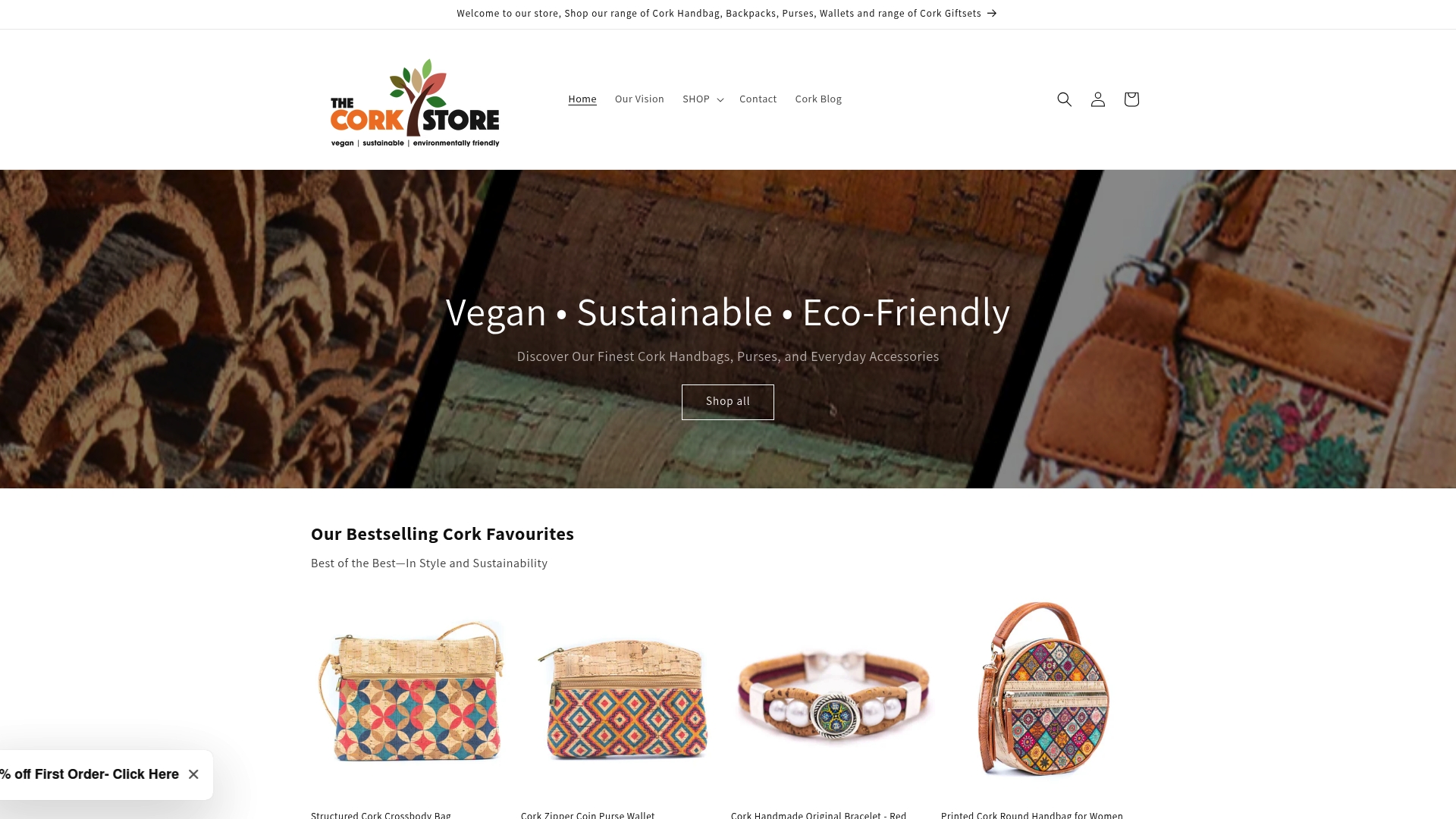
Thecorkstore offers a curated range of vegan cork accessories that are cruelty-free by design. Cork is harvested from the bark of cork oak trees without felling them, making it one of the most sustainable and animal-friendly materials available for everyday accessories. If you are looking for a practical starting point for your cruelty-free lifestyle, the cork wallet gift set is an ideal choice for personal use or ethical gifting. For a broader selection of plant-based, cruelty-free options, browse the full vegan cork gift collection and find something that reflects your values without compromising on style or durability.
FAQ
What does cruelty-free mean exactly?
Cruelty-free means a product and its ingredients were not tested on animals at any stage of development. The term has no single legal definition, so third-party certification from bodies like Leaping Bunny is the most reliable way to verify the claim.
Is cruelty-free the same as vegan?
No. Cruelty-free refers to animal testing practices, while vegan means no animal-derived ingredients are used. A product can be cruelty-free but still contain beeswax or lanolin, and a vegan product may have been tested on animals.
Why does Leaping Bunny certification matter?
Leaping Bunny certification requires supplier pledges and on-site audits across the entire supply chain, not just the finished product. This makes it the most thorough and independently verified cruelty-free standard available to consumers.
How do I verify if a brand is genuinely cruelty-free?
Search the Leaping Bunny directory at leapingbunny.org or use the Keru app to scan products in real time. Both tools check certification status and flag corporate parent companies that may still conduct animal testing.
Does buying cruelty-free actually make a difference?
Yes. Cruelty Free International links individual consumer spending directly to regulatory advocacy and systemic change. Consumer demand has already contributed to cosmetic animal testing bans in the EU, UK, and India.