
Why go cruelty free: your guide to ethical fashion
TL;DR:
- Cruelty-free claims are often unregulated and can be misleading without proper certification or transparency.
- Choosing verified cruelty-free products, such as cork accessories, reduces demand for animal testing and promotes ethical practices.
Most people assume “cruelty free” is a straightforward claim. It is not. Why go cruelty free if the label itself can mean different things depending on the brand, the country, and the certification body involved? The term is unregulated in most markets, which means a product stamped “cruelty free” in one shop may have been tested on animals at a supplier level in another country. For eco-conscious shoppers choosing cork handbags, wallets, and accessories as alternatives to leather, understanding this distinction is not optional. It is the whole point.
Table of Contents
- Understanding what cruelty free really means
- Why cruelty free matters beyond materials: animal testing still widespread
- Navigating cruelty-free labels: what consumers need to know
- How cruelty-free shopping empowers self-expression and social impact
- Applying cruelty-free principles to stylish, sustainable accessories
- Why the true cruelty-free journey requires careful consumer vigilance
- Explore stylish cruelty-free cork accessories at The Cork Store
- Frequently asked questions
Understanding what cruelty free really means
The phrase sounds clear. It is not. Cruelty-free is not defined consistently worldwide, and in many markets there is no single legal standard that governs how brands may use the term. Some brands attach a quiet caveat: “cruelty free, except where required by law.” That phrase is not reassurance. It is a loophole.
What it often means in practice is that a brand will conduct animal testing when a particular market demands it, such as China, which until recently required animal testing on imported cosmetics as a condition of market entry. The brand then sells globally under a cruelty-free banner. Legally, they are not lying. Ethically, the picture is far murkier.
For fashion accessories, the stakes extend beyond cosmetics. When you explore defining cruelty-free accessories, you quickly see that a genuine cruelty-free commitment must cover the entire supply chain: raw materials, dyes, adhesives, and any ingredient testing performed by suppliers. A vague brand-level statement that ignores suppliers is meaningless.
Here is what a genuine cruelty-free policy should cover:
- No animal testing at any stage of product development, including by third-party suppliers
- No ingredient sourcing from companies that conduct or commission animal tests
- Clear documentation of supplier policies and regular auditing
- No sales in markets where animal testing is a legal requirement, unless a verified exemption applies
- A recognised certification that provides independent verification, not self-declaration
Without these elements, cruelty-free is simply marketing language.
Why cruelty free matters beyond materials: animal testing still widespread
Some shoppers assume animal testing is largely a historical problem, solved by bans in the EU and UK. The reality is starkly different. Animal testing remains prevalent, with Cruelty Free International reporting 2.63 million procedures on animals in Great Britain alone in 2024, and 9.3 million experiments across the EU and Norway in 2022.
These are not fringe numbers. They represent living animals subjected to safety assessments for cosmetic ingredients, household products, and materials that could be tested through alternatives. The bans that exist are real, but they carry loopholes. Ingredients approved years ago may have been originally tested on animals. New chemical safety regulations in some jurisdictions can still trigger animal testing requirements.
“Choosing certified cruelty-free is one of the most direct ways a consumer can reduce demand for animal testing and signal to brands that transparency matters.”
Here is a snapshot of animal testing data that puts the scale in context:
| Region | Year | Procedures recorded |
|---|---|---|
| Great Britain | 2024 | 2.63 million |
| EU and Norway | 2022 | 9.3 million |
| Global estimate | Ongoing | Tens of millions annually |
When you commit to choosing cruelty-free fashion, you are not making a symbolic gesture. You are reducing commercial pressure on industries where animal suffering is still routine.
Navigating cruelty-free labels: what consumers need to know
Labels are the most visible part of the cruelty-free story, and also the most confusing. Cruelty-free claims can mislead when standards differ or are unregulated, because consumers typically assume the term means no animal involvement at any stage of production. That assumption is frequently wrong.
The differences between certification bodies matter enormously. Not all logos carry the same weight.
| Certification | What it covers | Auditing |
|---|---|---|
| Leaping Bunny | Finished product, ingredients, and suppliers, no new animal testing | Annual independent audit |
| PETA Beauty Without Bunnies | Brand-level pledge, self-declaration | No independent audit |
| Own-brand “cruelty free” claim | Varies entirely by brand | None required |
The gap between a self-declared label and a Leaping Bunny certification is enormous. For cruelty-free handbag standards, the same logic applies. A brand can print a bunny logo on a cork wallet and mean nothing legally binding by it.
Here is what to look for when assessing any cruelty-free claim:
- Does the certification cover suppliers and ingredients, not just the finished product?
- Is there an independent audit or only a brand pledge?
- Does the brand understand cruelty-free claims in the context of market access, particularly for markets that mandate testing?
- Is the certification renewed regularly, or is it a one-time historical approval?
Pro Tip: Search for a brand’s certification number directly on the certifying body’s database. If it is not listed, the logo on the packaging is not verified.
How cruelty-free shopping empowers self-expression and social impact
Beyond ethics and animal welfare, cruelty-free shopping carries real psychological and social rewards. A 2026 Frontiers in Psychology study found that cruelty-free cues such as logos, influencer advocacy, and corporate social responsibility signals increase altruistic motivation and explain 74% of the variance in cruelty-free buying behaviour. That is a striking figure. It confirms that when you choose cruelty free, you are acting from a genuinely values-driven place, not just following a trend.
The same research highlights three specific social and psychological outcomes that cruelty-free shopping reinforces:
- Identity expression. Your purchases communicate what you value. A cork bag sends a clear signal: you prioritise the planet and animal welfare over convention.
- Social bonding. Shared values around ethical consumption create genuine community. People who choose cruelty free find common ground with others who do too.
- Personal empowerment. Making an informed purchase in a confusing market is genuinely satisfying. It is the difference between passive buying and eco-conscious shopping with purpose.
“Cruelty-free buying is not about purity or perfection. It is about consistently directing purchasing power toward practices you want to see rewarded.”
One practical note: perceived price fairness matters. The study found it influences whether good intentions actually become purchases. This is why accessible cruelty-free alternatives like cork accessories, which are priced comparably to mid-range leather goods, are so important for broadening the movement beyond those who can afford premium ethical brands.
Applying cruelty-free principles to stylish, sustainable accessories
Understanding the ethics is one thing. Finding stylish accessories that live up to those values is another. Cork is one of the most compelling answers available today. Cork is a renewable, animal-free material that offers a genuinely eco-friendly vegan alternative to leather, with no animal harm at the material stage and a natural production process that actually benefits cork oak trees rather than destroying them.
Harvesting cork does not kill the tree. The bark regenerates every nine years. Each harvest absorbs CO2. The material itself is naturally water-resistant, lightweight, and surprisingly durable, properties that make it genuinely practical for bags, wallets, and purses rather than just symbolically ethical.
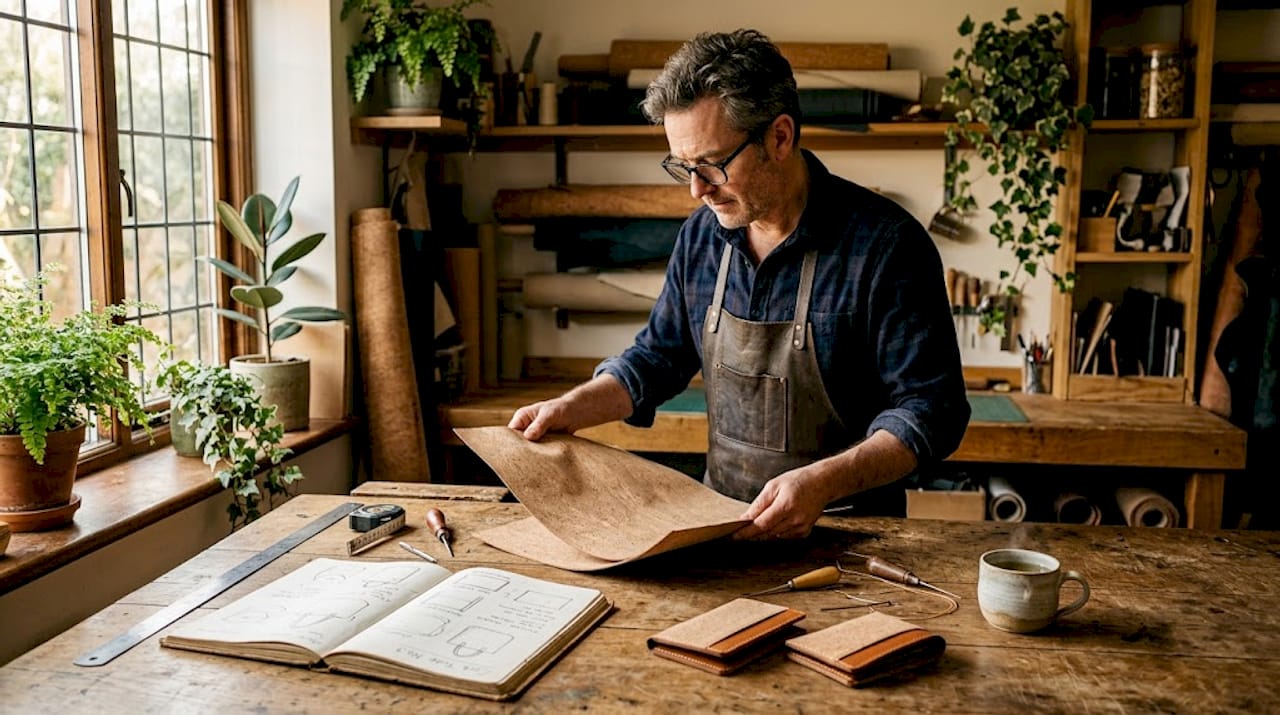
Pro Tip: When shopping for cork accessories, check whether the brand uses natural cork fabric or a synthetic cork-patterned material. Real cork fabric is harvested from Portuguese cork oak forests and carries a visibly organic grain and texture that synthetic versions cannot replicate.
Here is what to look for in a cruelty-free, sustainable accessory:
- Animal-free materials throughout, including linings, thread, and hardware
- Verified cruelty-free policy that covers suppliers and ingredients
- Transparent sourcing information, ideally with named material origins
- Durable construction that resists the fast-fashion cycle
If you want to understand more about why avoiding animal leather matters beyond aesthetics, the argument is covered thoroughly in the case for avoiding animal leather sustainably. For those new to plant-based accessories, the vegan purse guide is a practical starting point. And if you are wondering whether the investment is worthwhile long-term, the evidence is laid out in why you should invest in vegan purses.
Why the true cruelty-free journey requires careful consumer vigilance
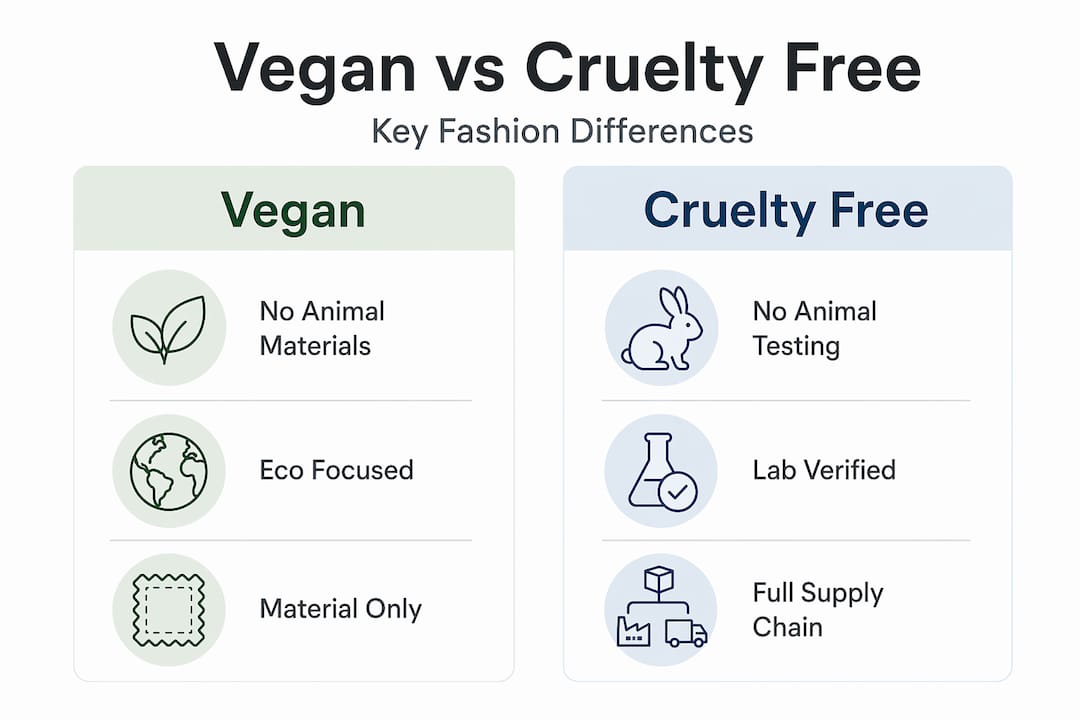
Here is something most cruelty-free articles will not tell you: buying a vegan material accessory and buying a cruelty-free accessory are not the same thing. Not even close.
A cork bag is animal-free by material. But cruelty-free means no animal testing was conducted during product and ingredient safety assessments, which is an entirely separate question. A brand could use cork fabric, source it ethically, and still commission animal testing on its adhesives or dyes if required by a regulatory body in a target market. The vegan material claim holds. The cruelty-free claim does not.
This distinction is not a technicality. It is where most well-intentioned shoppers get misled. They read “vegan” and assume “cruelty free.” They are related values, but they require separate verification.
What drives genuine change is not just individual purchasing decisions. It is sustained consumer demand for full supply chain transparency and independent certification. Brands respond to market pressure. When enough shoppers ask pointed questions, request supplier audits, and refuse to accept vague self-declarations, brands invest in the verification processes needed to genuinely earn cruelty-free versus vegan definitions distinctions. That shift is happening slowly. Your purchases and your questions accelerate it.
The uncomfortable truth about ethical shopping is that vigilance is ongoing work. Certifications expire. Supply chains change. Brands get acquired. A company that earned its Leaping Bunny certification three years ago should still be listed on the current database. If it is not, something has changed and you deserve to know what.
Explore stylish cruelty-free cork accessories at The Cork Store
You now know what cruelty free genuinely requires, how to read labels critically, and why cork stands apart as a material that delivers on both style and ethics without compromise.
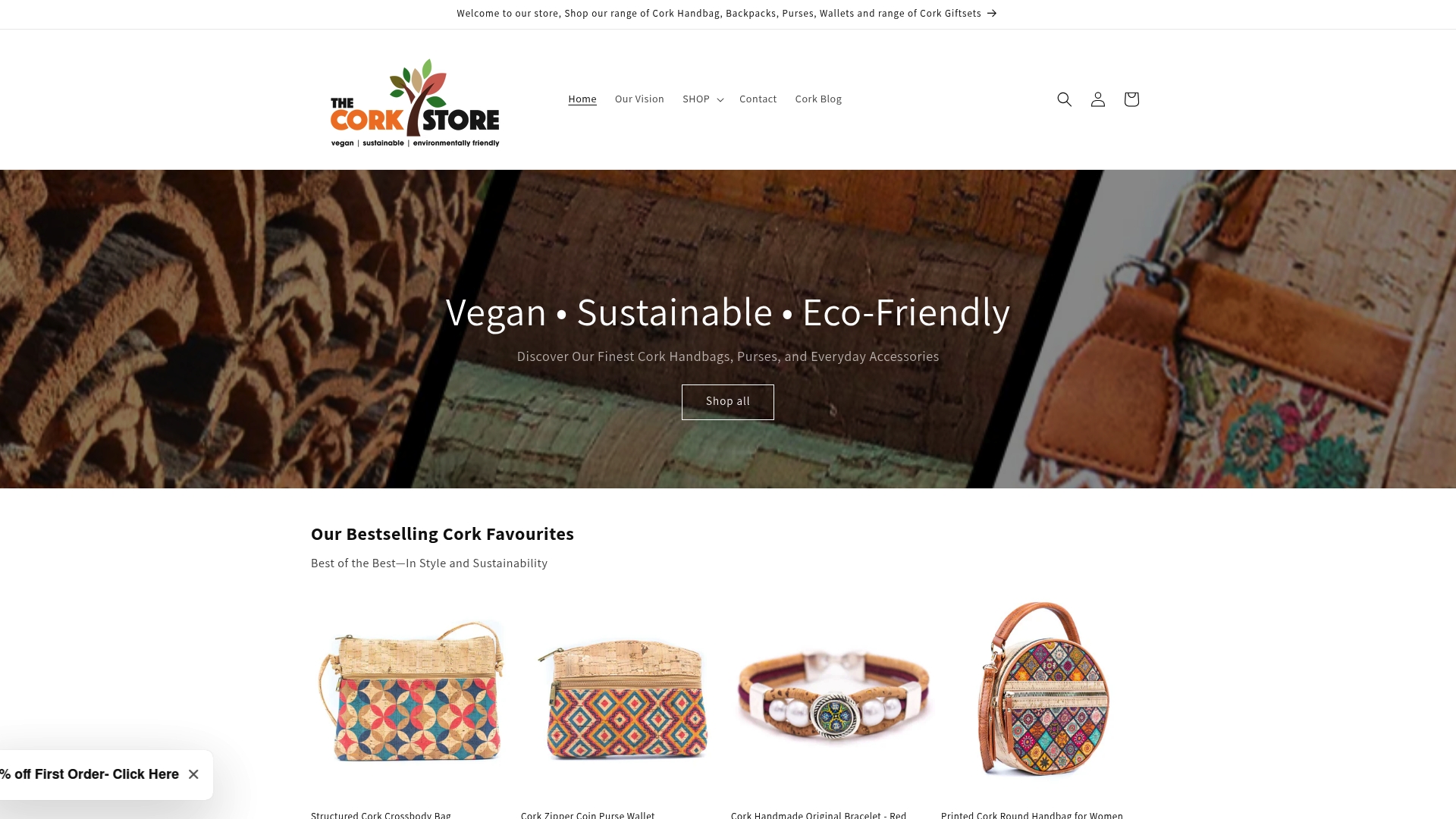
The Cork Store brings together everything covered in this guide: verified cruelty-free cork accessories crafted from natural, renewable cork fabric, designed for everyday use without any trade-off in style or durability. From cork handbags and backpacks to wallets, purses, and gift sets, every product is vegan, animal-free by material, and built to last. If you are ready to make the switch from leather to something genuinely better, this is where to start.
Frequently asked questions
What does ‘cruelty free’ actually mean in fashion accessories?
Cruelty free means no animal testing has been conducted at any stage of product development, including ingredients and the supply chain, but because the term is not consistently defined worldwide, certifications from recognised bodies are essential for genuine assurance.
How can consumers be sure a product is genuinely cruelty free?
Look for the Leaping Bunny certification, which requires brands to commit to no animal testing and undergo annual independent audits covering suppliers and ingredients, rather than relying on self-declared labels.
Is vegan material the same as cruelty free?
Not always; vegan materials avoid animal-derived ingredients, but cruelty-free focuses specifically on whether animal testing was conducted during ingredient safety assessments and production, which is a separate and equally important standard.
Why is cork considered a great alternative to leather?
Cork is renewable, water-resistant, durable, and entirely animal-free, making it a genuinely eco-friendly alternative to leather that also has a lower environmental footprint thanks to its regenerative harvesting process.
Does cruelty-free shopping really make a difference?
Yes. Beyond reducing animal suffering, it promotes ethical corporate behaviour and, as research shows, cruelty-free buying supports self-expression, social bonding, and a sense of genuine personal empowerment that reinforces lasting lifestyle change.