
What defines cruelty-free accessories: a clear 2026 guide
Picking up a beautifully crafted wallet or handbag, you might assume the cruelty-free label means it simply wasn’t tested on animals. Yet this term encompasses far more than laboratory practices. Genuinely cruelty-free accessories involve transparent supply chains, vegan materials, and rigorous third-party certifications that verify ethical claims at every production stage. Understanding what truly defines cruelty-free products empowers you to make informed purchasing decisions that align with your values. This guide clarifies the comprehensive criteria behind cruelty-free accessories, reveals trusted certification standards, exposes common misconceptions, and provides practical steps for identifying authentic animal-friendly products in 2026.
Table of Contents
- Understanding What Cruelty-Free Means For Accessories
- Certifications And Standards: The Role Of The Leaping Bunny Logo
- Common Misconceptions And Pitfalls In Cruelty-Free Accessories
- How To Choose And Trust Cruelty-Free Accessories In 2026
- Discover Stylish Cruelty-Free Accessories At The Cork Store
- What Defines Cruelty-Free Accessories? Frequently Asked Questions
Key takeaways
| Point | Details |
|---|---|
| Comprehensive definition | Cruelty-free means no animal testing at any production stage and typically excludes animal-derived materials. |
| Certification matters | Leaping Bunny certification represents the gold standard for verifying cruelty-free claims through supplier audits. |
| Beware greenwashing | Brands may falsely label products as cruelty-free without proper verification or transparency. |
| Vegan alternatives | Sustainable materials like cork, plant-based leathers, and recycled polyester offer stylish, ethical options. |
| Supply chain transparency | Genuine cruelty-free brands audit suppliers to ensure compliance throughout the entire production process. |
Understanding what cruelty-free means for accessories
The cruelty-free label carries weight beyond simple marketing. Cruelty-free accessories are defined by the complete absence of animal testing throughout their production journey. This encompasses raw material sourcing, component manufacturing, and final product assembly. Every supplier in the chain must adhere to these standards.
Beyond testing protocols, authentic cruelty-free accessories typically avoid animal-derived materials altogether. Traditional leather, suede, wool, silk, and down have no place in genuinely ethical products. Instead, innovative alternatives step forward. Vegan leather crafted from cork, pineapple leaves, or apple waste offers durability without exploitation. Recycled polyester transforms plastic waste into functional fabric. Organic cotton provides breathable, renewable fibres.
The definition extends to encompass all production stages, including raw materials and component sourcing. This comprehensive approach ensures no hidden animal testing occurs within complex supply networks. Brands committed to cruelty-free practices conduct regular supplier audits, verifying compliance documents and maintaining transparent relationships with manufacturers.
Recognising cruelty-free products becomes simpler when you understand certification logos. The Leaping Bunny symbol, PETA-Approved Vegan badge, and Certified Vegan logo provide visual shortcuts for ethical shopping. These marks represent third-party verification rather than self-proclaimed claims. Why sustainable accessories matter extends beyond animal welfare to environmental impact and long-term resource conservation.
Pro Tip: Always check the inside label or product description for specific certification logos rather than relying solely on vague cruelty-free claims printed on packaging.
Key criteria for cruelty-free accessories include:
- No animal testing at any production stage
- Exclusion of animal-derived materials like leather and wool
- Third-party certification from recognised organisations
- Transparent supplier relationships with documented compliance
- Regular audits ensuring ongoing adherence to standards
Certifications and standards: the role of the Leaping Bunny logo
Navigating cruelty-free claims requires understanding which certifications carry genuine authority. The Leaping Bunny certification stands as the globally recognised standard for cruelty-free products, offering consumers reliable assurance beyond brand promises. Cruelty Free International administers this programme, setting rigorous requirements that exceed legal minimums.
The certification process involves comprehensive supplier monitoring. Brands must provide complete supplier lists, including raw material sources and component manufacturers. Each supplier signs a declaration confirming they conduct no animal testing. Cruelty Free International then performs ongoing audits, verifying these claims through documentation reviews and facility inspections.
A critical element involves the fixed cut-off date policy. Companies must demonstrate they ceased all animal testing after a specific date, ensuring no legacy testing influences current products. This temporal boundary prevents brands from claiming cruelty-free status whilst benefiting from historical animal experiments.
The approval programme symbolised by the Leaping Bunny logo goes beyond legal requirements, establishing global standards that encompass entire supply chains. Unlike regional regulations that may permit certain testing exceptions, this certification maintains absolute standards regardless of jurisdiction. Products bearing this mark have undergone scrutiny that self-certified cruelty-free claims simply cannot match.
Other certifications exist within the ethical fashion landscape. PETA’s Beauty Without Bunnies programme offers another verification pathway, whilst Choose Cruelty Free operates primarily in Australia. However, Leaping Bunny maintains the most stringent supplier monitoring system, making it the preferred benchmark for discerning consumers.
Pro Tip: Scan product pages for the actual Leaping Bunny logo image rather than text claiming cruelty-free status, as only certified brands can display this trademarked symbol.
“The Leaping Bunny certification represents a commitment to compassion that extends through every link in the supply chain, from raw material extraction to finished product delivery.”
Certification benefits include:
- Independent third-party verification of cruelty-free claims
- Comprehensive supplier monitoring and documentation
- Fixed cut-off date preventing legacy animal testing
- Global recognition across international markets
- Ongoing audits ensuring continued compliance
For a deeper exploration of ethical fashion choices, the 2026 sustainable vegan accessories guide provides comprehensive insights into material innovations and brand transparency.
Common misconceptions and pitfalls in cruelty-free accessories
Confusion surrounds cruelty-free terminology, leading well-intentioned consumers astray. The terms cruelty-free and vegan are not interchangeable despite frequent misuse. All vegan products qualify as cruelty-free, but not all cruelty-free products are vegan. A handbag might avoid animal testing yet contain beeswax in its protective coating or lanolin in leather treatments.
This distinction matters when selecting accessories aligned with your ethics. Cruelty-free certification addresses testing practices but may permit animal-derived ingredients. Vegan certification ensures zero animal materials whilst typically implying cruelty-free production. Products bearing both labels offer the strongest ethical guarantee.
Greenwashing presents another significant challenge. Supply chain transparency complexities create opportunities for misleading claims, as brands may self-certify without independent verification. Companies exploit consumer trust by printing cruelty-free messaging on packaging whilst maintaining untraceable supplier networks. Without third-party audits, these assertions remain unsubstantiated promises.
Several red flags indicate potentially unreliable claims:
- Vague language like “we don’t test on animals” without certification
- Missing supplier information or opaque manufacturing processes
- Self-created logos mimicking legitimate certification marks
- Contradictory statements about parent company testing policies
- Absence of ingredient lists or material composition details
Supply chain complexity genuinely challenges even committed brands. Accessories often involve multiple manufacturers across different countries, each sourcing components from various suppliers. Tracking every material back to its origin requires substantial resources and sophisticated documentation systems. Smaller brands may struggle with this administrative burden despite genuine ethical intentions.
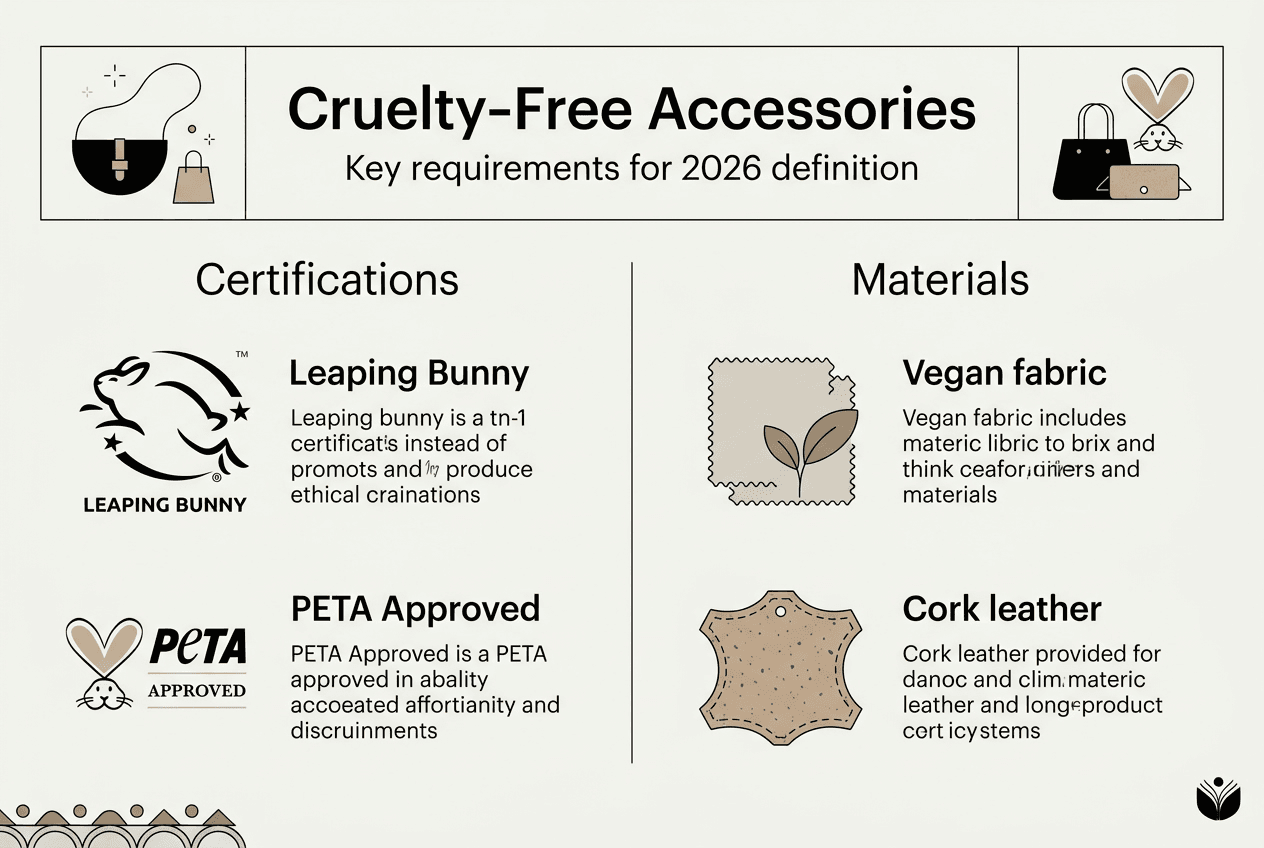
Education serves as your strongest defence against misleading marketing. Learning to recognise legitimate certification logos, understanding the difference between cruelty-free and vegan standards, and questioning vague claims transforms you into an informed consumer. Scrutinise ingredient lists for animal-derived materials like leather, suede, wool, silk, down, and beeswax.
Common pitfalls to avoid:
- Assuming cruelty-free automatically means vegan
- Trusting self-certified claims without third-party verification
- Overlooking parent company testing policies
- Accepting vague ethical messaging without specific certifications
- Failing to research brand transparency and supplier relationships
Understanding why choosing sustainable accessories matters helps contextualise these ethical considerations within broader environmental and social responsibility frameworks.
How to choose and trust cruelty-free accessories in 2026
Navigating the ethical accessories market requires strategic approach and informed decision-making. Start by reading labels thoroughly, searching for recognised certifications that verify brand claims through independent audits. The Leaping Bunny logo, PETA-Approved Vegan badge, and Certified Vegan mark represent trustworthy verification systems.
Consumers can identify vegan products by reading labels and looking for certifications that confirm both material composition and testing practices. These dual verifications ensure comprehensive ethical standards. Product descriptions should clearly list materials, manufacturing locations, and certification details without ambiguity.
Prioritise vegan materials that combine ethical production with environmental sustainability. Cork emerges as an exceptional choice, harvested from tree bark without harming the plant whilst sequestering carbon throughout its lifecycle. Plant-based leathers derived from pineapple leaves, apple waste, or mushroom mycelium offer innovative alternatives to traditional animal hides. Recycled polyester diverts plastic waste from landfills, transforming it into durable fabric. Organic cotton grown without harmful pesticides provides breathable, renewable fibres.
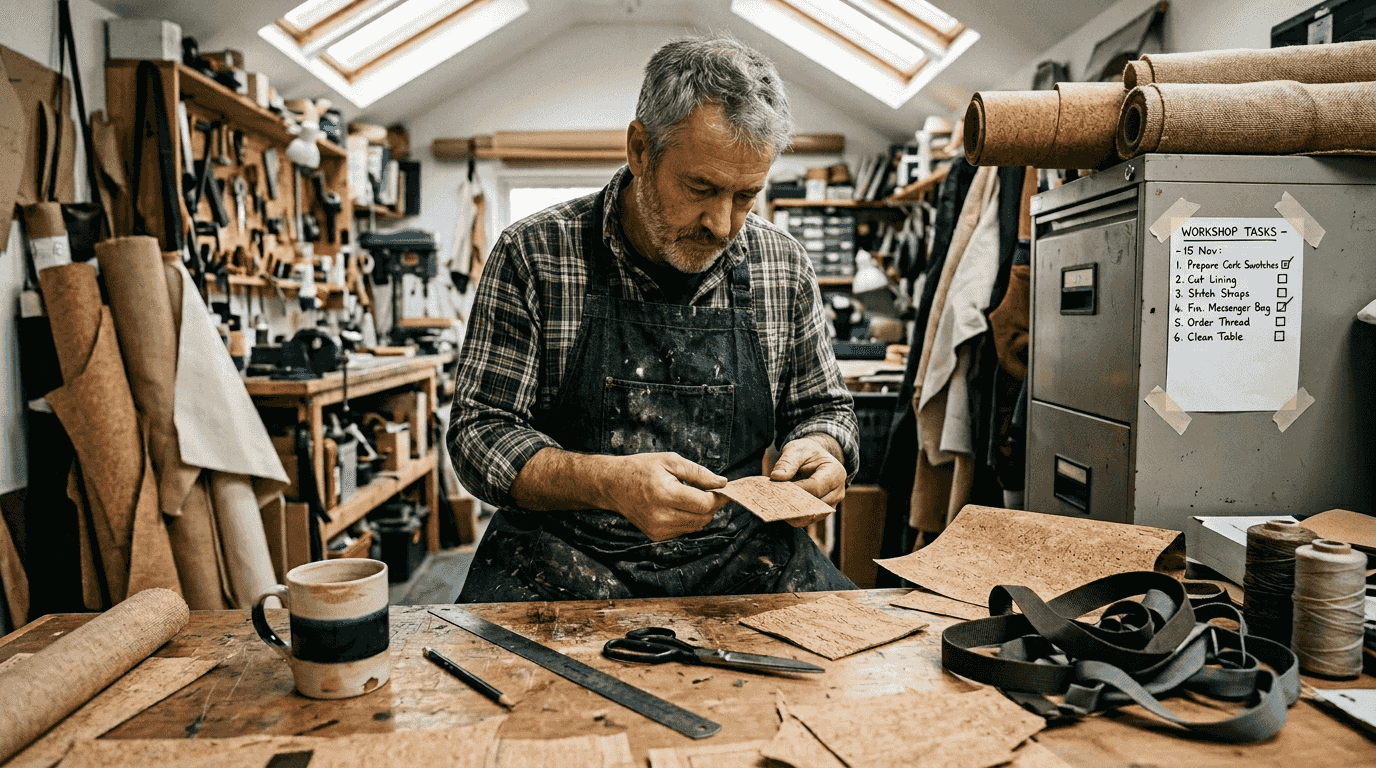
Rigorous material selection combined with supply chain audits and certifications defines the production process for genuinely cruelty-free accessories. Brands committed to transparency publish supplier lists, share factory information, and maintain open communication about their ethical practices.
Comparing material options helps clarify choices:
| Material Type | Cruelty-Free Status | Vegan Status | Sustainability Benefits | | — | — | — | | Cork | Yes | Yes | Renewable, biodegradable, carbon-sequestering | | Plant-based leather | Yes | Yes | Reduces agricultural waste, lower environmental impact | | Recycled polyester | Yes | Yes | Diverts plastic waste, reduces virgin material demand | | Traditional leather | Depends on testing | No | High water use, chemical processing | | Organic cotton | Yes | Yes | Pesticide-free, renewable, biodegradable |
Practical shopping strategies include:
- Research brands before purchasing, checking their certification status
- Visit manufacturer websites to verify Leaping Bunny or PETA approval
- Read complete ingredient and material lists rather than relying on front-of-package claims
- Question vague ethical messaging that lacks specific certification details
- Support brands with transparent supply chains and published supplier information
Pro Tip: Bookmark the Leaping Bunny approved brands database and PETA’s cruelty-free company list on your phone for quick reference whilst shopping.
Understanding how to spot sustainable materials enhances your ability to evaluate accessories beyond cruelty-free claims, considering broader environmental and social impacts. Exploring differences between cork and leather accessories reveals specific advantages of plant-based alternatives.
The vegan-friendly clothing guide extends these principles beyond accessories, helping you build a completely ethical wardrobe that reflects your values across all fashion categories.
Discover stylish cruelty-free accessories at The Cork Store
Your journey towards ethical fashion deserves a trusted partner offering genuinely cruelty-free, vegan accessories that never compromise on style. The Cork Store specialises in sustainable cork products that combine animal-friendly materials with contemporary design sensibilities. Every item meets rigorous ethical standards whilst delivering the durability and aesthetic appeal you expect from premium accessories.
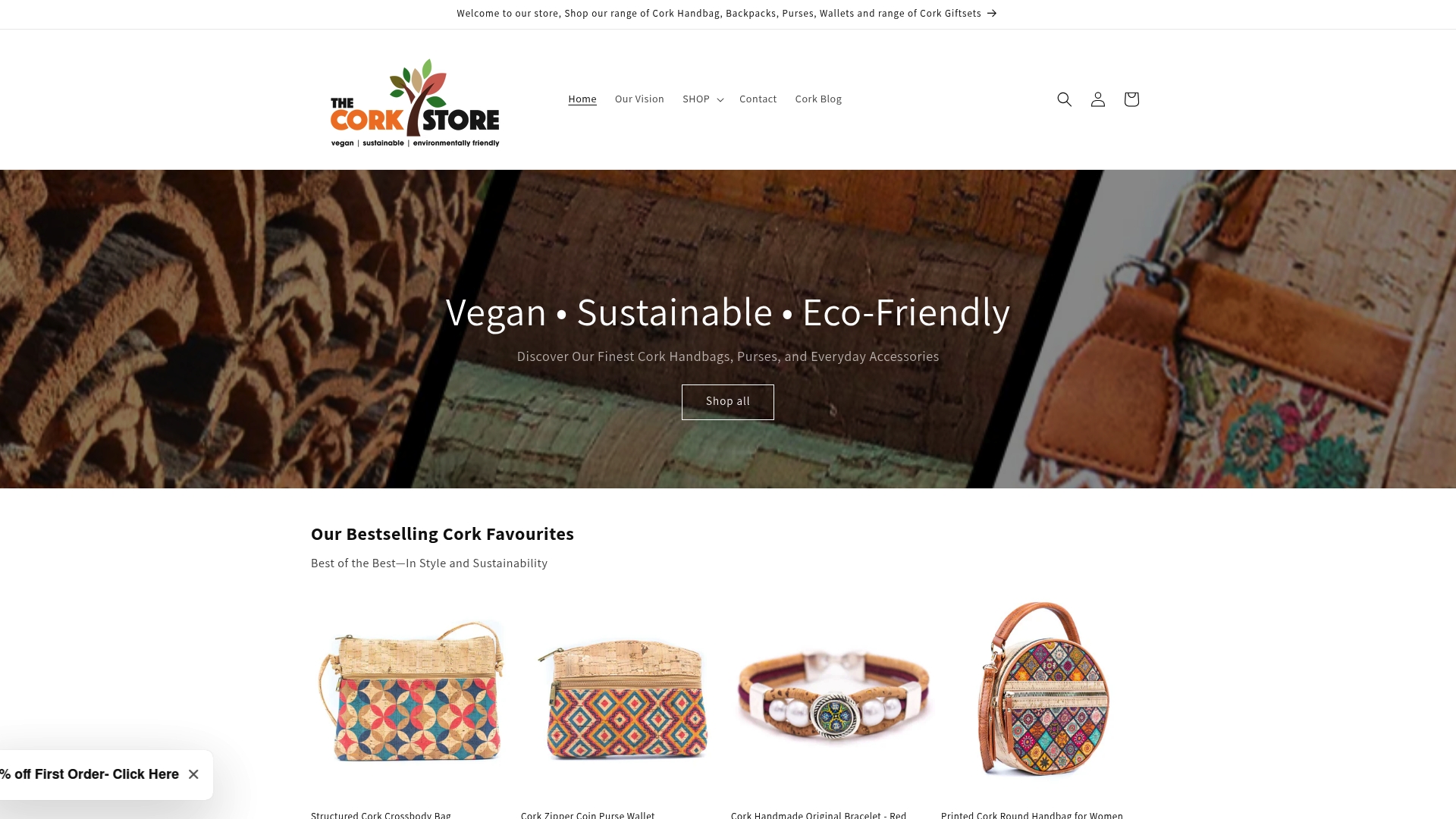
Explore the all-natural cork wallet gift set featuring beautifully crafted pieces that showcase cork’s natural texture and versatility. From sophisticated handbags to practical backpacks, each product represents a commitment to cruelty-free fashion that supports your values. The collection proves ethical choices need not sacrifice quality or visual appeal.
Browse eco-friendly gift ideas perfect for conscious consumers seeking meaningful presents that reflect compassion and environmental responsibility. Shopping here means supporting transparent supply chains, sustainable materials, and a business model built on genuine ethical principles rather than greenwashing marketing.
What defines cruelty-free accessories? Frequently asked questions
What certifications prove cruelty-free status?
Leaping Bunny certification from Cruelty Free International represents the gold standard, requiring comprehensive supplier audits and ongoing monitoring. PETA-Approved Vegan and Certified Vegan marks also verify ethical claims through independent third-party verification processes.
How can I be sure an accessory is truly cruelty-free?
Look for recognised certification logos rather than vague claims, research the brand’s supplier transparency, and verify their listing on official certification databases. Reading complete material lists and questioning ambiguous ethical messaging helps identify genuine commitment versus marketing tactics.
Are vegan accessories always cruelty-free?
Yes, vegan products contain no animal-derived materials and therefore involve no animal exploitation. However, cruelty-free products may still contain animal ingredients like beeswax or lanolin whilst avoiding animal testing, making vegan certification the more comprehensive ethical standard.
What materials are commonly used in cruelty-free accessories?
Cork, plant-based leathers from pineapple or apple waste, recycled polyester, organic cotton, and innovative materials like mushroom mycelium leather offer sustainable, animal-friendly alternatives. These materials provide durability and style without requiring animal exploitation or traditional leather processing.
Why is supply chain transparency important for cruelty-free fashion?
Accessories involve multiple manufacturers and component suppliers across different countries, creating opportunities for hidden animal testing or materials. Transparent supply chains with documented supplier compliance ensure ethical standards apply throughout the entire production process, not just final assembly.
Can a brand be cruelty-free if its parent company tests on animals?
This remains controversial within ethical fashion communities. Some consumers accept subsidiary cruelty-free brands despite parent company testing, whilst others boycott all brands under such corporate umbrellas. Individual certifications apply to specific brands rather than parent companies, allowing you to decide based on your personal ethical boundaries.