

Explaining eco-lifestyle choices: a practical guide
TL;DR:
- Small daily habits like switching to LED lighting and washing clothes in cold water significantly reduce household energy consumption. Practicing sustainable shopping by buying secondhand and choosing durable products supports eco-friendly living and cuts waste. Focus on gradual, consistent changes and using existing resources to avoid feeling overwhelmed and to make habits stick.
Eco-lifestyle choices are deliberate actions you take to reduce your environmental impact through sustainable habits across daily life. These choices span energy use, food, shopping, fashion, and waste management. The good news is that small, consistent habits deliver far greater environmental results than chasing a perfect green lifestyle. You do not need to overhaul everything at once. This guide breaks down which habits matter most, how to shop more sustainably, and how to sidestep the myths that stop most people before they even begin.
Which daily habits have the biggest impact on eco-friendly living?
The highest-impact eco habits are also the most repeatable. Switching to LED lighting, washing clothes in cold water, and cutting food waste each address major sources of household energy and resource consumption. These are not grand gestures. They are small, daily decisions that compound over time.
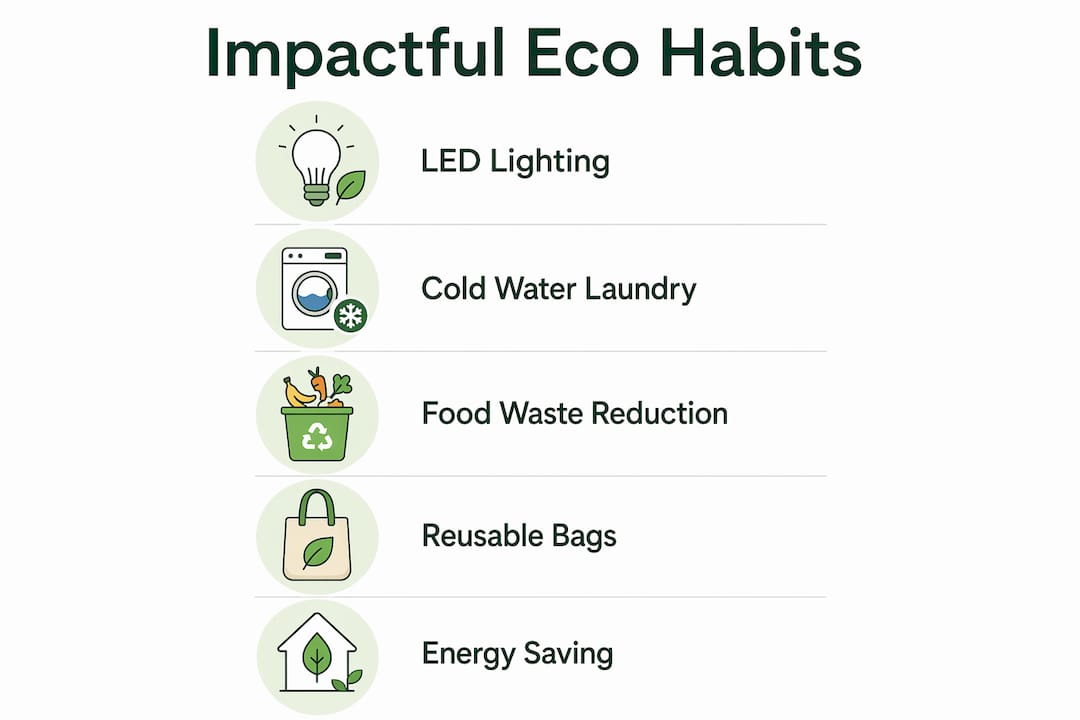
LED lighting is one of the fastest upgrades you can make. LED bulbs use up to 75% less energy than incandescent bulbs and last 25 times longer. That means lower electricity bills and fewer bulbs going to landfill every year.
Cold water laundry is equally powerful. Washing clothes in cold water reduces energy use by 80–90% compared to hot cycles. Clothes come out just as clean, and your energy bill reflects the difference within weeks.
Food waste is a less obvious but significant lever. Households discard roughly 25% of the food they purchase. A weekly meal plan, a “use it up” night mid-week, and freezing leftovers are three practical methods that cut waste without requiring any special equipment.
The key insight from behavioural research is that environment shapes habit more than motivation does. When sustainable options are visible and easy to reach, you use them. When they require extra effort, you often do not.
Pro Tip: Before buying any eco products, run a one-week audit of your home. Track where your energy goes and what food you throw away. A habit audit like this prevents impulsive purchases of eco gadgets that do not address your actual footprint.
- Switch all bulbs to LED, starting with the rooms you use most
- Set your washing machine to a cold cycle as the default
- Write a weekly meal plan every Sunday and shop to it
- Keep a “use first” shelf in your fridge for food approaching its best-before date
- Freeze leftovers the same day rather than leaving them to spoil
How can sustainable shopping support an eco-friendly lifestyle?
Thoughtful shopping is one of the most direct ways to reduce your environmental impact. Every purchase is a vote for the production methods behind it. Choosing secondhand, durable, or responsibly made products shifts demand away from resource-heavy manufacturing.
Nearly half of people regularly buy secondhand goods. That figure reflects a genuine shift in how people think about consumption. Secondhand buying extends the life of existing products and avoids the energy and materials needed to produce new ones.
Here are four principles that make sustainable shopping practical:
- Buy secondhand first. Check charity shops, online resale platforms, and local swap groups before buying new. Clothing, furniture, and electronics are all widely available secondhand.
- Choose minimal or recyclable packaging. Opt for products sold in glass, cardboard, or packaging labelled as recyclable. Avoid unnecessary plastic wrapping where alternatives exist.
- Prioritise durability and repairability. A product that lasts ten years has a lower lifetime footprint than a cheaper version replaced every two years. Ask whether an item can be repaired before you buy it.
- Invest in sustainable fashion alternatives. The eco-conscious fashion space has grown significantly, with materials like cork, organic cotton, and recycled fibres offering stylish, cruelty-free options. These materials avoid the animal welfare and pollution issues associated with conventional leather and synthetic fabrics.
Pro Tip: When refreshing your wardrobe, read up on sustainable wardrobe building before spending. Knowing what to look for saves money and prevents impulse buys that do not align with your values.
Financial savings are a stronger motivator for many people than environmental concern alone. Turning off lights and buying used goods are habits most people adopt partly to save money. That is not a problem. When eco choices also save you money, they stick.
What are common misconceptions about eco-friendly living?
The biggest myth in green living is that you need a complete lifestyle overhaul to make a difference. This belief stops more people than any other obstacle. The reality is that focusing on a few measurable habits like energy use and food waste delivers stronger long-term impact than trying to be perfect across every area simultaneously.
A second misconception involves product trade-offs. People assume that anything labelled “eco” is automatically better. The evidence is more nuanced. A plastic bag may have a lower carbon footprint than a cotton tote in pure production terms, but plastic causes ocean pollution and does not biodegrade. The better measure is reuse and longevity, not a single product label.
The most sustainable item is usually the one you already own. Using what you have, repairing it when it breaks, and replacing it only when necessary is more effective than buying new “green” products to replace functioning ones. Durability and reuse beat novelty every time.
A third trap is the “purge” mentality. Some people feel they must throw out all their non-eco possessions immediately and replace them with sustainable alternatives. Using what you own first and replacing items gradually with durable, high-quality goods is both more sustainable and less costly. Discarding functional items to buy new ones generates unnecessary waste, even if the replacements are made from better materials.
The practical takeaway is this: resist the pressure to be perfect. Sustainable living is a direction, not a destination.
How to implement and sustain eco-lifestyle choices effectively
Starting small is the most reliable path to lasting change. Small, repeatable changes like reusable bags, plant-based cleaners, and meal planning build effective sustainable habits precisely because they fit into existing routines without disruption.
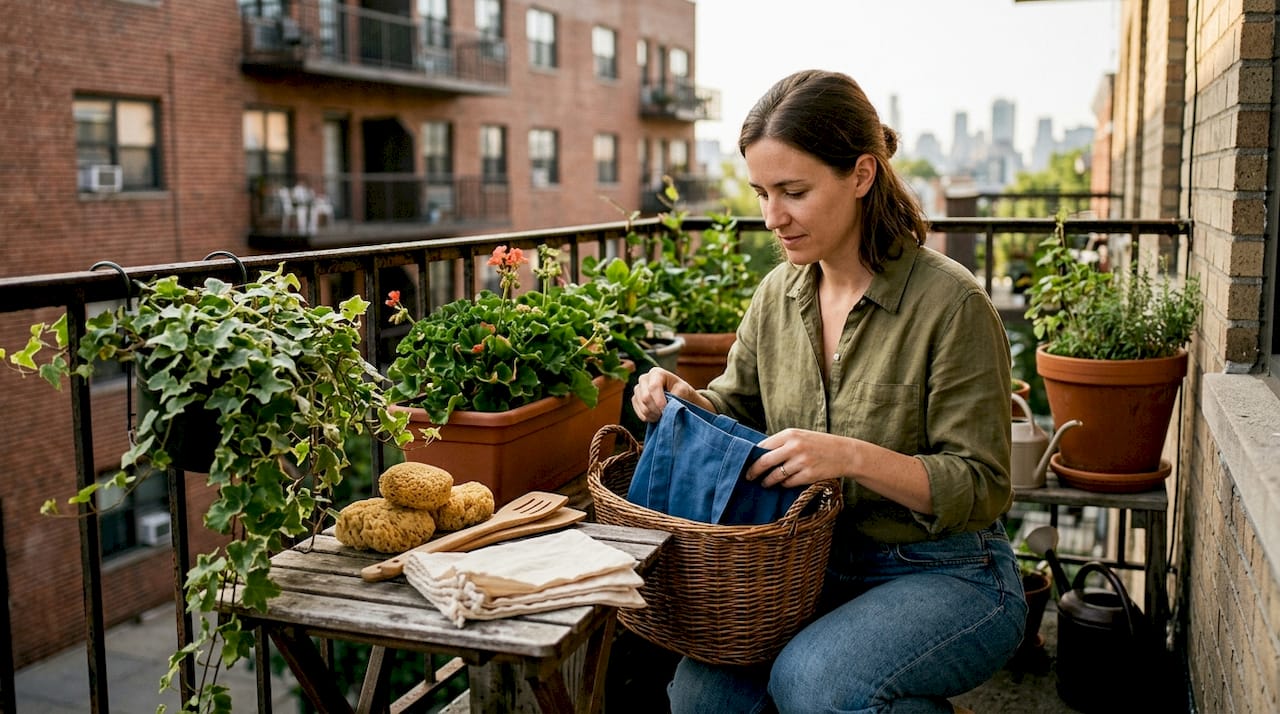
Environment design is the most underrated tool in sustainable living. Making green options the default in your physical space reduces the mental effort required to choose them. Keep reusable bags by the front door. Store a reusable water bottle on the kitchen counter. Put a recycling bin next to your desk. These cues remove the need for willpower.
Pro Tip: Pick one habit per month and make it automatic before adding another. Trying to change everything at once leads to decision fatigue. One solid habit beats five half-hearted ones.
Practical swaps to begin with:
- Replace single-use plastic bags with reusable tote bags kept in your coat pocket or car
- Switch to plant-based or concentrated cleaning products to reduce plastic bottle waste
- Unplug electronics and chargers when not in use to cut standby energy consumption
- Adjust your thermostat by 1–2 degrees and use a timer to avoid heating or cooling an empty home
- Plan meals weekly and freeze leftovers to prevent food spoilage
Energy saving at home does not require expensive technology. Unplugging devices, adjusting the thermostat, and using appliances during off-peak hours are all free changes with measurable results. Consistency matters far more than the scale of any single action.
Key takeaways
Eco-lifestyle choices work best when they are small, consistent, and designed into your environment rather than relying on motivation alone.
| Point | Details |
|---|---|
| Start with a habit audit | Identify your biggest energy and waste hotspots before buying anything new. |
| LED and cold-water washing | These two swaps alone cut household energy use significantly with minimal effort. |
| Buy secondhand and durable | Extending product life reduces manufacturing demand more than any single green label. |
| Avoid the purge mentality | Use what you own first; replace items gradually with high-quality, long-lasting alternatives. |
| Design your environment | Make sustainable options visible and easy to reach so habit formation does not rely on willpower. |
Why I think most eco advice misses the point
Most articles about green living focus on what to buy. Buy a reusable straw, buy an eco-friendly tote, buy a bamboo toothbrush. The advice is well-meaning, but it frames sustainability as a shopping exercise. That framing is part of the problem.
What actually changed my habits was not a product. It was a shift in how I thought about the things I already owned. When I stopped seeing my existing possessions as obstacles to a greener life and started seeing them as resources to use fully, everything became simpler. I stopped feeling guilty about the non-eco items in my home and started focusing on using them until they genuinely needed replacing.
The second thing I learnt is that financial motivation is nothing to be ashamed of. Saving money on energy bills, buying secondhand instead of new, and cutting food waste all reduce your environmental impact and your spending. Aligning eco choices with personal benefit is not a compromise. It is the reason those habits stick.
The pitfall I see most often is the all-or-nothing mindset. People make one imperfect choice, feel they have failed, and abandon the effort entirely. Sustainable living does not work that way. Every cold-water wash, every meal planned, every secondhand purchase counts. The direction matters more than the pace.
— Aaron
Sustainable gifts and accessories from Thecorkstore
Choosing sustainable products is one of the most direct ways to put eco values into practice. Thecorkstore offers a range of vegan cork accessories, including handbags, wallets, and gift sets, crafted from one of the most renewable materials available.
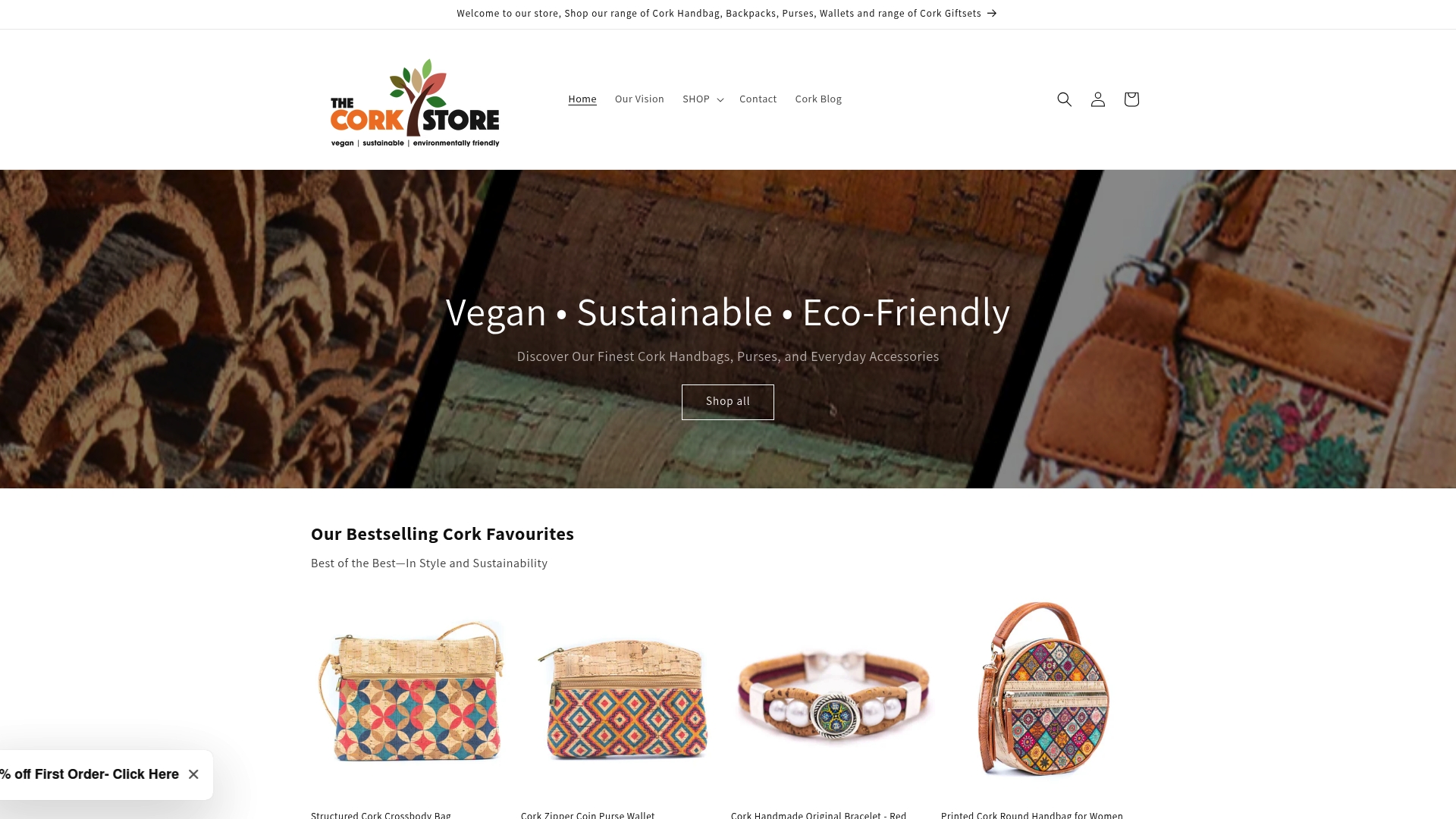
Cork is harvested without cutting down trees, making it a genuinely low-impact material. The All-Natural Cork Wallet Gift Set is a strong choice for anyone looking for a stylish, cruelty-free alternative to leather. For broader gift inspiration, the vegan cork gift collection at Thecorkstore covers a range of occasions and budgets. These are products built to last, which is the most sustainable quality any accessory can have.
FAQ
What are eco-lifestyle choices?
Eco-lifestyle choices are deliberate, repeatable habits that reduce your environmental impact across areas like energy use, food, shopping, and waste. They do not require a complete lifestyle overhaul to be effective.
Which eco habit has the biggest impact at home?
Switching to LED lighting and washing clothes in cold water are two of the highest-impact changes available. LED bulbs use up to 75% less energy than incandescent bulbs, and cold-water washing cuts laundry energy use by 80–90%.
Is sustainable living expensive?
Many sustainable habits save money rather than cost it. Buying secondhand, cutting food waste, and reducing energy use all lower household spending. Financial savings are a common motivator for adopting eco-friendly behaviours.
Do I need to throw out my non-eco products to live sustainably?
No. Using what you already own and replacing items gradually with durable alternatives is more sustainable than discarding functional goods. The most eco-friendly item is usually the one you already have.
How do I start living more sustainably without feeling overwhelmed?
Run a one-week audit of your energy use and food waste to identify your biggest impact areas. Then introduce one small change at a time, making it automatic before adding the next.
Recommended
- How to make eco-conscious purchases: a practical guide – The Cork Store
- Eco-conscious shopping: Guide to sustainable style in 2026 – The Cork Store
- Why eco gifts matter: a guide to sustainable, stylish giving – The Cork Store
- Why support eco designers: the case for sustainable style – The Cork Store