
Why support eco designers: the case for sustainable style
TL;DR:
- Supporting eco designers significantly reduces a product’s environmental impact since over 80% of harm is set during the design stage.
- Eco designers use data-driven tools like Life Cycle Assessment to make sustainable choices before production begins, leading to cost savings and lower carbon footprints.
Supporting eco designers is the single most effective way to reduce a product’s environmental harm before it reaches your hands. Over 80% of environmental impact is locked in at the design stage, not during manufacturing or disposal. That figure reframes the entire sustainability conversation. When you choose brands that employ eco-conscious design, you are not just buying a product. You are endorsing a decision made months earlier that determines material use, carbon output, and end-of-life options. Understanding why support eco designers matters means understanding that design is where sustainability is won or lost.
Why support eco designers: the role of early-stage decisions
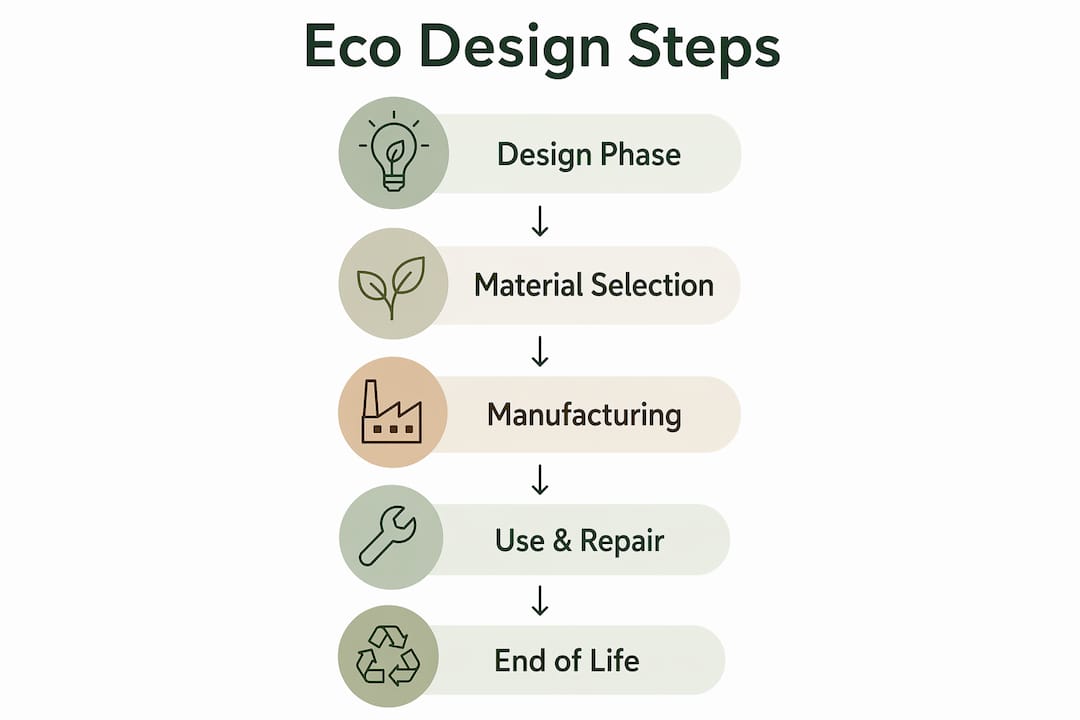
Eco designers are professionals who apply structured, data-driven methods to reduce environmental harm from the very first sketch. The most widely used tool is Life Cycle Assessment, or LCA, which follows ISO 14040/44 standards to map a product’s environmental footprint across every phase, from raw material extraction through to disposal. LCA gives designers phase-by-phase data so they can identify where the most damage occurs and act on it before production begins. This is not guesswork. It is science applied at the point where it counts most.
Conventional product development typically addresses sustainability as an afterthought, adding recycled packaging or carbon offsets after the design is finalised. Eco designers do the opposite. They apply Design-for-Environment (DfE) principles at the earliest stage, making choices about material intensity, repairability, and chemical safety before a single unit is produced. The contrast in outcomes is significant. DfE strategies have delivered up to 20% cost savings and cut product carbon footprints by nearly 50% in documented case studies. Those are not marginal improvements. They represent a fundamental shift in how products affect the planet.
Key principles eco designers apply include:
- Material reduction: using less raw material without sacrificing function, which cuts both cost and waste
- Durability planning: designing products to last longer, reducing the frequency of replacement
- Chemical safety: selecting materials free from harmful substances to protect both users and ecosystems
- End-of-life design: planning for disassembly, repair, or biodegradation from the outset
Pro Tip: When evaluating a brand’s sustainability claims, ask whether they publish LCA data or reference ISO 14040/44 compliance. Brands that do are far less likely to be greenwashing.
How does supporting eco designers benefit consumers directly?
The benefits of eco designers extend well beyond environmental metrics. Consumers who buy from eco-conscious brands report stronger emotional connections to their purchases and lower rates of buyer’s remorse. This is not coincidental. Eco-aesthetic design builds trust by signalling transparency, allowing buyers to align their style with their values without compromise. When a product looks good and carries verifiable sustainability credentials, the purchase feels coherent rather than conflicted.
Collaborative innovation between consumers and sustainable brands strengthens both emotional and functional bonds, leading to higher adoption rates and stronger brand performance. A study with 602 participants found that consumer involvement in sustainability-driven design produced statistically significant engagement outcomes. That level of engagement translates into loyalty, repeat purchases, and word-of-mouth advocacy. Supporting eco designers, then, is not just an ethical act. It is a commercially rational one that rewards both the buyer and the brand.
“Eco aesthetics no longer force a choice between style and sustainability. They serve as a catalyst for deeper consumer relationships, signalling transparency and allowing buyers to align style with values.”
Longer product lifecycles are another direct consumer benefit. Eco-designed products are built to last, which means fewer replacements and lower long-term spending. Many consumers underestimate that eco-designed products often carry cost advantages due to reduced waste and greater durability. Paying a higher upfront price for a well-designed, long-lasting product is almost always cheaper over time than repeatedly replacing a cheaper, poorly made alternative.
- Verified sustainability claims: LCA-backed products give consumers measurable evidence, not marketing slogans
- Premium quality: eco-design principles prioritise material integrity, which directly improves product performance
- Reduced buyer’s remorse: products aligned with personal values create more satisfying purchases
- Transparent supply chains: eco designers typically disclose sourcing and production methods, building consumer confidence
Why is eco design central to the circular economy?
The circular economy depends on designers who plan for a product’s entire life, not just its first use. Eco designers prioritise repairability, reuse, and end-of-life considerations from the outset. This approach reduces the demand for virgin raw materials and keeps products and components in use for longer. Without this design intent, circularity remains an aspiration rather than a reality.
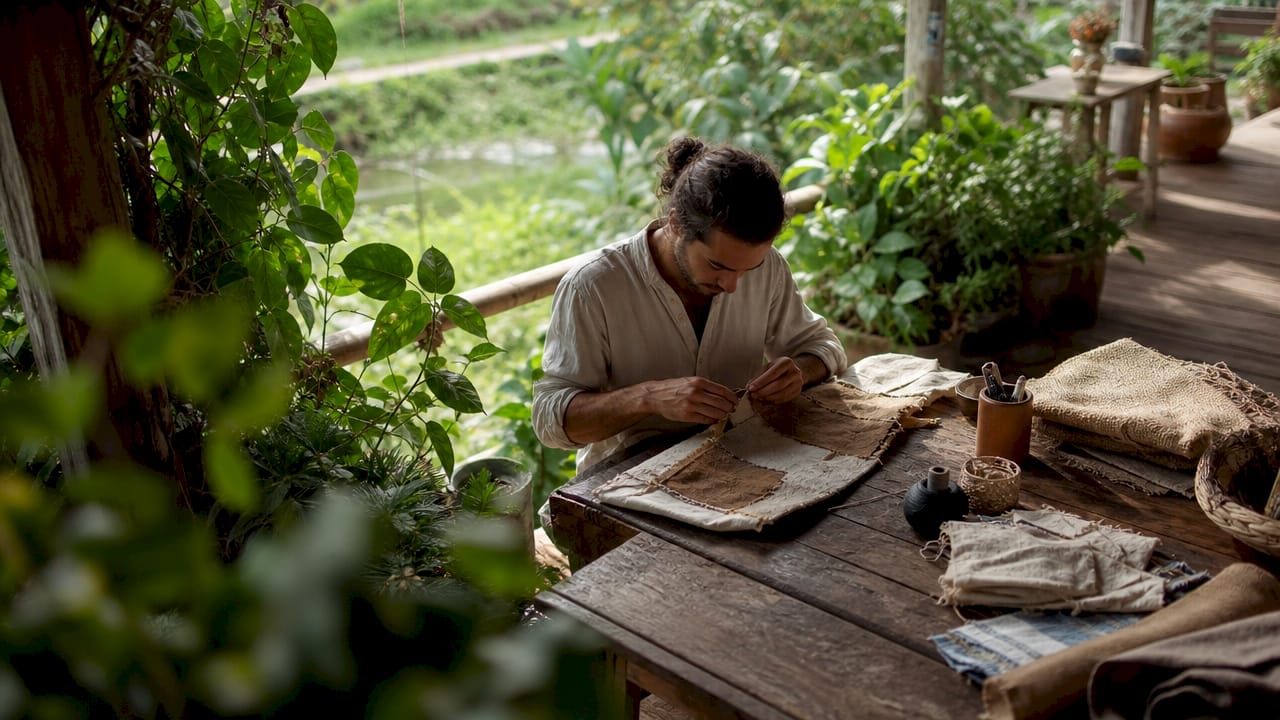
Interior designers who apply sustainable principles demonstrate this clearly. They select durable, repairable materials, plan for low-waste renovations, and choose products that comply with health and environmental standards. The same logic applies to fashion and accessory design. A wallet or bag designed with circularity in mind uses materials that biodegrade or can be repurposed, avoids toxic dyes, and is constructed for repair rather than disposal.
The four pillars of circular eco-design are:
- Repairability: products are designed so components can be replaced or fixed without specialist tools
- Reusability: materials and forms are chosen to allow multiple use cycles
- Repurposing: end-of-life products can be transformed into new items rather than sent to landfill
- Biodegradability: where repurposing is not possible, materials break down safely without releasing toxins
| Design principle | Environmental benefit | Consumer benefit |
|---|---|---|
| Repairability | Extends product lifespan, reduces waste | Lower replacement costs |
| Biodegradable materials | Reduces landfill and chemical pollution | Peace of mind at end of life |
| Reduced material intensity | Cuts raw material extraction | Lighter, often more elegant products |
| Chemical safety | Protects ecosystems and water systems | Safer for skin and home environments |
Design-for-environment approaches reduce waste, simplify manufacturing, and extend product lifespans simultaneously. That combination produces sustainability and cost benefits at the same time, which is why circular eco-design is gaining traction across fashion, accessories, and interiors.
What practical steps can you take to support eco-conscious brands?
Supporting sustainable fashion starts with knowing what to look for. The most reliable signal is a brand that publishes verifiable sustainability data, whether through LCA reports, material certifications, or transparent supply chain disclosures. Brands that incorporate Life Cycle Assessment into their design process are making science-based decisions rather than marketing claims. That distinction matters enormously when you are trying to avoid greenwashing.
Learning to identify eco-friendly accessories is a practical skill that sharpens with use. Look for natural or renewable materials such as cork, organic cotton, or recycled fibres. Check for certifications from recognised bodies. Ask whether the product is repairable and whether the brand offers any take-back or repair service. These questions quickly separate genuine eco-conscious brands from those using sustainability as a marketing veneer.
- Research materials first: natural, renewable, and biodegradable materials are the foundation of genuine eco-design
- Check for certifications: look for recognised standards rather than self-declared claims
- Buy less, buy better: choosing one well-designed product over three cheap alternatives reduces your overall footprint
- Build a considered wardrobe: learning how to build eco-friendly outfits means investing in pieces that work across multiple occasions
Consumer choices drive market behaviour. When buyers consistently choose eco-conscious brands, they signal to the wider industry that sustainability is a commercial priority. Eco aesthetics translate into higher sales and increased brand loyalty, which encourages more designers to adopt DfE principles. Your purchasing decisions are, in effect, votes for the kind of design culture you want to see.
Pro Tip: Before buying, check whether the brand’s sustainability page references specific standards such as ISO 14040/44 or named certifications. Vague language like “eco-friendly” without supporting evidence is a red flag.
Key takeaways
Supporting eco designers is the most direct way to reduce product environmental impact, because design decisions determine over 80% of that impact before production even begins.
| Point | Details |
|---|---|
| Design stage is decisive | Over 80% of environmental impact is set at the design phase, making early support the highest-leverage action. |
| LCA provides verified data | ISO 14040/44-compliant Life Cycle Assessment gives designers and consumers measurable, greenwash-proof evidence. |
| Consumer benefits are tangible | Eco-designed products last longer, cost less over time, and create stronger emotional satisfaction. |
| Circularity requires design intent | Repairability, biodegradability, and reuse must be planned from the outset, not retrofitted. |
| Buying choices shape the market | Consistent consumer demand for eco-conscious brands pushes the wider industry to raise its standards. |
Why I think eco design deserves more credit than it gets
Most sustainability conversations focus on recycling, carbon offsets, or packaging. Those are downstream fixes. The real leverage sits at the design table, and eco designers are the people who use it. I have seen brands reduce their carbon footprint by close to half simply by applying DfE principles before a product went into production. That kind of result does not come from switching to recycled packaging. It comes from rethinking the product itself.
What strikes me most is how often consumers underestimate the quality of eco-designed products. There is a lingering assumption that sustainable means compromised. The opposite is true. Products designed with material integrity, durability, and chemical safety in mind tend to outperform their conventional equivalents. The importance of eco-friendly design is not just environmental. It is a quality argument.
The market is shifting. Buyers are asking harder questions, and brands that cannot answer them are losing ground. Supporting eco-conscious brands is not a niche preference any more. It is a signal to the entire industry that transparency and long-term thinking are the new baseline. The designers who have been working this way for years deserve the recognition, and the commercial backing, that comes with that shift.
— Aaron
Sustainable cork accessories from Thecorkstore
Cork is one of the most compelling materials in eco-conscious accessory design. It is renewable, biodegradable, and harvested without cutting down trees, making it a near-perfect example of circular material thinking in practice.
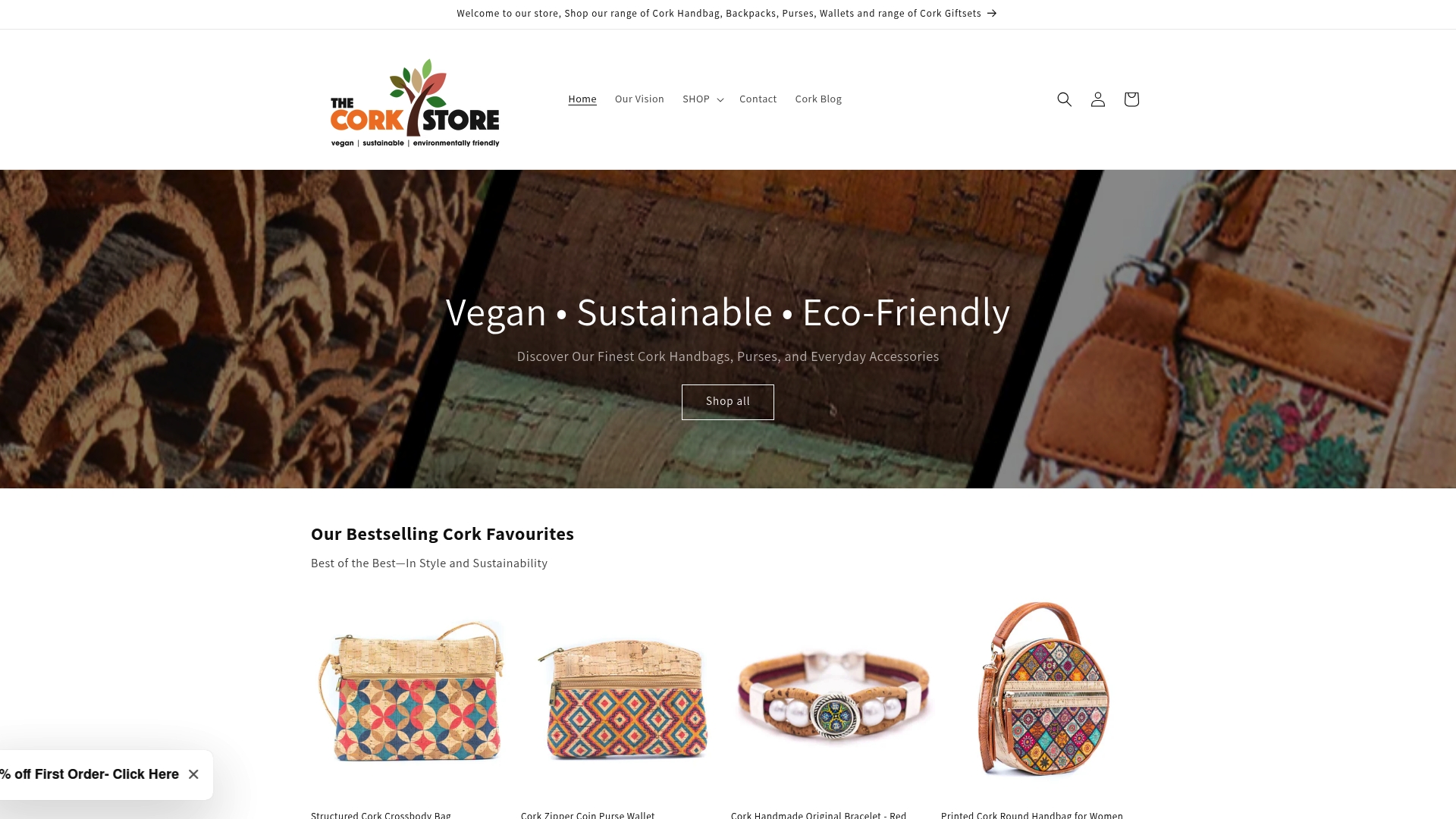
Thecorkstore applies these principles across its full range of vegan accessories. The Cork Zipper Coin Purse Wallet is a strong example: compact, cruelty-free, and built from a material with genuine end-of-life credentials. For those wanting to explore the wider range of sustainable accessory design principles behind cork products, Thecorkstore’s collection covers wallets, purses, bags, and gift sets. Every piece reflects the kind of early-stage design thinking this article describes.
FAQ
What does it mean to support eco designers?
Supporting eco designers means choosing products created using Design-for-Environment principles and data-driven tools such as Life Cycle Assessment. These designers make sustainability decisions at the earliest stage, where they have the greatest impact.
Why does the design phase matter so much for sustainability?
Over 80% of a product’s environmental impact is determined during the design phase. Decisions made at this stage about materials, durability, and end-of-life options shape the product’s entire footprint.
How can I tell if a brand genuinely uses eco-design practices?
Look for brands that reference ISO 14040/44-compliant LCA, publish material certifications, or disclose supply chain information. Vague claims without supporting standards are a sign of greenwashing.
Are eco-designed products more expensive to buy?
Eco-designed products often carry a higher upfront price but cost less over time due to greater durability and fewer replacements. Reduced material waste during production also means some eco-designed items are competitively priced from the outset.
What materials should I look for in eco-conscious accessories?
Renewable, biodegradable materials such as cork, organic cotton, and recycled fibres are the strongest indicators of genuine eco-design. Cork in particular is harvested without felling trees and breaks down safely at end of life.