
Why Invest in Eco Accessories: Impact on Fashion
Choosing accessories that look great and fit your values does not have to be difficult. For eco-conscious young professionals living in major cities, the search for fashion pieces that are both stylish and ethical can often feel like a tug of war between trend and true sustainability. Eco accessories deliver more than just looks—they represent a commitment to environmentally responsible materials, ethical production, and longer-lasting design, proving that your daily essentials can support a better world without sacrificing style or quality.
Table of Contents
- Eco Accessories Defined: What They Offer
- Types of Sustainable Materials: Focus on Cork
- How Eco Accessories Transform Fashion
- Comparing Cork to Leather and Synthetics
- Long-Term Benefits for Buyers and the Planet
Key Takeaways
| Point | Details |
|---|---|
| Sustainability in Fashion | Eco accessories combine style with sustainable materials, reducing environmental harm. |
| Material Advantages | Cork, organic cotton, and recycled textiles are key materials that offer durability and minimal environmental impact. |
| Ethical Production | Eco accessories follow strict manufacturing standards to ensure responsible practices and worker rights. |
| Long-Term Value | Investing in durable eco accessories saves money over time and supports a shift towards sustainable consumption. |
Eco Accessories Defined: What They Offer
Eco accessories are more than just a trendy choice. They’re decorative items like handbags, wallets, belts, and scarves crafted using sustainable materials and ethical production methods. Unlike conventional accessories, they’re designed to reduce environmental harm whilst maintaining the style you actually want to wear.
What sets eco accessories apart from regular fashion pieces? The key difference lies in how they’re made and what happens after you buy them. Standard accessories often rely on resource-intensive materials and practices that generate significant waste. Eco alternatives approach the entire lifecycle differently, from raw material sourcing through to the product’s end of life.
Materials That Make the Difference
Eco accessories use sustainably sourced materials that prioritise environmental responsibility. Common options include:
- Cork fabric and cork leather (naturally harvested, biodegradable, and vegan)
- Organic cotton and linen (grown without synthetic pesticides)
- Recycled plastics and textiles (giving waste materials new purpose)
- Plant-based alternatives (like mushroom leather or pineapple fibre)
- Responsibly managed wood and bamboo
Each material offers distinct advantages. Cork, for instance, grows back naturally without replanting, making it exceptionally renewable. Understanding what makes accessories eco-friendly helps you identify genuinely sustainable choices.
Here is a summary of sustainable materials commonly used for eco accessories and their standout traits:
| Material | Key Attribute | Main Environmental Benefit |
|---|---|---|
| Cork | Grows back without replanting | Carbon-negative, fully biodegradable |
| Organic cotton | Grown without pesticides | Reduces soil and water contamination |
| Recycled plastics | Repurposed waste | Cuts landfill and production emissions |
| Mushroom leather | Fungi-based innovation | Compostable and highly renewable |
| Bamboo | Fast growth, minimal input | Sequesters large amounts of carbon |
Production and Ethical Standards
True eco accessories follow strict manufacturing standards. They’re created through processes that minimise water usage, reduce chemical pollution, and respect worker rights. Eco-labels provide verification that products meet recognised sustainability criteria, giving you confidence in your purchase.
These standards ensure the entire supply chain aligns with environmental and social responsibility goals. You’re not just buying a beautiful wallet or backpack; you’re supporting production methods that protect both people and planet.
Durability and Longevity
Eco accessories aren’t disposable. They’re designed to last years, not seasons, which actually makes them better value for money. Quality construction means fewer replacements over time, reducing overall consumption and waste.
This longevity transforms how you think about investment pieces. A cork handbag or vegan leather backpack becomes a reliable companion rather than a seasonal purchase.
What You Actually Get
You’re choosing:
- Stylish designs that don’t compromise on aesthetics for ethics
- Animal-free alternatives to traditional leather and fur products
- Quality that lasts through daily use and time
- Peace of mind knowing your purchase aligns with your values
- Reduced environmental footprint compared to conventional accessories
Eco accessories prove that sustainability and style aren’t opposing forces—they’re complementary qualities that appeal to conscious consumers who refuse to choose between looking good and doing good.
Pro tip: Look beyond marketing claims by checking for third-party certifications or eco-labels that verify sustainability standards, rather than trusting brand statements alone.
Types of Sustainable Materials: Focus on Cork
Cork stands out as one of fashion’s most underrated sustainable materials. It’s harvested from the bark of cork oak trees without damaging the tree itself, making it genuinely renewable year after year. Unlike synthetic alternatives or traditional leather, cork offers environmental benefits that actually align with your values as a conscious consumer.
Why cork? Because it solves a real problem. You want accessories that look good, last long, and don’t contribute to animal suffering or environmental destruction. Cork does all three simultaneously, which is rare in fashion.
How Cork Becomes Fashion
Cork oak trees grow primarily in Mediterranean regions, particularly in Portugal, Spain, and Morocco. The bark regenerates every 9-12 years, allowing repeated harvesting without replanting or deforestation. This cycle means the same tree supports multiple harvests over decades, making cork production genuinely sustainable at scale.
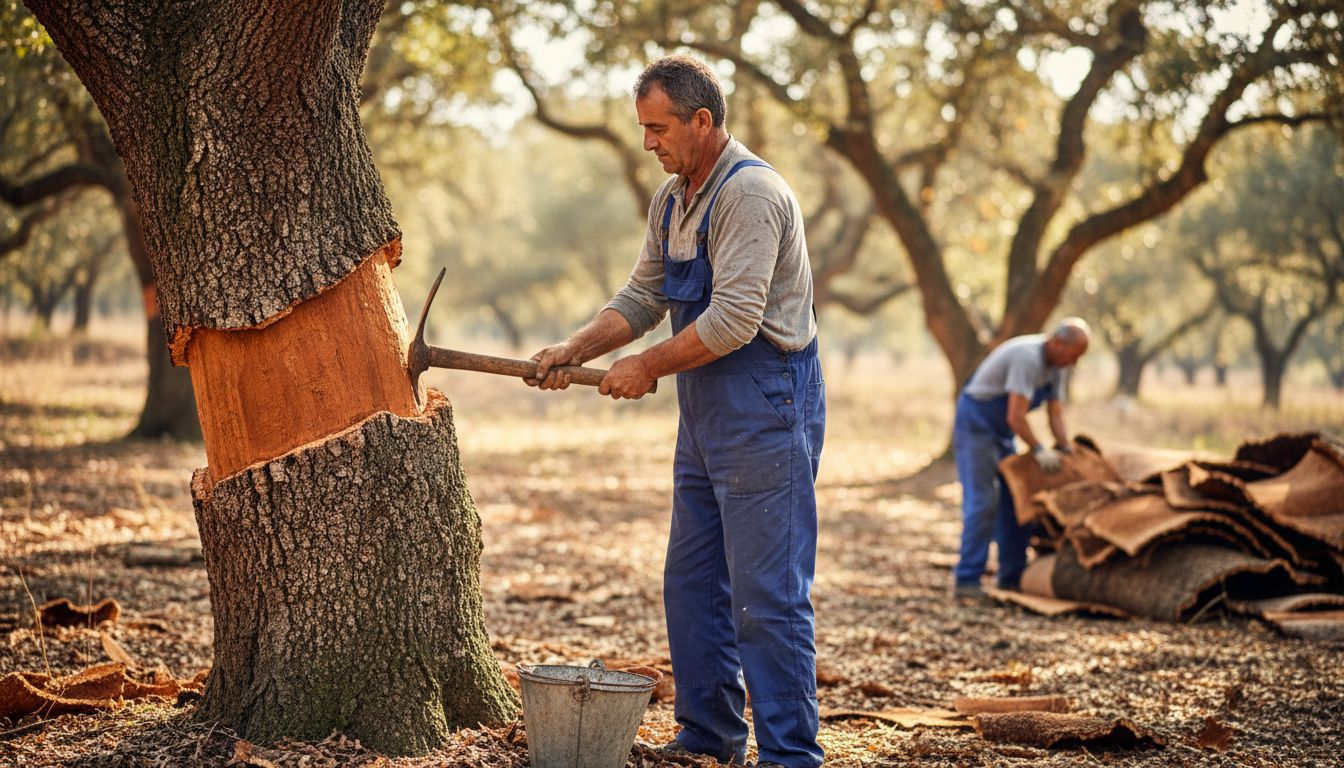
The harvesting process itself is chemical-free and mechanical, preserving both the tree and the surrounding ecosystem. Workers carefully strip the bark, which naturally grows back. No pesticides, no synthetic treatments, no environmental damage during collection.
Once harvested, cork is processed into sheets and fabrics suitable for bags, wallets, and other accessories. Understanding cork’s sustainability benefits reveals why it outperforms most alternatives in environmental performance.
What Makes Cork Superior
Cork delivers practical advantages alongside environmental credentials:
- Naturally durable and resistant to wear, water, and daily damage
- Lightweight compared to traditional leather, making bags comfortable to carry
- Vegan-friendly with no animal products or by-products involved
- Biodegradable at end of life, returning to nature rather than landfill
- Carbon-negative in production, actually removing emissions from the atmosphere
- Hypoallergenic and safe for sensitive skin
Each cork accessory you purchase supports forest conservation. Cork oak forests absorb three times more carbon than average forests, making cork harvesting actively beneficial for climate goals.
Cork Versus Other Sustainable Materials
Other eco-materials have merit, but cork occupies a unique position. Organic cotton requires significant water and land. Recycled synthetics involve processing and transportation emissions. Plant-based alternatives like mushroom leather are promising but less proven at scale.
Cork combines proven durability, genuine renewability, and carbon-negative environmental impact in one material. It’s not a compromise; it’s genuinely superior to conventional options.
Cork represents one of fashion’s rare instances where sustainability, style, durability, and ethics converge without sacrifice—you’re not choosing between what’s right and what’s practical.
Pro tip: When shopping for cork accessories, check product descriptions for “Portuguese cork” or “Mediterranean cork” to ensure you’re supporting the most established sustainable cork supply chains.
How Eco Accessories Transform Fashion
Fashion is changing, and eco accessories are leading the way. They’re not just niche products anymore; they’re reshaping how the entire industry operates. When you choose a sustainable handbag or cork wallet, you’re participating in a larger shift away from disposable culture toward genuine, lasting value.
This transformation isn’t happening by accident. It’s driven by millions of consumers like you who refuse to separate style from ethics. Eco accessories prove that looking good and doing good aren’t opposing forces.
Shifting Consumer Behaviour
Consumer priorities have fundamentally changed. People now prioritise purchasing decisions based on environmental and social values, not just price or trend. Sustainable fashion through eco accessories encourages this value-based approach, making ethics a primary purchasing factor rather than an afterthought.
You’re choosing to vote with your wallet. When you buy a cork backpack instead of a fast-fashion alternative, you’re sending a clear message to the industry: we want better.
Industry-Wide Changes
Brands across the fashion sector are responding to demand for sustainable alternatives. Companies are:
- Implementing circular supply chain models that reduce waste
- Extending product lifecycles through better design and durability
- Adopting cleaner production strategies that minimise environmental damage
- Establishing ethical labour practices throughout manufacturing
- Reducing reliance on resource-intensive fast fashion models
Eco accessories demonstrate that sustainability and profitability aren’t mutually exclusive. Brands discovering this truth are gaining loyal customers and reducing operational waste simultaneously.
Breaking Free from Fast Fashion
Fast fashion thrives on replacement cycles. New collections drop constantly, encouraging you to discard last season’s items. Eco accessories interrupt this pattern entirely. A cork bag designed to last a decade doesn’t fit the disposable model. Neither does a vegan leather wallet built for daily use across years.
This fundamentally transforms the relationship between you and your accessories. Instead of temporary trend items, they become reliable companions you actually care for and keep. That’s revolutionary at the fashion industry level.
Environmental and Economic Impact
Eco accessories contribute to economic growth whilst protecting the environment through responsible sourcing and production. Sustainable accessory manufacturing creates jobs in ethical facilities, supports communities in cork-producing regions, and reduces pollution simultaneously.
Every purchase triggers positive ripple effects. Demand for cork accessories supports forest conservation. Choosing vegan materials reduces animal farming. Selecting durable accessories means fewer items ending up in landfills.
Eco accessories transform fashion by proving that slow, thoughtful, sustainable production isn’t a compromise—it’s genuinely superior to the disposable alternative in every meaningful way.
Pro tip: Invest in accessories you genuinely love and plan to use for years, rather than purchasing multiple cheap items you’ll discard; this mindset shift aligns your personal habits with the transformative power of eco fashion.
Comparing Cork to Leather and Synthetics
When choosing eco accessories, you’re essentially choosing between three material categories. Each has distinct environmental costs, durability profiles, and ethical implications. Understanding these differences helps you make decisions aligned with your values as a conscious consumer.
The choice isn’t just about style. It’s about recognising what each material demands from the planet and whether that trade-off aligns with who you are.
Traditional Leather: The Environmental Reality
Traditional leather comes with hidden costs. Animal agriculture consumes vast resources—water, land, feed, and energy. The tanning process itself involves harsh chemicals like chromium that contaminate waterways and harm workers’ health. Leather production generates significant greenhouse gas emissions across the entire supply chain.
Leather does offer durability and universal performance. A leather jacket can last decades if cared for properly. But that longevity comes at the expense of environmental degradation and animal welfare. For many consumers, that trade-off no longer feels acceptable.
Synthetic Leather: The Plastic Problem
Synthetic leather often appears as the eco-friendly alternative to animal leather. In reality, it’s typically polyurethane or PVC—plastic-based materials derived from fossil fuels. These synthetics do avoid animal products, which appeals to vegans and vegetarians.
However, synthetic leather creates different environmental problems. Microplastic pollution from synthetic materials contaminates oceans and soil. Manufacturing releases toxic chemicals. At end of life, plastics persist in landfills for centuries, never biodegrading. You’re solving one problem whilst creating another.
Cork: The Third Option
Cork occupies a genuinely different category. It’s plant-based, sustainable, and biodegradable, offering advantages neither traditional leather nor synthetics can match:
- Harvested from tree bark without harming the tree or requiring deforestation
- Naturally water-resistant without chemical treatments
- Lightweight compared to traditional leather, reducing transport emissions
- Genuinely biodegradable at end of life, returning safely to soil
- Vegan-friendly with zero animal involvement
- Durable construction providing years of reliable use
Cork combines the longevity argument for leather with the ethics of plant-based alternatives and the low environmental impact neither competing material achieves.
Head-to-Head Comparison
Each material has trade-offs, but cork emerges as the most rounded sustainable choice:
| Factor | Traditional Leather | Synthetic Leather | Cork |
|---|---|---|---|
| Animal-free | No | Yes | Yes |
| Biodegradable | Partially | No | Yes |
| Production emissions | High | Moderate-High | Low |
| Microplastic risk | No | Yes | No |
| Durability | Excellent | Good | Excellent |
| Renewable | No | No | Yes |
Cork accessories don’t require compromises. You get genuine durability without environmental guilt or animal exploitation. When comparing cork’s advantages against traditional alternatives, the difference becomes immediately clear.
Cork represents the only material among the three that genuinely solves the fashion sustainability puzzle—proving that ethical, durable, and environmentally responsible don’t have to be separate purchasing decisions.
Pro tip: When evaluating eco accessories, check material composition carefully; “vegan leather” on a label often means plastic-based synthetics, so seek cork or plant-based alternatives explicitly to avoid greenwashing.
Long-Term Benefits for Buyers and the Planet
Investing in eco accessories isn’t just a feel-good purchase. It’s a financially smart decision that pays dividends over years. When you choose sustainable materials like cork, you’re securing benefits that compound over time for both your wallet and the world around you.
The maths is straightforward. Durable accessories cost more upfront but cost significantly less over their lifetime compared to repeatedly replacing cheap alternatives.
Financial Benefits for You
Durability equals savings. A cork handbag lasting five years beats buying five cheap bags over the same period. You spend less total money whilst enjoying quality that actually improves with age and use. That’s the opposite of fast fashion’s disposable economics.
Eco-friendly products emphasise durability and longevity, reducing the need for constant replacement. Your bank account notices this immediately. No more seasonal wardrobe overhauls. No more “I wore this twice last year” guilt.
Beyond direct savings, sustainable accessories often qualify for quality financing options. Some retailers offer payment plans on investment pieces, making premium eco accessories accessible without strain.
Environmental Impact Over Time
One cork wallet seems insignificant. But multiply your choice across millions of conscious consumers making similar decisions. The environmental difference becomes massive. Fewer items in landfills. Reduced demand for synthetic production. Less water pollution from leather tanning.
You’re supporting a circular economy. Eco-design promotes sustainable product lifecycles focusing on durability and recyclability, creating systemic change that extends far beyond individual purchases. Your choices normalise sustainable expectations, pressuring entire industries toward accountability.
Health and Wellness Benefits
Eco accessories made from natural materials like cork avoid harmful chemicals found in synthetic alternatives. You’re not exposing your skin to plastic off-gassing. You’re not carrying bags treated with toxic dyes. Your health improves alongside the planet’s.
Consumers report genuine satisfaction with sustainable purchases. That satisfaction isn’t just emotional—it’s backed by reduced exposure to harmful substances and genuine alignment between your actions and values.
Long-Term Value Beyond Economics
The benefits extend beyond measurable metrics:
- Peace of mind knowing your purchases don’t harm animals or exploit workers
- Connection to craftsmanship through products designed for longevity
- Community participation in a growing movement toward ethical consumption
- Reduced decision fatigue from owning fewer, higher-quality items
- Legacy impact as sustainable choices become normalised for future generations
You’re not just buying an accessory. You’re investing in a lifestyle that feels aligned with your values.
The table below contrasts long-term benefits to buyers with those felt by the planet:
| Benefit Type | For the Buyer | For the Planet |
|---|---|---|
| Financial savings | Fewer replacements, lower lifetime cost | Less resource extraction and waste |
| Health | Fewer toxic chemicals on skin | Reduced industrial chemical pollution |
| Emotional value | Satisfaction aligned to ethics | Supports ethical production systems |
| Social impact | Encourages mindful consumption | Drives wider sustainable industry change |
The long-term value of eco accessories transcends price tags—your investments compound into personal satisfaction, financial savings, and measurable positive environmental outcomes that accumulate year after year.
Pro tip: Calculate the cost-per-wear of durable eco accessories over five years versus replacing cheaper alternatives annually; the financial advantage becomes undeniable and reinforces the value of quality sustainable investments.
Embrace Sustainable Style with Cork Accessories Today
Investing in eco accessories means choosing durability, ethics and environmental responsibility all at once. If you are seeking to break free from fast fashion and make a genuine impact with your wardrobe, explore our range of Women’s Cork Accessories | Eco-Friendly Everyday Style. These accessories offer the perfect blend of practicality and planet-positive values crafted from renewable cork material.
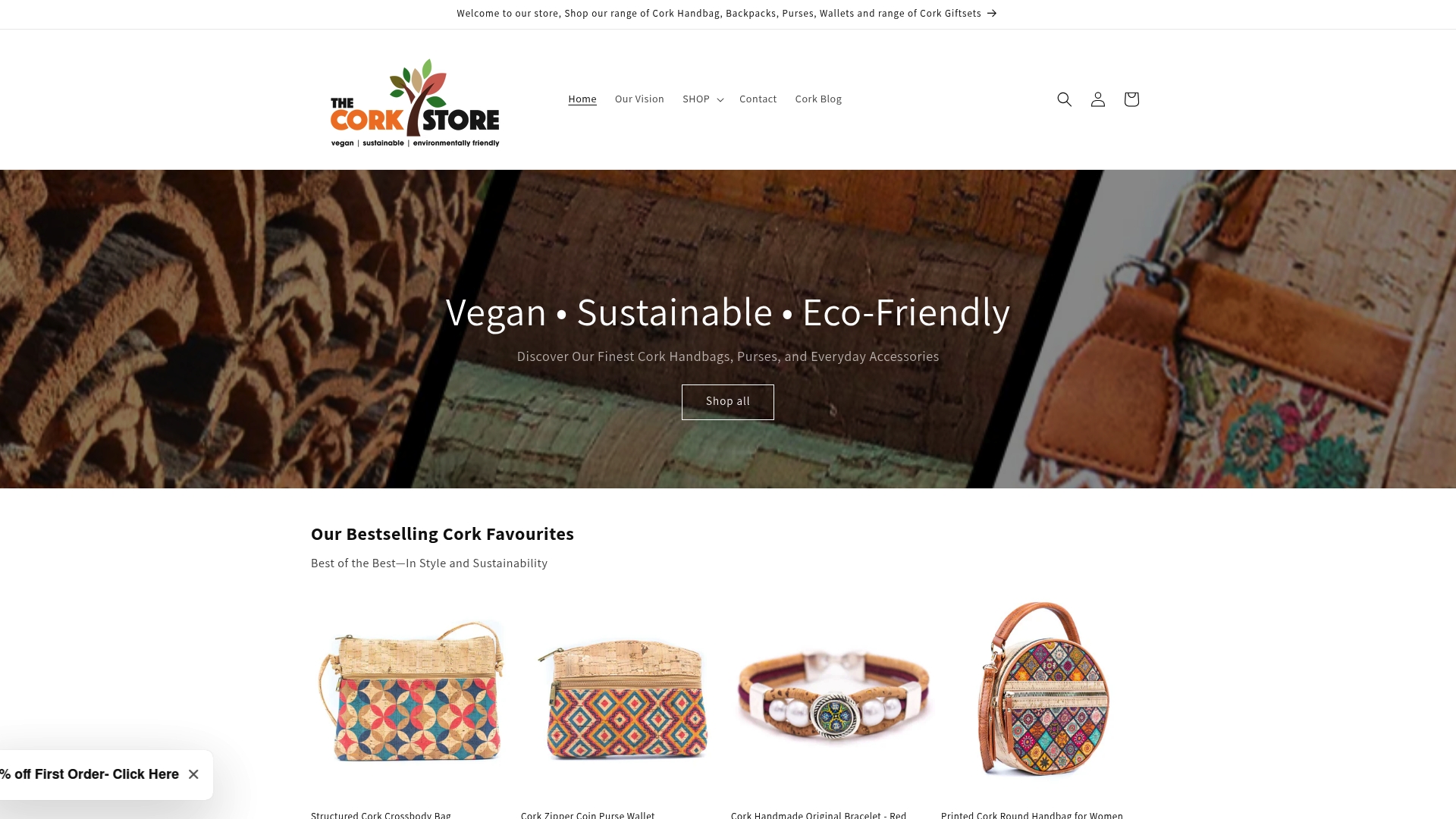
Act now to upgrade your collection with stylish, cruelty-free pieces that stand the test of time. Visit The Cork Store and discover elegant options like our Sustainable Women’s Cork Tote Bags | Spacious & Stylish alongside unique Eco-Friendly Gift Ideas | Stylish Vegan Cork Products. Make a powerful statement through your purchases while supporting a movement that redefines fashion for a better future.
Frequently Asked Questions
What are eco accessories?
Eco accessories are decorative items like handbags, wallets, and scarves made from sustainable materials and ethical production methods, designed to reduce environmental harm while maintaining style.
How do eco accessories impact the environment compared to traditional accessories?
Eco accessories prioritise sustainably sourced materials and responsible production practices, minimising waste and pollution. This contrasts with traditional accessories, which often rely on resource-intensive methods that harm the environment.
What materials are commonly used in eco accessories?
Common materials in eco accessories include cork, organic cotton, recycled plastics, plant-based alternatives like mushroom leather, and responsibly managed wood or bamboo, all chosen for their environmental benefits.
Why should I choose cork accessories over traditional leather or synthetic options?
Cork accessories are renewable, biodegradable, and free from harmful chemicals. They offer durability similar to leather but without the environmental impact and ethical concerns associated with animal products or synthetic materials.