

How to organise an eco closet: your 2026 guide
TL;DR:
- Organizing an eco closet involves assessing your wardrobe, choosing sustainable storage materials, and building habits that promote mindful use. It emphasizes using what you already own more efficiently rather than investing solely in new eco-friendly products. Maintaining simple, manageable routines helps ensure long-term sustainability and reduces environmental impact.
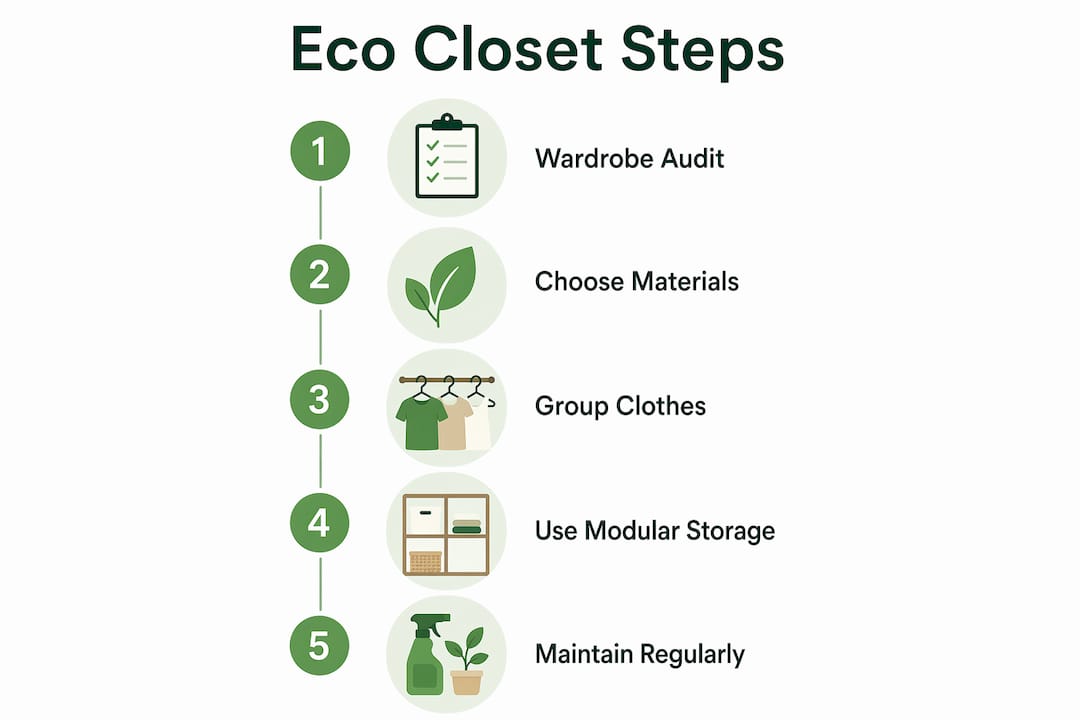
Organising an eco closet means combining efficient wardrobe management with sustainable materials and mindful habits to reduce environmental impact and extend clothing life. The concept sits at the intersection of capsule wardrobe principles and responsible consumption, and it is gaining traction as eco-conscious shoppers look beyond what they buy to how they store and maintain what they already own. A well-organised green wardrobe reduces waste, saves money, and makes getting dressed a genuinely considered act. This guide walks you through every stage, from auditing your current wardrobe to choosing the right storage materials and building habits that last.
How to organise an eco closet: start with a wardrobe audit
A wardrobe audit is the foundation of any sustainable closet organisation project. Without it, you are simply rearranging clutter rather than making meaningful change. The goal is to assess every item against two criteria: do you wear it, and does it align with your values?
Follow these steps to complete a thorough audit:
- Empty the entire wardrobe. Pull everything out onto a bed or clean floor. Seeing the full volume of what you own is often the most clarifying moment in the process.
- Sort into four piles. Keep, repair, donate or rehome, and discard responsibly. Be honest. If you have not worn something in 12 months, it belongs in one of the latter three piles.
- Apply the 50–60% retention target. Industry guidance for 2026 suggests keeping roughly half to two-thirds of your current wardrobe. That figure forces real decisions rather than token decluttering.
- Assess the repair pile realistically. A missing button or a small hem tear costs very little to fix. A basic sewing kit, available for around £5, handles the majority of minor repairs. If you would not wear the item even after mending, move it on.
- Plan responsible rehoming. Charity shops are a good option, but donation dumping sends unusable garments straight to landfill. Clothing swaps with friends, verified resale platforms, and textile recycling schemes are far better routes for worn or damaged pieces.
Key items to keep in your audit toolkit:
- A basic sewing kit for minor repairs
- Fabric marker or labels for seasonal sorting
- Reusable bags or boxes for each pile
- A notepad to log gaps in your wardrobe for mindful future purchases
Pro Tip: Before you start, photograph the inside of your wardrobe. Comparing the before and after image is a powerful motivator and helps you track progress over time.
The audit is also the right moment to build your ethical wardrobe foundation. Knowing what you own prevents duplicate purchases and reduces the impulse to buy items you already have.
What eco-friendly storage materials should you use?
The materials you choose for storage have a direct environmental footprint. Plastic organisers, cheap wire racks, and synthetic fabric bins all degrade quickly and often end up in landfill within a few years. Sustainable alternatives last longer and carry a lower environmental cost.
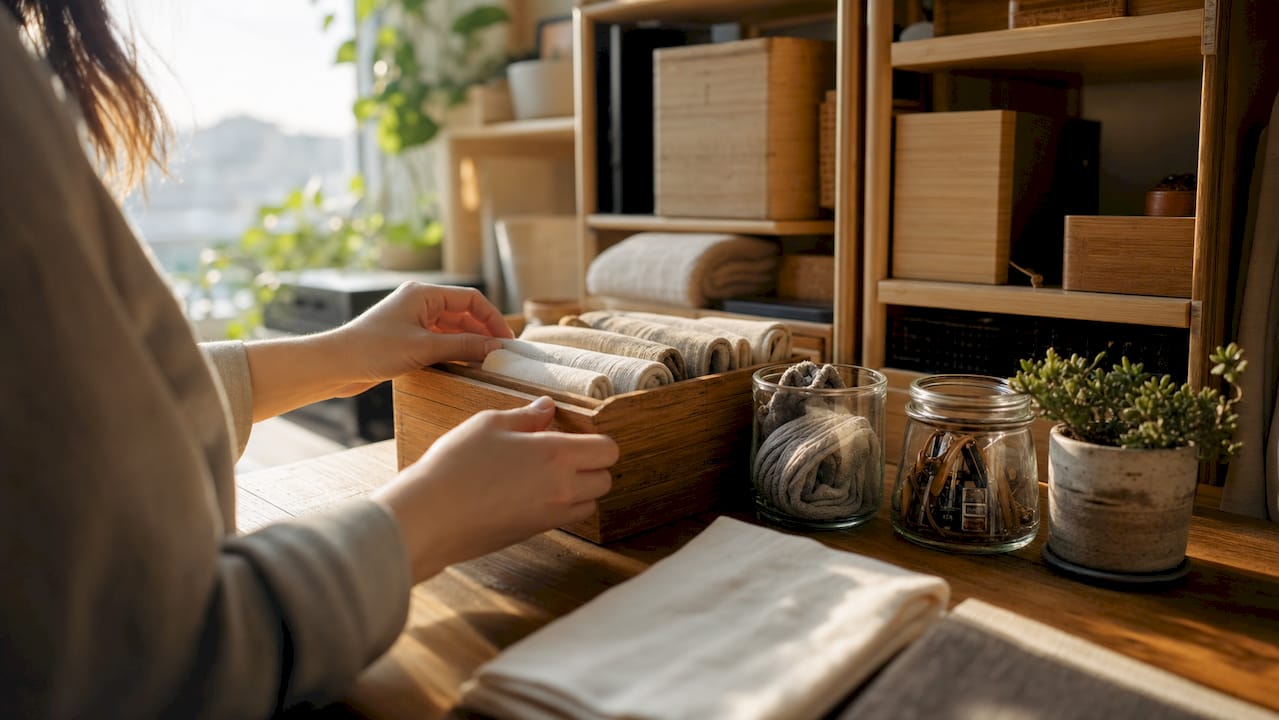
37% of consumers now prefer durable eco-friendly storage materials like bamboo and reclaimed wood for their longevity and value. That preference reflects a broader shift away from disposable home organisation products.
| Material | Best use | Key benefit |
|---|---|---|
| Bamboo | Hangers, shelf dividers, drawer inserts | Naturally moisture-resistant, fast-growing crop |
| Reclaimed wood | Shelving, shoe racks, drawer units | Reduces demand for new timber, unique character |
| Recycled metal | Rails, hooks, brackets | Durable, fully recyclable at end of life |
| Natural cotton canvas | Storage baskets, drawer liners | Breathable, washable, biodegradable |
| Repurposed glass jars | Small accessories, jewellery, hair ties | Zero cost, reuses existing materials |
Bamboo deserves particular attention. Mature bamboo harvested at 3–5 years and kiln-dried with food-safe adhesives produces hangers and dividers that resist moisture and warping far better than cheap plastic alternatives. That durability matters because a hanger that lasts a decade has a fraction of the environmental cost of one replaced annually.
Watch for greenwashing when buying bamboo products. Genuine bamboo items avoid chemical finishes and use non-toxic adhesives. If a product carries FSC certification or equivalent third-party verification, that is a reliable signal of authentic sustainability claims.
Repurposing what you already own is the most sustainable option of all. Glass jars and cardboard boxes replace plastic organisers at zero cost and with no new manufacturing impact. A row of matching glass jars on a shelf organises accessories beautifully and costs nothing.
Pro Tip: When buying new storage, choose modular pieces that can be reconfigured as your wardrobe evolves. A fixed system that no longer fits your needs gets discarded. A modular one adapts.
The same logic that applies to sustainable materials in product design applies directly to closet storage. Durability, natural sourcing, and end-of-life recyclability are the three criteria worth applying to every purchase.
Practical organisation techniques that make eco habits stick
Good organisation is not about perfection. It is about creating a system you will actually maintain. The most beautiful closet in the world fails if it does not match how you live.
Start by grouping clothing by category and then by season. Everyday items go at eye level and within easy reach. Seasonal pieces move to higher shelves or the back of the rail. Visibility and ease of access directly extend garment use. When you can see everything you own, you wear more of it and waste less.
Use the hanger trick to track what you actually wear. Turn all hangers backwards at the start of a season. After wearing an item, return it with the hanger facing forward. At the end of the season, anything still facing backwards has not been worn and is a candidate for the next audit.
Capsule wardrobe principles work well within an eco closet framework. A capsule wardrobe of 30–40 versatile pieces reduces overcrowding, makes outfit selection faster, and cuts the temptation to buy impulsively. Pair this with a conscious wishlist: write down any gap in your wardrobe and wait 30 days before purchasing. Most impulse wants disappear within that window.
Lighting and layout also matter more than most people realise. LED lighting saves up to 80% energy compared to incandescent bulbs. Fitting LED strips inside a wardrobe or walk-in space reduces energy use and makes the contents far easier to see, which directly supports mindful dressing.
Set a regular maintenance schedule. A 15-minute monthly check catches loose buttons, small stains, and minor repairs before they become reasons to discard a garment. Washing clothes less frequently and at lower temperatures also extends fabric life considerably.
Pro Tip: Fold knitwear and heavy items rather than hanging them. Hanging stretches fibres over time and shortens garment life. Reserve rail space for structured pieces that genuinely benefit from it.
What are the most common eco closet mistakes?
Even well-intentioned eco closet makeovers go wrong in predictable ways. Knowing the pitfalls in advance saves time, money, and frustration.
- Donation dumping. Dropping heavily worn, stained, or damaged items at a charity shop does not count as responsible rehoming. Charity shops cannot sell most of what they receive in this condition, and it ends up in landfill anyway. Use textile recycling bins or brand take-back schemes for genuinely worn-out pieces.
- Overcomplicating the system. A colour-coded, subcategorised, perfectly labelled wardrobe sounds appealing but rarely survives contact with a busy week. Organisation systems tailored to household habits reduce stress and improve maintenance. Build around how you actually behave, not an idealised version of yourself.
- Greenwashing in storage products. Not every product labelled “eco” or “natural” deserves the description. Verify claims with third-party certifications such as FSC for wood products or OEKO-TEX for textiles. Vague marketing language without certification is a warning sign.
- Trying to do everything at once. Decluttering in small, manageable sessions produces better long-term results than a single overwhelming overhaul. One drawer or one category per session is a realistic and effective pace.
“Small, conscious steps in organising your closet can shift consumption habits sustainably and foster genuine appreciation for your clothing. The goal is not a perfect wardrobe. It is a wardrobe you use fully and care for well.”
Pro Tip: If you live with others, involve them in the process. A system that only one person understands will not be maintained by the whole household. Shared ownership of the organisation method makes it far more durable.
Reducing fashion waste is not a single event. It is a series of small, consistent choices made over time.
Key takeaways
Organising an eco closet requires a wardrobe audit, sustainable storage materials, and consistent maintenance habits that match how you actually live.
| Point | Details |
|---|---|
| Audit before organising | Empty and sort everything before buying any new storage products. |
| Apply the 50–60% retention rule | Keep roughly half to two-thirds of your wardrobe and rehome the rest responsibly. |
| Choose certified sustainable materials | Look for FSC or OEKO-TEX certification to avoid greenwashing in storage products. |
| Prioritise visibility | Store everyday items at eye level so you wear more of what you own. |
| Declutter gradually | Small, regular sessions produce better long-term results than a single overhaul. |
Why I think most eco closet advice misses the point
Most guides on sustainable closet organisation focus on what to buy. New bamboo hangers, linen storage baskets, a capsule wardrobe starter kit. The advice is not wrong, but it starts in the wrong place.
The most sustainable thing you can do is use what you already own more fully. That requires a system built around your actual behaviour, not an aspirational one. I have seen beautifully organised wardrobes abandoned within a month because they demanded more maintenance than the person had time or energy to give. Gradual, compassion-based decluttering that respects household needs reduces burnout and produces habits that genuinely last.
The second thing most guides miss is the difference between organising and maintaining. Getting a wardrobe tidy is relatively straightforward. Keeping it that way requires a 10-minute weekly habit, not a personality overhaul. Observe how your household actually uses the wardrobe for two weeks before you redesign it. You will learn more from that observation than from any organisation system you read about online.
Investing in quality eco storage is worth it, but only after you have stabilised your wardrobe contents. Buying beautiful bamboo dividers for a wardrobe that still needs a proper audit is putting the cart before the horse. Sort first. Store second.
— Aaron
Sustainable accessories to complete your eco wardrobe
Building a genuinely eco-conscious wardrobe goes beyond the clothes themselves. The accessories you carry every day, including bags, wallets, and purses, are part of the same picture.
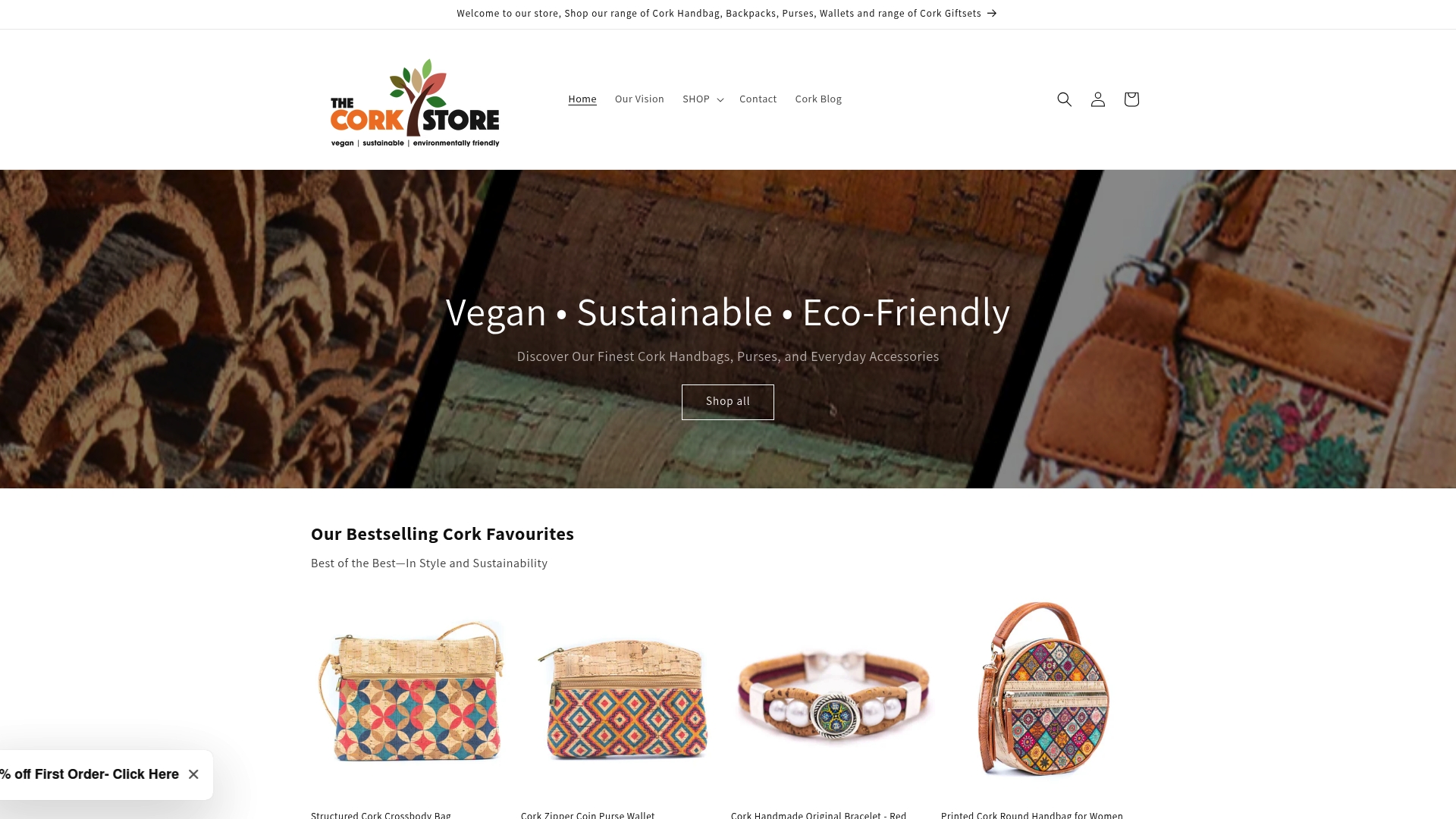
Thecorkstore offers a curated range of vegan cork accessories crafted from natural cork material, a renewable, biodegradable alternative to leather. Cork is harvested without cutting down trees, making it one of the most responsibly sourced materials available in fashion today. From cork handbags and backpacks to wallets and gift sets, every piece from Thecorkstore is designed to complement the values behind a well-organised, sustainable wardrobe. If you are building a green wardrobe from the ground up, the accessories you choose deserve the same consideration as the clothes.
FAQ
What is an eco closet?
An eco closet is a wardrobe organised using sustainable materials, mindful decluttering practices, and habits that extend clothing life and reduce waste.
How many clothes should I keep during a wardrobe audit?
Industry guidance for 2026 recommends retaining approximately 50–60% of your current wardrobe, donating or recycling the remainder responsibly.
Are bamboo hangers genuinely sustainable?
Bamboo hangers made from mature, kiln-dried bamboo with non-toxic adhesives are a genuinely sustainable choice. Always check for third-party certification and avoid products with chemical finishes.
How do I avoid greenwashing when buying eco storage products?
Look for recognised certifications such as FSC for wood products or OEKO-TEX for textiles. Vague claims like “natural” or “eco-friendly” without certification are not reliable indicators of sustainability.
How do I rehome clothes responsibly without donation dumping?
Use clothing swaps, verified resale platforms, or brand take-back schemes for worn or damaged items. Reserve charity shop donations for garments in good, wearable condition.