

How to update your look sustainably in 2026
TL;DR:
- Updating your look sustainably involves auditing your wardrobe, choosing certified fabrics, and adopting mindful shopping habits.
- Repairing and restyling clothes extend their lifespan, reducing waste and the need for new purchases.
Updating your look sustainably is defined as making deliberate clothing choices that reduce waste, lower your carbon footprint, and extend the life of every garment you own. The fashion industry accounts for approximately 10% of global carbon emissions. That figure means every purchase decision carries real environmental weight. Knowing how to update your look sustainably requires three things: a clear audit of what you already own, a working knowledge of ethical fabrics and certifications such as GOTS and OEKO-TEX, and a set of mindful shopping habits built around the cost per wear principle. Thecorkstore applies exactly this thinking to its range of vegan cork accessories, proving that style and responsibility are not in conflict.
How to audit your wardrobe for a sustainable update
A wardrobe audit is the single most effective starting point for an eco-friendly wardrobe update. Without it, you buy duplicates, ignore repairable pieces, and accumulate clutter that eventually ends in landfill. A 28-day systematic process works well: begin with a full closet review in week one, repair or upcycle in week two, organise and store correctly in week three, and set a buying rule in week four.
Work through each item by asking five questions:
- Does it fit well right now, not in theory?
- Is it in good condition, or does it need a repair?
- Does it suit my current style, or am I keeping it out of guilt?
- Can it be worn with at least three other pieces I already own?
- If damaged, is it repairable at a reasonable cost?
Any item that fails three or more of those questions goes straight into a permanent donation or resale bag. Using a dedicated bag prevents procrastination and stops garments degrading while you delay the decision. A bag sitting by the door removes the mental friction entirely.
Storage habits matter more than most people realise. Folding heavy knits and hanging structured pieces correctly preserves their shape and extends wearable life. Knitwear stretched on a hanger loses its form within weeks. Leather bags and structured accessories benefit from being stuffed and stored upright.
Apply the “one in, one out” rule from the moment your audit ends. Every new acquisition requires one item to leave. That single constraint prevents the wardrobe from reverting to its pre-audit state within three months.
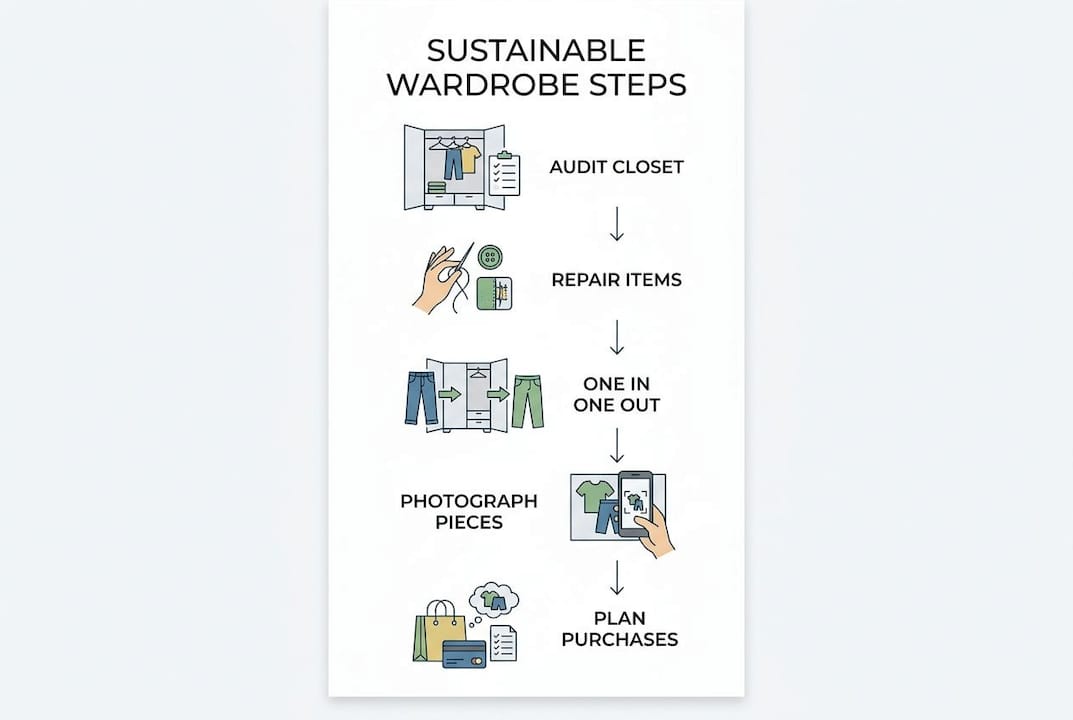
Pro Tip: Photograph every item you keep and store the images in a phone album. You will spot gaps and avoid buying near-duplicates far more reliably than by memory alone.
Which fabrics and certifications support ethical style choices?
Fabric choice is where sustainable style strategies produce the most measurable environmental impact. Organic cotton requires 91% less water than conventional cotton and uses zero toxic chemicals. That reduction is not marginal. It represents a fundamentally different agricultural process.
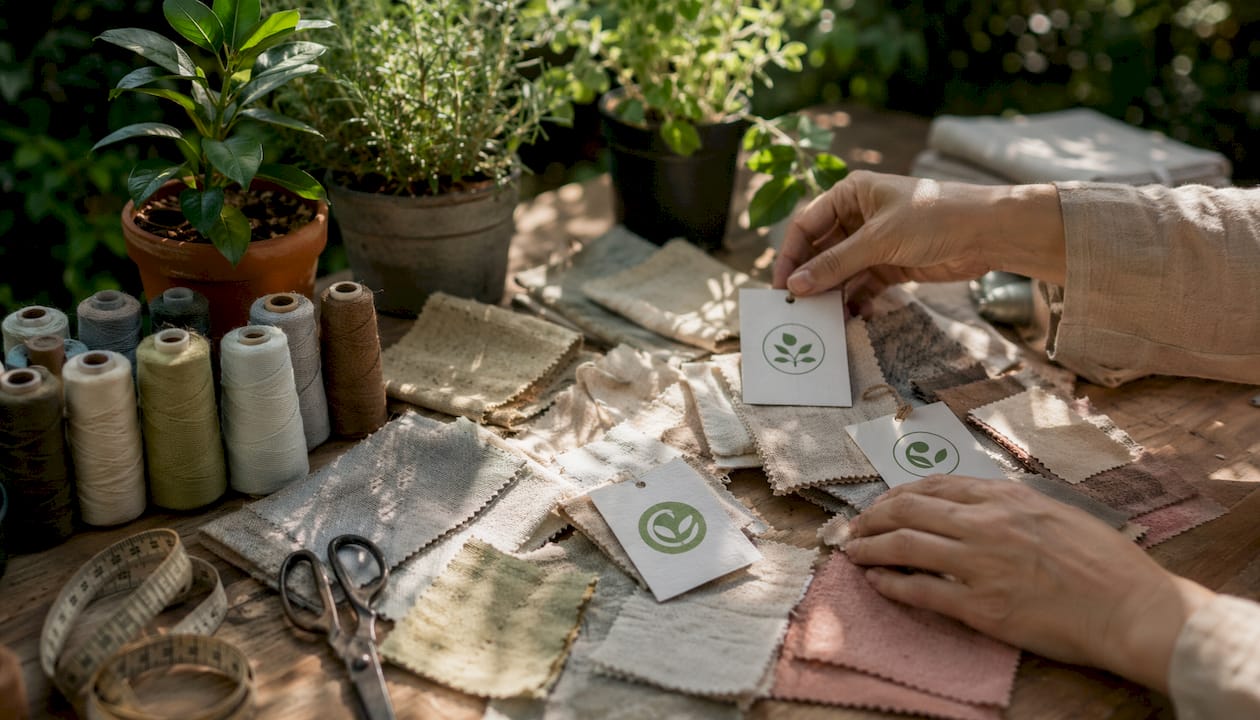
The most responsible natural fibres available in 2026 are organic cotton, linen, hemp, and Tencel (lyocell). Recycled polyester is a credible option for performance wear, though it still sheds microfibres during washing. Virgin synthetics such as standard polyester and nylon carry the highest environmental cost per garment. They shed microplastics, rely on fossil fuels, and biodegrade extremely slowly.
Certifications cut through greenwashing reliably. GOTS and Fair Trade certification verify both environmental and social standards across the supply chain. OEKO-TEX Standard 100 confirms that a fabric contains no harmful substances. Vague phrases such as “eco-friendly” or “conscious collection” carry no legal definition and no third-party verification. Always check for a named certification, not a marketing claim.
The cost per wear (CPW) principle reframes how you evaluate price. A £200 jacket worn 100 times costs £2 per wear. A £20 blouse worn twice costs £10 per wear. The expensive jacket is the more sustainable and more economical choice. CPW is the clearest argument against fast fashion that exists.
Understanding how colour, fabric, and fit interact with your existing wardrobe also prevents overconsumption. A fabric you love in a colour that matches nothing you own will sit unworn regardless of its ethical credentials.
How do repairs and restyling extend garment life?
Repairing clothes is the most direct form of sustainable fashion. Basic repair skills including darning, hemming, replacing buttons, and fixing zips extend garment life significantly and reduce the volume of clothing sent to landfill each year. None of these skills require more than an afternoon to learn.
Practical repair habits to build into your routine:
- Darn small holes in knitwear before they spread. A 5mm hole becomes a 5cm tear within two washes if ignored.
- Replace buttons with mismatched ones deliberately. It reads as a style choice, not a repair.
- Take structured pieces to a local tailor for alterations. A well-fitted older garment outperforms a poorly fitted new one every time.
- Seek out repair cafés in your area. These community spaces offer free or low-cost mending help and are growing across the UK.
Upcycling goes further than repair. Cropping a worn hem, overdyeing a faded colour, or adding embroidery to a plain piece creates something genuinely new from something you already own. Scarves are the most versatile upcycling tool available. Worn as a belt, tied to a bag handle, or used as a headband, one scarf produces multiple distinct looks without any sewing required.
Garment care is equally important. Cold-water washing and air drying extend fabric lifespan and reduce energy use. Heat is the primary cause of fabric degradation in domestic laundry. Washing at 30°C instead of 60°C preserves colour, elasticity, and fibre integrity across hundreds of wash cycles.
Pro Tip: Rotate your footwear with at least one full rest day between wears. Sole compression is the leading cause of premature shoe failure, and a single rest day allows the material to recover its structure.
What shopping habits build a genuinely sustainable wardrobe?
Mindful shopping is the final layer of a sustainable wardrobe strategy. Secondhand and rental clothing carry a significantly lower environmental footprint than buying new. Charity shops, clothing swaps, and rental platforms all support the circular economy without requiring you to sacrifice style.
A structured approach to buying new items prevents impulse purchases from undermining the work done in your wardrobe audit:
- Write down exactly what you need and why before browsing.
- Wait 48 hours after finding an item before purchasing. Most impulse urges fade within that window.
- Check that the new piece pairs with at least three items you already own. If it does not integrate, it will not get worn.
- Verify the brand’s certifications and supply chain transparency before completing the purchase.
- Ask yourself whether secondhand or rental would meet the same need.
Keeping a wardrobe note with your sizes, preferred colours, and current gaps prevents duplicate buying and keeps your purchasing intentional. A simple notes app works as well as any dedicated wardrobe tool. The habit matters more than the platform.
Versatile, timeless pieces outperform trend-driven purchases on every metric. A well-cut linen shirt worn across four seasons delivers more value than four seasonal trend pieces worn once each. Thecorkstore’s ethical wardrobe guide applies this same logic to accessories, showing how one quality cork bag replaces multiple single-use alternatives.
Understanding how to find your style before you shop is the step most guides skip. Buying sustainably from a clear style identity produces a coherent wardrobe. Buying sustainably without one produces an ethical but unwearable collection.
Key takeaways
Updating your look sustainably requires a wardrobe audit, fabric knowledge, basic repair skills, and intentional buying habits working together as a system.
| Point | Details |
|---|---|
| Start with an audit | A 28-day closet review identifies what to keep, repair, or donate before you buy anything new. |
| Choose certified fabrics | Look for GOTS, Fair Trade, or OEKO-TEX labels rather than vague eco-friendly marketing claims. |
| Apply cost per wear | A higher-priced quality piece worn many times costs less per wear than cheap fast fashion. |
| Repair before replacing | Darning, hemming, and basic tailoring extend garment life and reduce landfill waste directly. |
| Buy with a 48-hour rule | Waiting two days before purchasing eliminates most impulse buys and keeps your wardrobe intentional. |
Why I think sustainable style is about maintenance, not shopping
The most common mistake I see is treating sustainable fashion as a buying exercise. People swap their entire wardrobe for certified organic pieces and call it done. That misses the point entirely.
Sustainability is a maintenance habit. The repair you do on a Thursday evening, the cold wash you choose over a hot one, the 48-hour pause before clicking “buy” — these compound into real impact over years. Clothing repairs and mindful wear count more than labels. A perfectly certified garment worn twice and discarded is less sustainable than a high-street piece worn 200 times and mended three times.
Greenwashing makes this harder. Brands have learned to use the language of sustainability without the substance. I have found that checking for a named third-party certification takes less than 30 seconds and filters out the vast majority of misleading claims. If a brand cannot name its certifying body, treat the claim as unverified.
Pressure for perfection causes burnout in sustainable fashion faster than in almost any other lifestyle change. One cold wash a week is better than none. One repair a month is better than none. The goal is a direction, not a destination. Start with the wardrobe audit. Everything else follows from knowing what you actually own.
— Aaron
Sustainable accessories and style resources at Thecorkstore
Thecorkstore specialises in vegan cork accessories that put the principles in this article into practice. Cork is a naturally harvested, biodegradable material that requires no animal products and no toxic processing.
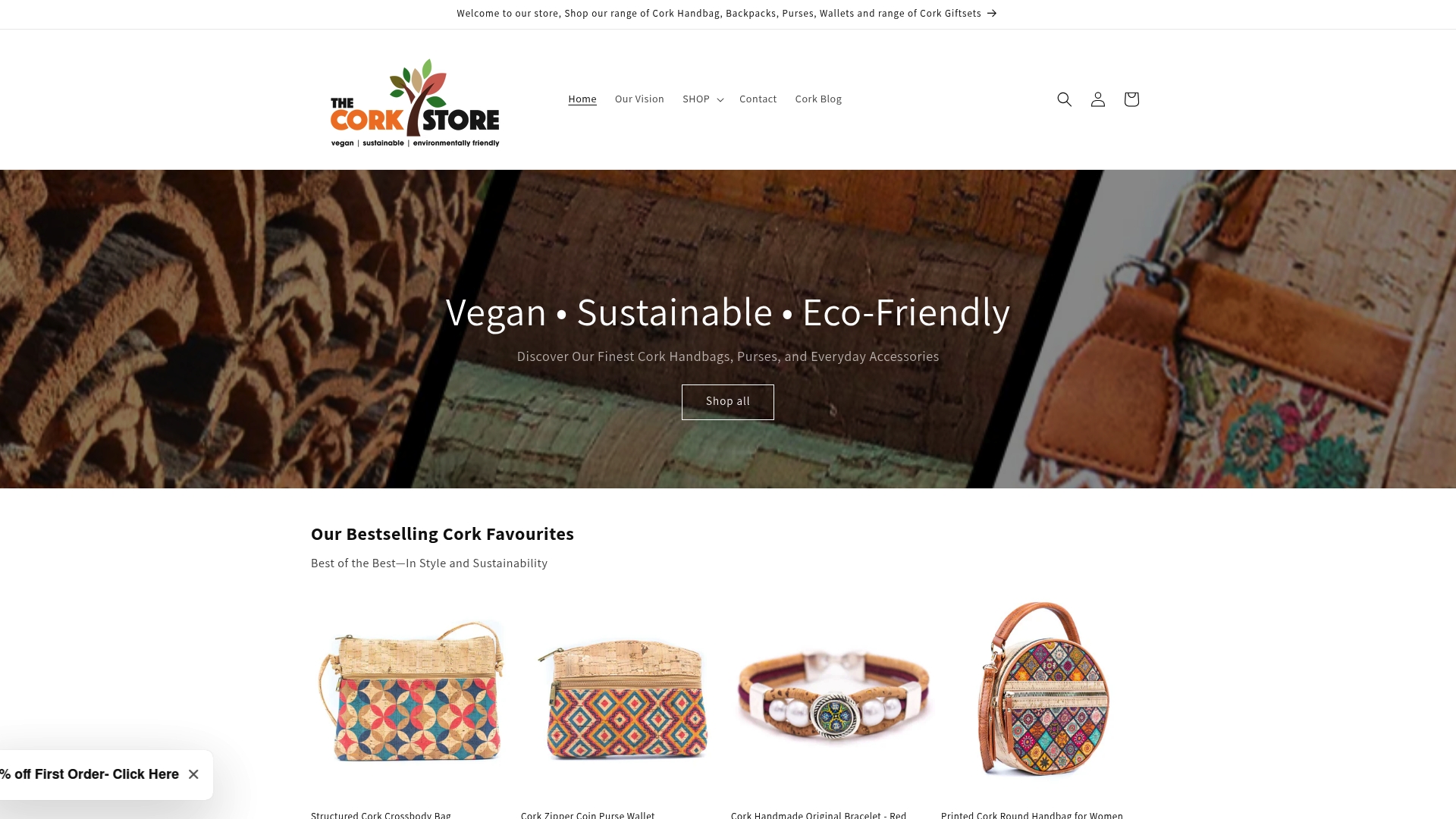
The range includes cork handbags, backpacks, wallets, and purses, all designed as long-term wardrobe investments rather than seasonal purchases. Each piece is built to the cost per wear standard described above. Thecorkstore’s blog also covers eco-friendly fashion tips and practical guidance on building a wardrobe that lasts. If you are ready to take the next step, the full collection is available at thecorkstore.co.uk.
FAQ
What does it mean to dress sustainably?
Dressing sustainably means choosing garments and accessories that minimise environmental harm through responsible materials, ethical production, and extended use. The core practices are buying less, repairing more, and prioritising certified fabrics.
How do I start an eco-friendly wardrobe update?
Begin with a full wardrobe audit using a 28-day process: review what you own, repair damaged items, store everything correctly, and apply a “one in, one out” rule before buying anything new.
What certifications should I look for when buying sustainable fashion?
GOTS, Fair Trade, and OEKO-TEX Standard 100 are the three most reliable third-party certifications. They verify environmental and social standards across the supply chain, unlike vague “eco-friendly” marketing labels.
Is secondhand clothing genuinely more sustainable?
Secondhand and rental clothing carry a significantly lower environmental footprint than buying new. They extend the active life of existing garments and reduce demand for new production resources.
What is cost per wear and why does it matter?
Cost per wear divides the purchase price by the number of times you wear an item. A £200 jacket worn 100 times costs £2 per wear, making it far better value and more sustainable than a cheap item worn only twice.