

What is sustainable chic? A guide for 2026
TL;DR:
- Sustainable chic combines thoughtful consumption with genuine style, prioritizing ethical and eco-friendly choices. It emphasizes durability, materials with lower environmental impact, and transparency through certifications, moving beyond greenwashing. Building a wardrobe through purchasing less, repairing, and blending secondhand items is the most practical way to embrace this philosophy.
Sustainable chic is one of those terms that sounds effortlessly glamorous until you try to pin down what it actually means. Ask ten people and you will get ten different answers, ranging from “expensive organic cotton basics” to “wearing the same three things forever.” Neither captures it well. What is sustainable chic, truly? It is the point where thoughtful consumption meets genuine style, where the clothes you love happen to be made with care for the planet and the people producing them. This article cuts through the noise and gives you a working definition you can actually use.
Table of Contents
- Key takeaways
- What sustainable chic really means
- Fabrics, certifications, and avoiding greenwashing
- Building a sustainably chic wardrobe
- The future of sustainable chic
- My honest take on sustainable chic
- Explore sustainable style at Thecorkstore
- FAQ
Key takeaways
| Point | Details |
|---|---|
| Beyond eco-labels | Sustainable chic is a mindset about longevity and ethics, not just a marketing badge on a garment. |
| Materials matter most | Fibre choice and garment lifecycle have more environmental impact than most recycled-label claims. |
| Frugal chic is practical | Blending quality staples with secondhand finds is the most accessible route into sustainable style. |
| Certifications over slogans | B-Corp and Oeko-Tex credentials are far more reliable than vague “eco-friendly” marketing language. |
| Shop your wardrobe first | Wearing what you already own is among the most genuinely sustainable choices you can make. |
What sustainable chic really means
The sustainable fashion concept has been around long enough to accumulate a lot of baggage. Greenwashing, vague pledges, and overly earnest aesthetics have made many shoppers suspicious. Sustainable chic cuts through that by combining two things that should never have been separated: looking good and doing less harm.
At its core, sustainable fashion is a holistic approach that aims to reduce environmental harm, protect worker rights, and promote garment longevity, explicitly rejecting fast fashion’s relentless churn. The “chic” part is not decorative. It signals that style is not sacrificed on the altar of ethics. You can wear something beautiful that was also made well, from good materials, by people paid fairly.
The sustainable fashion concept rests on several non-negotiable principles:
- Ethical labour. Garments are made by people, and ethical pricing reflects the real cost of paying living wages and protecting land. When a garment costs almost nothing, someone somewhere absorbed that cost.
- Eco-friendly materials. Natural, low-impact fibres take precedence over carbon-heavy synthetics.
- Garment longevity. The goal is clothes that last years, not seasons.
- Mindful consumption. Buying less, choosing well, and caring for what you own.
The frugal chic aesthetic sits neatly within this. Driven largely by Gen Z responding to cost-of-living pressures and sustainability awareness, frugal chic blends high-quality investment pieces with thrifted finds. It is practical, stylish, and refreshingly honest about the fact that sustainable fashion does not have to mean spending a fortune every time you update your wardrobe.
Fabrics, certifications, and avoiding greenwashing
Knowing what sustainable chic is in theory is one thing. Recognising it on a shop floor or a product page is another challenge entirely. This is where materials and certifications become your best tools.
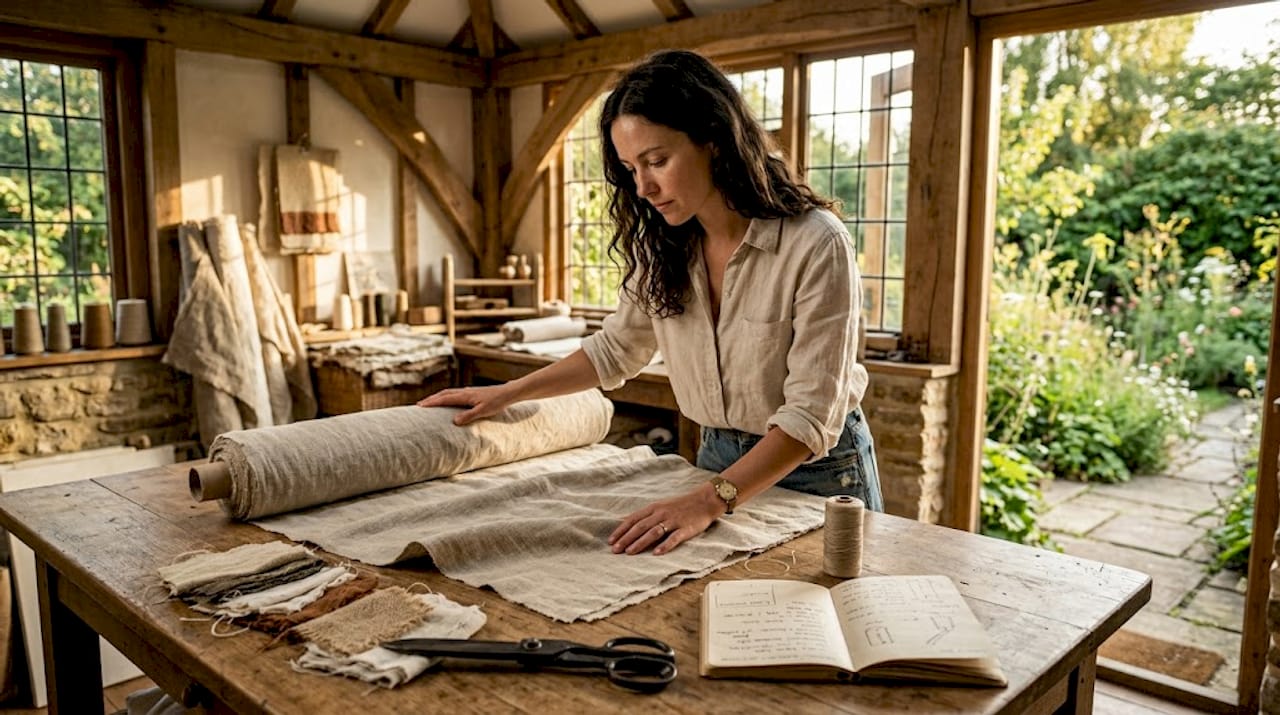
Start with fibre. Linen requires minimal irrigation and pesticides compared to conventional cotton, making it one of the genuinely lower-impact choices available. Organic cotton is better than its conventional counterpart, but it still uses significant water. Recycled synthetics sound appealing on a label, but they shed microfibres with every wash. The point is that garment lifecycle impact outweighs marketing. A linen shirt worn for a decade beats a “recycled” polyester blouse worn twice, full stop.
| Material | Environmental strength | Watch out for |
|---|---|---|
| Linen | Low irrigation, biodegradable | Blended with synthetics |
| Organic cotton | No pesticides | High water use still applies |
| Recycled polyester | Diverts plastic waste | Microplastic shedding |
| Cork | Harvested without felling trees | Very few downsides |
| Conventional cotton | Widely available | Pesticide and water intensive |
On the certification side, B-Corp status and supply chain QR codes are far more reliable signals of genuine commitment than any brand’s own “eco-friendly” copy. B-Corp certification requires verified social and environmental performance across the whole business. QR codes that link directly to supplier audits give you transparency without requiring you to take the brand’s word for it.
Greenwashing is rampant. Vague language like “conscious collection” or “made with natural materials” (where natural means five percent linen and ninety-five percent polyester) is a red flag. Learning to spot sustainable fashion takes practice, but certifications and supply chain transparency are your most reliable shortcuts.
Pro Tip: Before buying anything claiming to be sustainable, search the brand name alongside “B-Corp” or “Oeko-Tex” rather than trusting the label copy. If those credentials do not come up, the claims are likely marketing rather than substance.
Building a sustainably chic wardrobe
Knowing how to be sustainably chic in practice requires a shift in how you approach getting dressed at all. The goal is not a perfect wardrobe assembled overnight. It is a gradual, thoughtful process.
Here is a practical framework to get started:
-
Shop your own wardrobe first. Wearing what you already own is one of the most impactful choices you can make, because raw material production drives the majority of a garment’s environmental footprint. Before buying anything new, spend time rediscovering what you already have.
-
Adopt the “buy it nice or buy it twice” rule. The frugal chic philosophy encourages investing in quality staples that will last, rather than cheap versions you will need to replace repeatedly. A well-made pair of trousers worn for five years has a dramatically lower impact than three cheap pairs worn and discarded.
-
Build a capsule wardrobe. A small collection of versatile, high-quality pieces that work across seasons and occasions reduces the urge to buy constantly. Think in terms of outfit combinations rather than individual items. A guide to building an ethical wardrobe can help you identify the specific pieces worth investing in.
-
Blend in secondhand. Thrift shops, clothing swaps, and resale platforms mean you can add variety and style without triggering new production. The frugal chic approach specifically encourages mixing vintage or pre-loved pieces with quality new buys.
-
Repair and maintain. Repair cafés and garment maintenance are vital practices in sustainable chic. A loose button or small tear is not the end of a garment’s life. Treating clothes as long-term companions rather than disposable items changes everything.
-
Curate deliberately. Every new piece should earn its place by working with at least five other items you already own. If it does not, it is probably not the right purchase regardless of how sustainable its credentials are.
One nuance worth acknowledging: the frugal chic ideal can mask socio-economic inequalities, because buying quality upfront requires resources many people simply do not have. Sustainable chic does not require perfection. It requires moving in a more considered direction from wherever you are starting.
Pro Tip: When building a capsule wardrobe, choose a neutral colour palette for your base pieces and add character through accessories. Cork accessories, for instance, are durable, lightweight, and completely animal-free, making them a genuinely eco-conscious chic choice that elevates any outfit.
The future of sustainable chic
Fashion with a purpose is evolving faster than most people realise. The conversation has moved well beyond sustainability (reducing harm) towards something more ambitious: regenerative fashion.
Regenerative fashion aims for net-positive environmental and social impact. Rather than simply doing less damage, it focuses on actively restoring biodiversity, rebuilding soil health, and empowering communities throughout the supply chain. Think fibres grown using farming practices that sequester carbon rather than emit it, or production models that return economic value to the communities doing the work.
Several key shifts are shaping this direction in 2026:
- Soil-to-wardrobe traceability. Brands are increasingly offering full visibility from raw material source to finished product, using technology to let shoppers verify claims independently.
- Biodiversity-positive materials. Fibres that actively support ecosystem health, such as regeneratively grown wool or hemp, are moving from niche to mainstream consideration.
- Community-centred supply chains. The focus is shifting from “fair wages” as a minimum bar to supply chains that genuinely transfer wealth and autonomy to producing communities.
- Circular design principles. Clothes designed from the start to be fully recyclable or compostable, eliminating end-of-life waste entirely.
For those interested in eco-conscious chic, these trends matter because they set a higher standard for what “sustainable” actually means. Keeping up with eco-friendly fashion trends in 2026 will help you ask better questions of the brands you support. The shift from sustainability to regeneration is not just semantic. It is a fundamentally different ambition.
My honest take on sustainable chic
I have followed the sustainable fashion world for long enough to notice a pattern. People discover it, feel inspired, buy a handful of ethical pieces, then quietly drift back to old habits because the whole thing feels too complicated or too expensive to maintain consistently.
In my experience, the biggest mistake is treating sustainable chic as a shopping category rather than a relationship with your wardrobe. The most impactful thing I have done, personally, is stop seeing a nearly empty rail as a problem to be solved by buying something new. Shopping your own wardrobe first sounds almost too simple to be meaningful. It is not.
I have also learned to be genuinely sceptical of premium brands wrapping themselves in sustainability language. Expensive does not mean ethical, and a beautiful linen blouse with no certifications and no supply chain transparency tells me nothing beyond its price tag. The due diligence needed to verify real credentials takes effort, but it becomes second nature once you know what to look for.
The part I think most articles miss is the compassion side of this. Sustainable chic is not a purity contest. If your budget limits you to secondhand-only shopping, that is genuinely one of the most sustainable choices possible. If you can invest in quality pieces, do so thoughtfully. Start where you are, move in the right direction, and do not let perfect be the enemy of genuinely better.
— Aaron
Explore sustainable style at Thecorkstore
If this article has sparked a desire to make more considered choices, Thecorkstore is worth your time. Built around cork, a natural material harvested without felling trees, Thecorkstore offers a curated range of vegan accessories including handbags, backpacks, wallets, and purses that align directly with sustainable chic values.
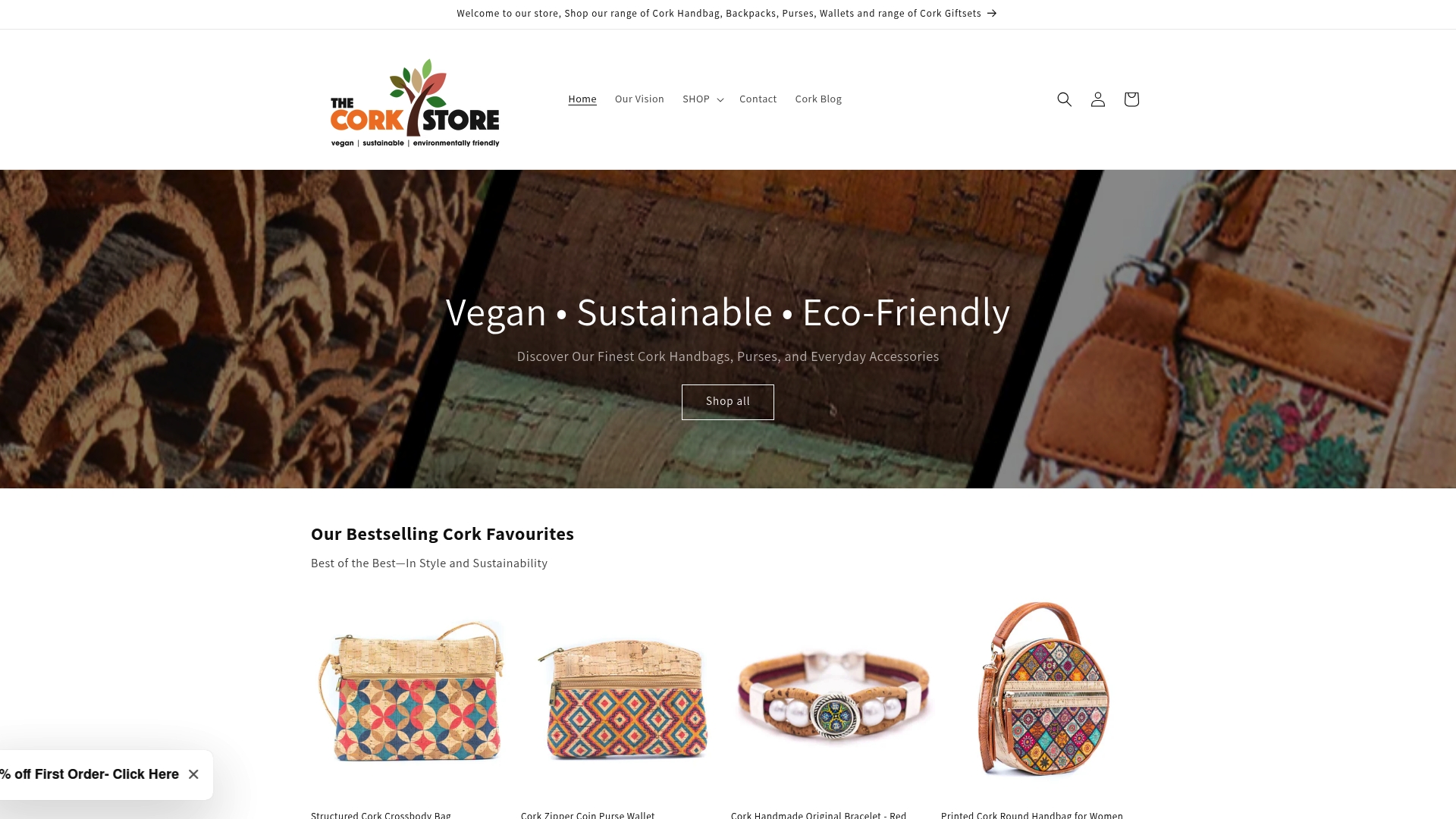
Cork is durable, lightweight, and completely cruelty-free, making it one of the most genuinely eco-conscious chic materials available. Every piece is designed for longevity, not trends. Whether you are building eco-friendly outfits from scratch or looking for accessories that complete a capsule wardrobe with purpose, the collection offers real quality without compromise. Browse the full range at Thecorkstore and find pieces that will genuinely earn their place in your wardrobe for years to come.
FAQ
What is sustainable chic in simple terms?
Sustainable chic is the practice of building a stylish wardrobe while prioritising ethical production, eco-friendly materials, and garment longevity over fast fashion trends. It is as much a mindset as an aesthetic.
How is sustainable chic different from ethical chic?
Ethical chic focuses primarily on fair labour and social responsibility, while sustainable chic broadens that to include environmental impact, material choices, and long-term garment lifecycle. In practice, the two concepts overlap significantly.
What materials are considered sustainably chic?
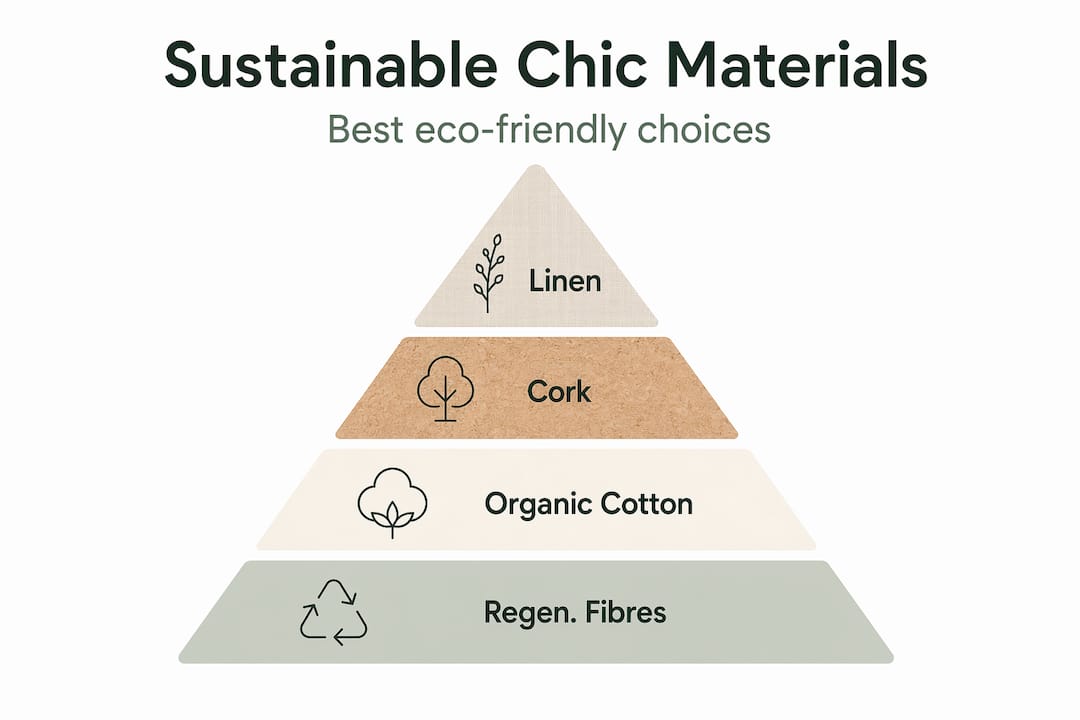
Linen, organic cotton, cork, and regeneratively grown natural fibres are among the strongest choices. Certifications such as Oeko-Tex and B-Corp status provide reliable guidance beyond what a label alone will tell you.
Is sustainable chic expensive?
Not necessarily. Blending quality investment pieces with secondhand and thrifted items, as the frugal chic approach advocates, makes sustainable style accessible across a range of budgets. Shopping your existing wardrobe first costs nothing at all.
How do I avoid greenwashing when buying sustainable fashion?
Look for third-party certifications like B-Corp or Oeko-Tex rather than relying on a brand’s own marketing language. Supply chain transparency tools such as QR codes linked to supplier audits are among the most trustworthy signals available.