
Cork fashion trends: Sustainable style guide for 2025
TL;DR:
- Cork offers a natural, renewable, and ethically sourced material that is gaining popularity in sustainable fashion in 2025. Its genuine environmental benefits depend on responsible harvesting practices, transparency, and certification, making informed choices essential. The material’s versatility is reflected in trends like handbags, footwear, jewelry, and accessories that combine style with eco-conscious principles.
Choosing a fashion accessory that looks genuinely good and causes no harm to the planet sounds simple enough. In practice, it means wading through a market flooded with greenwashed labels, vague “eco-friendly” claims, and materials that are only marginally better than conventional leather. Cork is cutting through that noise in 2025, offering something rare: a natural, renewable material with real credentials and a growing aesthetic appeal that even the most style-conscious shoppers are noticing. This guide walks you through how to evaluate cork fashion properly, which trends are worth your attention, and how to match the right pieces to your actual life.
Table of Contents
- How to evaluate cork fashion: Sustainability criteria for 2025
- Top 5 cork fashion trends to watch in 2025
- Cork vs other sustainable materials: Which wins on style and ethics?
- Situational picks: Which cork pieces fit your lifestyle?
- Our verdict: Why conscious criteria matter more than trending tags
- Where to find 2025’s most stylish eco cork accessories
- Frequently asked questions
Key Takeaways
| Point | Details |
|---|---|
| Check for responsible sourcing | Not all cork products are created equal—look for evidence of verified, expert-managed harvesting. |
| Trends reflect both style and ethics | Cork designs in 2025 blend fashion-forward looks with responsible, eco-conscious principles. |
| Cork’s popularity is booming | Market forecasts show rapid growth for sustainable cork fashion, showing strong worldwide demand. |
| Match cork items to your needs | Choose cork accessories that fit your lifestyle, from everyday bags to statement jewellery and travel essentials. |
| Scrutinise ‘sustainable’ claims | Ask about certifications and practices, as not every product labelled ‘eco’ meets high environmental standards. |
How to evaluate cork fashion: Sustainability criteria for 2025
With the scene set for why cork is trending, let’s clarify what makes cork fashion genuinely sustainable. Not every cork product earns that label automatically, and knowing what to look for will save you from spending money on something that only sounds good on paper.
The first thing to check is harvesting practice. Cork’s renewability depends on careful harvesting intervals and expertise, with bark stripped by skilled workers every nine years to preserve forest health. This is not a process that can be rushed or industrialised without consequence. A brand worth trusting will be open about where its cork originates and whether the harvesting follows certified responsible practices.
“A sustainable label on the tag means nothing if the sourcing behind it is opaque. Ask brands where their cork comes from, and expect a real answer.”
Beyond the material itself, consider these key criteria when assessing any cork product:
- Certified sourcing: Look for references to responsible forestry standards or independent certifications on the product page or brand website.
- Cruelty-free and vegan processes: Cork is naturally animal-free, but check that adhesives, linings, and dyes used in production are also cruelty-free.
- Longevity and repairability: A truly sustainable item is one you keep for years. Ask whether replacement parts or repairs are available.
- Transparency: Brands committed to ethical fashion will share details about their supply chain, not hide behind marketing language.
- Fashion relevance: Sustainability and style are not in competition. Seek pieces with timeless design so they stay relevant beyond a single season.
Understanding cork’s role in eco fashion helps you appreciate why it stands out from synthetic alternatives. It is naturally lightweight, water-resistant, and biodegradable, which means it ticks boxes that most vegan leather options simply cannot.
Pro Tip: When shopping online, search for the brand’s sustainability page or FAQ section. If there is no clear information about sourcing or certifications, contact them directly. A genuine eco brand will welcome that question.
Looking at cork accessory innovations in recent years shows how far the material has come in terms of texture, flexibility, and finish. Manufacturers are now producing cork composites that rival leather on softness and durability, without any of the ethical compromises.
Top 5 cork fashion trends to watch in 2025
Now that you know how to spot real eco credentials, here are the cork creations leading the fashion world in 2025. The sustainable cork leather market is forecast at USD 1.47 billion in 2025, growing at a compound annual rate of 8.53% through to 2030. That is not a niche curiosity. That is a mainstream shift.
Here are the five trends most worth watching:
-
Soft cork leather handbags with natural grain patterns. The organic texture of cork gives each bag a genuinely unique appearance, something mass-produced synthetic bags simply cannot replicate. Structured totes, crossbody bags, and clutches in warm honey or deeper espresso tones are dominating eco fashion collections. Learn more about cork handbags for 2025 and why they are becoming a wardrobe staple.
-
Footwear combining cork soles with minimalist vegan uppers. Cork has long been a staple in footwear soles due to its cushioning and natural grip. In 2025, designers are pairing cork-based soles with clean-lined vegan uppers to create sandals and loafers that are both comfortable and effortlessly stylish.
-
Structured backpacks and business bags using cork composites. Working professionals who want to carry their values into the boardroom are reaching for structured cork backpacks and laptop bags. These pieces hold their shape well, age beautifully, and make a clear statement about priorities without sacrificing practicality.
-
Statement jewellery with textured or coloured cork elements. Earrings, bangles, and pendants incorporating cork are generating attention on social media and in independent boutiques. The material’s low weight makes it ideal for larger statement pieces that would feel heavy in metal or resin.
-
Slim wallets and smart casual hats in refined cork materials. Compact cork wallets are proving popular with minimalists who want to reduce their carry while staying eco-conscious. Cork hats, particularly flat caps and bucket styles, are emerging as a quietly distinctive choice for those who want something truly different.
The 2025 sustainable fashion trends landscape rewards pieces that age well and resist fast-fashion cycles. Cork does both naturally.
When reviewing any of these categories, always look for evidence of responsible forestry behind the product. Trend appeal alone should not be the deciding factor. Check eco-friendly handbag comparisons to understand how cork competes with other materials across categories.
Cork vs other sustainable materials: Which wins on style and ethics?
With trends covered, how does cork stack up against other eco options on the market? This is where many shoppers get confused, because the sustainable fashion space is full of materials all claiming green credentials. Let’s put them side by side.
| Material | Renewability | Durability | Style versatility | Ethical sourcing |
|---|---|---|---|---|
| Cork | High (if responsibly harvested) | High | Moderate to high | Yes, naturally vegan |
| Vegan leather (PU) | Low (petroleum-based) | Moderate | High | Varies widely |
| Recycled PET | Moderate | Moderate | Moderate | Depends on process |
| Natural fabrics (organic cotton, linen) | High | Low to moderate | High | Varies by certification |
Cork comes out strongly on renewability and ethics, though it is important to be honest: cork’s sustainability is conditional on responsible management and correct harvesting practices. It is not an automatic guarantee simply because the label says “cork.”
Vegan leather made from polyurethane (PU) often looks polished and achieves a very convincing leather-like finish, but its base is petroleum. It does not biodegrade and its production carries a significant carbon load. Recycled PET, made from plastic bottles, is better but still synthetic. Natural fabrics like organic cotton and linen are breathable and biodegradable, yet they typically lack the structure and water-resistance that accessories need.
Key strengths of cork that competing materials struggle to match:
- Natural grain uniqueness: Every cork piece looks slightly different, which adds authenticity.
- Biodegradability: Cork breaks down at end of life, unlike PU or recycled synthetics.
- Carbon sequestration: Cork oak forests actively store carbon, particularly when bark is harvested and processed.
- Weight: Cork is exceptionally light, which matters enormously in bags and jewellery.
For a thorough assessment, read the breakdown of cork versus leather and explore the wider discussion of sustainable materials in fashion.
Pro Tip: When comparing sustainability certifications, look for third-party verified labels rather than self-declared claims. FSC (Forest Stewardship Council) certification on cork products is a reliable indicator of responsible forestry practice.
Situational picks: Which cork pieces fit your lifestyle?
After comparing options, it is time to pick what works best for your needs. Sustainability is most effective when the product genuinely suits how you live, because a poorly chosen item gets replaced sooner and defeats the purpose.
Here is a quick guide to matching cork items with different lifestyle priorities:
- Daily commuter: A structured cork backpack or a compact crossbody bag offers practicality and style without bulk. Look for water-resistant finishes and secure zips.
- Work environment: Slim cork laptop bags or portfolios project quiet confidence. Neutral tones in warm tan or dark olive read as professional without being conservative.
- Travel: Lightweight cork wallets, passport holders, and compact bags are ideal. Cork’s natural water-resistance adds real peace of mind on unpredictable trips.
- Special occasions: Statement jewellery and sleek cork clutch bags elevate an outfit without the ethical cost of traditional luxury materials.
- Everyday casual: Cork hats, tote bags, and coin purses suit low-key daily wear and introduce eco materials into the most ordinary moments of life.
The cork fashion guidance available for UK consumers goes deeper on practical care tips and how to maintain the look of your accessories over time.
| Cork item | Best use case | Maintenance level | Water-resistance |
|---|---|---|---|
| Handbag | Daily use, casual outings | Low | Moderate |
| Backpack | Commuting, travel | Low | Moderate to high |
| Wallet | Everyday carry | Very low | High |
| Statement earrings | Special occasions | Very low | Low |
| Flat cap | Casual, outdoors | Low | Moderate |
| Crossbody bag | Travel, day trips | Low | Moderate to high |
Cork’s environmental advantage is closely linked to careful forestry management, not just material claims. So when you are choosing between brands, prioritise those who can speak to that management directly. Further practical advice on choosing cork bags is worth reading before making a final decision.
Cork also ages in a way that most synthetic materials do not. Rather than cracking or peeling, quality cork develops a subtle patina that many owners find more attractive over time. That ageing process is part of what makes it a genuinely long-term investment, rather than a trend-led purchase you will want to replace in 18 months.
Our verdict: Why conscious criteria matter more than trending tags
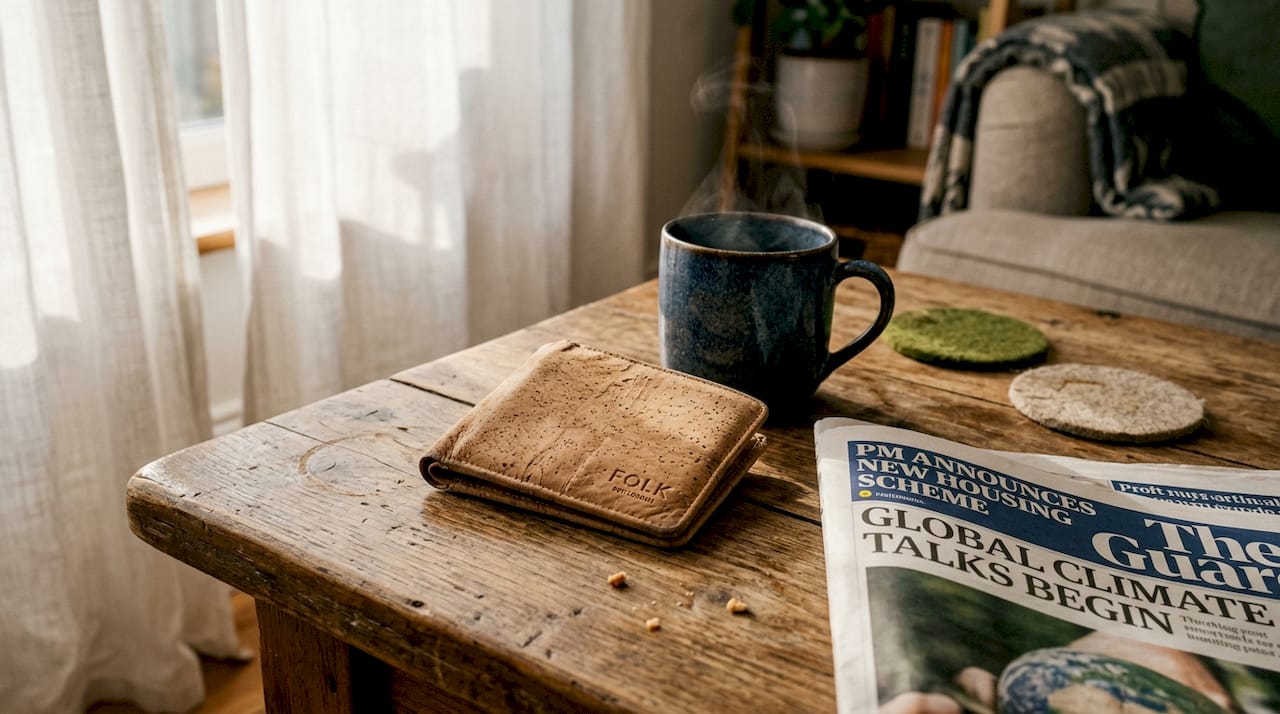
With all the practicalities covered, let’s cut through the marketing noise for a clear-eyed take. Cork is genuinely exciting in 2025. It is not hype. The material has real properties that outperform most alternatives on ethics, longevity, and environmental impact. But here is the uncomfortable truth: buying cork does not automatically make a purchase sustainable.
We have seen a pattern emerging in the eco fashion space where the material name becomes the marketing strategy. “Cork bag” sounds sustainable, and in many cases it is. But a cork product made with irresponsible harvesting, synthetic adhesives, and opaque supply chains is not meaningfully better than a conventional synthetic bag. The label is not the credential. The practice behind it is.
Cork’s sustainability relies on responsible management. That is not a footnote. It is the whole argument. When you choose a cork accessory in 2025, you are voting for a particular type of supply chain, not just a material. That means asking questions, reading sourcing pages, and sometimes paying a little more for transparency.
The 2025 trends are real and the demand is growing. But the readers who will feel genuinely good about their purchases a year from now are not those who followed the trend. They are the ones who followed the evidence. Explore the full picture of cork’s eco revolution to understand how the material is reshaping fashion choices with substance, not just style.
Our strongest advice: treat sustainability claims as the beginning of a conversation, not the end of one.
Where to find 2025’s most stylish eco cork accessories
Ready to shop sustainable cork fashion? Finding pieces that combine genuine eco credentials with the kind of style you will reach for again and again is easier when you know where to look. The Cork Store brings together a curated range of vegan, responsibly sourced cork accessories designed for people who refuse to compromise on either ethics or aesthetics.
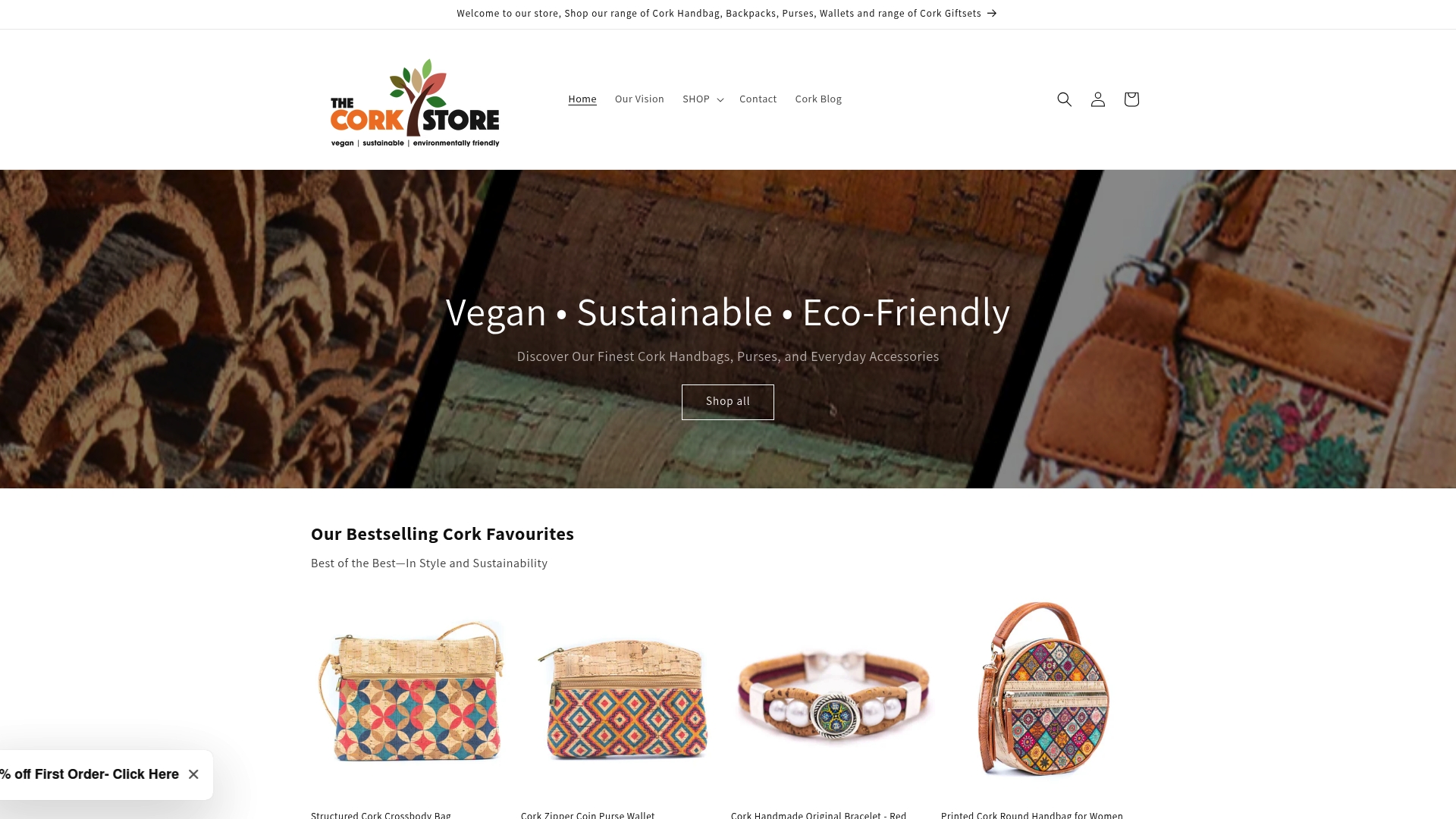
From beautifully textured handbags and slim everyday wallets to thoughtfully packaged gift sets, every item in the collection is crafted with cruelty-free materials and a clear commitment to responsible sourcing. Whether you are treating yourself or looking for something genuinely meaningful to give, the vegan cork gift ideas collection is a strong starting point. Browse the full range and find pieces that match your lifestyle, your values, and your 2025 wardrobe.
Frequently asked questions
Is cork fashion as durable as traditional leather?
Properly made cork accessories are lightweight and durable, often with comparable longevity to leather when cared for well, since cork leather is long-lasting when processed responsibly. The key is choosing products from brands that use quality cork composites and ethical finishing techniques.
How can I tell if a cork product is truly sustainable?
Check for details on responsible forestry, certified harvesting, and transparent sourcing before purchasing, as cork’s sustainability depends entirely on correct harvesting practices rather than the material name alone. Third-party certifications like FSC are the most reliable indicators.
Are cork fashion items water-resistant?
Many cork accessories are naturally water-resistant due to the material’s cellular structure, but resistance can vary depending on the product type and any finish applied by the manufacturer. Wallets and bags with sealed seams tend to offer the most reliable protection.
Is the demand for cork fashion increasing in 2025?
Yes, industry data shows rising demand, with a projected global market value of USD 1.47 billion for sustainable cork leather in 2025, growing at 8.53% annually through to 2030. This reflects a broader consumer shift towards materials with genuine environmental credentials.
Do cork trees get harmed when their bark is harvested?
No, responsible cork harvesting by skilled experts every nine years does not harm the tree and actively supports forest health and carbon storage. The tree regenerates its bark naturally, making the process one of the most genuinely renewable in any material industry.