

Fashion sustainability guide: 70% less water with cork
The global fashion industry accounts for roughly 10% of all carbon emissions and generates 92 million tonnes of textile waste annually. These staggering figures reveal an urgent environmental crisis that demands immediate attention. Sustainable fashion has emerged as the essential response, offering consumers practical ways to reduce their environmental impact through mindful material choices and purchasing decisions that prioritise both planet and ethics.
Table of Contents
- Understanding Sustainable Fashion And Its Importance
- Material Impacts: Cork Versus Traditional Leather
- Cruelty-Free Fashion: Ethical And Environmental Benefits
- Common Misconceptions About Sustainable Fashion
- The Consumer Role In Sustainable Fashion
- Embracing Stylish, Sustainable Accessories
- Discover Sustainable Style With Cork Accessories
Key takeaways
| Point | Details |
|---|---|
| Environmental impact | Fashion produces 10% of global carbon emissions and 92 million tonnes of textile waste yearly |
| Cork advantage | Cork manufacturing uses 60% less energy and 70% less water than leather processing |
| Cruelty-free benefits | Leather tanning releases 500 gallons of polluted water per 100 pounds of hide |
| Consumer influence | 68% of UK consumers prioritise cruelty-free accessories, driving sustainable industry change |
| Durability | Cork accessories last up to 10 years, matching leather whilst remaining biodegradable |
Understanding sustainable fashion and its importance
Sustainable fashion minimises environmental and social harm through responsible material sourcing, ethical production methods, and circular design principles. The traditional fashion industry contributes significantly to climate change, with fashion causing 10% of global carbon emissions and producing 92 million tonnes of textile waste each year. These figures underscore why sustainable alternatives have become essential rather than optional.
This movement addresses multiple interconnected challenges. Environmental damage from resource-intensive manufacturing processes depletes water supplies and releases toxic chemicals into ecosystems. Ethical concerns about labour conditions and animal welfare further compound the industry’s negative impact. Understanding sustainable fashion essentials reveals how material selection, production transparency, and conscious consumption work together to create meaningful change.
Sustainable fashion encompasses several key practices:
- Choosing renewable or recycled materials that reduce resource extraction
- Supporting transparent supply chains with fair labour standards
- Prioritising durable products that extend lifespan and reduce replacement waste
- Selecting biodegradable materials that safely return to natural cycles
Your purchasing decisions directly influence market demand for sustainable options. By choosing accessories crafted from low-impact materials, you actively participate in reshaping industry priorities towards environmental responsibility and ethical production standards.
Material impacts: cork versus traditional leather
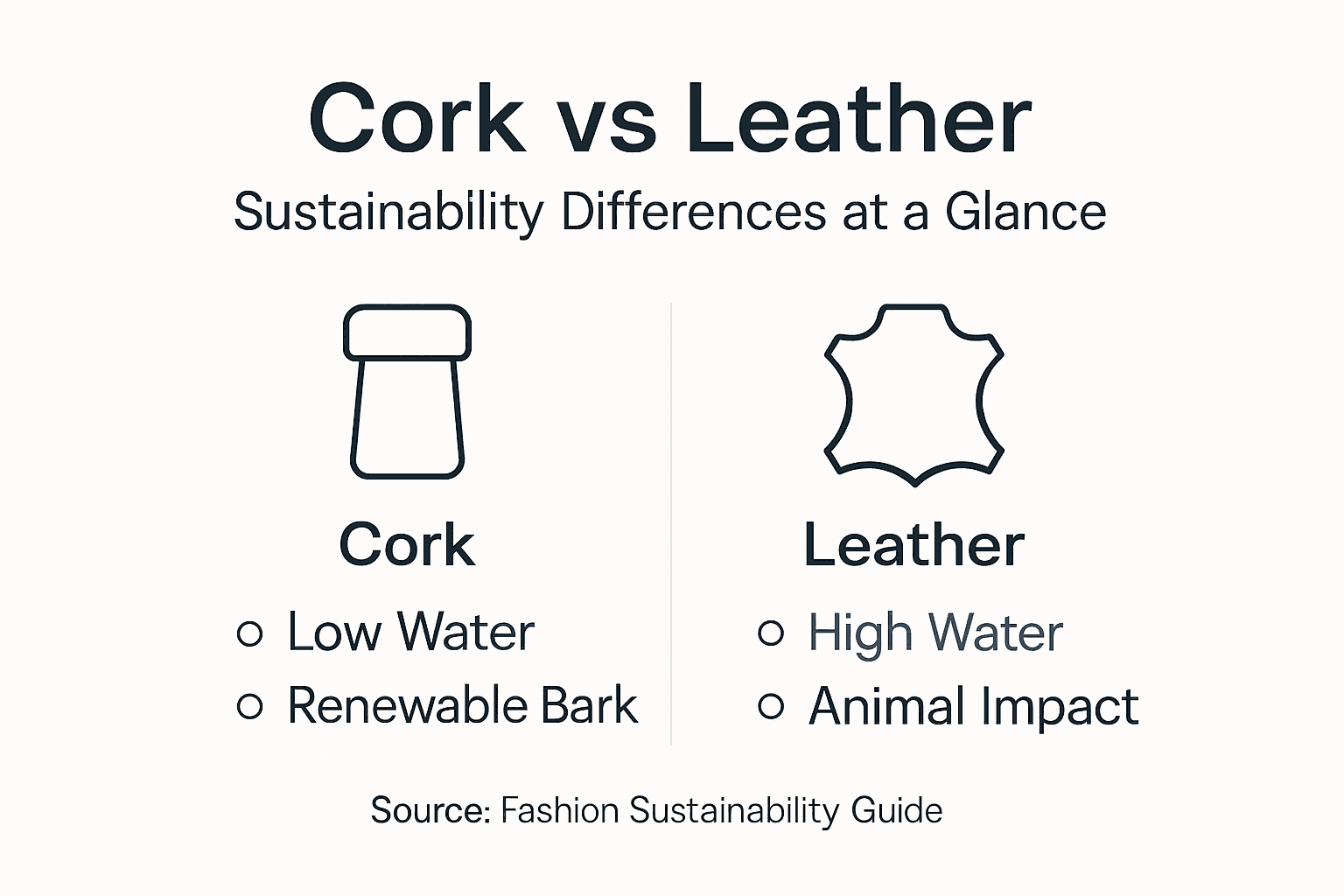
Cork stands out as a remarkably sustainable alternative to conventional leather, offering substantial environmental advantages across multiple metrics. Cork manufacturing uses 60% less energy and 70% less water than leather processing, making it an efficient choice for eco-conscious consumers. Unlike leather production, which requires animal slaughter and intensive chemical treatment, cork harvesting preserves trees throughout their 200-year lifespan.
The role of cork in fashion centres on its unique renewable properties. Cork oak trees regenerate their bark every nine years without harm to the tree itself. This sustainable harvest cycle creates a carbon-negative material, as living cork forests absorb CO2 whilst producing oxygen. Each harvest actually stimulates the tree to absorb more carbon, making cork products actively beneficial for climate stability.
| Impact Category | Cork | Leather |
|---|---|---|
| Water consumption | Minimal irrigation | Extremely high for livestock |
| Energy use | 60% lower processing | Energy-intensive tanning |
| Renewability | Fully renewable harvest | Requires animal slaughter |
| Biodegradability | Completely biodegradable | Chemical-treated, slow decomposition |
| Carbon impact | Carbon-negative forests | High methane emissions |
Leather production carries a massive environmental footprint. Livestock farming for hides generates significant methane emissions, whilst tanning processes introduce chromium and other toxic chemicals into water systems. The cumulative resource demands of raising animals, processing hides, and treating leather create pollution that persists long after production ends.
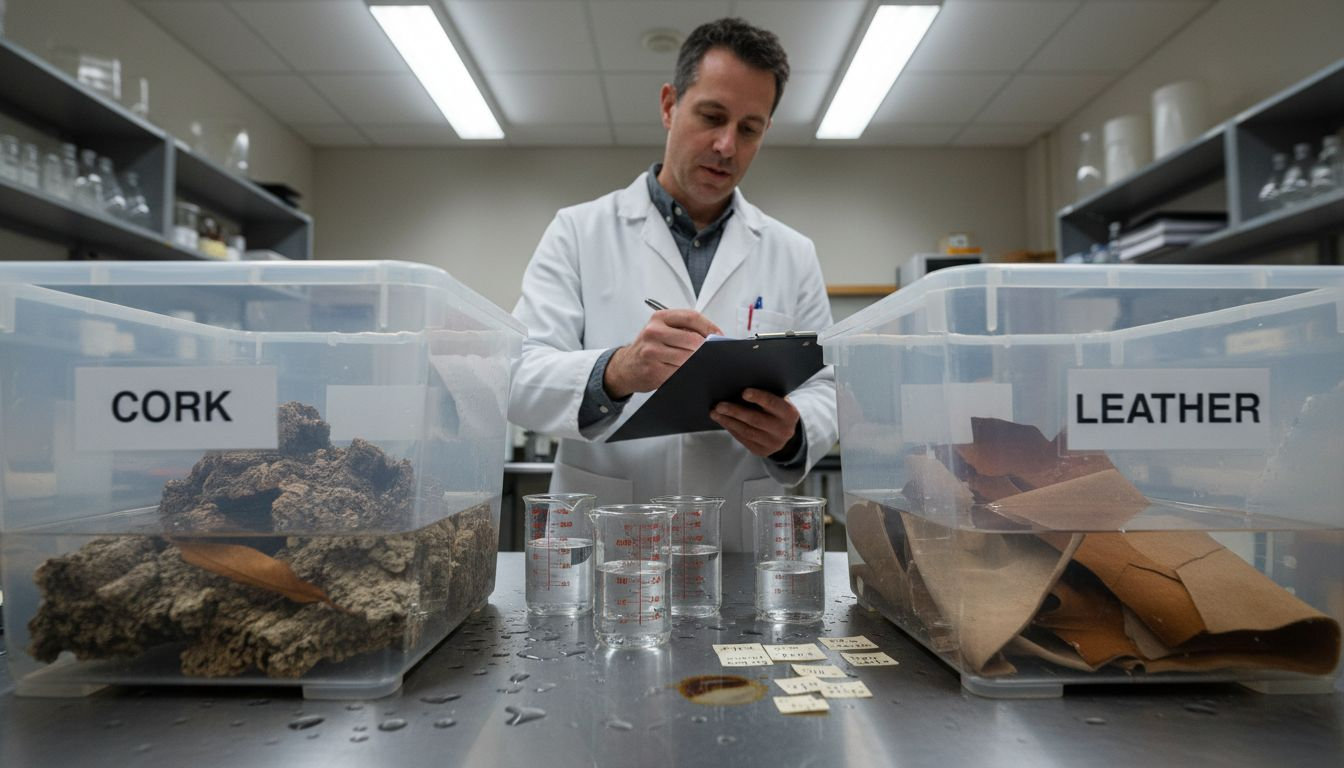
Cork accessories deliver impressive durability alongside their environmental benefits. The material’s natural properties resist water, cracking, and wear, allowing products to maintain quality for up to a decade. This longevity matches or exceeds leather whilst remaining fully biodegradable at end of life, closing the loop on sustainable design.
Pro Tip: Check product labels for FSC-certified cork, which guarantees responsible forest management and verifies the sustainable harvest practices that make cork genuinely eco-friendly.
The benefits of cork accessories extend beyond environmental metrics to practical performance. Cork’s cellular structure creates a lightweight yet strong material that resists moisture and maintains shape. These characteristics make cork ideal for everyday accessories that withstand regular use without sacrificing sustainability principles.
Cruelty-free fashion: ethical and environmental benefits
Cruelty-free fashion eliminates animal harm whilst drastically reducing environmental pollution compared to traditional leather production. Leather tanning releases 500 gallons of polluted water per 100 pounds of hide, introducing chromium, formaldehyde, and other toxic chemicals into ecosystems. This contamination affects drinking water sources and creates long-term health risks for communities near tanneries.
The ethical case for cruelty-free alternatives centres on animal welfare and production transparency. Leather production requires animal slaughter, often involving livestock raised in industrial farming conditions with limited welfare standards. Tanning processes then expose workers to hazardous chemicals, creating occupational health concerns that compound the industry’s ethical problems.
UK consumers increasingly prioritise these considerations, with 68% of eco-conscious shoppers seeking cruelty-free accessories. This shift reflects growing awareness that fashion choices carry moral weight beyond personal style. By selecting vegan materials like cork, you actively reject systems that prioritise profit over animal welfare and environmental health.
“Choosing cruelty-free accessories means refusing to participate in industries that treat animals as commodities whilst polluting our shared environment. Every purchase sends a message about the values we want fashion to embody.”
The cruelty-free handbags guide demonstrates how ethical fashion extends sustainability beyond material sourcing. Transparency in production methods, fair labour practices, and environmental accountability work together to create genuinely responsible products. This holistic approach ensures your accessories align with comprehensive ethical standards.
Pollution from leather production affects ecosystems far beyond the immediate manufacturing site:
- Heavy metals from tanning accumulate in soil and groundwater
- Chemical runoff damages aquatic ecosystems and reduces biodiversity
- Air pollution from processing facilities affects surrounding communities
- Toxic waste disposal creates long-term environmental hazards
Cruelty-free materials like cork eliminate these concerns whilst offering comparable performance and aesthetics. The environmental and ethical issues of leather production reveal systemic problems that individual choices can help address. Supporting alternatives demonstrates demand for fashion that respects both animals and ecosystems.
Common misconceptions about sustainable fashion
Several persistent myths about sustainable fashion mislead consumers and obscure genuine environmental benefits. Understanding these misconceptions helps you make informed choices that truly align with sustainability principles rather than falling for greenwashing tactics.
-
All natural materials are automatically sustainable. Cotton cultivation requires massive water inputs and pesticide use, making it resource-intensive despite being plant-based. Natural doesn’t guarantee low environmental impact without examining full production processes.
-
Sustainable fashion means sacrificing style and aesthetics. Modern eco-friendly accessories combine innovative materials with contemporary design, offering fashion-forward options that rival conventional products. Cork accessories showcase sophisticated textures and versatile styles.
-
Cruelty-free alternatives lack durability and quality. Cork products demonstrate exceptional longevity, often lasting a decade with proper care. Material innovation has created vegan options that match or exceed traditional materials in performance.
-
Sustainable options always cost significantly more. Whilst initial prices may be higher, durable sustainable accessories provide better long-term value by reducing replacement frequency. The true cost includes environmental impact, not just purchase price.
-
Individual choices don’t matter for industry-wide change. Consumer demand directly influences production priorities, with brands responding to market preferences for sustainable options. Collective purchasing decisions create measurable shifts in industry practices.
The how to spot sustainable fashion resource helps identify genuinely eco-friendly products beyond marketing claims. Look for specific certifications, transparent supply chain information, and verifiable environmental data rather than vague sustainability statements.
Pro Tip: Research brand sustainability credentials before purchasing. Genuine sustainable fashion companies provide detailed information about materials, production methods, and environmental impact rather than relying on generic eco-friendly language.
Understanding these misconceptions prevents well-intentioned purchases that don’t deliver real sustainability benefits. Critical evaluation of product claims ensures your fashion choices create the positive impact you intend.
The consumer role in sustainable fashion
Your purchasing decisions wield significant influence over fashion industry practices and environmental outcomes. With 68% of UK consumers now prioritising cruelty-free accessories, market demand demonstrably shapes production priorities towards sustainable alternatives. Each time you choose cork over leather or support transparent brands, you signal preferences that manufacturers cannot ignore.
Consumer awareness drives industry accountability and innovation. Brands respond to educated buyers who ask questions about material sourcing, production methods, and environmental impact. This scrutiny encourages companies to adopt sustainable practices and maintain transparency throughout their supply chains. Your informed choices create competitive pressure that elevates standards across the entire sector.
Selecting sustainable accessories supports circular economy principles that minimise waste:
- Durable materials extend product lifespan, reducing replacement frequency
- Biodegradable options safely return to natural cycles at end of life
- Renewable sourcing prevents resource depletion
- Reduced production waste decreases landfill contributions
The why invest in eco accessories analysis reveals how individual purchases accumulate into collective impact. Fashion represents one of the largest consumer sectors, meaning even modest shifts towards sustainability create measurable environmental benefits. Your choices contribute to reducing the industry’s 10% share of global carbon emissions.
Understanding what makes accessories sustainable empowers strategic purchasing that maximises positive impact. Prioritise products with verified environmental credentials, transparent production information, and renewable materials. These criteria ensure your investment supports genuinely sustainable practices rather than superficial greenwashing.
Personal carbon footprint reduction through fashion choices extends beyond single purchases. By choosing accessories crafted from low-impact materials, you decrease resource consumption, chemical pollution, and waste generation associated with your wardrobe. These cumulative effects demonstrate how everyday decisions contribute to broader environmental goals.
Embracing stylish, sustainable accessories
Cork accessories perfectly illustrate how sustainability and style coexist without compromise. Modern eco-friendly design combines environmental responsibility with aesthetic appeal, creating products that reflect both personal values and fashion sensibility. You don’t sacrifice visual impact when choosing materials that respect planetary boundaries.
The benefits of cork accessories extend across practical and environmental dimensions. Natural water resistance protects contents whilst requiring minimal maintenance. Lightweight construction provides comfort during daily use. Distinctive texture offers visual interest that distinguishes sustainable choices from conventional alternatives.
Informed purchasing decisions create tangible environmental improvements:
- Reduced carbon footprint through low-impact material production
- Decreased textile waste entering landfills
- Support for renewable resource management
- Promotion of ethical industry standards
Cork’s exceptional durability reduces replacement waste, a critical factor in sustainable consumption. Products lasting up to ten years mean fewer manufacturing cycles, less resource extraction, and diminished pollution from production processes. This longevity transforms individual purchases into long-term sustainability investments.
Supporting cruelty-free fashion demonstrates commitment to ethical principles that value animal welfare and environmental health equally. Each cork accessory represents rejection of exploitative systems whilst endorsing innovation in sustainable materials. Your choices validate brands pursuing responsible alternatives and encourage industry-wide adoption of ethical practices.
Style evolution in sustainable fashion reflects growing consumer sophistication and design innovation. Cork accessories now encompass diverse aesthetics from minimalist modern to textured bohemian, ensuring options align with varied personal styles. This versatility proves sustainability enhances rather than limits creative expression in fashion.
Discover sustainable style with cork accessories
Ready to transform your sustainable fashion knowledge into practical choices? The Cork Store offers an extensive collection of cruelty-free cork accessories that combine environmental responsibility with contemporary design. From versatile handbags to functional wallets, each product demonstrates how benefits of cork accessories deliver both style and sustainability.
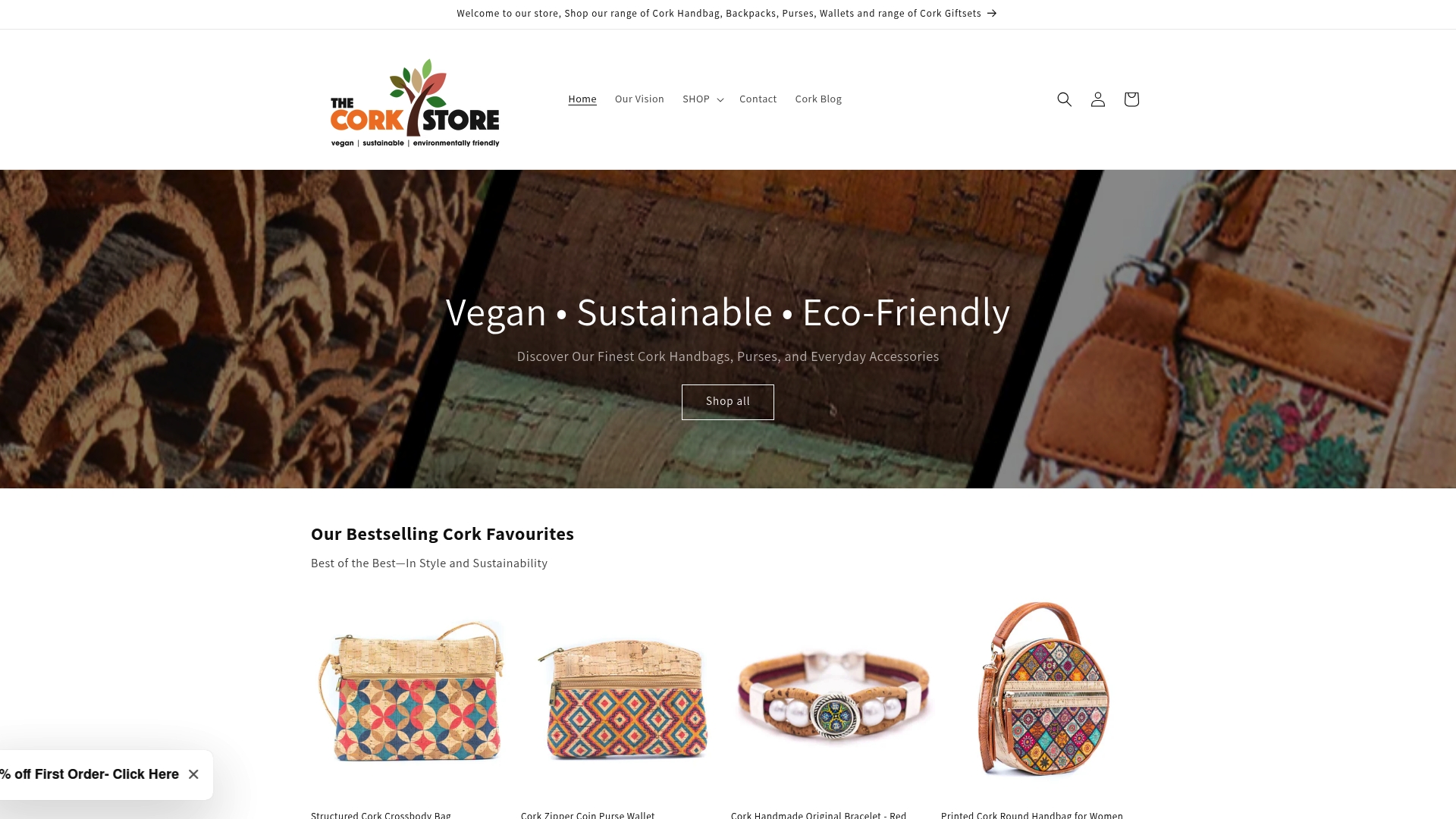
Our curated range showcases cork’s natural elegance whilst meeting the practical demands of daily life. Every accessory reflects commitment to renewable materials, ethical production, and durable craftsmanship that reduces long-term environmental impact. Explore the ultimate guide to vegan fashion alternatives to understand how cork transforms sustainable fashion from compromise to preference.
Whether you’re seeking eco-friendly gift ideas with vegan cork products or building a conscious wardrobe, The Cork Store provides options that align with your values without sacrificing aesthetic appeal. Detailed care guides ensure your sustainable accessories maintain quality throughout their extended lifespan.
Frequently asked questions
What is sustainable fashion and why is it important?
Sustainable fashion minimises environmental and social harm through responsible material selection, ethical production processes, and circular design principles. It’s crucial because the fashion industry generates 10% of global carbon emissions and 92 million tonnes of annual textile waste, making sustainable alternatives essential for reducing pollution and resource depletion.
How does cork compare to leather in sustainability?
Cork production uses significantly less energy and water than leather, with manufacturing requiring 60% less energy and 70% less water than leather processing. Cork harvesting preserves trees throughout their 200-year lifespan, whilst leather demands animal slaughter and introduces toxic tanning chemicals into water systems.
Are cruelty-free fashion accessories less durable or stylish?
Cork accessories match leather durability, lasting up to 10 years with proper care whilst remaining completely biodegradable. Modern sustainable design combines innovative materials with contemporary aesthetics, creating benefits of cork accessories that deliver both fashion-forward style and environmental responsibility without compromise.
How can consumers support sustainable fashion effectively?
Prioritise accessories crafted from renewable, cruelty-free materials like cork that demonstrate verifiable environmental benefits. Support brands offering transparent information about material sourcing, production methods, and environmental impact, ensuring your purchases drive genuine industry change towards sustainability.
Recommended
- How Cork Promotes Sustainability: Complete Guide – The Cork Store
- Environmental Impact of Cork – Sustainable Fashion Choice – The Cork Store
- Sustainable Fashion Guide: How Cork Bags Support Eco-Friendly Living – The Cork Store
- How to Spot Sustainable Materials for Eco-Friendly Fashion – The Cork Store