

Leather environmental impact: an evidence-first guide
Leather is not automatically “bad” or “fine” for the environment. The honest answer is that its footprint is high and heavily front-loaded, with the overwhelming majority of the damage happening before the hide ever reaches a tannery. According to the Leather Working Group’s 2024 LCA summary, producing 1 m² of finished leather generates a notable amount of CO2e, with the majority coming from upstream farming and slaughtering rather than tanning or finishing.
That single figure reframes most of the marketing debate around leather. Brands love to talk about “eco tanneries” and low-chrome processes, but the biggest lever by far is the cattle itself: how it was raised, what land it grazed, and what happened to the forest that used to stand there. On top of that, the Leather and Hide Council of America’s data cited by WWF shows that a substantial percentage of hides produced in the US in 2019 were burned or landfilled rather than used or turned into product at all. Waste at that scale, before you even factor in emissions, water and chemicals, tells you this is a material with real structural problems.
The main impact categories worth tracking are:
- Climate change (greenhouse gases, mostly from cattle farming)
- Land use and deforestation risk
- Water consumption and tannery wastewater pollution
- Chemical toxicity from tanning agents
- Biodiversity loss linked to ranching expansion
In one number: roughly two-thirds of leather’s global warming potential per square metre comes from the farm, not the factory.
Key Takeaways
Leather’s environmental impact is real and substantial, driven mainly by upstream cattle farming rather than tannery processing, and no single alternative is automatically cleaner across every measure.
| Point | Details |
|---|---|
| Farming dominates the footprint | Around 68% of leather’s global warming potential comes from upstream farming and slaughtering, not tanning. |
| Chemicals drive other categories | Tanning chemicals, not raw hides, are the biggest driver of abiotic depletion and freshwater ecotoxicity. |
| Waste is significant | A substantial percentage of US hides were burned or landfilled in 2019, indicating significant waste. |
| Traceability beats certification alone | Ask for named suppliers and LWG certification levels, not vague “responsibly sourced” claims. |
| Durability changes the maths | Thecorkstore’s cork accessories avoid livestock-linked land use and heavy chemical tanning while offering solid durability for everyday accessories. |
Table of Contents
- What counts as “leather” in an environmental impact assessment?
- Where do leather’s greenhouse gas emissions actually come from?
- How does leather production drive deforestation and biodiversity loss?
- How much water does leather use, and how polluting is tannery wastewater?
- What chemicals in leather tanning cause the most environmental harm?
- Why do leather LCA studies produce such different results?
- Can you trust leather industry sustainability certifications?
- What happens to leather at the end of its life?
- Which leather alternatives actually reduce environmental impact?
- Why does cork perform well against animal leather on several impact measures?
- How can you evaluate a brand’s leather sustainability claims?
- Balancing the evidence, the ethics, and the practical choice
- A lower-impact accessory option worth considering
- Further reading and primary sources
- Frequently asked questions
- Sources
What counts as “leather” in an environmental impact assessment?
“Leather” covers a wider range of products than most shoppers realise, and that range matters because each variant carries a different footprint. Full-grain leather uses the entire hide thickness and tends to last longest. Split leather is cut from the lower layers, often reinforced or coated, and generally wears out faster. Chrome-tanned leather (the vast majority of what’s sold globally) uses chromium salts for speed and flexibility. Vegetable-tanned leather uses plant tannins, takes longer to produce, and avoids chromium but isn’t automatically lower-impact once you account for water and land use.
Life Cycle Assessment (LCA) studies handle these variants differently depending on their system boundaries, and this is where a lot of confusing, contradictory claims about leather come from. A cradle-to-gate study stops at the factory door; it counts farming, slaughter, and tanning, but not what happens once the bag or jacket leaves the shop. A cradle-to-grave study follows the product all the way to disposal. A gate-to-gate study only measures what happens inside the tannery itself, which is why some tannery-funded reports can make leather look far cleaner than a full-chain study would.
A properly scoped assessment of leather’s footprint should include:
- Animal husbandry (feed, land, methane, water)
- Slaughter and hide collection
- Beamhouse operations (soaking, unhairing, liming)
- Tanning (chrome or vegetable)
- Finishing (dyeing, coating, embossing)
- Use phase (durability, care)
- End-of-life (landfill, incineration, recycling)
Pro Tip: When a brand quotes a carbon figure for leather, ask which of those seven stages it actually measured. A number that stops at “beamhouse to finishing” is leaving out the two-thirds of the impact that happens on the farm.
Where do leather’s greenhouse gas emissions actually come from?
The dominant source is enteric methane from cattle digestion, followed by feed production and land-use change from grazing or ranch expansion. This is why leather’s carbon footprint tracks so closely with beef farming’s, even though leather is technically a by-product of the meat industry. The LWG’s 2024 LCA puts the upstream farming and slaughtering share at approximately 68% of total global warming potential for 1 m² of finished leather, with post-tanning processes contributing far less to climate change specifically, even though they dominate other categories like ecotoxicity.
Variability between studies is enormous, and it’s driven by a handful of specific factors: how cattle are raised (grass-fed versus feedlot), whether land was recently cleared forest, how emissions are allocated between meat and hide as joint products, and which use-phase assumptions a study makes about garment lifespan. A Springer review of leather LCA literature documents exactly this problem: methodological inconsistencies and regional data gaps mean two “leather carbon footprint” studies can report very different numbers while both being technically correct.
| Impact driver | Typical share of GWP | Main cause |
|---|---|---|
| Animal husbandry & slaughter | ~68% | Enteric methane, feed, land-use change |
| Tanning & beamhouse | Lower for climate, high for ecotoxicity | Chemical inputs, energy use |
| Finishing & transport | Small but variable | Coatings, solvents, logistics |
| Use phase | Depends on durability assumptions | Product lifespan, care |
Carbonfact’s analysis of leather’s carbon impact reports a representative figure of around 22.48 kg CO2e per square metre, consistent with the LWG data, and notes that emerging frameworks like the GHG Protocol’s FLAG (Forest, Land and Agriculture) guidance are pushing brands to report land-use emissions separately rather than burying them in a single blended number. That shift matters because it stops companies from averaging away their worst supply-chain risk.
How does leather production drive deforestation and biodiversity loss?
Cattle ranching is one of the biggest drivers of tropical deforestation, and leather sits directly inside that supply chain. WWF’s analysis notes that cattle ranching is linked to a large share of deforestation in the Amazon, with land clearance often happening specifically to expand grazing capacity. Hides from that cattle can end up mixed into global leather supply chains long before anyone traces where the animal actually grazed.
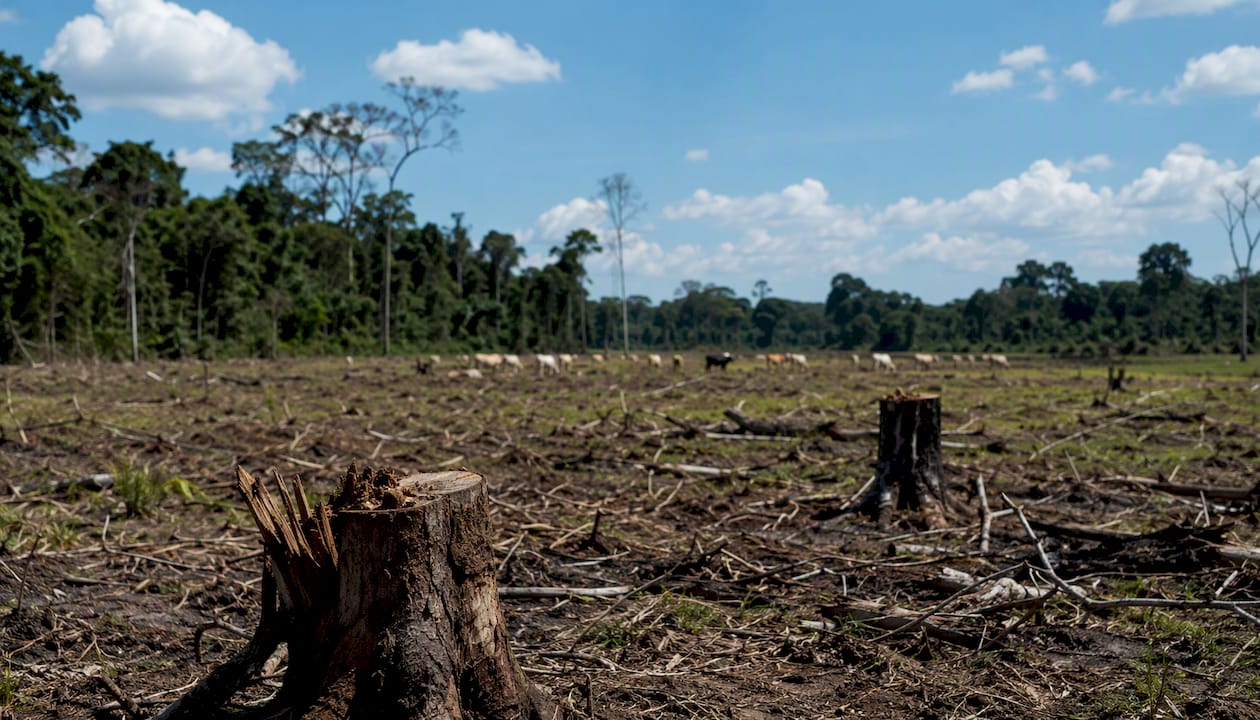
Traceability is the core problem here, not intent. A hide can pass through several intermediaries, a slaughterhouse, a broker, a tannery, before it’s stitched into a handbag, and at almost every stage the paper trail gets thinner. This is precisely why WWF frames supply-chain traceability as the leather industry’s central sustainability challenge rather than any single processing fix. A tannery can run a spotless, chrome-free operation and still be finishing hides that originated on illegally cleared land three years earlier.
The knock-on biodiversity consequences extend well beyond lost tree cover:
- Habitat fragmentation for native species as grazing land expands
- Increased wildfire risk from land-clearing burns
- Soil erosion and reduced water retention on converted pasture
- Loss of carbon-sequestering forest that took decades to establish
Pro Tip: If a brand can’t tell you which country, region, or ideally which ranch a hide originated from, treat any accompanying “sustainable leather” claim with real scepticism. Traceability gaps and deforestation risk go hand in hand.
How much water does leather use, and how polluting is tannery wastewater?
Leather is a genuinely water-intensive material, and the water problem splits into two distinct issues: how much is consumed, and how polluted the wastewater is when it leaves the tannery. Both matter, and they’re often reported separately in LCA studies, which is part of why “leather uses X litres of water” headlines can be misleading without context on which stage they’re measuring.
Water-intensive stages cluster in the beamhouse: soaking rehydrates dried or salted hides, liming removes hair and epidermis, and washing between chemical baths flushes out spent reagents. Tanning itself, whether chrome or vegetable, also demands substantial water for the chemical baths to penetrate the hide evenly.
| Process stage | Relative water intensity | Key concern |
|---|---|---|
| Soaking & beamhouse | High | Volume of fresh water required |
| Tanning (chrome/vegetable) | High | Chemical-laden effluent |
| Finishing & dyeing | Moderate | Dye and solvent residues |
| Washing between stages | Moderate to high | Cumulative discharge volume |
The pollution side is arguably the bigger environmental concern. Tannery effluent typically carries high biological oxygen demand, elevated salt content from curing, suspended solids, and, where chrome tanning is used, chromium compounds that are toxic to aquatic life at sufficient concentration. Treatment capacity varies enormously by region: some tanneries run full biological and chemical treatment plants, others discharge with minimal processing, and regulatory enforcement differs country to country in ways a finished handbag label will never disclose.
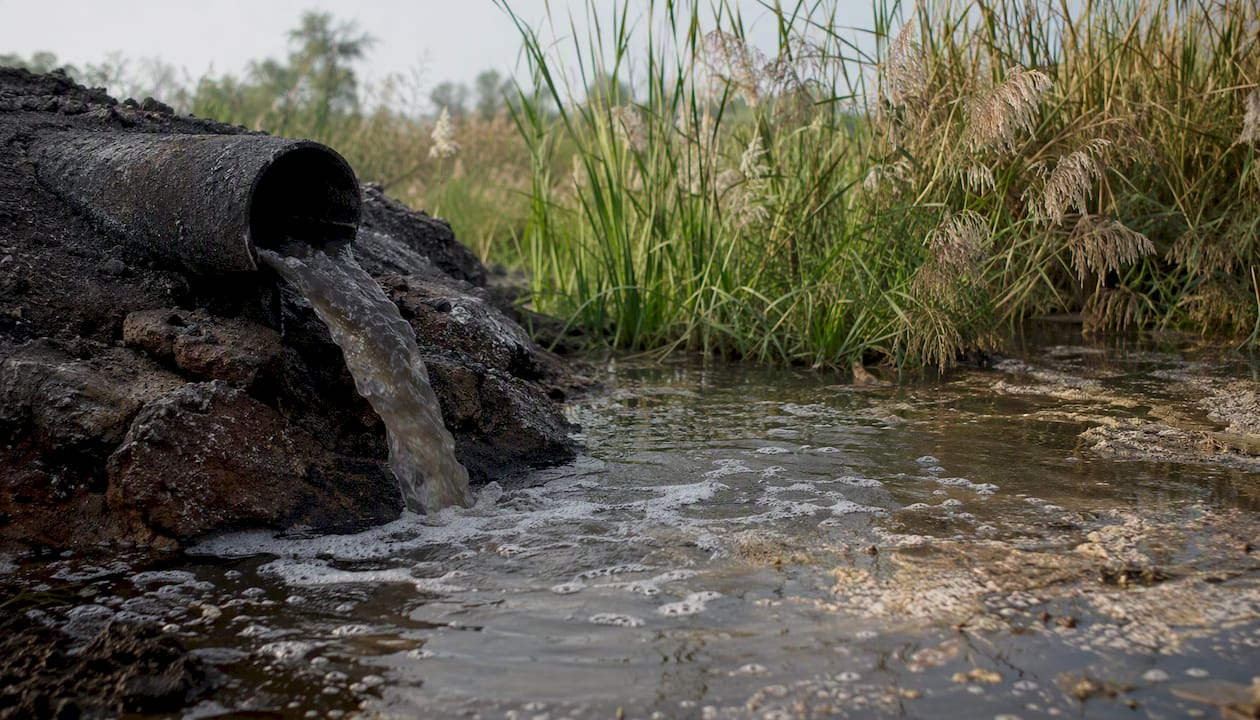
Pro Tip: Ask suppliers directly whether their tannery treats wastewater on-site or sends it to a shared municipal facility, and whether they can share third-party discharge test results. A brand with nothing to hide usually has this documentation ready.
What chemicals in leather tanning cause the most environmental harm?
Chemical inputs, not raw hide production, are now the single biggest driver of several key impact categories. A 2025 study in Discover Sustainability found that chemical usage is the most significant driver for impact categories like abiotic depletion and freshwater ecotoxicity, frequently outweighing the impact of the raw hide itself in those specific categories, and that chemicals contribute to every impact category except eutrophication, where farming inputs dominate instead.
The chemicals doing most of the damage are familiar to anyone who has looked closely at tannery operations. Chromium salts, used in roughly four out of five tanned leathers worldwide, can pose ecotoxicity risks if discharged untreated, and improperly managed chrome-tanning waste has been linked to soil and groundwater contamination near some tannery clusters. Sodium sulphide, used for unhairing, is corrosive and can generate toxic hydrogen sulphide gas if mishandled. Synthetic dyes and finishing solvents add further toxicity load, and the LWG’s own LCA work identifies post-tanning chemical and energy use as a major contributor to abiotic depletion and freshwater ecotoxicity specifically.
Mitigation approaches that genuinely move the needle include:
- Chrome-reduction or chrome-free (vegetable, aldehyde, or metal-free) tanning
- Closed-loop water recycling within the tannery
- Enzymatic unhairing instead of sodium sulphide baths
- Third-party audited wastewater treatment before discharge
- Circular chemistry programmes that recover and reuse tanning agents
Data point: chemical inputs, not the hide itself, are now the dominant driver of abiotic depletion and freshwater ecotoxicity in leather LCAs.
Pro Tip: Don’t assume “vegetable-tanned” automatically means low-impact. It avoids chromium, but it can still carry a high water and land footprint. Ask what specifically was reduced, not just what was avoided.
Why do leather LCA studies produce such different results?
Because allocation choices, data age, and regional variation can swing the numbers dramatically, and this is the single biggest source of confusion when comparing leather’s footprint to alternatives. Leather is a co-product of the beef industry, so every LCA has to decide how much of the farm’s total environmental burden gets allocated to the hide versus the meat. Some studies use economic allocation (based on relative market value), others use mass or biophysical allocation, and the choice can shift leather’s attributed share of farming emissions substantially in either direction.
The Springer LCA review documents further data gaps: many studies rely on outdated inventories, regional practices vary so much that a European tannery figure may not transfer to a South Asian one, and few peer-reviewed studies cover leather’s full end-of-life pathway. A more recent 2026 sectoral review reinforces the same conclusion and calls for unified, sector-specific databases rather than the current patchwork.
Three practical checks before trusting any leather LCA claim:
- Check the boundary. Does the study include farming, or does it start at the tannery gate?
- Check the allocation method. Economic allocation and mass allocation can produce very different “leather’s share” figures from the same farm data.
- Check the data vintage. A study built on ten-year-old tannery inventories may not reflect current chrome-recovery or wastewater practices.
Pro Tip: When a marketing claim cites “our leather has X% lower footprint,” ask for the underlying LCA report, not just the headline number. If they can’t share the boundary and allocation method, the figure isn’t verifiable.
Can you trust leather industry sustainability certifications?
Genuine progress and marketing spin both exist in this space, and telling them apart takes a bit of homework. The Leather Working Group audits tanneries against environmental performance criteria covering water use, energy, chemical management, and traceability, and awards ratings from bronze through to gold. An LWG-certified tannery has been independently assessed, which is more than most “eco leather” claims can say for themselves.
PEFCR, the Product Environmental Footprint Category Rules, is a separate but complementary initiative aimed at standardising how environmental footprints get calculated and reported across a category, so that one brand’s “low-impact leather” claim can actually be compared against another’s using the same methodology. It exists precisely because the allocation and boundary problems described above have made leather LCA claims so hard to compare.
Sectoral LCA benchmarks like the LWG study give brands a consistent standard to be measured against, which is valuable precisely because so much of the rest of the industry’s environmental messaging isn’t independently checked at all.
Common greenwashing tactics worth watching for:
- Vague language like “eco leather” or “responsibly sourced” with no named certification
- Citing a single favourable impact category while ignoring others (touting low water use while ignoring high emissions)
- Marketing claims with no boundary or allocation disclosure
- No named tannery, region, or supplier anywhere in the sourcing story
Trust signals that indicate a brand is actually doing the work include a named LWG certification level, published LCA summaries with clear boundaries, disclosed supplier names, and third-party audit reports rather than self-issued claims.
What happens to leather at the end of its life?
Most leather goods end up in landfill or incineration, and true material recycling remains limited, largely because chrome-tanned leather is difficult to break down and reuse without specialised processing. This is a structural weakness in the material’s circularity story that certification schemes don’t fully address, since they focus on production impact rather than what happens after the product is discarded.
There are promising developments, though still early-stage. The Springer LCA review documents leather-waste valorisation projects, including converting fleshings (the fatty tissue trimmed from hides) into biodiesel, with one case study finding lower global warming potential than fossil diesel, and protein hydrolysate extraction for use in other industries. These remain niche applications relative to the volume of leather waste generated worldwide.
The technology to give leather waste a second life exists in pockets, but the evidence base is thin, and most tanneries still send offcuts and end-of-life goods to landfill or incineration by default.
Brands genuinely serious about circularity can act on a few fronts: eco-design that minimises offcuts at the cutting stage, formal take-back schemes for worn-out goods, and clear labelling that tells the customer what to do with the product once it’s finished, rather than leaving disposal entirely to guesswork.
Which leather alternatives actually reduce environmental impact?
No alternative is automatically “greener” across every category, and the honest comparison depends on what you’re making and how long it needs to last. Plant-based leathers (from mushroom mycelium, cactus, apple waste, or pineapple leaf fibre) generally avoid livestock farming’s methane and land-use burden, but many still rely on polyurethane coatings for durability, which reintroduces a fossil-based component. PU and PVC synthetics are usually lower in upfront water use and avoid animal agriculture entirely, but they’re petroleum-derived, don’t biodegrade, and tend to wear out faster than good-quality leather, which matters enormously in a per-use comparison. Recycled leather (bonded leather fibre) diverts tannery waste from landfill, but often uses adhesives and coatings that complicate recycling further down the line. Cork sits in its own category: a plant-based, renewable bark material with low chemical processing needs and strong natural durability for smaller accessories.
| Comparison dimension | Plant-based leather | PU/PVC synthetic | Recycled leather | Cork |
|---|---|---|---|---|
| Global warming potential | Generally lower than animal leather | Lower upfront, fossil-based | Moderate, depends on binder | Low, minimal processing |
| Water use | Low to moderate | Low | Moderate | Low |
| Ecotoxicity | Depends on coating chemistry | Moderate (solvents, plasticisers) | Depends on adhesives used | Low |
| Traceability | Improving, still developing | Generally straightforward | Variable | High, bark harvest is visible and non-destructive |
| Circularity / end-of-life | Limited, coatings complicate breakdown | Poor, does not biodegrade | Limited by adhesives | Good, cork is biodegradable and renewable |
The durability point deserves more weight than most “eco material” comparisons give it. A Discover Sustainability study and related LCA literature make the same underlying point in different ways: a material with a genuinely long service life can outperform a “lower impact” material that fails within a year and needs replacing twice over. Buying one durable bag beats buying three flimsy ones on almost every environmental metric, regardless of what either is made from.
A quick way to compare the trade-offs before buying:
- Ask how long the material is expected to last under normal use.
- Check whether the alternative uses a plastic coating for durability.
- Check whether the manufacturer publishes any LCA data at all.
- Consider whether the item is repairable, or disposable once damaged.
Pro Tip: Durability and repairability usually matter more to your real-world footprint than any single “eco” label on the swing tag. A leather alternative that lasts half as long isn’t actually the lower-impact choice.
For a closer look at how cork specifically stacks up against animal leather across these categories, see Thecorkstore’s comparison of cork and leather.
Why does cork perform well against animal leather on several impact measures?
Cork’s material profile avoids most of the problems that make leather’s footprint so high in the first place. It’s harvested from the bark of the cork oak (Quercus suber) without felling the tree, which regenerates its bark over roughly nine years and continues absorbing carbon throughout its lifespan, often exceeding 150 years. There’s no livestock farming, no enteric methane, no land-clearing for grazing, and none of the deforestation traceability risk that dogs cattle-derived hides. Processing is comparatively simple: cork is boiled, dried, and pressed, with none of the chrome-tanning or intensive chemical baths that drive leather’s ecotoxicity and abiotic depletion figures.
That doesn’t mean cork wins on every single metric in every application, and it would be misleading to claim otherwise. But for the product categories where it’s typically used, wallets, purses, small bags, and lightweight accessories, cork tends to outperform animal leather on land use, chemical intensity, and traceability, while offering comparable durability for these lighter-use applications. It’s a genuinely different profile from a synthetic PU alternative too, since cork biodegrades naturally at end-of-life rather than persisting as microplastic waste.
Thecorkstore publishes cork accessories built around this material logic, and readers interested in the detail can see the fuller cork versus leather breakdown or the cork wallet durability discussion for how the material holds up over time.
When assessing cork quality yourself, a few things separate a well-made piece from a flimsy one:
- Bark thickness, which affects both durability and flexibility
- Finish quality, since a poor coating can crack or peel prematurely
- Backing material, often a cotton or recycled fabric layer that affects longevity
- Supplier transparency about harvest region and processing method
Pro Tip: Genuine cork has a slightly grained, natural texture with visible variation between panels. A perfectly uniform, plastic-smooth “cork-look” product is usually a printed synthetic imitation, not real cork bark.
How can you evaluate a brand’s leather sustainability claims?
A short list of direct questions will expose most vague marketing within thirty seconds, and it’s worth keeping this list handy whether you’re leather-shopping or comparing alternatives.
Ask these questions before trusting any sustainability claim:
- Where did the hide originate, and can you name the country or region?
- Is the tannery LWG-certified, and at what level (bronze, silver, or gold)?
- How is tannery wastewater treated, and is there third-party test data?
- If an LCA is cited, what system boundary and allocation method did it use?
- Is the leather chrome-tanned, chrome-free, or vegetable-tanned, and why?
Credible answers name specific facts: a region, a certification level, a treatment method, a document you can actually request. Vague answers lean on adjectives instead of evidence, “responsibly sourced,” “eco-conscious,” “sustainably made”, with nothing underneath them.
Quick verification steps worth running yourself:
- Search the tannery or supplier name directly rather than trusting the brand’s own summary.
- Look for a published LCA summary with a stated boundary (cradle-to-gate versus cradle-to-grave).
- Check whether audit reports or certification levels are named, not just implied.
- Compare the claim against WWF’s documented deforestation-traceability concerns for the region in question.
For readers weighing whether to move away from animal leather altogether, Thecorkstore’s guide on avoiding animal leather walks through the practical side of that decision. And if your interest runs toward interiors rather than fashion accessories, HideRugs’ guide to cowhide sourcing is a useful reference point for how hide traceability questions play out in that adjacent market.
Balancing the evidence, the ethics, and the practical choice
The LCA evidence and the ethical case against leather point in largely the same direction, but for slightly different reasons, and it’s worth being honest about both rather than picking whichever argument is more convenient. The data says the biggest problem is upstream, cattle farming, deforestation risk, and methane, more than anything happening inside a tannery. The ethical case is about the animal itself, independent of any carbon figure. You don’t need both arguments to reach the same practical conclusion, but recognising they’re distinct helps you spot when a brand is answering one while dodging the other.
What actually shifts outcomes, in my view, is durability and traceability, not whichever material carries the shinier “eco” label this season. A cork wallet that lasts eight years and came from a bark harvest you can trace to a specific region beats a “vegan leather” alternative that’s really just polyurethane and falls apart in eighteen months. My own buying priority, for what it’s worth, is simple: ask where it came from, ask how long it’s built to last, and only then ask what it’s made of.
A lower-impact accessory option worth considering
If you’ve read this far, you already know the leather alternatives conversation has real trade-offs, plant-based coatings, synthetic durability questions, recycled leather’s adhesive problem. Thecorkstore’s position in that conversation is straightforward: cork accessories sidestep the two biggest structural issues this article has laid out, livestock-linked land use and chrome-tanning chemical intensity, while holding up well for everyday carry.
Thecorkstore’s range covers handbags, wallets, purses, backpacks, and gift sets, each made from cork bark harvested without felling the tree. This article isn’t a substitute for running your own full LCA comparison between specific products, and the checklist above is exactly the tool to use if a brand’s claims (including ours) need scrutinising. If you want to see how the material performs in a wallet you’d actually carry daily, browse Thecorkstore’s cork accessories and check the product details against the questions in this guide.
Further reading and primary sources
The technical reports behind this article are worth reading directly if you want to check boundaries, allocation methods, and data vintage for yourself, exactly the checks recommended earlier.
- LWG Life Cycle Assessment summary (2024) for the core GWP and impact-category figures cited throughout
- WWF’s overview of leather’s environmental impact for deforestation linkage and hide-waste statistics
- Springer’s 2025 study on chemical drivers in leather LCAs for the ecotoxicity and abiotic depletion data
- Springer’s review of LCA and leather production for methodological challenges and circularity case studies
- Carbonfact’s analysis of leather’s carbon impact for regulatory context including the EU Deforestation Regulation
When reading any of these yourself, check three things first: what system boundary the study uses (cradle-to-gate or cradle-to-grave), what allocation method it applies to split farming impacts between meat and hide, and how recent the underlying data actually is.
Frequently asked questions
Is leather worse for the environment than synthetic alternatives? It depends on the impact category and the product’s expected lifespan. Leather typically carries a higher climate and land-use footprint due to cattle farming, while synthetics avoid that but bring fossil-based inputs and poor end-of-life biodegradability. A durable leather item can outperform a short-lived synthetic one overall.
What is the biggest environmental problem with leather production? Chemical use in tanning is the dominant driver for other categories like ecotoxicity.
Does LWG certification guarantee leather is sustainable? It guarantees the tannery has been independently audited against defined environmental criteria covering water, energy, chemicals, and traceability. It’s a meaningful trust signal, though it doesn’t cover every stage of the supply chain back to the farm.
Is cork actually more sustainable than leather? For small accessories like wallets and bags, cork generally scores better on land use, chemical intensity, and traceability, since it’s harvested from bark without felling trees or requiring livestock farming. Overall sustainability still depends on the specific product and how long it lasts in use.
Can old leather goods be recycled? Material recycling of chrome-tanned leather remains limited. Most worn-out leather goods go to landfill or incineration, though niche valorisation projects, such as converting fleshings into biodiesel, are emerging as documented in recent LCA literature.
Sources
- What is the environmental impact of leather? | World Wildlife Fund
- Springer article (2025) on chemicals as an environmental driver in leather LCAs
- The Life Cycle Assessment of Leather | Carbonfact