
List of cruelty-free accessories: 2026 guide
TL;DR:
- Cruelty-free accessories are made without animal products or testing, and many brands now prioritize transparency and ethical sourcing.
- Natural bio-based materials like cork, mycelium, and Piñatex replace traditional leather, offering biodegradable alternatives.
- Verified certifications from organizations like PETA and Leaping Bunny ensure genuine cruelty-free claims in the market.
Cruelty-free accessories are fashion items made without animal products, animal testing, or animal-derived components at any stage of production. The term is increasingly used alongside “ethical fashion accessories,” a broader industry phrase that covers supply chain transparency, fair labour, and environmental impact. Demand for these products is growing fast, driven by certifications from organisations such as PETA and Cruelty Free International, which set the standards brands must meet to carry cruelty-free labelling. This guide covers the full list of cruelty-free accessories available in 2026, the materials behind them, and how to shop without being misled by greenwashing.
1. What is a list of cruelty-free accessories?
A list of cruelty-free accessories covers every wearable item, from bags and wallets to belts, jewellery, and scarves, that contains no animal-derived materials and was produced without animal testing. Cruelty-free accessory categories encompass handbags, wallets, belts, sunglasses, jewellery, and emerging items like faux fur scarves and hats. That breadth matters because shoppers often assume only bags and shoes qualify, when in fact almost every accessory category now has credible animal-free options.
The distinction between “vegan” and “cruelty-free” is worth understanding clearly. A vegan label means no animal products are present. A cruelty-free label means no animal testing occurred either. The strongest products carry both claims, verified by a third-party body. Thecorkstore, for example, builds its entire range around cork, a material that is harvested without harming the tree and requires no animal inputs whatsoever.
2. Key types of cruelty-free materials
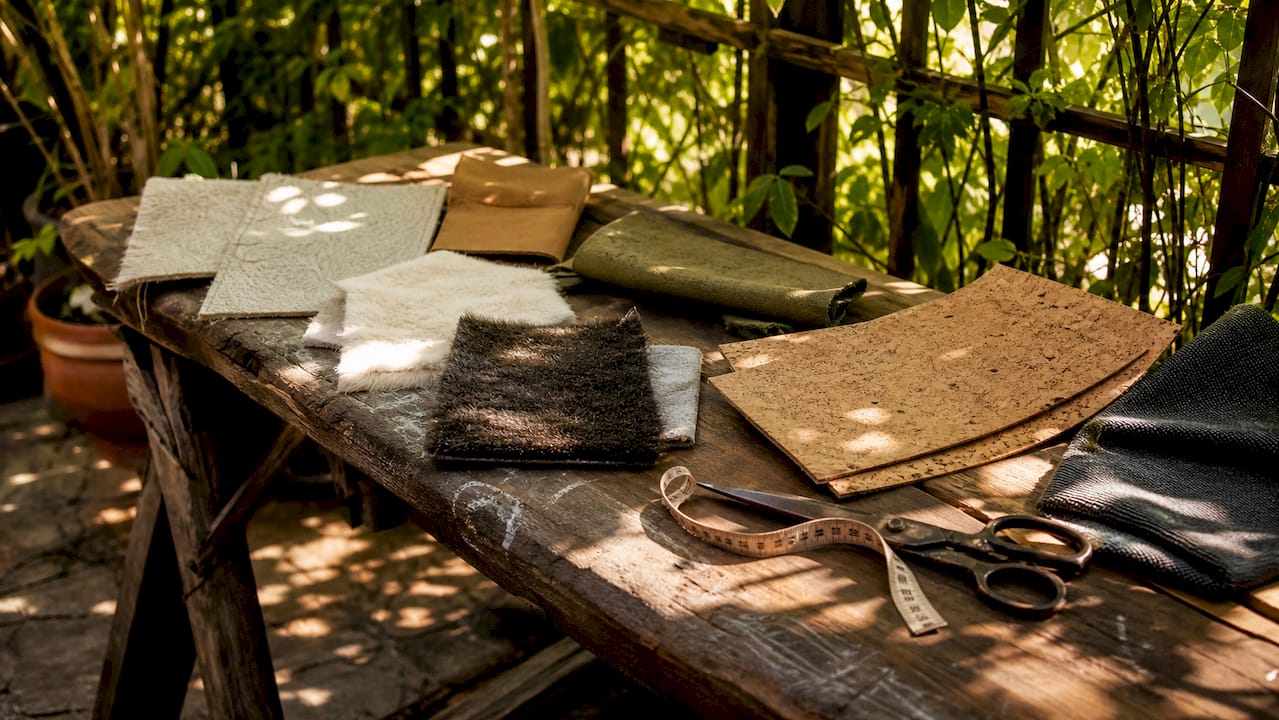
Bio-based leather alternatives like mycelium, Piñatex, Desserto, and apple-waste leather are replacing plastic-based vegan leathers. They offer durability comparable to traditional leather with a lower carbon footprint. Each material has a distinct character worth knowing before you buy.
The main bio-based options:
- Mycelium leather is grown from mushroom roots. It is soft, breathable, and fully compostable at end of life.
- Piñatex is made from pineapple leaf fibres, a byproduct of pineapple farming. It has a textured, canvas-like finish.
- Desserto is derived from the nopal cactus and is partially biodegradable. It handles heat and humidity well.
- Apple-waste leather uses apple pomace left over from juice production. It is lightweight and works well for small goods like card holders.
- Cork is harvested from the bark of cork oak trees without cutting them down. It is naturally water-resistant, lightweight, and biodegradable.
Recycled synthetics such as rPET (plastic bottles spun into fabric) are also common in cruelty-free accessories. They divert waste from landfill but are not biodegradable, so they sit below bio-based materials on the sustainability scale.
Plant-based fur alternatives from hemp, nettle, and plant sugars are gaining prominence on runways, moving beyond synthetic faux furs to bio-based, compostable options. These are now appearing in scarves, hat trims, and jacket collars.
Pro Tip: Avoid accessories labelled simply as “vegan leather” without a named material. PU and PVC plastics qualify as vegan but are petroleum-based, non-biodegradable, and far less sustainable than bio-based alternatives.
| Material | Source | Biodegradable? | Best used for |
|---|---|---|---|
| Mycelium | Mushroom roots | Yes | Bags, wallets |
| Piñatex | Pineapple leaf fibre | Partially | Bags, footwear |
| Desserto | Cactus | Partially | Bags, belts |
| Cork | Cork oak bark | Yes | Wallets, bags, accessories |
| rPET | Recycled plastic bottles | No | Linings, straps |
3. Which brands lead the cruelty-free accessories movement?
Leading cruelty-free accessory brands include Stella McCartney, Matt & Nat, Doshi, Svala, LaBante London, and O My Bag, all of which prioritise transparency and social impact. Several donate a portion of revenue to animal shelters, making the purchase extend beyond the product itself.
What separates credible brands from greenwashers is transparency. The best brands publish supply chain reports, name every material used, and confirm that adhesives are synthetic rather than animal-derived. Some cruelty-free accessories still use traditional glues containing animal-derived collagen, which undermines an otherwise vegan product. Checking the adhesive is a step most shoppers skip.
Modular design is another marker of a serious cruelty-free brand. Replaceable soles and modular design features help extend the lifespan of cruelty-free accessories, combating the throwaway culture linked to fast fashion. Brands that build products to last are making a stronger ethical statement than those that simply swap leather for plastic.
Thecorkstore sits firmly in this category. Its cork bags, wallets, and accessories are made from a single traceable natural material, with no animal inputs and no petroleum-based synthetics. For shoppers wanting a 2026 UK eco-fashion overview of where to buy, that guide covers the retail options in detail.
4. How to identify truly cruelty-free accessories when shopping
Spotting a genuinely cruelty-free product takes more than reading the front label. Certifications from animal rights organisations provide essential verification for cruelty-free claims and guide responsible consumer choices. PETA’s “Approved Vegan” logo and the Leaping Bunny programme are the two most widely recognised marks in the UK.
Follow these steps when evaluating a product:
- Check for a named certification. PETA or Leaping Bunny logos on the product or brand website confirm third-party verification.
- Identify the material by name. “Vegan leather” is not a material. Mycelium, Piñatex, Desserto, cork, and MIRUM are materials. If the brand cannot name the material, that is a warning sign.
- Ask about adhesives. Avoiding animal-derived adhesives is essential for true cruelty-free products. Brands using synthetic or plant-based adhesives will say so clearly.
- Read the supply chain statement. Credible brands publish where materials are sourced and processed. A missing supply chain statement is a red flag.
- Distinguish vegan from biodegradable. Not all vegan accessories are sustainable. Petroleum-based synthetics are vegan but not biodegradable. Bio-based materials like cork and mycelium are both.
Pro Tip: Search the brand name alongside “supply chain transparency” or “material sourcing” before buying. Brands with nothing to hide make this information easy to find.
5. Types of cruelty-free accessories you can buy now
The range of ethical fashion accessories available in 2026 is wider than most shoppers realise. Plant-based leather alternatives are commonly used for handbags, footwear, and fashion accessories, with materials including pineapple leaf fibre, mushroom leather, and grape-based synthetics. Each category below has strong options at multiple price points.
Handbags and backpacks are the most developed category. Cork, mycelium, and Piñatex bags are available from independent brands and larger retailers. Thecorkstore’s cork handbags are a strong example: lightweight, water-resistant, and made from a single traceable natural material. For a broader look at what is available, the stylish vegan accessories guide covers collections made from next-generation biodegradable materials.
Wallets and card holders work particularly well in cork and apple-waste leather. Both materials are thin enough for slim wallet construction and durable enough for daily use. Cork wallets from Thecorkstore are among the most popular products in the UK cruelty-free accessories market.
Jewellery is an often-overlooked category. Recycled metals, lab-grown gemstones, and synthetic alternatives to bone or shell make fully cruelty-free jewellery straightforward to find. For a thorough breakdown of what to look for, the sustainable jewellery guide from Australian Opal Direct covers material sourcing and brand transparency in detail.
Belts and sunglasses are now widely available in cork, Desserto, and rPET. Cork belts in particular have a natural grain that improves with age, unlike plastic alternatives that crack.
Scarves and hats represent the newest frontier. Bio-based fur alternatives from hemp, nettle, and plant sugars are appearing in hat trims and scarf textures, offering warmth and tactile quality without any animal content.
Innovative fabric techniques like fraying recycled denim and stitching plant-based textiles are also driving creative cruelty-free fashion beyond simple leather analogues. The category is genuinely expanding, not just substituting.
6. What to expect from bio-based materials in practice
Bio-based materials like mycelium and fruit leathers have batch-specific characteristics and may differ in texture and durability from conventional leather. That is not a flaw. It is a feature of natural production, similar to how grain varies in wood furniture. Shoppers who understand this buy with realistic expectations and are far more satisfied with their purchases.
Cork is the most consistent of the bio-based options. Because it is a bark product rather than a grown or fermented material, its texture and density are highly predictable. Thecorkstore’s products demonstrate this: the cork surface is uniform enough for everyday use while retaining the natural warmth that synthetic materials cannot replicate.
Care for bio-based accessories is straightforward. Wipe cork and fruit leathers with a damp cloth. Avoid prolonged exposure to direct sunlight, which can fade plant-based dyes. Store bags stuffed with tissue paper to maintain shape. These materials do not require the conditioning oils that traditional leather needs, which is another practical advantage.
Key takeaways
Cruelty-free accessories are defined by named bio-based materials, verified certifications, and supply chains free from animal products and animal testing.
| Point | Details |
|---|---|
| Name the material | “Vegan leather” is not a material; always ask for the specific bio-based source. |
| Check adhesives | Animal-derived glues undermine cruelty-free claims; confirm synthetic alternatives are used. |
| Prioritise certifications | PETA and Leaping Bunny logos confirm third-party verification of cruelty-free status. |
| Bio-based beats synthetic | Cork, mycelium, and Piñatex are biodegradable; rPET and PU are not. |
| Modular design extends life | Products built for repair and longevity reduce waste beyond the material choice alone. |
Aaron’s view: why material honesty matters more than the vegan label
The cruelty-free accessories space has matured enormously, but it still has a greenwashing problem. I have handled dozens of products labelled “vegan” that were essentially plastic bags with a conscience-friendly sticker. The label tells you what is absent. It does not tell you what is present.
What I find genuinely exciting is the shift toward named materials with traceable origins. Cork is the clearest example. You can visit a cork oak forest in Portugal, watch the bark being stripped by hand, and trace that material directly to a finished wallet. That level of transparency is rare in fashion and should be the standard, not the exception.
My practical advice: treat the material name as the most important piece of information on any cruelty-free product. If a brand cannot or will not name it, walk away. The brands worth supporting are the ones that lead with the material, not the marketing.
The ethical fashion guide from Thecorkstore makes this point well. Cruelty-free purchasing is not just about avoiding harm. It is about actively choosing materials that do good.
— Aaron
Cruelty-free cork accessories from Thecorkstore
Thecorkstore specialises in accessories made entirely from natural cork, one of the most traceable and biodegradable materials in ethical fashion. Every product is vegan, cruelty-free, and built to last.
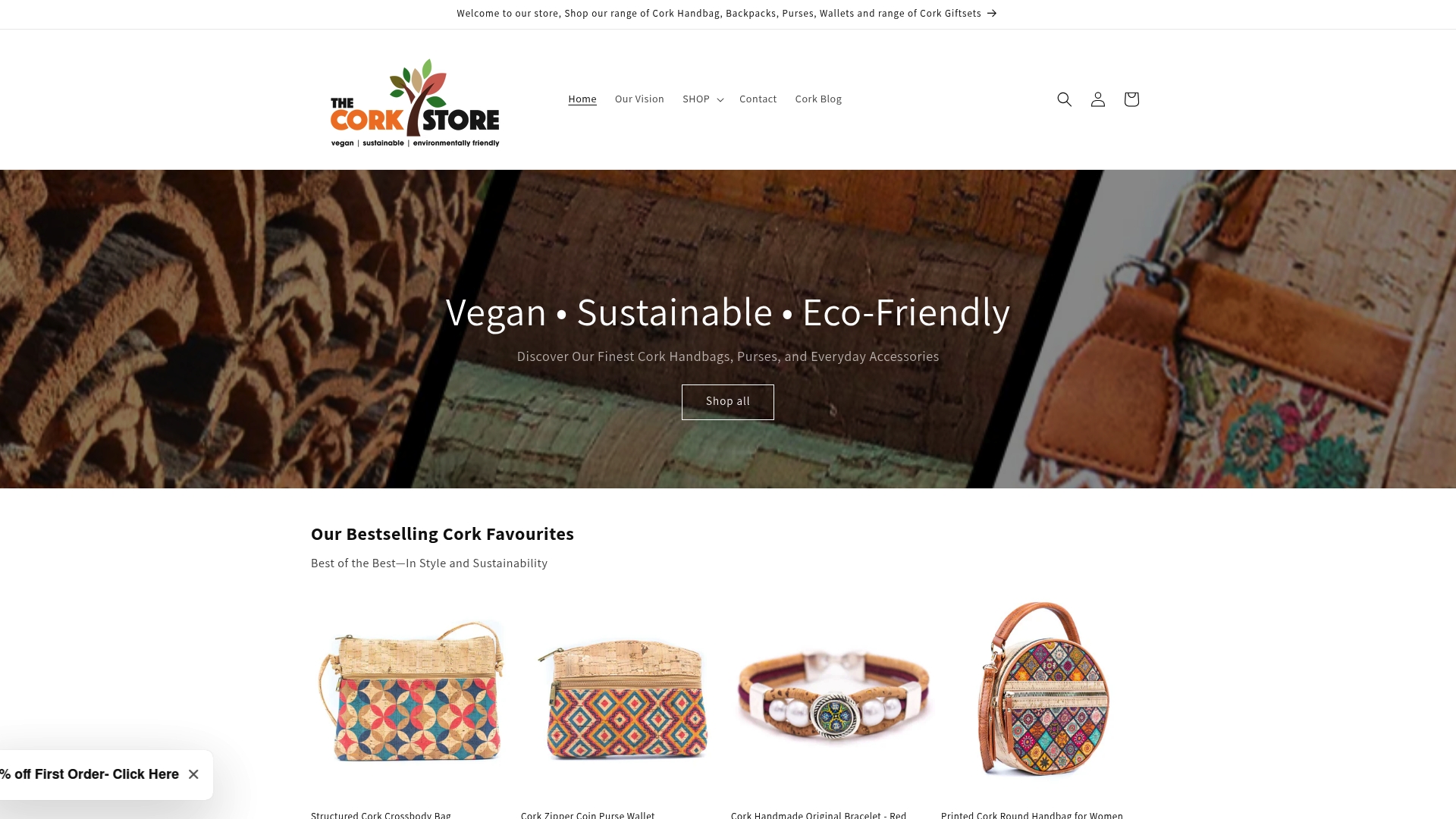
The cork wallet gift set is a strong starting point: compact, water-resistant, and made without a single animal-derived component. For a wider selection, the vegan cork gift collection covers bags, purses, and accessories suited to every occasion. Thecorkstore publishes full material sourcing information, so you always know exactly what you are buying and where it came from.
FAQ
What makes an accessory truly cruelty-free?
A truly cruelty-free accessory contains no animal-derived materials and was produced without animal testing, including the adhesives used in construction. Third-party certification from PETA or Leaping Bunny confirms these claims independently.
Is cork a cruelty-free material?
Cork is one of the most credible cruelty-free materials available. It is harvested from the bark of living cork oak trees without cutting them down, requires no animal inputs, and is fully biodegradable.
What is the difference between vegan and cruelty-free?
Vegan means no animal products are present in the finished item. Cruelty-free means no animal testing occurred at any stage. The strongest accessories carry both labels, verified by a recognised certification body.
Are all vegan accessories sustainable?
Not all vegan accessories are sustainable. Petroleum-based synthetics like PU and PVC are vegan but non-biodegradable. Bio-based materials such as cork, mycelium, and Piñatex are both vegan and biodegradable, making them the stronger choice for eco-conscious shoppers.
Where can I buy cruelty-free accessories in the UK?
Thecorkstore offers a curated range of cork-based cruelty-free accessories available online in the UK. For a broader overview of cruelty-free accessory ideas, that guide covers brands prioritising supply chain transparency across multiple product categories.