

Cruelty-free accessory ideas for eco-conscious style
TL;DR:
- Cruelty-free accessories are made without animal harm, using vegan and recycled materials. The market offers stylish, ethical options like vegan leather, botanical fabrics, and upcycled products. Quality and durability now define cruelty-free luxury, reflecting a shift toward sustainable and honest fashion choices.
Cruelty-free accessories are defined as items made without animal harm, exploitation, or by-products, using materials such as vegan leather, botanical fibres, and upcycled components instead. The term sits within the broader industry vocabulary of ethical fashion and compassionate fashion choices, where material integrity matters as much as aesthetics. From structured totes crafted in water-based polyurethane to cork earrings with surgical steel wires, the range of cruelty-free accessory ideas available in 2026 is wider and more stylish than ever. Brands like Elvis & Kresse and Cravn Jewelry prove that choosing ethically does not mean compromising on quality or design. This guide covers the best options across bags, scarves, jewellery, and watches for eco-conscious shoppers.
1. What are the top cruelty-free accessory ideas in vegan leather?
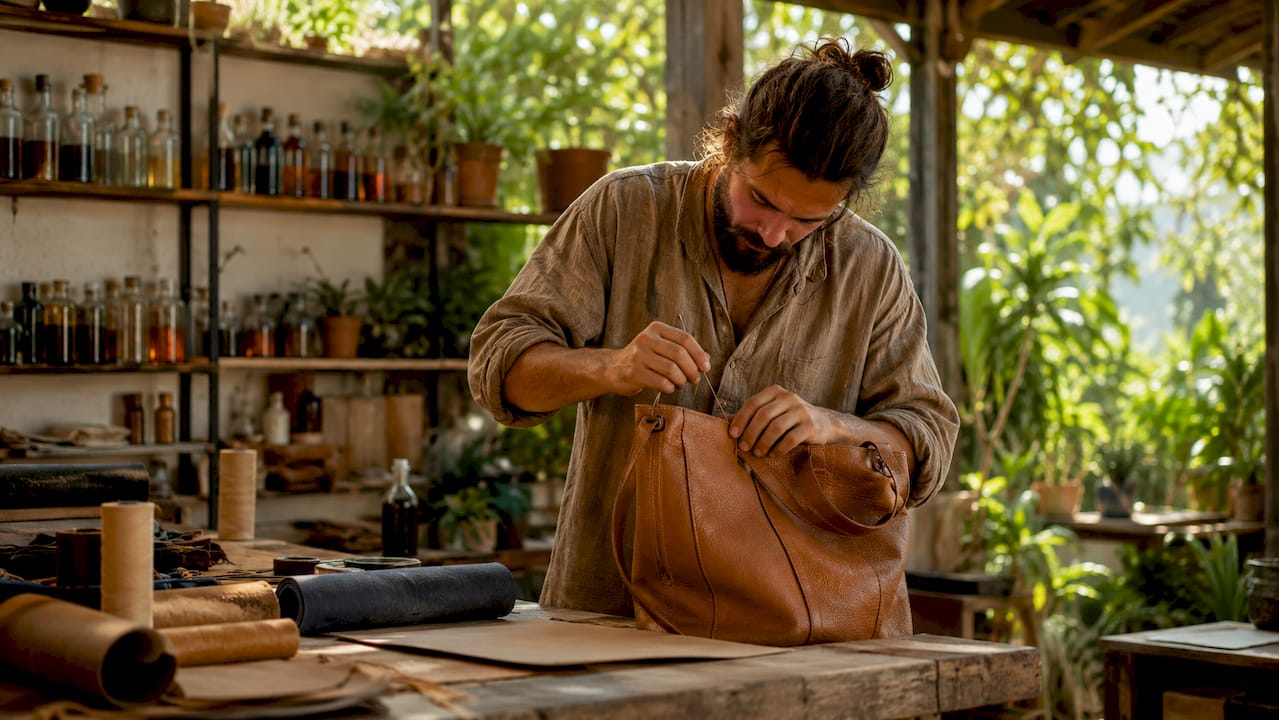
The US vegan leather market is projected to reach $48.3 billion by 2035, with 40% of luxury brands now offering vegan leather product lines. That figure reflects a genuine shift in consumer demand, not a passing trend. Vegan leather accessories have moved from niche to mainstream, and the quality gap with animal leather has closed considerably.
Structured totes and mini top-handle bags lead the 2026 US market, priced from $195 to $1,295 and $100 to $280 respectively. These styles combine practicality with a polished finish that suits both professional and casual settings. Materials driving this category include water-based polyurethane, microfibre, and croc-embossed finishes that replicate the texture of animal leather without the ethical cost.
- Structured totes: Spacious, durable, and available in neutral tones that work across seasons.
- Mini top-handle bags: Compact and refined, ideal for evenings or minimalist daily carry.
- Crossbody bags: Lightweight and hands-free, often made in microfibre with adjustable straps.
- Clutch wallets: Slim profiles in water-based PU, frequently featuring card slots and zip pockets.
Pro Tip: When shopping vegan leather bags, check the lining material too. Many bags use silk or suede linings that contain animal products, so look for cotton, recycled polyester, or plant-based alternatives.
2. How do botanical and bio-based materials offer cruelty-free luxury?
2026 cruelty-free accessories feature botanical silk alternatives including TENCEL Luxe, Lyocell, cactus leather (Desserto), and pineapple leather (Piñatex). These materials deliver a luxury feel with a circular, cruelty-free production story. They represent the most significant material shift in sustainable fashion accessories over the past three years.
TENCEL Luxe is a Lyocell fibre produced in a closed-loop process, meaning the solvents used in manufacturing are recaptured and reused. It mimics the drape and sheen of silk without involving silkworms. Desserto, made from the Nopal cactus plant in Mexico, produces a supple leather alternative that requires minimal water and no irrigation beyond natural rainfall.
Piñatex, derived from pineapple leaf fibre, has become a popular trim material for bags and scarves. It uses agricultural waste that would otherwise be discarded, making it a genuinely circular option. Recycled satin trims and plant-based leather labels elevate vegan scarves and accessories to luxury status in 2026, proving that sustainability credentials and aesthetics are not in conflict.
- TENCEL Luxe scarves: Silky drape, biodegradable, and produced without animal harm.
- Desserto cactus leather trims: Durable, flexible, and water-resistant for bag handles and edging.
- Piñatex panels: Textured, breathable, and made from agricultural by-product.
- Peace silk blends: Produced without killing the silkworm, offering a protein fibre feel for those who accept insect-derived materials under strict welfare conditions.
3. Which upcycled accessories exemplify cruelty-free sustainable luxury?
Upcycling bypasses the environmental cost of producing new raw materials entirely. It takes what already exists and gives it a longer, more purposeful life. For eco-conscious shoppers, this is one of the most compelling arguments in sustainable fashion accessories.
Elvis & Kresse is the clearest example of this approach done at a high level. The brand makes bags and wallets from rescued fire hoses decommissioned by the London Fire Brigade, lined with reclaimed parachute silk and finished with rescued leather offcuts. Each piece carries a traceable material story that mass-market brands cannot replicate. The brand also donates 50% of profits from its fire-hose range to the Fire Fighters Charity.
Upcycled accessories often include lifetime repair services as a core value proposition, differentiating genuine sustainable products from mass-market alternatives. Elvis & Kresse offers exactly this. A bag that can be repaired indefinitely does not end up in landfill, which is the most direct measure of a product’s true environmental impact.
“Upcycling materials such as decommissioned fire hoses and leather offcuts creates high-end accessories with a reduced environmental footprint and increased product lifespan.”
The charity donation aspect reinforces the ethical values behind the purchase. Buying an upcycled accessory from a brand like Elvis & Kresse is not just a style choice. It is a direct contribution to both environmental and social causes. For shoppers seeking sustainability in accessory design, upcycled pieces represent the gold standard.
4. What eco-friendly jewellery ideas combine style with animal welfare?
Eco-friendly jewellery ideas are one of the most overlooked categories in cruelty-free fashion. Most shoppers focus on bags and clothing, but jewellery carries its own set of ethical considerations around materials, sourcing, and finishing.
Cork and brass earrings with surgical steel ear wires from Cravn Jewelry offer a lightweight, hypoallergenic option that is entirely cruelty-free. Cork is harvested from the bark of cork oak trees without cutting them down, making it one of the most sustainable materials available. Brass is a durable, recyclable metal that ages well and requires no animal-derived polishing compounds.
True cruelty-free accessories require attention to details like surgical steel for ear wires, plant-based labels, and reclaimed cotton or parachute silk linings. This level of material integrity is what separates genuinely ethical jewellery from pieces that are merely marketed as sustainable. Cravn Jewelry’s approach to every component, including thread and backing, reflects this standard.
- Cork disc earrings: Featherlight, water-resistant, and available in natural and dyed finishes.
- Brass cuff bracelets: Sturdy, recyclable, and finished without animal-derived lacquers.
- Surgical steel studs: Hypoallergenic, long-lasting, and free from nickel or animal-based coatings.
- Upcycled fabric brooches: Made from reclaimed textile offcuts, often hand-stitched with plant-based thread.
Pro Tip: Ask jewellery brands directly whether their ear wires contain nickel or are coated with animal-derived shellac. Many brands labelled “vegan” overlook these finishing details.
5. How do cruelty-free watch and handbag trends reflect sustainable values?
Modern cruelty-free fashion prioritises functionality and longevity over flashy logos, promoting a concept widely described as “quiet luxury.” This shift is visible in both the watch and handbag categories, where clean lines and durable construction have replaced ostentatious branding as the primary selling point.
Vegan leather watches now use apple leather, cactus leather, and recycled rubber straps in place of traditional animal hide. These materials hold their shape well, resist moisture, and age gracefully. The watch face and casing remain identical to conventional designs, meaning the cruelty-free choice carries no aesthetic penalty.
Cruelty-free handbags that integrate seamlessly into daily life focus on smart, durable designs that reduce overconsumption. A bag designed to last a decade and be repaired rather than replaced is a more ethical purchase than a cheaper bag replaced annually, regardless of its material origin. The table below summarises how cruelty-free watches and handbags compare across key considerations.
| Feature | Cruelty-free watches | Cruelty-free handbags |
|---|---|---|
| Primary material | Apple leather, recycled rubber | Water-based PU, Piñatex, cork |
| Durability | High with proper care | High, especially structured styles |
| Price range | Mid to premium | $100 to $1,295 |
| Repairability | Strap replacement available | Lifetime repair from select brands |
| Style direction | Minimalist, classic | Quiet luxury, functional |
The “quiet luxury” direction in vegan accessory trends is not simply aesthetic. It reflects a broader consumer preference for thoughtful purchasing over impulse buying. Shoppers who invest in one well-made cruelty-free bag or watch are actively reducing their overall consumption footprint.
Key takeaways
The most effective cruelty-free accessory choices combine material integrity, durability, and ethical craftsmanship across every component, from lining to ear wire.
| Point | Details |
|---|---|
| Vegan leather leads the market | Structured totes and mini top-handle bags dominate 2026, priced from $100 upwards. |
| Botanical materials offer genuine luxury | TENCEL Luxe, Desserto, and Piñatex deliver high-end feel with circular production credentials. |
| Upcycled accessories set the ethical standard | Brands like Elvis & Kresse offer lifetime repair and charitable giving alongside material traceability. |
| Jewellery details matter | Surgical steel wires, plant-based labels, and reclaimed linings define truly cruelty-free pieces. |
| Quiet luxury drives design | Functionality and longevity now outrank logos in cruelty-free watch and handbag choices. |
Why material integrity is the real test of cruelty-free accessories
Most shoppers stop at the outer material when evaluating a cruelty-free accessory. I think that is the single biggest mistake in this category. A bag made from Piñatex with a silk lining is not cruelty-free. A scarf woven from TENCEL Luxe but finished with a leather label is not cruelty-free. The outer surface is only the beginning of the story.
What I find genuinely encouraging about 2026 is that brands are starting to understand this. Cravn Jewelry specifying surgical steel ear wires, Elvis & Kresse tracing every rescued material, and Thecorkstore building accessories entirely from cork bark, which requires no animal involvement at any stage, these are the markers of real commitment rather than marketing positioning.
The rise of compassionate fashion choices also reflects a maturing consumer base. Shoppers are asking harder questions and expecting verifiable answers. That pressure is producing better products. I have watched this category move from compromise to genuine quality over the past several years, and the trajectory is clear.
My honest advice is to buy less and buy better. One cork wallet that lasts a decade beats five synthetic alternatives that end up in landfill. The top sustainable accessory trends all point in the same direction: durability, traceability, and material honesty are the foundations of ethical fashion. Style follows naturally when those foundations are solid.
— Aaron
Cruelty-free cork accessories from Thecorkstore
Thecorkstore offers a curated range of vegan cork accessories that meet the material integrity standard this article describes. Every product is made from natural cork bark, harvested without harming the tree, and finished without animal-derived components.
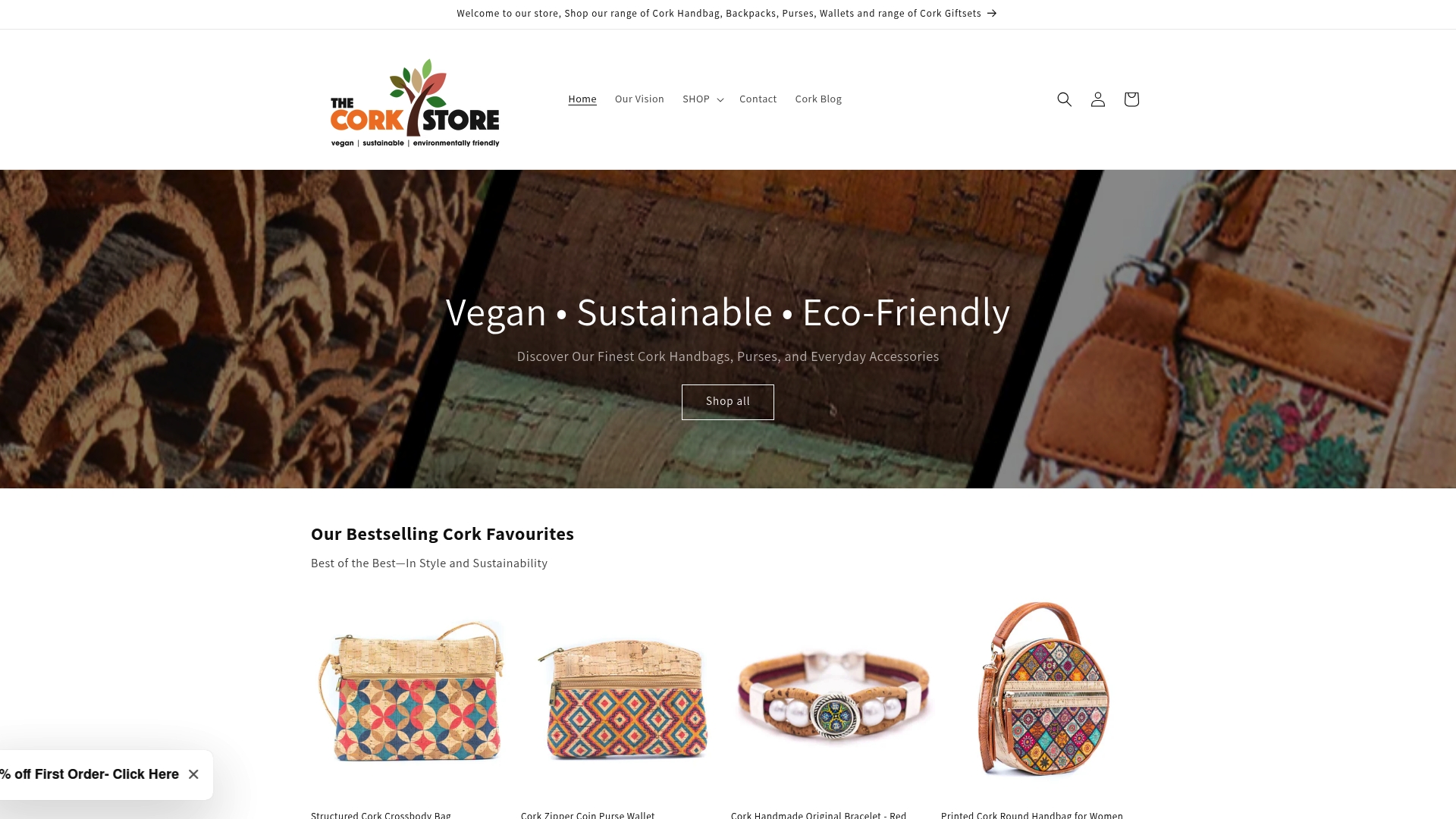
The cork wallet gift set is a strong starting point for anyone new to cork accessories. It combines style, practicality, and a fully traceable cruelty-free material story. For a broader selection, the vegan cork gift collection includes bags, purses, and accessories suitable for personal use or gifting. Thecorkstore also offers eco-aware wrapping options for those who want their packaging to match the ethics of the product inside. Supporting brands that build cruelty-free values into every component is the most direct way to drive change in the fashion industry.
FAQ
What materials make an accessory truly cruelty-free?
A truly cruelty-free accessory uses no animal-derived materials at any stage, including lining, thread, labels, and hardware coatings. Materials like cork, water-based polyurethane, TENCEL Luxe, and surgical steel all meet this standard.
Where can I buy cruelty-free accessories in the UK?
Thecorkstore at thecorkstore.co.uk offers a full range of vegan cork bags, wallets, and gift sets made without animal products. Elvis & Kresse and Cravn Jewelry are also reputable options for upcycled and jewellery categories respectively.
Is vegan leather genuinely sustainable?
Vegan leather varies significantly in its environmental impact depending on the base material. Water-based polyurethane and plant-derived options like Desserto and Piñatex carry a far lower footprint than conventional PVC-based alternatives.
How do I check if jewellery is cruelty-free?
Check the ear wire material (surgical steel is the safest), ask whether any lacquers or coatings contain shellac or beeswax, and confirm that thread and backing materials are plant-based or synthetic. Brands like Cravn Jewelry publish this information directly.
What is quiet luxury in the context of cruelty-free fashion?
Quiet luxury refers to a design philosophy that prioritises craftsmanship, durability, and understated style over visible branding. In cruelty-free fashion, it aligns with buying fewer, better-made pieces that last longer and reduce overall consumption.