

Eco-friendly accessory styling guide for 2026
TL;DR:
- Building a sustainable accessory wardrobe centers on neutral basics that highlight eco-friendly pieces’ natural textures and tones. Applying the one statement piece rule ensures visual balance, reducing clutter and emphasizing quality materials. Proper care and prioritizing repairability extend the lifespan of innovative materials like cork, Piñatex, and mycelium leather in everyday use.
Sustainable accessory fashion is the practice of building a wardrobe with pieces made from ethical, low-impact materials such as cork, recycled metals, mycelium leather, and plant-based fibres like Piñatex. This eco-friendly accessory styling guide covers everything from choosing your wardrobe foundation to caring for innovative materials that brands like Bottega Veneta and LUCID jewellery are already championing. The core principle is simple: one well-chosen, repairable eco-accessory styled against a neutral backdrop will always outperform a cluttered mix of competing pieces. Get that right, and sustainable dressing stops feeling like a compromise.
Why neutral basics are the foundation of eco-friendly accessory styling
Neutral wardrobe basics create cohesion with colourful vegetable-dyed and textured accessories, making them the single most important starting point for any environmentally conscious accessories wardrobe. White shirts, black dresses, mid-wash denim, and oatmeal knitwear all share one quality: they do not compete. They recede, and your accessories advance.
This matters more with eco-friendly pieces than with conventional ones. Vegetable-dyed jewellery carries earthy, irregular tones. Cork bags have a warm, grainy texture. Mycelium leather has a subtle depth that synthetic materials cannot replicate. Place any of these against a busy print or a saturated colour, and the effect is lost entirely.
The practical wardrobe foundation for sustainable accessory styling looks like this:
- White or cream shirts: The cleanest backdrop for wooden jewellery, cork pendants, or recycled-metal earrings
- Black tailored trousers or midi skirts: Ground bolder eco-accessories without drawing attention away from them
- Mid-wash or raw denim: Pairs naturally with plant-based textures like cork and Piñatex
- Oatmeal, stone, or sand knitwear: Harmonises with warm, natural tones in vegetable-dyed pieces
- Grey or navy blazers: Provide structure around clean-lined sustainable accessories in professional contexts
Neutral and natural textures harmonise with sustainable accessories to increase wardrobe versatility without requiring you to buy more. That is the quiet efficiency of building this way: fewer pieces, more combinations.
Pro Tip: Before buying a new eco-accessory, hold it against the three most-worn items in your wardrobe. If it works with all three, it earns its place.
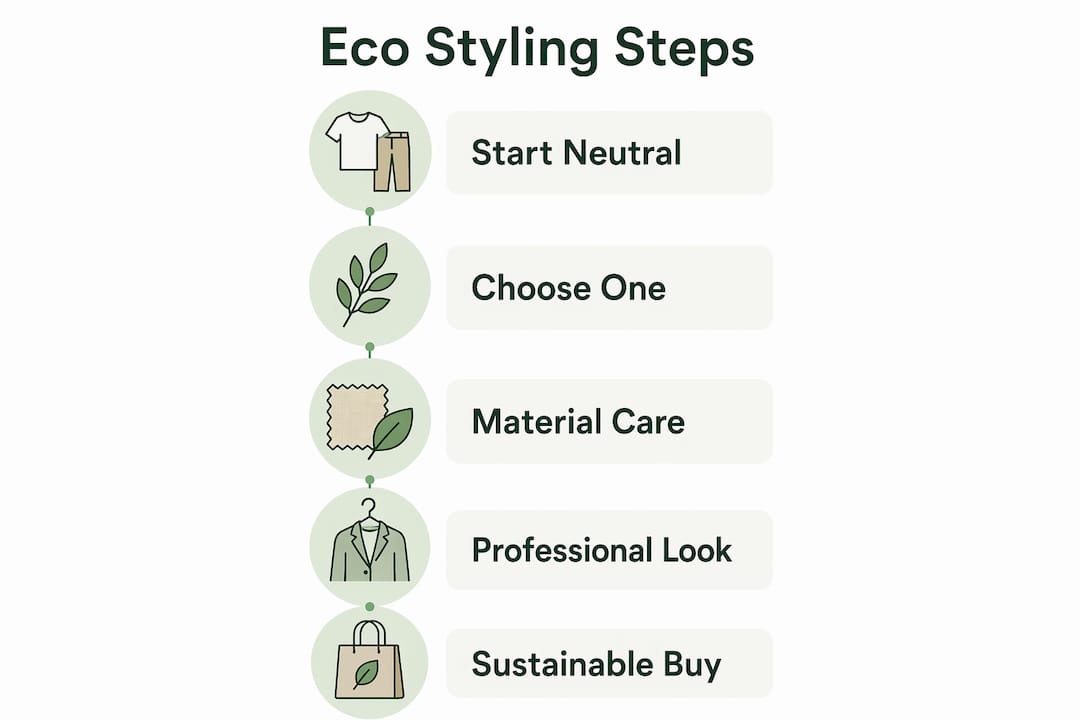
The neutral foundation approach also reduces decision fatigue. When your base layer is consistent, you spend less time second-guessing combinations and more time wearing pieces you genuinely love.
How does the one statement piece approach work?
The one statement piece principle is defined as selecting a single bold eco-friendly accessory and pairing it with complementary, understated items so the focal point remains clear. Minimalist styling with a single bold eco-friendly piece is the key to maintaining visual balance and spotlighting sustainability.
This approach works because eco-accessories are often designed with visible texture, unusual materials, or artisan construction. They are meant to be noticed. Layering several loud pieces simultaneously cancels that effect out entirely.
Here is how to apply the principle in practice:
- Choose your statement piece first. A cork crossbody bag, a recycled-metal cuff, or a pair of LUCID gold-plated hoops all qualify. The statement piece sets the tone for the entire outfit.
- Select one neutral complement. If your statement is a bag, keep jewellery minimal: a thin recycled-silver ring or small wooden studs. If your statement is jewellery, carry a clean, unembellished bag.
- Match material weight to occasion. Heavier textures like cork or mycelium leather suit casual and smart-casual settings. Finer recycled-metal pieces translate better to formal or professional environments.
- Repeat one material or tone. If your bag is cork, consider a cork or wooden hair accessory in the same warm brown family. Repetition creates cohesion without adding visual noise.
- Edit before you leave. Stand in front of a mirror and remove one item. If the outfit improves, you had too much. If it feels incomplete, put it back.
Pairing a bold recycled-metal bag with one neutral accessory rather than layering many loud pieces is the clearest expression of this method. The result reads as considered, not accidental.
Pro Tip: Sustainable accessory trends in 2026 favour single-piece statements over stacked looks. Less genuinely is more when the materials are this interesting.
The one statement piece approach also has a practical sustainability benefit. Buying fewer, better pieces reduces consumption. Each item gets worn more often, cared for more attentively, and replaced less frequently.
What are the best eco accessories for professional settings?
Professional styling with eco-accessories requires clean-lined, structured items like wooden studs and cork belts paired with tailored clothing to maintain sophistication. The workplace demands restraint, and that actually suits sustainable accessory fashion very well.
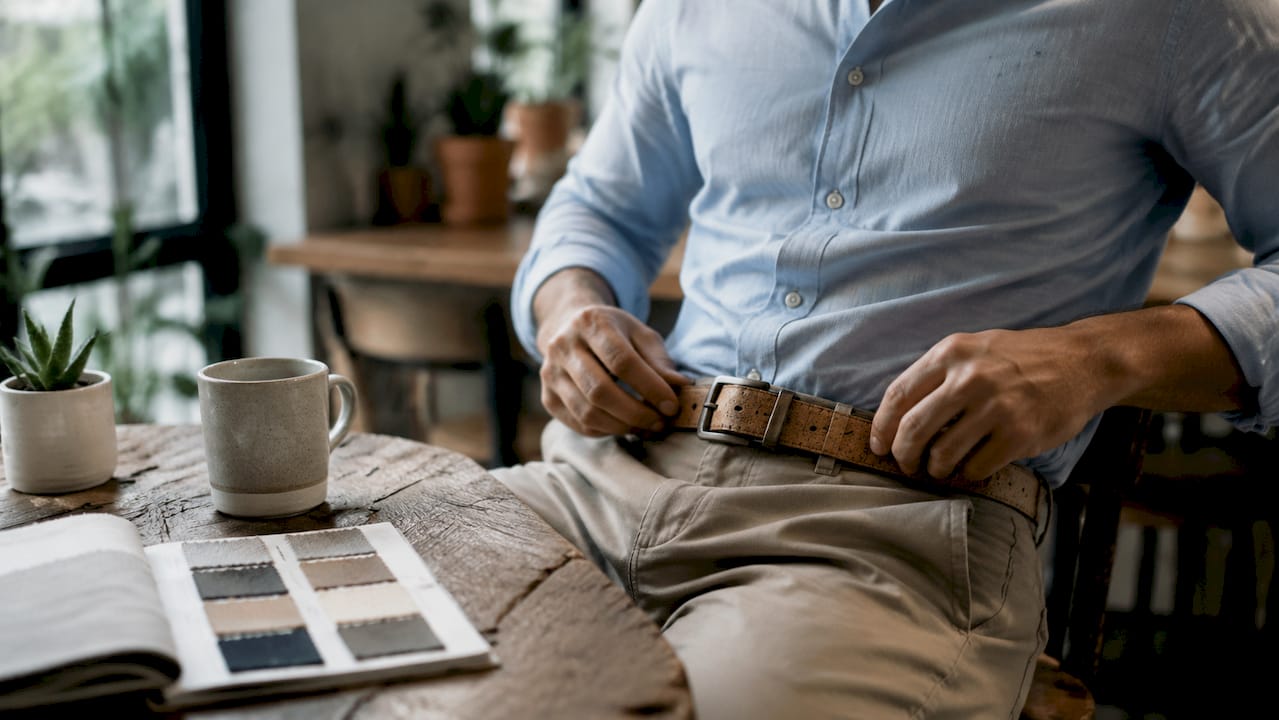
The best eco-accessories for professional environments share three qualities: they are structured rather than freeform, they carry a muted or neutral palette, and they avoid overtly artisan or handcrafted finishes that read as casual. Cork belts, small wooden stud earrings, slim recycled-metal bangles, and compact cork or Piñatex tote bags all meet this standard.
Consider these pairings:
- Cork belt with a tailored trouser suit: The warm grain of cork adds texture without disrupting the clean line of the suit
- Wooden stud earrings with a blazer and midi skirt: Understated enough for a boardroom, distinctive enough to be memorable
- Slim recycled-silver bangle with a white shirt and black trousers: The metal catches light subtly without competing with the outfit
- Compact Piñatex tote with a structured blazer: Carries the same visual weight as a conventional leather bag but with better eco-credentials
Avoid overly bold textures in professional contexts for balanced looks. A heavily grained cork bag in a bright colour, for instance, works brilliantly at the weekend but can feel disproportionate in a meeting room. The same bag in tan or dark brown reads entirely differently.
The sustainability in accessory design principle of choosing versatile, repairable pieces applies directly here. A well-made cork tote that transitions from desk to dinner earns its cost many times over.
Which innovative materials should you know about?
Material innovations such as mycelium-based leather alternatives and pineapple leaf fibres provide texture and eco-credentials while maintaining luxury quality. Understanding these materials helps you style them correctly and care for them properly.
Mycelium leather
Mycelium leather is grown from fungal root networks and compressed into a material that closely resembles conventional leather in weight and drape. Bottega Veneta’s mycelium collection demonstrates that this material can meet luxury standards. It responds to styling in the same way as traditional leather: structured shapes, clean edges, and a surface that develops character with wear.
Piñatex
Piñatex is produced from pineapple leaf fibres, a byproduct of the pineapple harvest in the Philippines. The material has a slightly open, woven texture that catches light differently from smooth leather. Wearsos produces crossbody bags in Piñatex that illustrate how well the material translates into everyday accessories.
Cork
Cork is harvested from the bark of cork oak trees without felling them, making it one of the most genuinely renewable materials in fashion. It is naturally water-resistant, lightweight, and develops a warm patina over time. Thecorkstore’s range of cork handbags, backpacks, and wallets demonstrates the full range of what this material can achieve in accessory design.
Care tips by material
| Material | Care Method | What to Avoid |
|---|---|---|
| Cork | Wipe with a damp cloth; condition with natural wax | Harsh chemicals, machine washing |
| Piñatex | Gentle wipe with mild soap solution | Abrasive cloths, prolonged water exposure |
| Mycelium leather | Dry wipe; store in a dust bag | Direct sunlight, chemical cleaners |
| Recycled metal | Polish with a soft cloth; store separately | Chlorine, salt water, abrasive polish |
Plant-based leathers like cork and pineapple leather require gentle, non-abrasive care to maintain their integrity and appearance over time. Cleaning should avoid harsh chemicals and machine washing entirely.
Accessories designed for repairability and versatility extend lifespan and reduce long-term waste. Prioritising easy resizing, refinishing, or replaceable parts like straps is what separates a genuinely sustainable purchase from a merely well-intentioned one.
Pro Tip: Store cork and Piñatex accessories away from direct sunlight when not in use. UV exposure fades natural dyes and dries out plant-based fibres faster than almost anything else.
Innovation in sustainable cork accessories continues to expand what is possible in eco-friendly fashion, with new finishes and construction techniques arriving regularly in 2026.
Key takeaways
The most effective approach to eco-friendly accessory styling is to build on neutral wardrobe foundations, apply the one statement piece principle, and care for natural materials to maximise longevity.
| Point | Details |
|---|---|
| Start with neutral basics | White shirts, black trousers, and denim create the backdrop that lets eco-accessories read clearly. |
| Apply the one statement piece rule | Choose one bold eco-accessory and keep everything else understated to avoid visual clutter. |
| Match material weight to context | Structured cork and Piñatex pieces suit professional settings; heavier textures work best casually. |
| Know your materials | Mycelium, Piñatex, and cork each require specific, gentle care routines to preserve their appearance. |
| Buy for repairability | Accessories with replaceable straps or resizable fittings reduce waste and extend useful life significantly. |
Why sustainability in accessories is about daily wear, not display
I have spent a long time watching people treat their eco-accessories as special-occasion pieces, kept in dust bags and brought out for events. That instinct is understandable. These items often cost more than their conventional equivalents, and the materials feel precious. But it is exactly the wrong approach.
Sustainability in accessories is about care, which means purchasing items designed for regular, durable wear rather than occasional use. LUCID’s recycled gold-plated earrings, for instance, are built to resist tarnish and be worn daily. Keeping them in a box defeats the purpose entirely.
The same logic applies to cork bags and Piñatex wallets. These materials are more durable in daily use than most people expect. Cork develops a patina. Piñatex softens slightly and conforms to your habits. Mycelium leather, like conventional leather, improves with wear. The materials are designed for life, not for display.
What I find most interesting about the current direction of sustainable accessory fashion is that luxury houses are now proving this point at scale. When Bottega Veneta commits to a mycelium collection, it signals that eco-credentials and genuine quality are no longer in tension. That shift changes the conversation entirely for the rest of the market.
My advice is to treat your eco-accessories as investment pieces in the truest sense: wear them constantly, care for them attentively, and repair them when needed. The role of eco materials in sustainable fashion is only going to grow, and the pieces you invest in now will carry more cultural and aesthetic weight as that happens.
— Aaron
Discover thecorkstore’s sustainable cork accessories
If the styling principles in this guide resonate with you, Thecorkstore’s collection is a natural next step. Every piece is crafted from cork, one of the most genuinely renewable materials in fashion, and designed to work across the neutral-foundation wardrobe approach described above.
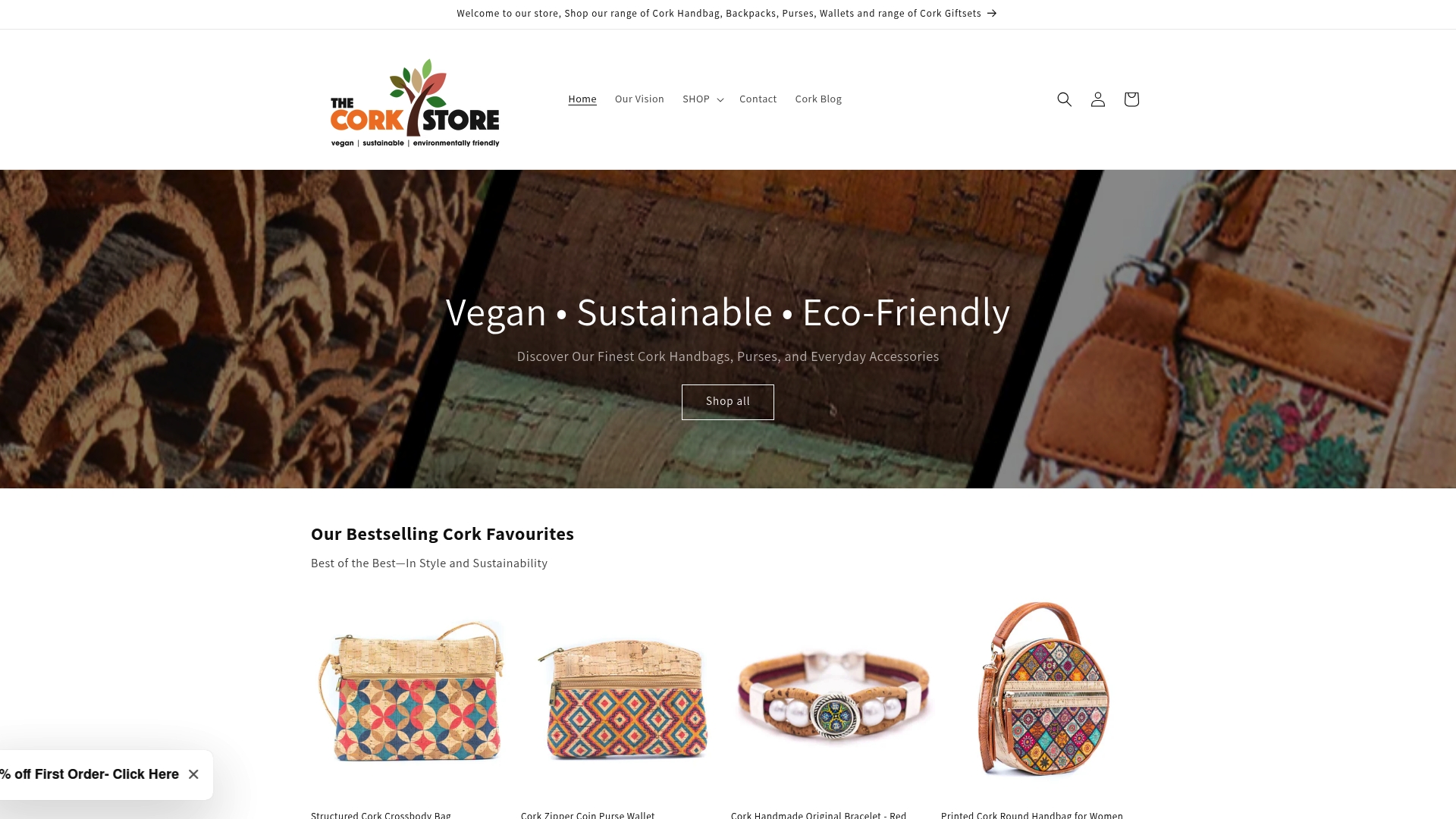
Thecorkstore offers cork handbags, backpacks, wallets, purses, and gift sets, all vegan and cruelty-free. The range is built for daily wear, not display, and many pieces feature replaceable straps and durable construction that supports the repairability principle. Browse the full sustainable cork accessories collection to find pieces that will genuinely earn their place in your wardrobe.
FAQ
What is eco-friendly accessory styling?
Eco-friendly accessory styling is the practice of building outfits using accessories made from sustainable, low-impact materials such as cork, recycled metals, mycelium leather, and plant-based fibres. The goal is to combine ethical sourcing with considered, minimalist styling for a cohesive wardrobe.
Which materials are best for sustainable accessories?
Cork, Piñatex (pineapple leaf fibre), mycelium leather, and recycled metals are the leading materials in sustainable accessory fashion. Each offers strong eco-credentials alongside genuine durability and distinctive aesthetic qualities.
How do i care for plant-based leather accessories?
Wipe plant-based leathers like cork and Piñatex with a damp cloth and mild soap solution, and avoid harsh chemicals or machine washing entirely. Store them away from direct sunlight to prevent fading and drying of natural fibres.
Can eco-friendly accessories work in professional settings?
Structured eco-accessories such as cork belts, wooden stud earrings, and compact Piñatex totes pair well with tailored blazers and midi skirts for professional environments. Keep textures muted and silhouettes clean to maintain a polished appearance.
How many eco-accessories should i wear at once?
One bold statement piece paired with one understated complement is the most effective approach. Layering multiple loud eco-accessories creates visual clutter and diminishes the impact of each individual piece.