
Recycling cork accessories guide: practical steps for 2026
TL;DR:
- Recycling cork accessories involves sorting, cleaning, and using specialized programs to divert natural cork from landfills. Proper identification, preparation, and local awareness are essential for sustainable disposal or creative upcycling. Individual actions support forest conservation and promote the circular economy of eco-friendly materials.
Recycling cork accessories is the process of diverting natural cork items from landfill by sorting, cleaning, and directing them to specialist collection programmes or repurposing them creatively at home. Cork is one of the few materials where the raw source, the bark of the cork oak, regenerates every 9 to 12 years without harming the tree. That renewable origin makes responsible end-of-life disposal all the more worthwhile. Industry initiatives such as those run by Jelinek Cork Group have already collected over 100 million corks since 2005, proving that individual action, multiplied across thousands of households, creates measurable impact. This recycling cork accessories guide covers every practical step you need to take.
What types of cork accessories can be recycled?
Not every item labelled “cork” qualifies for the same recycling route. The distinction between natural cork and synthetic cork is the single most important factor in this entire process.
Natural cork comes from the harvested bark of Quercus suber trees grown primarily in Portugal and Spain. It is porous, warm to the touch, and slightly compressible. Cork accessories made from natural cork include handbags, wallets, purses, jewellery, and keyrings. These items are candidates for specialist recycling, composting, or upcycling. Synthetic corks, by contrast, are made from polyethylene or other plastics and must go to landfill because no industrial composting or cork recycling programme can process them.
The complication arises with treated or composite cork products. Cork products with plastic liners, synthetic glues, or chemical dyes lose their biodegradability and cannot enter compost streams. This matters enormously for cork accessories, where bonding agents and surface finishes are common. A cork wallet with a fabric lining glued in place using synthetic adhesive is not fully recyclable through standard cork channels.
Here is how to identify what you have before you attempt to recycle it:
- Natural cork: Warm, slightly rough texture, visible cell structure, compresses slightly under pressure, smells faintly earthy
- Synthetic cork: Smooth, uniform surface, no visible grain, does not compress, often has a plastic sheen
- Composite cork accessories: May combine natural cork sheets with fabric, metal hardware, or plastic zips. The cork component can sometimes be separated for recycling, but the rest must be sorted individually.
- Treated cork: Shiny or lacquered surface finish, strong chemical smell, often used in decorative items
Pro Tip: Check the product description or care label before purchasing. Thecorkstore labels its cork accessories clearly, and the blog post on spotting sustainable materials explains exactly what to look for in genuinely eco-friendly cork products.
How to prepare cork accessories for recycling
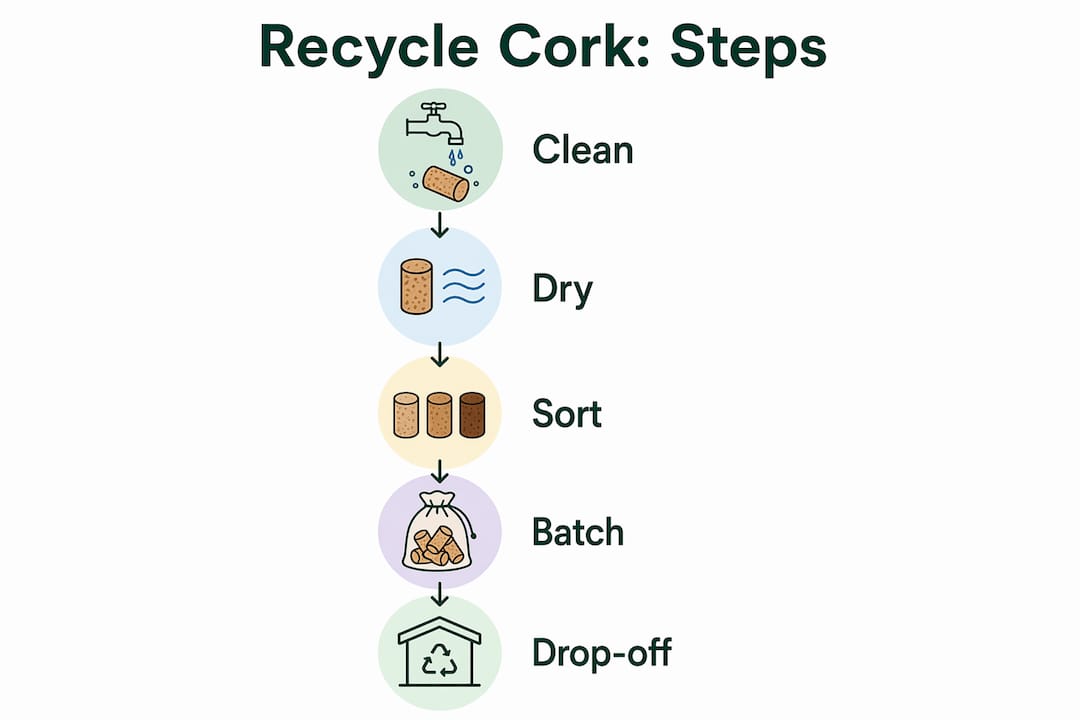
Preparation is where most people go wrong. Sending dirty, damp, or unsorted cork to a recycling programme contaminates entire batches and can render them unusable.
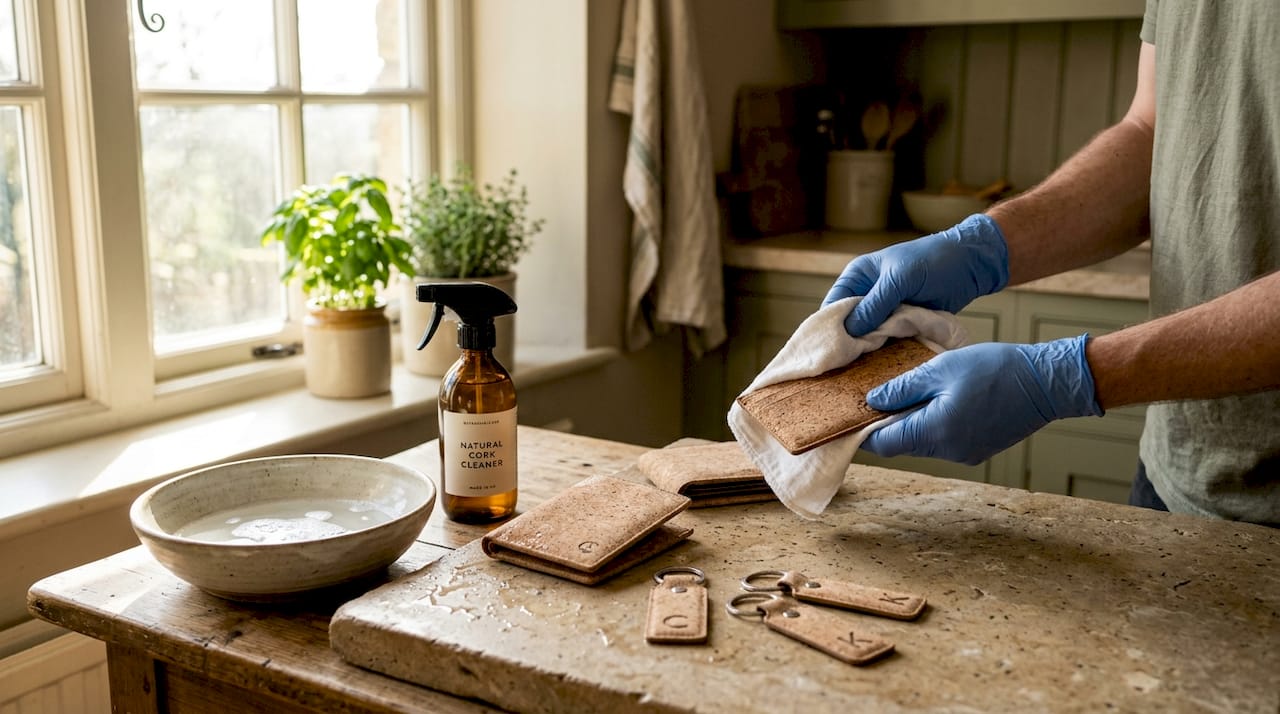
The first step is cleaning. Residual moisture on natural cork causes mould growth during storage and transit, which spoils the batch for industrial recycling. Wipe each cork accessory with a dry cloth to remove surface dirt. If the item has absorbed liquids, leave it in a warm, dry spot for at least 48 hours before packing. Do not use chemical cleaning sprays, as these introduce synthetic residues that complicate the recycling process.
Once clean and dry, sort your items by type and condition. The table below shows the four main categories and their recommended disposal routes.
| Cork type | Condition | Recommended route |
|---|---|---|
| Natural cork, no coatings | Clean and dry | Specialist recycling or industrial compost |
| Natural cork, minor surface finish | Clean and dry | Specialist recycling programme |
| Composite cork accessory | Separated components | Cork to recycling; hardware to metals; fabric to textile bank |
| Synthetic or heavily treated cork | Any | Landfill only |
Follow these steps to prepare a batch for collection or posting:
- Clean and dry every item thoroughly, as described above.
- Remove non-cork components where possible. Unscrew metal clasps, cut away fabric linings, and separate plastic zips before sorting.
- Group by type using separate paper bags or cardboard boxes. Avoid plastic bags, which trap moisture.
- Label each group clearly so the receiving facility can process them without additional sorting.
- Pack for posting in a sturdy cardboard box with enough padding to prevent rattling, which can cause cork to crumble during transit.
Pro Tip: Collect cork accessories in a dedicated cardboard box over several months before sending a bulk batch. Sending larger quantities at once reduces the carbon footprint of postal recycling and is more efficient for processing facilities.
Where to recycle cork accessories sustainably
Finding the right collection point is the practical challenge most people face. Standard kerbside recycling bins cannot accept cork because of contamination risks during the sorting process. Cork that enters a mixed recycling bin typically ends up in landfill, which defeats the purpose entirely.
Your main options are as follows:
- Specialist drop-off points: Jelinek Cork Group operates a network of collection points across North America, and similar schemes exist in parts of Europe. Use the interactive maps on their website to locate the nearest drop-off location. In the UK, check with local zero-waste shops and health food retailers, many of whom collect natural cork for forwarding to specialist processors.
- Mail-back programmes: Mail-in collection programmes allow you to post cleaned, sorted cork directly to a processing facility. Pack items securely in a cardboard box, include a note identifying the cork type, and use a tracked postal service for bulk quantities.
- Industrial composting via local councils: Natural cork placed in compost carts breaks down effectively where industrial composting is supported. Contact your local council to confirm whether this service is available in your area. Synthetic corks must never enter compost streams.
- Zero-waste community groups: Local Freecycle groups, repair cafés, and zero-waste networks often collect cork for craft projects and upcycling workshops. This keeps the material in active use rather than sending it to a processing facility at all.
The table below compares the main recycling routes on the factors that matter most to individual consumers.
| Route | Cost | Availability | Best for |
|---|---|---|---|
| Specialist drop-off | Free | Variable by region | Regular, small quantities |
| Mail-back programme | Postage cost | Widely available | Bulk batches |
| Council compost | Free | Where supported locally | Pure natural cork only |
| Community upcycling group | Free | Urban areas | Accessories in good condition |
One important caveat: economic pressures have led some operators to withdraw textile and accessory recycling services from civic amenity sites. Always verify that a drop-off point is still active before making a trip. A quick phone call or check of the facility’s website takes two minutes and saves a wasted journey.
Creative ways to upcycle recycled cork accessories
Upcycling is the most satisfying option in this entire process. Rather than sending a cork wallet or bag to a processing facility, you extend its useful life and keep it out of any waste stream altogether. Cork’s natural properties, its lightness, flexibility, and resistance to moisture, make it genuinely useful in a second life.
Popular cork upcycling projects include:
- Pin boards and notice boards: Flat cork sheets from old bags or wallets make excellent wall-mounted pin boards. Cut to size, mount in a simple frame, and you have a functional home office accessory.
- Coasters and trivets: Thick cork pieces cut into circles or squares protect surfaces from heat and moisture. Sand the edges lightly for a clean finish.
- Plant pot liners: Cork’s natural insulating properties regulate soil temperature. Line terracotta pots with thin cork sheets to protect roots from temperature extremes.
- Jewellery and accessories: Small cork offcuts can be shaped into earrings, pendants, or hair clips. Cork is light enough to wear comfortably and takes paint and ink well.
- Gift tags and stationery: Thin cork sheets cut into small rectangles make distinctive, reusable gift tags. Stamp or write on them with permanent ink.
The circular economy benefit here is real. Every item you upcycle at home is one fewer item requiring industrial processing, transport, and energy. Thecorkstore’s guide on cork upcycling ideas provides step-by-step instructions for several of these projects, including material lists and finishing techniques.
Pro Tip: Cork takes acrylic paint, wood stain, and pyrography (wood burning) exceptionally well. If you want to personalise upcycled cork pieces, a basic pyrography pen costs under £15 and produces professional-looking results on natural cork surfaces.
Key takeaways
Effective cork accessory recycling depends on correctly identifying the material, preparing it properly, and choosing a disposal route matched to the cork type.
| Point | Details |
|---|---|
| Identify before recycling | Distinguish natural cork from synthetic or treated cork before choosing a disposal route. |
| Clean and dry thoroughly | Remove moisture and residues to prevent mould and protect batch quality during transit. |
| Use specialist programmes | Standard kerbside bins contaminate cork; use drop-off points or mail-back schemes instead. |
| Upcycle where possible | Extending a cork item’s life through craft projects avoids industrial processing entirely. |
| Verify local availability | Recycling infrastructure varies by region; always confirm a collection point is active before visiting. |
Why individual choices in cork recycling matter more than you think
People often assume that recycling a single cork wallet or handbag is too small an act to be worth the effort. I disagree, and I’ve seen why over years of working with sustainable materials and the communities that care about them.
The cork oak forests of Portugal and Spain are among the most biodiverse ecosystems in Europe. The harvesting tradition that sustains them depends on cork remaining economically valuable. When cork accessories end up in landfill, that value is destroyed. When they are recycled or upcycled, the material re-enters a supply chain that funds the conservation of those forests. Your individual decision to sort a cork bag correctly is a vote for that ecosystem’s continued existence.
The most common misconception I encounter is that “natural” automatically means “recyclable.” It does not. A cork accessory coated in synthetic lacquer or bonded with polyurethane glue has a compromised end-of-life pathway regardless of how sustainable its raw material was. Reading product descriptions carefully before you buy is the single most effective thing you can do. Thecorkstore’s [recycling guidance for 2026](https://thecorkstore.co.uk/blogs/cork-blog/how-to-recycle-cork-accessories sustainably-2026) addresses this directly and is worth bookmarking.
The second misconception is that recycling infrastructure is adequate and easy to find. It is not. Some civic recycling services have been withdrawn due to commercial pressures, and kerbside bins remain unsuitable for cork. The gap between consumer intent and available infrastructure is real. The solution is to build a small personal system: a dedicated collection box, a known drop-off point or mail-back address, and a habit of cleaning cork items before storing them. That system takes twenty minutes to set up and removes every barrier to consistent recycling behaviour.
— Aaron
Explore sustainable cork accessories from Thecorkstore
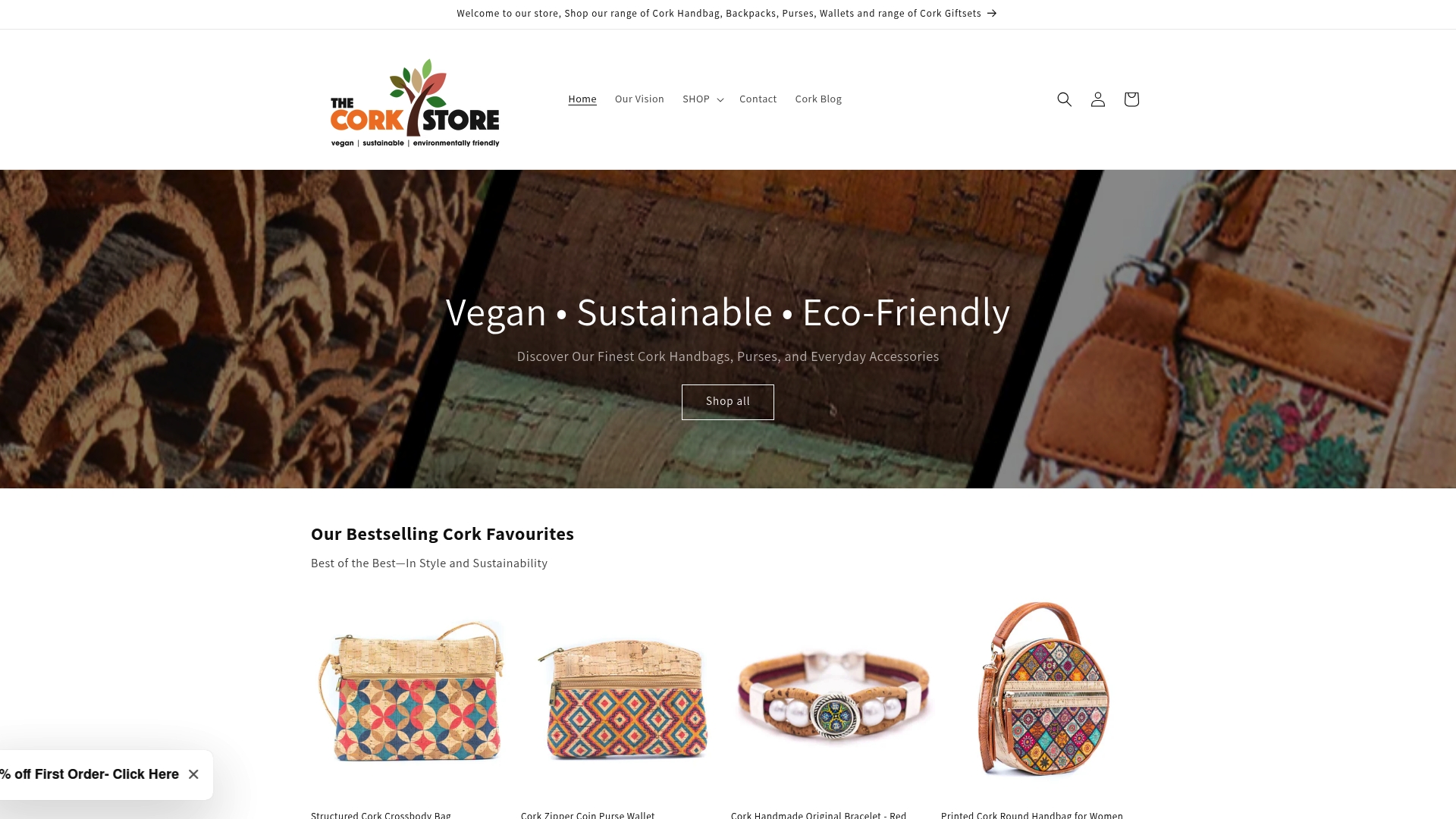
Thecorkstore designs every product with end-of-life in mind. The range of cork handbags, wallets, and accessories uses natural cork bonded with materials chosen for recyclability and durability. If you are looking for a gift that reflects genuine environmental values, the women’s cork gift sets collection brings together wallets, purses, and accessories in beautifully presented sets. Each product comes with guidance on care and responsible disposal, so the sustainability story does not end at the point of purchase. Choosing cork accessories from a brand that thinks about recycling from the design stage is the most direct way to reduce your fashion footprint.
FAQ
Can all cork accessories be recycled?
Only natural cork accessories free of synthetic coatings, plastic liners, and chemical dyes are suitable for specialist recycling or composting. Items with synthetic finishes must go to landfill.
Why can’t I put cork in my kerbside recycling bin?
Standard kerbside bins cannot process cork due to contamination risks in mixed recycling streams. Cork sent via kerbside collection almost always ends up in landfill.
How do I find a cork recycling drop-off point near me?
Jelinek Cork Group maintains an interactive map of collection points, and many UK zero-waste shops and health food retailers also accept natural cork. Always confirm the point is still active before visiting.
Is natural cork biodegradable?
Yes. Natural cork without synthetic additives is fully biodegradable and can be processed through industrial composting where local councils support it. Plastic-based liners and synthetic finishes remove this option entirely.
What is the easiest way to recycle cork accessories at home?
Upcycling is the simplest route. Clean and dry the item, remove non-cork components, and repurpose the cork material as a pin board, coaster, or plant pot liner. No specialist facility required.