
How to upcycle cork products: a sustainable DIY guide
Each year, millions of wine corks end up in landfills despite cork being one of nature’s most renewable and biodegradable materials. Upcycling cork transforms this waste into stylish, functional accessories that celebrate sustainability whilst showcasing your creativity. This guide teaches you how to prepare cork properly, create beautiful DIY projects like keychains and bath mats, and troubleshoot common issues. You’ll discover why cork’s unique properties make it perfect for crafting durable, water-resistant accessories that align with eco-conscious living.
Table of Contents
- Understanding Cork: Properties And Sustainability
- Gathering And Preparing Cork For Your Projects
- Step-By-Step Cork Upcycling Projects
- Troubleshooting Common Issues And Care Tips
- Explore Sustainable Cork Products And Supplies
- FAQ
Key takeaways
| Point | Details |
|---|---|
| Sustainable material | Cork is renewable, biodegradable, and harvested without harming trees, making it ideal for eco-friendly upcycling projects. |
| Natural properties | Cork’s cellular structure provides water resistance, elasticity, and durability perfect for creating long-lasting accessories. |
| Proper preparation | Acclimating corks for 72 hours and using natural cork prevents warping and ensures project success. |
| Versatile projects | From simple keychains to functional bath mats, cork upcycling offers creative possibilities for all skill levels. |
| Care requirements | Choosing appropriate sealants and following maintenance guidelines keeps cork accessories looking beautiful for years. |
Understanding cork: properties and sustainability
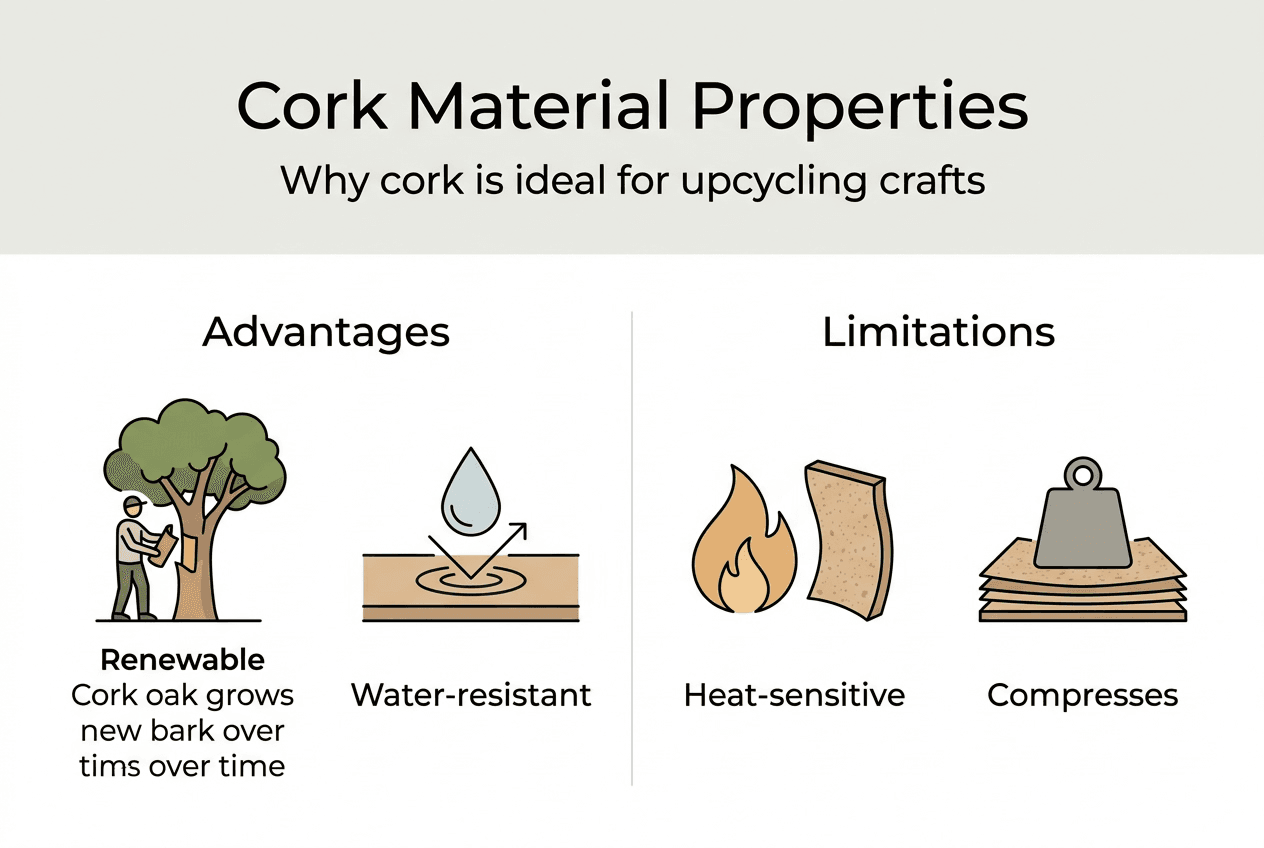
Cork comes from the bark of cork oak trees, harvested sustainably every nine years without damaging the tree itself. This remarkable process allows the same tree to produce cork for over 200 years, making it one of the most environmentally responsible materials available. When you choose to upcycle cork, you’re participating in a circular economy that reduces waste whilst celebrating a material perfected by nature.
The cellular structure makes cork naturally water-resistant and durable, ideal for bathroom applications and outdoor accessories. Each cubic centimetre contains approximately 40 million cells filled with air, creating a honeycomb structure that gives cork its distinctive properties. This unique composition makes cork simultaneously lightweight and resilient, able to compress under pressure then return to its original shape.
Cork’s material advantages extend beyond sustainability. Understanding cork’s unique properties reveals why it excels in upcycling projects:
- Lightweight yet strong, making accessories comfortable to wear and carry
- Elastic and compressible, allowing cork to absorb impact and maintain shape
- Impermeable to liquids and gases, protecting contents from moisture
- Excellent thermal insulator, keeping items at stable temperatures
- Natural acoustic dampening properties reduce noise transmission
These characteristics explain why cork material properties make it superior to many synthetic alternatives. The material’s natural texture adds visual interest to finished pieces, whilst its neutral colour palette complements various design aesthetics. Cork also resists mould and mildew growth, making it hygienic for items that contact skin or food.
Different cork types affect project outcomes significantly. Natural wine corks offer the best combination of durability and workability for most upcycling applications. Champagne corks, larger and denser, work well for projects requiring substantial material. Synthetic corks, whilst cheaper, lack the authentic texture and environmental benefits that make cork special. Understanding how cork promotes sustainability helps you make informed choices about materials.
Pro Tip: Save corks from special occasions and label them with dates or events, then incorporate these meaningful pieces into personalised projects like memory boards or decorative frames that tell your story.
Gathering and preparing cork for your projects
Collecting sufficient wine corks represents the most time-consuming aspect of cork upcycling. A bath mat requires 150 to 200 corks, whilst smaller projects like coasters need only 15 to 20 pieces. Start saving corks months before your planned project, and ask friends, family, and local restaurants to contribute their discarded corks. Many wine bars happily donate corks to crafters, turning their waste into your creative resource.
Quality matters when selecting corks for upcycling. Natural cork performs best for most projects, whilst synthetic cork may prove less suitable due to different composition and properties. Natural cork ages beautifully, developing character over time, whereas synthetic versions can deteriorate or discolour unpredictably. Inspect each cork for cracks, crumbling, or excessive staining before adding it to your collection.
Proper cleaning ensures your finished accessories look professional and hygienic. Follow these preparation steps:
- Rinse corks in warm water with mild soap to remove wine residue and surface dirt
- Scrub stubborn stains gently with a soft brush, avoiding excessive pressure that damages cork
- Rinse thoroughly under running water until no soap remains
- Pat dry with clean towels to remove surface moisture
- Spread corks in a single layer on a clean, dry surface
The acclimation period prevents disappointing results. Never skip the 72-hour acclimation step to prevent warping after assembly. Lay cleaned corks flat in a dry, well-ventilated space away from direct sunlight or heat sources. This equalises moisture content throughout each cork, stabilising the material before you begin construction. Rushing this step leads to twisted, warped finished pieces that look unprofessional.
| Cork Type | Best Uses | Durability | Cost |
|---|---|---|---|
| Natural wine cork | Coasters, trivets, keychains, jewellery | Excellent | Free to low |
| Champagne cork | Bath mats, larger projects, decorative items | Superior | Free to low |
| Synthetic cork | Practice projects, temporary crafts | Fair | Very low |
| Cork sheets | Backing material, large surface coverage | Very good | Moderate |
Understanding what is natural cork helps you identify quality materials. Natural cork shows irregular grain patterns and slight colour variations that add character to finished pieces. The material should feel firm yet slightly springy when compressed, not brittle or overly soft. Avoid corks with deep cracks or pieces that crumble when handled, as these won’t hold up in finished accessories.
Pro Tip: Sort corks by size and condition before starting projects, grouping similar pieces together for uniform appearance in finished items whilst setting aside damaged corks for practice cuts and technique testing.
Step-by-step cork upcycling projects
DIY cork keychains offer simple, low-cost projects ideal for beginners exploring cork upcycling. These practical accessories take minutes to create yet deliver satisfying results that make thoughtful gifts or personal items. The minimal tool requirements and quick completion time make keychains perfect for testing techniques before tackling larger projects.
Creating cork keychains requires few materials:
- Select one to three corks in good condition without cracks or excessive staining
- Drill a small pilot hole through the cork’s length using a 3mm drill bit
- Thread a screw eye or eyelet pin through the pilot hole, securing it with a drop of strong adhesive
- Attach a split ring and keychain hardware to the screw eye
- Decorate the cork with paint, stamps, or permanent markers if desired
- Apply a thin coat of cork-safe sealant to protect decorative elements
Bath mats represent more ambitious projects that showcase cork’s practical applications. Upcycling wine corks into bath mats offers rustic aesthetics with practical benefits like natural water resistance and antimicrobial properties. The finished mat provides a comfortable, slip-resistant surface that absorbs moisture whilst adding warmth to cold bathroom floors.
Assemble a cork bath mat following these steps:
- Measure your desired mat size and calculate cork quantity needed (approximately 150-200 for a standard bath mat)
- Cut a non-slip shelf liner or rubber mat backing to your chosen dimensions
- Arrange acclimated corks in your preferred pattern on the backing material
- Apply strong, flexible adhesive suitable for cork and rubber to the backing in sections
- Press corks firmly into adhesive, working in rows from one edge to the other
- Allow adhesive to cure completely according to manufacturer instructions before use
- Apply cork-safe sealant to the top surface for enhanced water resistance
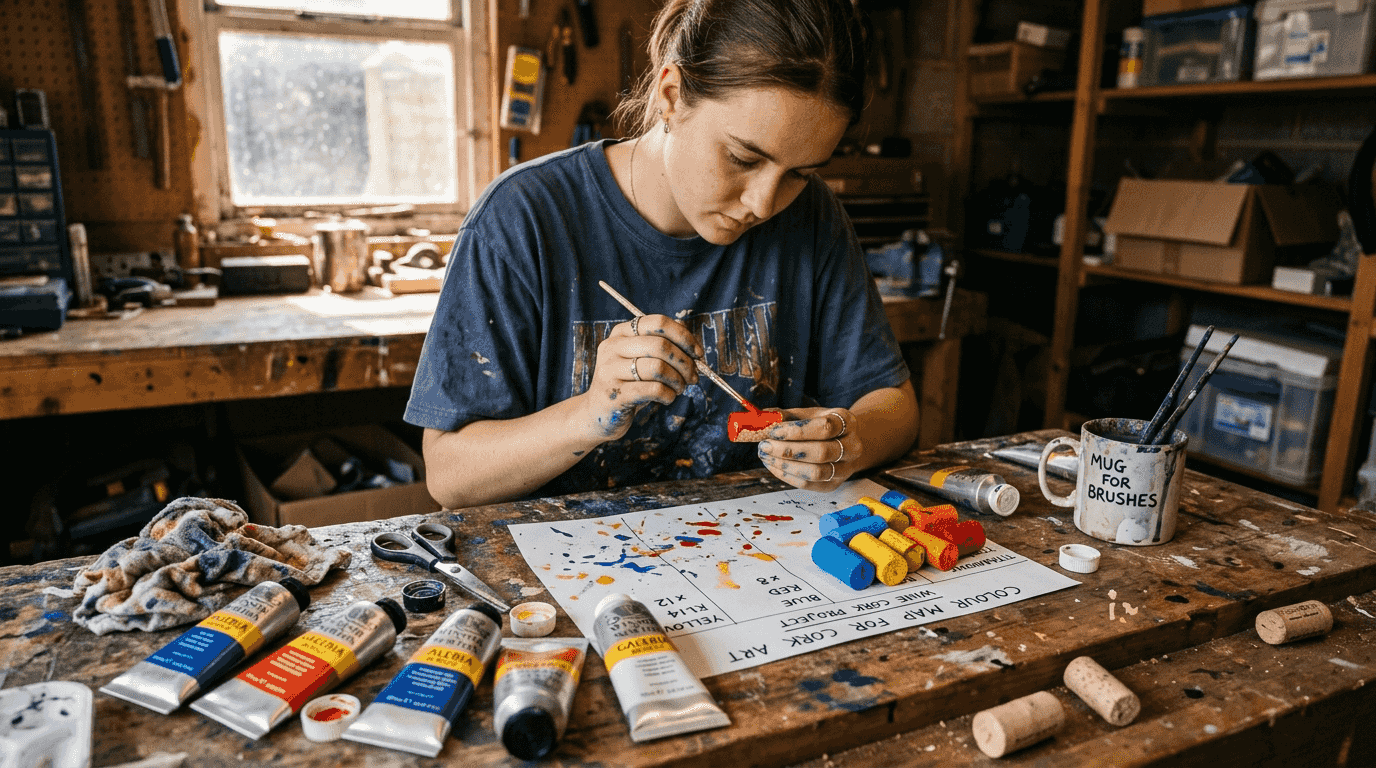
Decorative possibilities expand your creative options. Paint corks with acrylic colours before assembly to create patterns, gradients, or themed designs. Wood stain enhances natural grain whilst adding depth and richness to cork’s neutral tones. Embellishments like small shells, beads, or metal charms transform simple projects into personalised statement pieces. The benefits of cork products include accepting various finishing techniques without compromising material integrity.
| Project Feature | Cork Keychain | Cork Bath Mat |
|---|---|---|
| Skill level | Beginner | Intermediate |
| Time required | 15-30 minutes | 2-3 hours |
| Cork quantity | 1-3 pieces | 150-200 pieces |
| Special tools | Drill, screw eyes | Craft knife, strong adhesive |
| Durability | High with sealant | Very high when properly sealed |
Securing cork pieces properly ensures longevity. Use adhesives specifically formulated for porous materials, avoiding standard wood glue that may not bond effectively with cork’s unique cellular structure. Epoxy resin creates incredibly strong bonds but requires careful mixing and application. Hot glue works for temporary or lightweight projects but may fail under stress or heat exposure.
Pro Tip: Create template patterns on paper before arranging corks permanently, allowing you to experiment with layouts and colour placements without committing to adhesive until you achieve your desired design.
Troubleshooting common issues and care tips
Warping ranks among the most frustrating problems in cork upcycling. Corks that haven’t properly acclimated absorb or release moisture unevenly after assembly, causing finished pieces to twist or bend. Temperature fluctuations exacerbate warping, particularly when projects move between humid and dry environments. Prevention proves easier than correction, making proper preparation essential for professional results.
Adhesion failures occur when incompatible materials meet or surface preparation falls short. Cork’s porous nature requires adhesives that penetrate cellular structure rather than sitting on the surface. Dust, oils, or moisture on cork surfaces prevent proper bonding, causing pieces to separate over time. Clean all surfaces thoroughly with isopropyl alcohol before applying adhesive, then allow complete drying before proceeding.
Common problems and solutions include:
- Cracking during cutting: Use sharp blades and gentle pressure, allowing the tool to do the work rather than forcing cuts through cork
- Crumbling edges: Select higher quality natural cork and avoid pieces that show signs of age-related deterioration
- Uneven surfaces: Sand cork ends lightly with fine-grit sandpaper to create flush, level surfaces for better contact
- Discolouration: Apply UV-resistant sealant to prevent sun damage and fading over time
- Odour retention: Ensure thorough cleaning and complete drying before assembly to eliminate wine residue smells
Sealant selection impacts both appearance and durability. Avoid water-based sealants that crack and allow moisture penetration. Many water-based products contain acrylic polymers that become brittle under heat exposure, creating pathways for water damage. Oil-based polyurethane or specialised cork sealants provide superior protection whilst maintaining flexibility as cork naturally expands and contracts.
Maintaining cork accessories preserves their beauty and function. Wipe surfaces with a damp cloth to remove dust and debris, avoiding soaking or submersion that saturates cork’s cellular structure. For bath mats, lift and air dry completely between uses to prevent moisture accumulation underneath. Reapply sealant annually to high-use items, refreshing protective barriers that wear away over time.
“Proper ventilation matters when working with cork. Sanding creates fine dust particles that irritate respiratory systems, whilst cutting releases cork fragments into the air. Work outdoors or in well-ventilated spaces, and consider wearing a dust mask during extended crafting sessions to protect your health.”
Understanding reasons to choose cork includes recognising its limitations alongside its strengths. Cork isn’t suitable for applications requiring rigid structure or exposure to extreme temperatures. The material performs best in moderate conditions where its natural properties shine without being pushed beyond design parameters. Respecting these boundaries ensures your upcycled accessories deliver years of reliable service.
Pro Tip: Store unused corks in breathable fabric bags rather than sealed plastic containers, allowing air circulation that prevents mould growth whilst protecting materials from dust and damage until you’re ready to create your next project.
Explore sustainable cork products and supplies
Whilst collecting wine corks works wonderfully for small projects, larger upcycling ambitions benefit from quality cork materials designed specifically for crafting. Sustainable cork products provide consistent thickness, uniform texture, and reliable performance that elevate your creations from hobby crafts to professional-quality accessories. Cork sheets, rolls, and boards open possibilities beyond wine cork limitations, enabling ambitious projects with polished results.
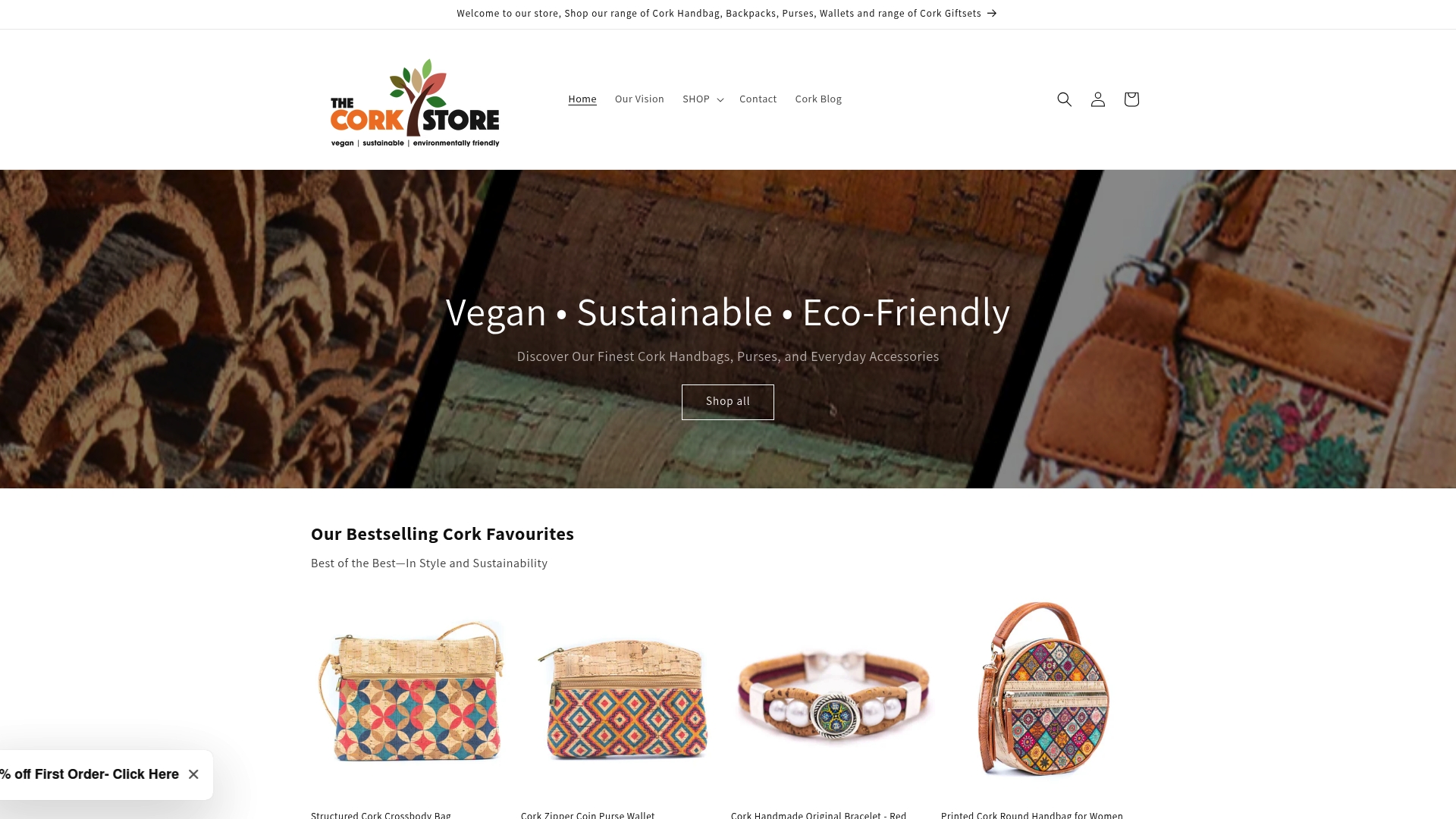
The Cork Store specialises in eco-friendly cork materials that support your creative vision whilst honouring environmental values. Whether you’re expanding your upcycling repertoire or seeking inspiration for your next sustainable project, exploring purpose-made cork supplies reveals new dimensions in eco-conscious crafting. Quality materials paired with your creativity and these techniques create accessories that showcase both style and sustainability.
FAQ
Is it better to use natural or synthetic cork for upcycling?
Natural cork performs best for most projects, whilst synthetic cork may prove less suitable due to different composition and properties. Natural cork offers superior durability, authentic texture, and environmental benefits that synthetic alternatives cannot match. Synthetic corks often contain plastics that don’t age gracefully and lack the moisture resistance and elasticity that make natural cork ideal for accessories. For projects you want to last, invest time in collecting quality natural corks rather than settling for synthetic substitutes.
How do I prevent cork warping in my DIY projects?
Lay cleaned corks flat for 72 hours in a dry, well-ventilated space to equalise moisture content throughout the material. This acclimation step significantly reduces warping after assembly by stabilising cork before you commit to permanent construction. Avoid placing corks near heat sources or in direct sunlight during acclimation, as uneven drying causes the very warping you’re trying to prevent. Patience during preparation saves disappointment later when your finished piece maintains its intended shape beautifully.
Can I use water-based sealants on cork?
Many water-based sealants contain acrylic polymers that crack under heat exposure, allowing moisture penetration that damages cork and causes swelling. Using unsuitable sealants compromises your project’s longevity and appearance, leading to premature failure of protective barriers. Choose sealants specifically formulated for cork or natural porous materials, typically oil-based polyurethane or specialised cork treatments. These products maintain flexibility as cork naturally expands and contracts, providing lasting protection that preserves your hard work.
How long do upcycled cork accessories typically last?
Properly prepared and sealed cork accessories can last five to ten years or longer with appropriate care and maintenance. Durability depends on usage intensity, environmental conditions, and quality of materials and construction techniques. Bath mats in high-traffic bathrooms may need refreshing sealant annually, whilst decorative items in stable environments require minimal maintenance. Regular cleaning and occasional resealing extend lifespan significantly, making cork upcycling a worthwhile investment in sustainable, long-lasting accessories that improve with age rather than deteriorating like synthetic alternatives.