

The role of fashion activism in driving social change
TL;DR:
- Fashion activism uses clothing and industry engagement to challenge social injustices and environmental harm. It promotes systemic change through campaigns, legislation, and community efforts, emphasizing transparency and accountability. Active participation combines personal choices with organized advocacy for lasting impact.
Fashion activism is the deliberate use of clothing and fashion industry engagement as tools to challenge social injustices and environmental harm. Known formally as sartorial activism or dress-based protest, the practice has moved well beyond symbolic gestures into a coordinated force for systemic change. Fair pay tops the list of consumer priorities at 42%, with 36% focused on safe working conditions and 32% on animal welfare. Those figures show that the role of fashion activism is no longer fringe. It sits at the centre of how conscious consumers and organised advocates are reshaping the clothing industry from the ground up.
What are the main issues that fashion activism seeks to address?
Fashion activism targets three overlapping crises: labour exploitation, environmental destruction, and animal welfare. Each one is measurable, and each one is worsening without sustained pressure.
Labour rights and wage theft
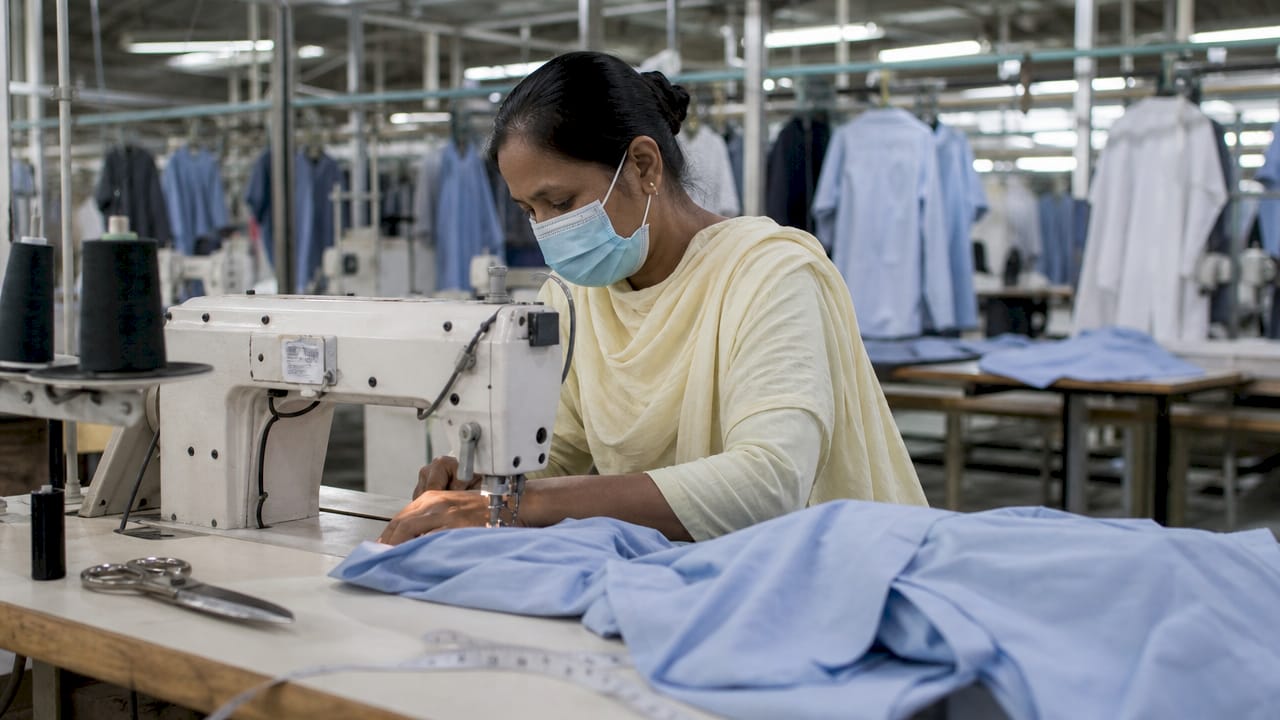
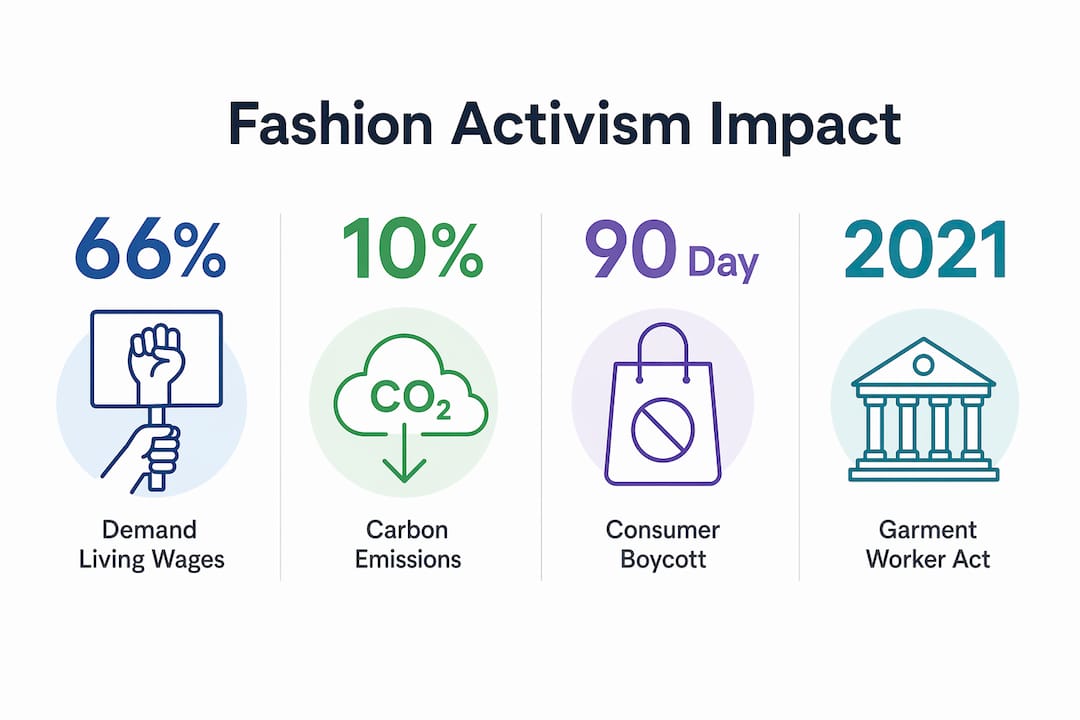
Workers in global garment supply chains routinely earn below living wages. Nearly half of consumers distrust that fashion businesses currently pay fairly, and 66% demand wage transparency across supply chains. That level of public scepticism gives activists a clear mandate to push for enforceable pay standards rather than voluntary pledges.
Environmental damage
The textile industry contributes roughly 10% of global carbon emissions. One in every 25 tonnes of global carbon pollution comes from clothing production alone. That figure places fashion alongside aviation as one of the most carbon-intensive consumer industries on the planet.
Animal welfare and material ethics
Leather, wool, and down production all carry documented welfare concerns. Activists connect these directly to purchasing decisions, pushing brands to adopt cruelty-free materials and publish sourcing policies. The 32% of consumers who rank animal welfare as a top priority represent a commercially significant bloc that brands can no longer ignore.
| Issue | Core demand | Key metric |
|---|---|---|
| Labour rights | Living wages and safe conditions | 66% demand wage transparency |
| Environmental impact | Reduced emissions and textile waste | 10% of global carbon emissions |
| Animal welfare | Cruelty-free sourcing | 32% of consumers prioritise it |
| Supply chain transparency | Public traceability data | 49% distrust current pay practices |
The lack of supply chain transparency cuts across all three issues. Without published data on sourcing, wages, and materials, consumers and activists cannot hold brands accountable. Understanding transparency in fashion is therefore a prerequisite for effective advocacy.
How does fashion activism operate through different strategies?
Fashion activism works through multiple levers simultaneously. Public campaigns generate awareness. Shareholder activism and policy lobbying apply financial pressure. Effective activism blends public demonstration with behind-the-scenes lobbying, forcing executives to confront sustainability as a financial risk rather than a reputational nicety.
The main mechanisms in practice
-
Consumer boycotts and buying bans. Organised shopping bans, like the 90-day boycott involving nearly 10,000 participants that contributed to the 2021 California Garment Worker Protection Act, demonstrate that coordinated consumer action can produce binding legislation.
-
Social media advocacy. Campaigns on Instagram, TikTok, and X amplify worker testimonies and brand exposés to millions of people within hours. The reach is real, but the impact is temporary without structural follow-through.
-
Legislative lobbying. Activists work directly with policymakers to draft and pass laws covering living wages, supply chain disclosure, and environmental standards. The California Garment Worker Protection Act is the clearest recent example of lobbying translating into enforceable rights.
-
Shareholder activism. Investors aligned with activist goals table resolutions at annual general meetings, forcing boards to address sustainability risks on the record. This tactic reaches executives who are otherwise insulated from public pressure.
-
NGO collaboration. Partnerships between grassroots groups and established non-governmental organisations combine community credibility with institutional access. Celebrity visibility raises awareness but needs to be paired with enforceable standards and NGO collaboration to reduce poverty in fashion supply chains.
-
Grassroots and community organising. Clothing swaps, repair cafés, and community sewing groups build lasting networks independent of social media algorithms.
Pro Tip: If you want your activism to outlast a news cycle, invest in offline community structures. Clothing swaps and local repair groups build social capital that no algorithm change can erase.
Fashion activism is pivoting away from viral campaigns toward resilient, decentralised grassroots networks. That shift matters because algorithm changes on major platforms can silence a movement overnight. Community-based action cannot be switched off by a platform update.
What impact has fashion activism had on industry practices?
The impact of fashion activism is measurable, though uneven. Legislative wins sit alongside persistent failures of enforcement. Brand behaviour has shifted, but often only under sustained pressure.
Legislative and traceability wins
The California Garment Worker Protection Act of 2021 stands as the most cited legislative achievement of recent fashion activism. It eliminated piece-rate pay, which had kept garment workers below minimum wage for decades. Separately, activism has tracked the traceability and environmental impacts of 52 major brands between 2019 and 2024, creating a public record that brands cannot easily erase.
Brand behaviour and the cost of neutrality
Silent brands in 2026 are increasingly viewed with suspicion. Public political stances are becoming a baseline expectation for corporate responsibility, not a differentiator. Brands that stay quiet on labour rights or environmental policy are now read as complicit rather than neutral.
“Brand neutrality is increasingly perceived as corporate irresponsibility. Consumers and activists expect clear stances on social justice from fashion brands.” — Vogue, 2026
The limits of celebrity endorsement
Celebrity promotion alone does not produce systemic change. Sustainable change requires legal enforceability, including living-wage commitments and NGO lobbying, to reduce poverty in fashion supply chains. A celebrity wearing an ethical brand generates press coverage. It does not compel a factory owner to raise wages.
Consumer behaviour shifts
Highlighting the environmental costs of design choices reduces the attractiveness of trendy clothing and shifts consumer behaviour toward sustainable fashion. That finding matters because it confirms that information, framed correctly, changes purchasing decisions. Activists who communicate environmental costs clearly are doing more than raising awareness. They are altering the psychology of shopping.
How can activists and conscious consumers contribute effectively?
Individual action and collective pressure are not competing strategies. The most effective contributors combine both, moving between personal choices and organised advocacy depending on the moment.
Practical steps that create real impact
-
Repair and extend garment life. The most impactful activism includes repairing and extending the lifecycle of existing garments rather than buying new items, even ethical ones. Reducing demand is more powerful than redirecting it.
-
Support transparent brands. Choose brands that publish supply chain data, pay audits, and material sourcing policies. Knowing how to spot sustainable fashion is the first practical skill every conscious consumer needs.
-
Engage in community organising. Join or start a clothing swap, a repair café, or a local fashion activism group. These structures build the decentralised networks that sustain movements beyond viral moments.
-
Advocate for policy change. Write to your MP, sign petitions for supply chain legislation, and support organisations lobbying for living-wage laws. Consumer pressure matters, but legal enforcement matters more.
-
Avoid symbolic gestures without follow-through. Buying one ethical item while continuing high-volume fast fashion consumption does not constitute activism. Structural change requires consistent behaviour, not occasional virtue.
Pro Tip: Before buying anything new, ask whether you can repair, borrow, or swap for it instead. That single question, applied consistently, does more for reducing fashion waste than any single purchase decision.
Conscious consumers who understand ethical fashion principles are better equipped to distinguish genuine accountability from greenwashing. That distinction is the foundation of credible advocacy.
Key takeaways
Fashion activism drives real change only when consumer pressure, legislative lobbying, and community organising work together rather than in isolation.
| Point | Details |
|---|---|
| Labour rights top the agenda | 66% of consumers demand wage transparency, giving activists a clear and measurable target. |
| Environmental stakes are high | The textile industry produces roughly 10% of global carbon emissions, making fashion a priority for climate advocates. |
| Legislation beats celebrity | Enforceable laws like the California Garment Worker Protection Act produce lasting change; celebrity endorsement alone does not. |
| Repair beats replacement | Extending garment life reduces overproduction more effectively than switching to ethical new purchases. |
| Brand neutrality is finished | Silent brands face growing suspicion in 2026; public stances on social justice are now a baseline expectation. |
Why I think fashion activism needs less virality and more staying power
I have watched fashion activism cycle through the same pattern repeatedly. A scandal breaks. A hashtag trends. Brands issue statements. Six weeks later, nothing has changed structurally. The cycle is not evidence that activism fails. It is evidence that virality alone is the wrong metric for success.
The movements that have produced real outcomes, including the California Garment Worker Protection Act, were built on years of unglamorous organising: legal research, coalition building, direct lobbying, and sustained consumer pressure. None of that work went viral. Most of it happened in meeting rooms and community halls.
What I find genuinely encouraging in 2026 is the shift toward decentralised, community-based structures. Clothing swaps and repair groups are not exciting content. They are, however, immune to algorithm changes and platform shutdowns. They build the kind of social trust that translates into political pressure over time.
The uncomfortable truth is that conscious consumers often overestimate the power of their purchasing decisions and underestimate the power of their political voice. Buying an ethical bag is a good choice. Writing to your MP about supply chain legislation is a more powerful one. The most effective activists do both, and they understand which lever to pull in which moment.
Fashion and social change are inseparable when the pressure is sustained, multi-level, and rooted in community rather than content.
— Aaron
Ethical fashion choices that go further than a label
Thecorkstore exists for conscious consumers who want their accessories to reflect their values without compromise.
Every product in the Thecorkstore range is made from natural cork: a material that is harvested without cutting down trees, fully vegan, and biodegradable. The brand’s blog covers the practical side of ethical fashion, from understanding supply chain transparency to identifying greenwashing. If you are building a wardrobe that aligns with your activism, the cork accessories range at Thecorkstore offers a starting point that is cruelty-free, durable, and genuinely traceable. The editorial content goes deeper, giving you the knowledge to make informed choices beyond a single purchase.
FAQ
What is the role of fashion activism in social change?
Fashion activism uses clothing choices, consumer pressure, and advocacy to challenge labour exploitation, environmental harm, and corporate unaccountability within the fashion industry. It operates through boycotts, legislation, and community organising to produce systemic rather than symbolic change.
Why is ethical fashion important for activists?
Ethical fashion aligns purchasing decisions with activist values by supporting fair wages, safe working conditions, and cruelty-free materials. With 66% of consumers demanding wage transparency, ethical fashion choices send a measurable signal to brands and policymakers.
What are the most effective fashion activism examples?
The 2021 California Garment Worker Protection Act, driven partly by a 90-day consumer shopping ban involving nearly 10,000 participants, is the clearest recent example of fashion activism producing enforceable legal change.
How can I participate in sustainable fashion movements?
Repair and extend the life of existing garments, support brands that publish supply chain data, join local clothing swaps or repair groups, and advocate for supply chain legislation with your elected representatives.
Does buying ethical fashion count as activism?
Purchasing from ethical brands is a meaningful choice, but it is not sufficient on its own. Sustainable change requires legal enforcement, community organising, and policy advocacy alongside individual consumer decisions.