

Top eco-fashion trends 2025: what's shaping style now
TL;DR:
- Eco-fashion in 2025 is driven by material innovation, circular design, and supply chain transparency. Consumers are increasingly choosing verified sustainable fabrics and supporting brands with transparent sourcing and recycling programs. Building an eco-conscious wardrobe involves secondhand shopping, careful fabric care, and selecting accessories made from sustainable materials.
Eco-fashion in 2025 is defined by three forces: material innovation, circular design, and supply chain transparency. The global sustainable apparel market is projected to reach $200 billion by 2026, and secondhand clothing sales rose 25% in 2024 alone. These are not niche figures. They signal a structural shift in how fashion is made, sold, and worn. The top eco-fashion trends 2025 are being shaped by brands like Patagonia, technologies like digital product passports, and a consumer base that is increasingly unwilling to separate style from ethics.
1. What are the top sustainable materials shaping eco-fashion in 2025?
Sustainable materials are the foundation of every credible eco-fashion movement, and 2025 has brought a clear hierarchy. Organic cotton, hemp, Tencel, and next-generation materials like mycelium leather are leading the field. Each offers a distinct environmental advantage over conventional textiles.
- Organic cotton production grew by 20% in 2024. That growth reflects both consumer demand and brand commitments to reducing pesticide use in fibre sourcing.
- Hemp and Tencel use rose 15% in 2024. Both are biodegradable, require less water than conventional cotton, and produce minimal processing waste.
- Mycelium leather is the material attracting the most attention from luxury analysts. It is grown from fungal root structures, is fully biodegradable, and requires no animal inputs.
The most significant shift in 2025 is not which fibre wins. Luxury analysts confirm that the industry has moved from debating natural versus synthetic to evaluating measurable environmental impact. A recycled polyester jacket may outperform an organic linen shirt on carbon metrics. Context now matters more than category.
Pro Tip: When buying sustainable clothing, look for certifications like GOTS (Global Organic Textile Standard) or OEKO-TEX rather than relying on fabric type alone. These labels confirm the full production chain, not just the raw material.
For a deeper look at how these fabrics compare, Thecorkstore’s sustainable fabrics guide breaks down eco-friendly materials with practical buying guidance.
2. How does circular fashion influence eco-fashion trends in 2025?
Circular fashion is the practice of keeping garments in use for as long as possible, then recovering their materials at end of life. It contrasts directly with the linear model of make, wear, discard. In 2025, circular principles are no longer aspirational. They are becoming standard practice for leading brands.
Circular fashion prioritises garment longevity through modular design, durability, and repair and resale schemes as the true drivers of environmental impact reduction. That framing matters because it shifts the conversation away from what a garment is made of and towards how long it stays in use.
Key circular fashion developments in 2025 include:
- Modular clothing with interchangeable components, allowing consumers to replace worn sections rather than discard the whole garment.
- Design for disassembly, where mono-materials and modular approaches make garments easier to recycle at end of life.
- Chemical textile recycling, which separates blended fibres at a molecular level, producing higher-quality recycled textiles than mechanical shredding allows.
- Brand resale programmes, where labels like Patagonia and Eileen Fisher buy back worn items, refurbish them, and resell them at reduced prices.
- Upcycled designs, which now hold a 10% market share in 2025. That figure has grown steadily as consumers seek one-of-a-kind pieces with a verified provenance.
Pro Tip: Before buying new, check whether the brand runs a take-back or resale scheme. Patagonia’s Worn Wear programme and Eileen Fisher’s Renew line are two of the most established examples in the market.
3. What new manufacturing innovations are driving green fashion in 2025?
Manufacturing is where most of fashion’s environmental damage occurs, and 2025 has seen meaningful progress in cleaner production methods. The focus has shifted from raw materials to the processes that transform them.
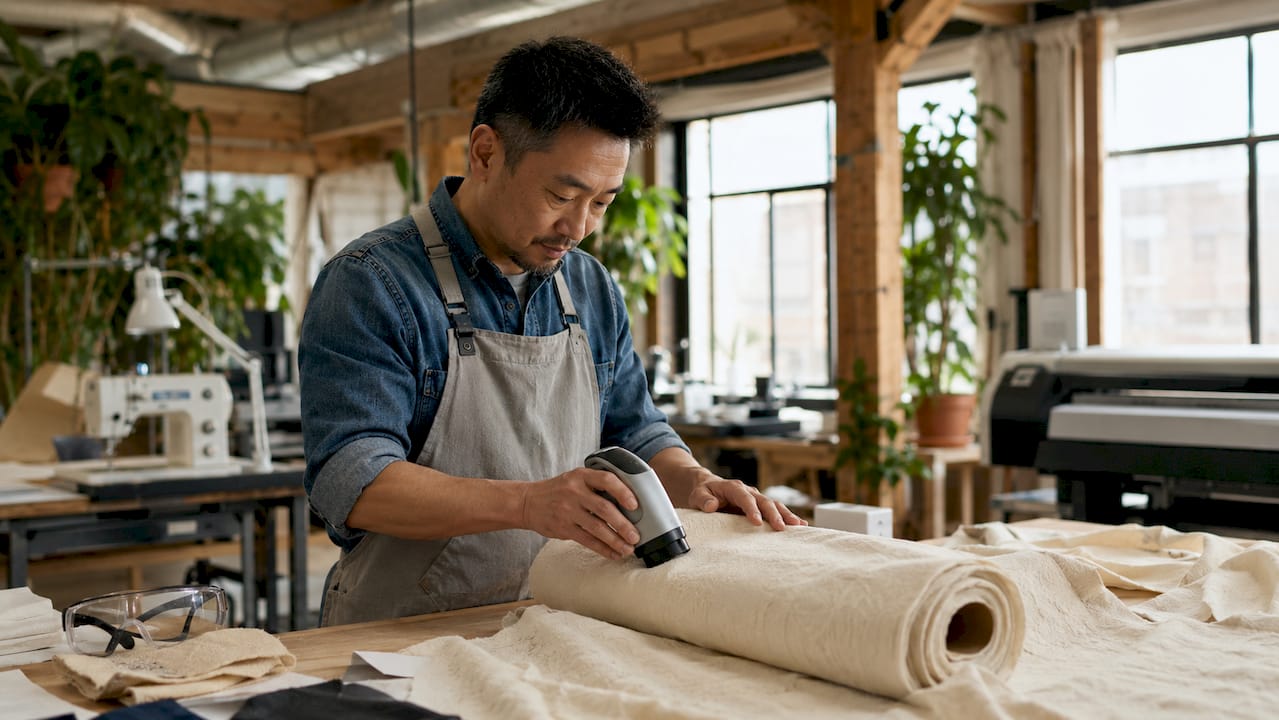
Waterless CO₂ dyeing and bluesign®-approved processes are the two most significant finishing innovations reducing water use and toxic chemical discharge in garment production. Traditional dyeing consumes enormous volumes of water and releases chemical effluent into local waterways. CO₂ dyeing replaces water with pressurised carbon dioxide, achieving vivid colour without liquid waste.
Additional manufacturing trends gaining ground in 2025 include:
- Natural and biobased dyes derived from plants, algae, and food waste, replacing synthetic dyes that contain heavy metals and carcinogens.
- Digital sampling, where garments are designed and tested virtually before any physical sample is cut, reducing fabric waste in the development process.
- Non-toxic finishing agents that make fabrics water-resistant or wrinkle-free without the PFAS chemicals (commonly called “forever chemicals”) found in conventional treatments.
Consumer education on finishing processes is often overlooked. A garment labelled “organic cotton” may still be finished with toxic chemicals unless the brand specifies otherwise. Checking for bluesign® certification or OEKO-TEX Standard 100 on the finished product closes that gap.
4. How are supply chain transparency and consumer awareness shaping eco-fashion choices?
Transparency is the mechanism that makes every other eco-fashion trend verifiable. Without it, claims about sustainable materials or ethical manufacturing are unconfirmable. In 2025, the tools and consumer appetite for verification have both matured significantly.
Brands disclosing their supply chain sourcing increased by 30%, and 70% of consumers are willing to pay more for verified sustainable brands. That willingness to pay a premium is the commercial signal that makes transparency a business priority, not just an ethical one.
| Transparency tool | What it does | Consumer benefit |
|---|---|---|
| Digital product passport | Records origin, materials, and supply chain history | Enables informed purchasing and resale |
| Fair Trade certification | Verifies fair wages and safe conditions for workers | Confirms ethical labour practices |
| bluesign® approval | Audits chemical use and water management in production | Guarantees non-toxic finishing processes |
| GOTS certification | Covers organic fibre and full processing chain | Confirms end-to-end organic standards |
Digital product passports do more than support marketing claims. They record a garment’s full history, enabling repair, resale, and recycling at each stage of its life. Thecorkstore’s guide on fashion transparency explains how brands are using these tools to build genuine consumer trust.
5. How to build a wardrobe around eco-fashion trends in 2025
Adopting sustainable fashion trends does not require replacing everything you own. The most effective approach is selective and deliberate. Start with how you shop, then address how you care for what you already have.
Practical steps for building an eco-conscious wardrobe in 2025:
- Shop secondhand first. Platforms like Vinted and Depop, as well as brand resale schemes, offer verified pre-owned garments at lower prices and with a fraction of the environmental cost of new production.
- Try rental and subscription services. For occasion wear or trend-led pieces, renting removes the need to own items worn only once or twice.
- Build a capsule wardrobe. A small collection of durable, versatile pieces in neutral colours reduces decision fatigue and the temptation to buy trend-driven fast fashion.
- Choose multi-functional clothing. Elevated loungewear, convertible garments, and pieces that work across multiple settings extend cost-per-wear and reduce overall consumption.
- Care for sustainable fabrics properly. Avoiding harsh softeners, washing less frequently, and air drying extends garment life significantly. Fabric softeners coat fibres and accelerate breakdown, particularly in natural textiles.
Pro Tip: Wash sustainable fabrics in cold water on a gentle cycle. Hot water and aggressive spin cycles degrade natural fibres faster than wear does.
Thecorkstore’s overview of ethical fashion trends covers how these wardrobe principles connect to the broader ethical fashion movements reshaping retail in 2025.
6. Which ethical fashion movements are gaining the most ground in 2025?
Ethical fashion in 2025 extends beyond environmental impact to include labour rights, animal welfare, and community economics. These movements are increasingly interconnected, and the strongest brands address all three simultaneously.
Veganism in fashion is one of the fastest-growing ethical movements. Cork, as used by Thecorkstore, is a prime example of a material that is plant-derived, biodegradable, and harvested without harming the tree. It sits at the intersection of vegan credentials and genuine environmental performance. Sustainable jewellery is following a similar path, with brands like Australian Opal Direct demonstrating how ethical sourcing can be applied to accessories beyond clothing.
Slow fashion, the deliberate rejection of trend cycles in favour of quality and longevity, is gaining mainstream traction. Consumers are buying fewer pieces and keeping them longer. That behaviour shift is the single most effective individual action for reducing fashion’s environmental footprint.
Key takeaways
The most effective eco-fashion strategy in 2025 combines verified sustainable materials, circular design principles, and supply chain transparency to reduce environmental impact at every stage of a garment’s life.
| Point | Details |
|---|---|
| Materials matter, but context matters more | Evaluate environmental impact over the full production chain, not just the fibre type. |
| Circular design extends garment value | Modular construction, resale schemes, and chemical recycling keep clothes in use longer. |
| Transparency tools are now consumer-facing | Digital product passports and certifications like GOTS let you verify claims before you buy. |
| Fabric care is part of sustainability | Washing less, using cold water, and air drying extend garment life and reduce ecological harm. |
| Secondhand shopping is the fastest win | Pre-owned clothing delivers immediate impact reduction without waiting for industry change. |
Why the eco-fashion conversation is finally maturing
For years, sustainable fashion felt like a trade-off. You either wore something ethical or something you actually wanted to wear. That tension has largely dissolved by 2025, and I think the reason is specificity. Brands are no longer allowed to hide behind vague claims. Digital product passports, third-party certifications, and an increasingly informed consumer base have made greenwashing genuinely costly.
What strikes me most is the shift in how materials are evaluated. The old debate, natural versus synthetic, was always too simple. A conventionally grown cotton T-shirt can have a larger carbon footprint than a well-produced recycled polyester fleece. The industry has finally accepted that, and it changes everything about how you should shop.
The area I watch most closely is chemical recycling. Mechanical recycling of blended fabrics has always produced lower-quality outputs, which limited its commercial viability. Chemical separation changes that equation entirely. If it scales, it removes one of the biggest structural barriers to a genuinely circular fashion system.
My honest view is that consumer behaviour is ahead of industry infrastructure right now. People want to buy better. The tools to verify those purchases are improving fast. The gap that remains is in end-of-life systems. Until take-back and recycling programmes are as easy as buying new, the circular economy in fashion will remain partial. That is the problem worth solving next.
— Aaron
Sustainable style starts with what you carry
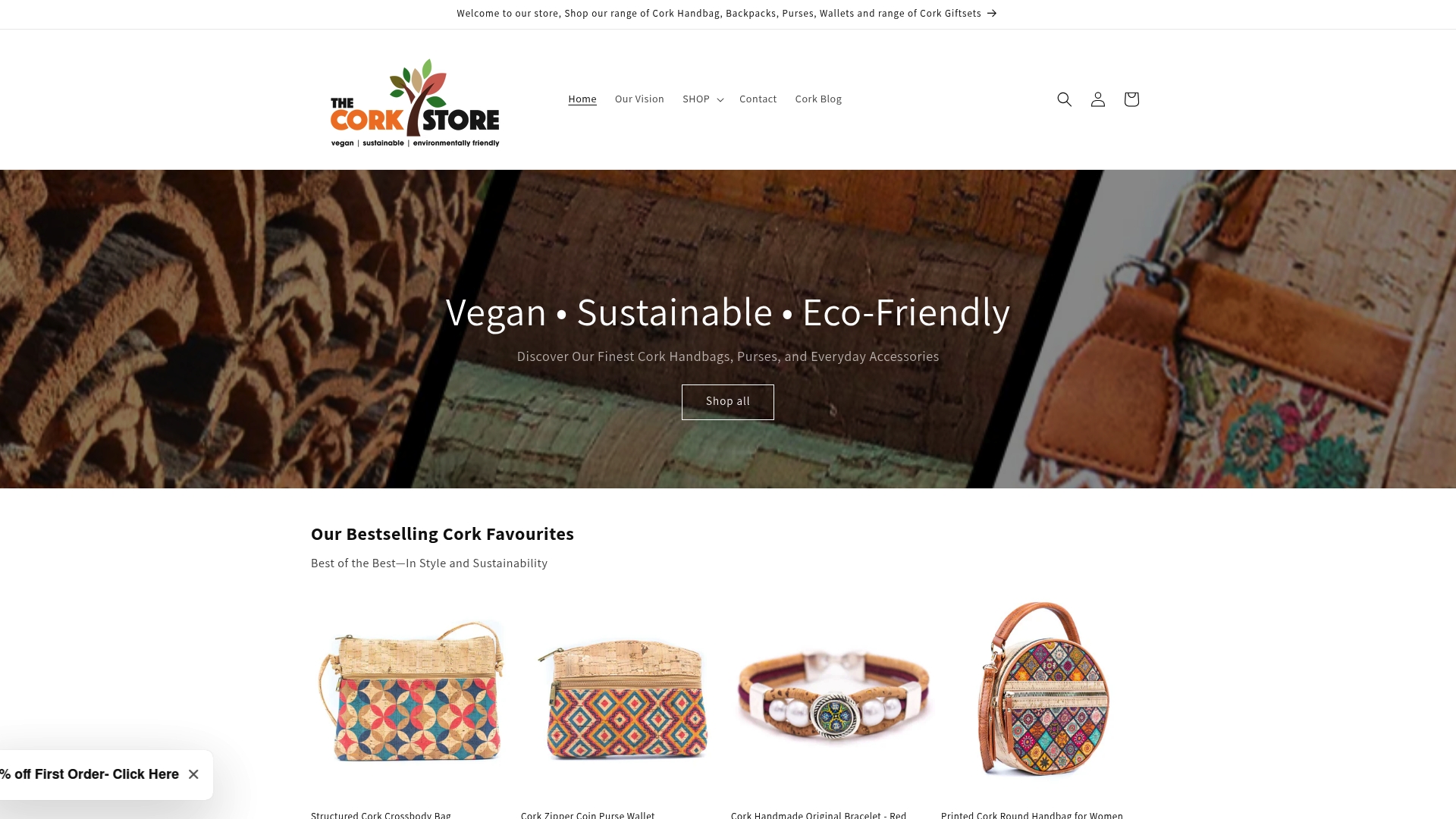
Your wardrobe choices extend beyond clothing. The accessories you carry every day, your bag, your wallet, your card holder, carry the same ethical weight as the garments you wear. Thecorkstore’s range of vegan cork accessories is made from natural cork harvested without felling the tree, making each piece biodegradable, cruelty-free, and genuinely sustainable. The collection includes handbags, backpacks, wallets, and gift sets that align directly with the green fashion innovations defining 2025. If you are building an eco-conscious wardrobe, the accessories you choose matter as much as the clothes.
FAQ
What is eco-fashion in 2025?
Eco-fashion in 2025 refers to clothing and accessories designed to minimise environmental and social harm across their full lifecycle, from raw material sourcing through to end-of-life recycling or biodegradation.
Which sustainable fabrics are trending most in 2025?
Organic cotton, hemp, Tencel, and mycelium leather are the leading trending eco-friendly fabrics in 2025, with biodegradable fabric use rising 15% and organic cotton production growing 20% in 2024.
How do digital product passports support sustainable fashion?
Digital product passports record a garment’s origin, materials, and supply chain history, enabling consumers to verify sustainability claims and facilitating repair, resale, and recycling throughout the garment’s life.
Is secondhand shopping the most sustainable option?
Buying pre-owned clothing is one of the most effective individual actions for reducing fashion’s environmental footprint, as it bypasses new production entirely and extends the useful life of existing garments.
How can I tell if a brand is genuinely sustainable?
Look for third-party certifications such as GOTS, OEKO-TEX, Fair Trade, or bluesign® approval. These are independently verified and cover the full production chain, not just the finished product’s marketing claims.