

Eco-fashion must-haves: your 2026 certified guide
TL;DR:
- Certified, versatile eco-fashion pieces with full supply chain verification significantly reduce environmental impact and prevent greenwashing.
- Building a capsule wardrobe from durable, low-impact materials like organic cotton, linen, hemp, and Tencel maximizes longevity and sustainability.
Eco-fashion must-haves are certified, versatile wardrobe essentials that meet both ecological and ethical production standards, not simply garments made from natural fibres. The industry term is sustainable fashion, and the most credible pieces carry independent certification from bodies such as the Global Organic Textile Standard (GOTS), which covers the full textile supply chain from fibre to finished product. Building a wardrobe around these pieces reduces water consumption, limits chemical exposure, and eliminates cruelty from your closet. This guide covers the certifications, materials, clothing types, and care practices that define genuinely responsible style in 2026.
1. Which certifications should eco-fashion must-haves carry?
GOTS certification covers the full textile processing chain, including spinning, knitting, weaving, dyeing, and manufacturing, with independent verification at every stage. That scope matters because many brands claim “organic” based solely on raw fibre sourcing, which leaves processing and manufacturing entirely unaccountable. GOTS closes that gap by requiring ecological and social criteria compliance throughout, including chemical restrictions and wastewater treatment.
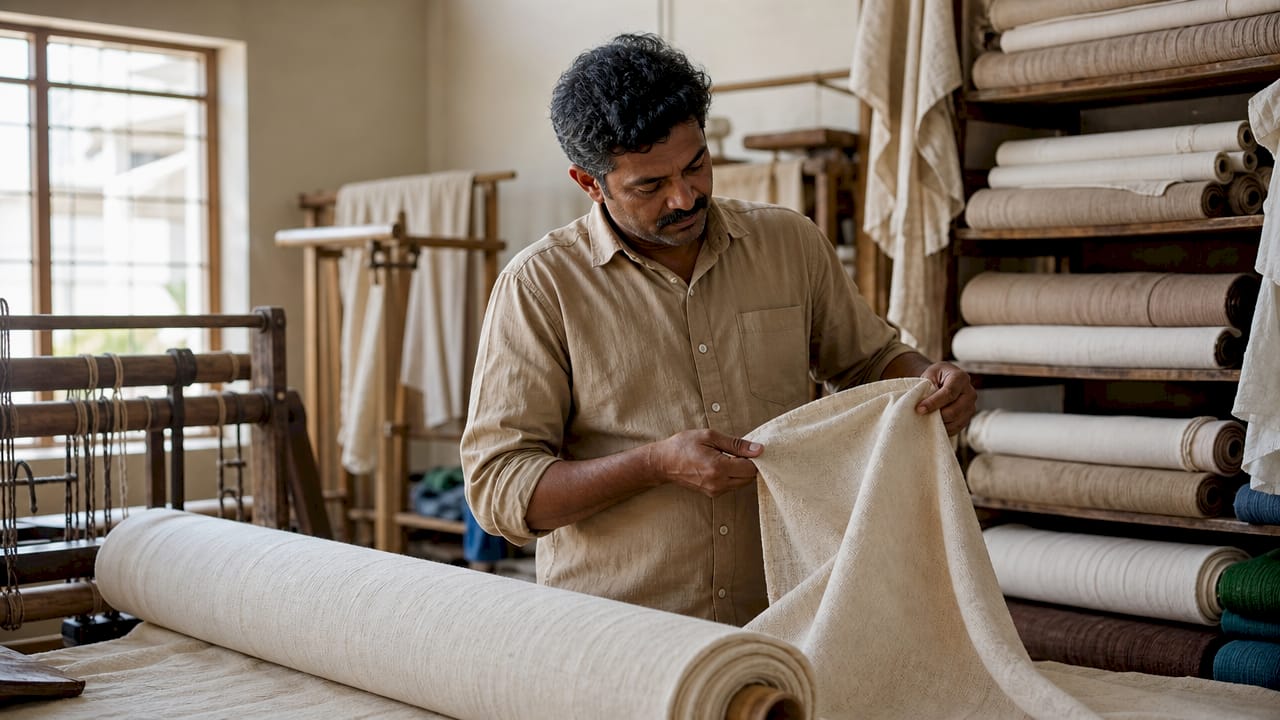
Greenwashing is the single biggest obstacle for eco-conscious shoppers. A garment labelled “made with organic cotton” may still be dyed with toxic chemicals or produced under poor labour conditions. Full-chain certification prevents this by validating every link in the supply chain, not just the farm.
Other certifications worth recognising include the Responsible Wool Standard (RWS), which addresses animal welfare and land management for wool products, and Fair Trade, which focuses on fair wages and safe working conditions. Each serves a different purpose, so checking which standard applies to which part of the product is worthwhile.
| Certification | Scope | Key criteria |
|---|---|---|
| GOTS | Full supply chain | Organic fibre, chemical restrictions, social standards |
| RWS | Wool sourcing | Animal welfare, land stewardship |
| Fair Trade | Labour practices | Fair wages, safe conditions |
| OEKO-TEX Standard 100 | Finished product | Harmful substance limits |
Pro Tip: When shopping online, search the GOTS public database directly at global-standard.org to verify a brand’s certification status before purchasing. A logo on a website is not the same as a verified listing.
2. Top eco-fashion must-have materials and why they matter
Organic cotton, linen, hemp, Tencel, and recycled polyester each offer distinct sustainability advantages that make them the most trusted fibres in responsible fashion. Organic cotton uses significantly less water than conventional cotton and avoids synthetic pesticides. Linen and hemp are naturally low-input crops that require minimal irrigation and no pesticide treatment in most growing conditions.
Tencel (the brand name for lyocell produced by Lenzing) is derived from sustainably sourced wood pulp using a closed-loop solvent process that recaptures and reuses over 99% of the chemicals involved. This makes it one of the most resource-efficient fibres available. Recycled polyester, often sourced from post-consumer plastic bottles, reduces virgin petroleum use, though it carries laundering considerations covered later in this guide.
Understanding organic fabrics in depth helps you distinguish genuine sustainability from marketing language. The key characteristics to look for in any eco-fashion fibre are:
- Low water footprint: linen and hemp require a fraction of the water that conventional cotton demands
- Biodegradability: natural fibres like organic cotton, linen, and hemp break down without leaving microplastic residue
- Chemical processing: GOTS-certified dyeing and finishing restricts harmful substances throughout production
- Recyclability: recycled polyester and Tencel support circular fashion models when collected and processed correctly
- Durability: hemp and linen strengthen with washing, reducing the frequency of replacement
Pro Tip: Tencel blended with organic cotton gives you the softness of cotton with the moisture-wicking and drape properties of lyocell. It is one of the most wearable combinations for everyday sustainable wardrobe essentials.
3. Versatile clothing types that make the best ethical fashion must-haves
A capsule wardrobe built around 10 to 15 versatile pieces is the most practical framework for reducing consumption without sacrificing style. The principle is straightforward: fewer, better-quality items that mix and match across occasions replace the need for constant purchasing. Each piece should work across at least three outfit combinations to justify its place.
The strongest candidates for a sustainable capsule include an organic cotton T-shirt in a neutral tone, a classic trench coat in recycled or organic wool blend, wide-leg trousers in linen or Tencel, a versatile midi dress in GOTS-certified fabric, and a structured jacket that transitions from work to weekend. For footwear, eco-friendly options made from natural or recycled materials complete the wardrobe without compromising on ethics.
| Garment | Material | Care | Durability | Use case |
|---|---|---|---|---|
| Classic T-shirt | Organic cotton | Cold wash, air dry | 3 to 5 years | Everyday, layering |
| Trench coat | Recycled wool blend | Spot clean, dry clean | 8 to 10 years | Outerwear, travel |
| Wide-leg trousers | Linen or Tencel | Cold wash, hang dry | 4 to 6 years | Work, casual |
| Midi dress | GOTS-certified cotton | Cold wash, air dry | 3 to 5 years | Casual, events |
| Structured jacket | Hemp or organic cotton | Cold wash, air dry | 5 to 7 years | Work, smart casual |
Timeless silhouettes outperform trend-led pieces on every sustainability metric. A well-cut linen trouser bought in 2026 will still look considered in 2031. That longevity is the point.
4. How to care for sustainable wardrobe essentials to extend their life
Cold water washing is one of the most impactful choices you can make after purchasing an eco-fashion piece. Hot water washing uses 90% more energy than cold, and the thermal stress accelerates fibre breakdown in both natural and synthetic fabrics. Switching to cold cycles costs nothing and extends garment life considerably.
For synthetic pieces such as recycled polyester, detergent choice and wash frequency directly affect microfibre release. The first wash of polyester fleece releases approximately 5.42 g/kg of microfibres with detergent, compared to 2.82 g/kg without. That difference is significant at scale. Using a microfibre-capture bag such as Guppy Friend or a washing machine filter like Filtrol intercepts these particles before they enter waterways.
Follow these steps to protect your responsibly made garments through every wash:
- Turn garments inside out before washing to reduce surface abrasion
- Use a liquid detergent rather than powder, as powder particles increase fibre friction
- Select a short, gentle cycle at 30°C or below
- Place synthetic items in a Guppy Friend bag to capture shed microfibres
- Air dry all garments flat or on a hanger rather than using a tumble dryer
- Store knitwear folded, not hung, to prevent stretching at the shoulders
- Mend small tears and loose seams immediately rather than waiting until the damage worsens
Pro Tip: Air drying reduces shrinkage and fibre damage significantly, and it extends the colour vibrancy of GOTS-certified dyed fabrics. A drying rack near a window is one of the most underrated sustainability tools in any wardrobe.
5. Eco-fashion must-haves for every budget
Buying fewer, better-quality pieces has a larger sustainability impact than any single material choice. This principle holds across all budget levels, and it reframes how you approach every purchase decision. The question is not “can I afford this?” but “will I wear this 30 times?”
Secondhand and thrift shopping is the most budget-friendly route into sustainable fashion and carries the lowest environmental footprint of any purchasing option. Platforms such as Vinted, Depop, and charity shops across the UK offer GOTS-certified and organic pieces at a fraction of their original price. Buying secondhand extends the active life of a garment and avoids new production entirely.
For those buying new, here is how to prioritise across budget levels:
- Investment pieces (£80 and above): outerwear, structured jackets, and quality footwear. These items receive the most wear and benefit most from superior construction and certified materials.
- Mid-range pieces (£30 to £80): GOTS-certified trousers, dresses, and knitwear from brands with transparent supply chains. Look for published factory lists and third-party audit reports.
- Budget pieces (under £30): organic cotton basics such as T-shirts and vests, or secondhand finds. Recycled polyester is acceptable here for performance or outerwear use, provided you use a microfibre capture bag when washing.
When recycled synthetics appear in eco-fashion collections, they are most defensible in outerwear and performance contexts where durability and weather resistance justify the trade-off. For everyday skin-contact garments, natural certified fibres remain the stronger choice. Learning how to spot sustainable materials before you shop prevents costly mistakes and greenwashing traps.
Key takeaways
Certified, versatile, and well-cared-for garments deliver the greatest sustainability impact because they combine ethical production, reduced resource use, and extended active lifespan.
| Point | Details |
|---|---|
| Prioritise full-chain certification | GOTS covers processing and manufacturing, not just raw fibre, preventing greenwashing. |
| Choose durable, versatile materials | Organic cotton, linen, hemp, and Tencel offer the strongest combination of low impact and longevity. |
| Build a capsule wardrobe | A collection of 10 to 15 well-chosen pieces reduces consumption more than any single material choice. |
| Wash cold and capture microfibres | Cold cycles save energy and Guppy Friend bags prevent synthetic fibre pollution in waterways. |
| Buy secondhand before buying new | Thrifting eliminates new production entirely and is the most budget-friendly sustainable option. |
Why certifications changed how I think about eco-fashion
For years, I focused almost entirely on fibre type when evaluating sustainable fashion. Organic cotton felt like the obvious answer, and anything labelled “natural” seemed trustworthy. That thinking was wrong, and it took reading through GOTS supply chain documentation properly to understand why.
The processing stage is where most of the environmental harm in textile production actually occurs. Dyeing, finishing, and chemical treatment can negate the benefits of an organic fibre entirely if they are not independently verified. GOTS strengthens supply chain due diligence with each update, and the 2026 version places greater emphasis on circularity requirements. That evolution matters because it means the standard is responding to real gaps, not just maintaining the status quo.
What I find most underappreciated in conversations about green fashion trends is the role of laundering. Most people treat washing as a neutral act, but microfibre pollution from synthetic textiles is a measurable environmental harm that happens in your own home, every wash cycle. Choosing a Guppy Friend bag costs around £25 and prevents thousands of plastic particles from entering waterways over the life of a garment. That is a more concrete impact than many purchasing decisions.
My honest recommendation is to spend more time on care and certification than on chasing the newest sustainable fabric trend. The wardrobe that lasts a decade in good condition, washed cold and mended when needed, outperforms a wardrobe of technically superior fibres that are replaced every two years. Timeless style and genuine certification are the two non-negotiables. Everything else is secondary.
— Aaron
Build your eco-fashion collection with Thecorkstore
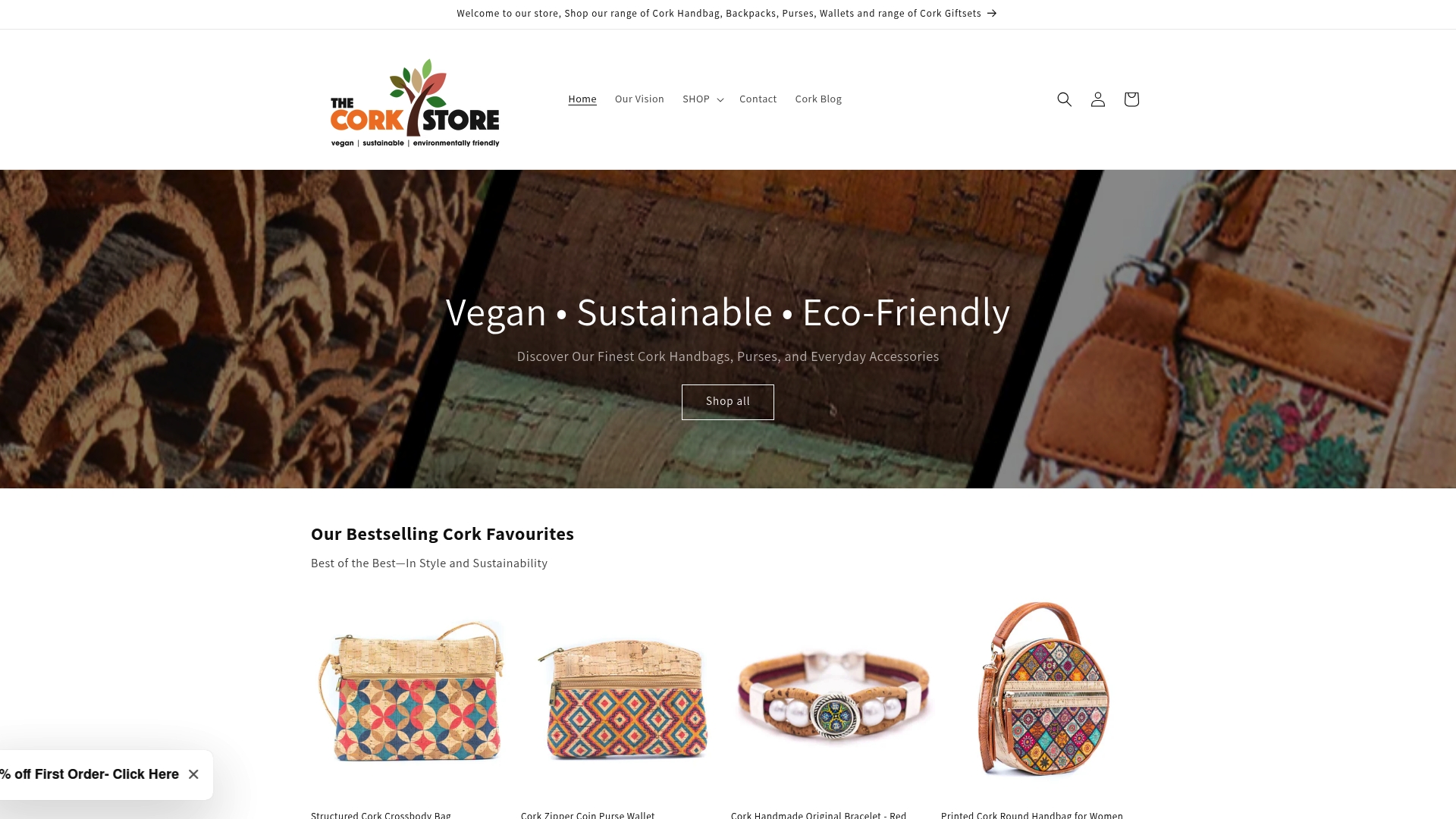
Thecorkstore offers a curated range of vegan cork accessories that complement every sustainable wardrobe. Cork is naturally harvested without felling trees, biodegradable, and completely cruelty-free, making it one of the most credible materials in ethical fashion today. Whether you are looking for a structured handbag, a compact wallet, or a considered gift, the collection aligns directly with the certification and durability criteria covered in this guide. Explore the full range of sustainable cork gifts and find pieces that hold their own alongside your most carefully chosen garments. For further guidance on building a sustainable wardrobe, the Thecorkstore blog covers the full picture.
FAQ
What makes a garment a genuine eco-fashion must-have?
A genuine eco-fashion piece carries independent certification such as GOTS, uses low-impact materials like organic cotton or Tencel, and is designed for longevity rather than seasonal replacement. Certification across the full supply chain is the clearest indicator of credibility.
Is recycled polyester a good choice for sustainable wardrobe essentials?
Recycled polyester reduces virgin petroleum use and is acceptable for outerwear and performance garments, but it releases microfibres during washing. Using a microfibre capture bag such as Guppy Friend significantly reduces this environmental harm.
How many pieces does a sustainable capsule wardrobe need?
A capsule wardrobe of 10 to 15 versatile, high-quality pieces is the standard recommendation. Each item should work across multiple outfit combinations and be made from certified, durable materials to maximise longevity.
How do I verify a brand’s sustainability claims?
Search the GOTS public database at global-standard.org to confirm certification status. Brands with genuine credentials publish their factory lists and third-party audit results openly, rather than relying solely on self-reported claims.
Does washing eco-fashion items in cold water really make a difference?
Cold water washing uses 90% less energy than hot and reduces fibre damage that shortens garment life. For synthetic pieces, it also slightly reduces the volume of microfibres shed per cycle compared to high-temperature washes.