
Why organic fabrics matter: a practical guide
TL;DR:
- The complexity of organic fabrics extends beyond labels, involving certifications, lifecycle data, and actual environmental impacts.
- While certifications like GOTS and Oeko-Tex provide different assurances on supply chains and chemical safety, combining them offers a clearer sustainability picture.
- Ultimately, durability and proper resource management are crucial factors that influence the true eco-friendliness of organic textiles over merely having organic certification.
Most people assume “organic” on a clothing label means the garment is automatically better for the planet and for their skin. That assumption is understandable, but it skips over a genuinely complex story. Why organic fabrics matter goes deeper than a single label or a feel-good marketing claim. It involves certifications with different scopes, lifecycle data that sometimes surprises even committed eco-shoppers, and real health benefits that depend on which standards a product actually meets. This guide cuts through the noise so you can make informed choices, not just well-intentioned ones.
Key takeaways
| Point | Details |
|---|---|
| Certifications differ in scope | GOTS covers the full supply chain; Oeko-Tex Standard 100 tests only the finished product for chemical safety. |
| Environmental impact is context-dependent | Organic farming improves soil health, but overall carbon footprint depends heavily on energy sources and logistics. |
| Health benefits are real but nuanced | Organic fibres reduce pesticide residue exposure, and natural fibres shed fewer microplastics than synthetic alternatives. |
| Durability matters as much as certification | A well-made garment lasting 15 years has a far lower lifetime footprint than a certified piece worn only a handful of times. |
| Combine certifications for full assurance | Seeking both GOTS and Oeko-Tex together gives you the clearest picture of supply chain integrity and product safety. |
Why organic fabrics matter: certifications decoded
The phrase “organic fabric” sounds straightforward. In practice, it covers a spectrum of claims backed by very different levels of scrutiny. Understanding the main certification systems is the single most useful thing you can do before spending money on eco-conscious textiles.
GOTS (Global Organic Textile Standard) is the most thorough supply chain standard available. It covers the entire supply chain from fibre farming through dyeing, processing, and finishing, with annual third-party audits and strict wastewater treatment requirements. To carry the GOTS label, a product must contain at least 70% certified organic fibres and meet environmental and social criteria at every stage of production.
Oeko-Tex Standard 100 works differently. It certifies the finished fabric for harmful substances, testing the end product you actually wear rather than auditing how or where the fibre was grown. A polyester jacket can carry Oeko-Tex Standard 100 certification. That tells you it tested free of harmful chemicals. It tells you nothing about farming methods, water use, or fair labour practices.
The Responsible Wool Standard adds another layer for wool-specific products, covering animal welfare and land management at farm level. Each of these standards answers a different question, and none of them answers all questions on its own.
- GOTS: supply chain sustainability and organic farming integrity
- Oeko-Tex Standard 100: finished product chemical safety
- Responsible Wool Standard: animal welfare and land stewardship in wool production
Pro Tip: When browsing products, treat certifications as separate lenses rather than a single pass or fail. A garment with GOTS tells you about the farm and factory. Oeko-Tex tells you about the finished cloth. Together, they give you a much more complete picture.
The importance of organic materials really becomes clear once you understand that “organic” is not a single uniform standard but a constellation of different assurances depending on which body issued the certificate.
Environmental impact: the honest numbers
Here is where the story gets more nuanced than most articles admit. Organic farming genuinely benefits soil health. Research shows it improves soil carbon and structure, but those benefits come with trade-offs including potential nitrogen losses, and outcomes vary considerably by region and management practice.
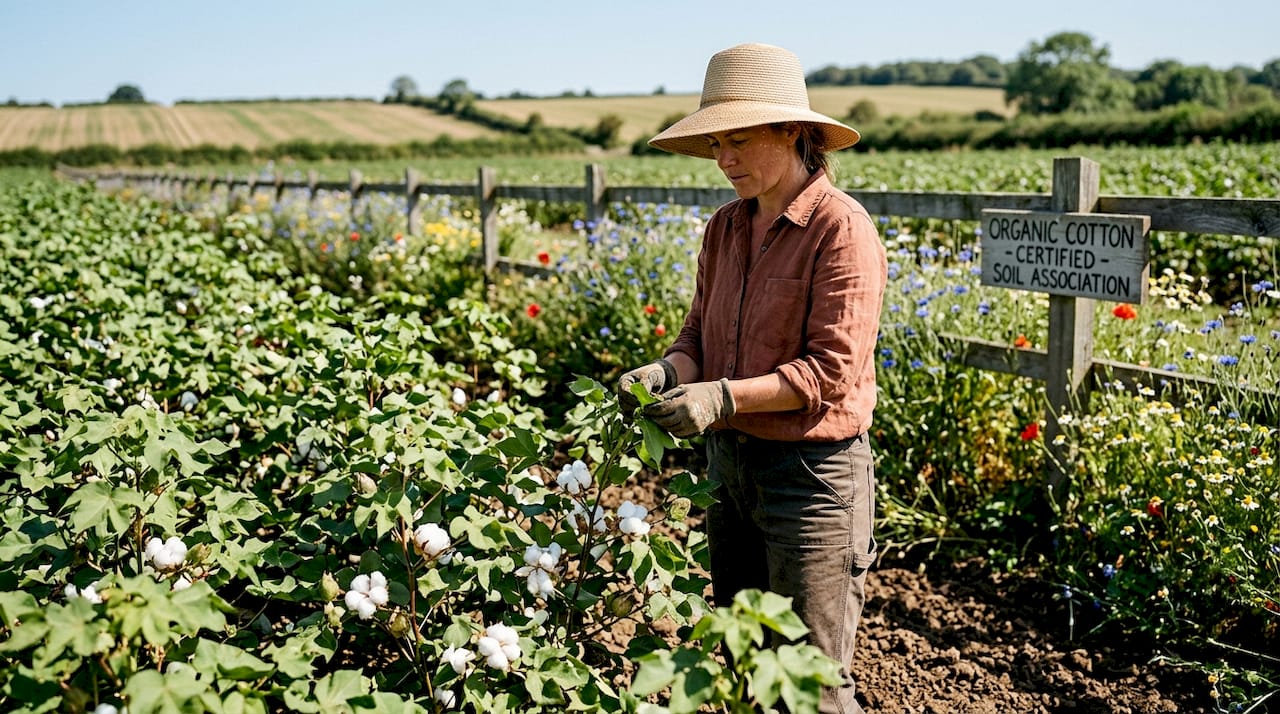
Water use is one of the clearest advantages organic cotton offers over its conventional counterpart. Over 90% of a cotton T-shirt’s water impact occurs at the materials stage, meaning farm-level choices dominate the water footprint. Organic systems that avoid synthetic pesticides and fertilisers typically protect local waterways more effectively.
Carbon footprint is where the picture becomes genuinely complicated. A 2026 cradle-to-grave LCA found that organic cotton trousers can carry a carbon footprint of 12.23 kg CO₂e, which is higher than some polyester blends when supply chain energy profiles are taken into account. Regional electricity mix and logistics routes matter enormously.
| Stage | Organic cotton | Conventional cotton | Synthetic (polyester) |
|---|---|---|---|
| Farming | Lower pesticide load, variable water | Higher pesticide use, variable water | Petroleum-derived, no farming stage |
| Processing | Strict dyeing and wastewater standards (GOTS) | Fewer restrictions on chemicals used | Energy-intensive manufacturing |
| Carbon footprint | Context-dependent; can be higher than synthetics | Generally lower than organic at energy-intensive processing | Lower farming impact; high end-of-life persistence |
| Microplastic pollution | Minimal | Minimal | Sheds microplastics with every wash |
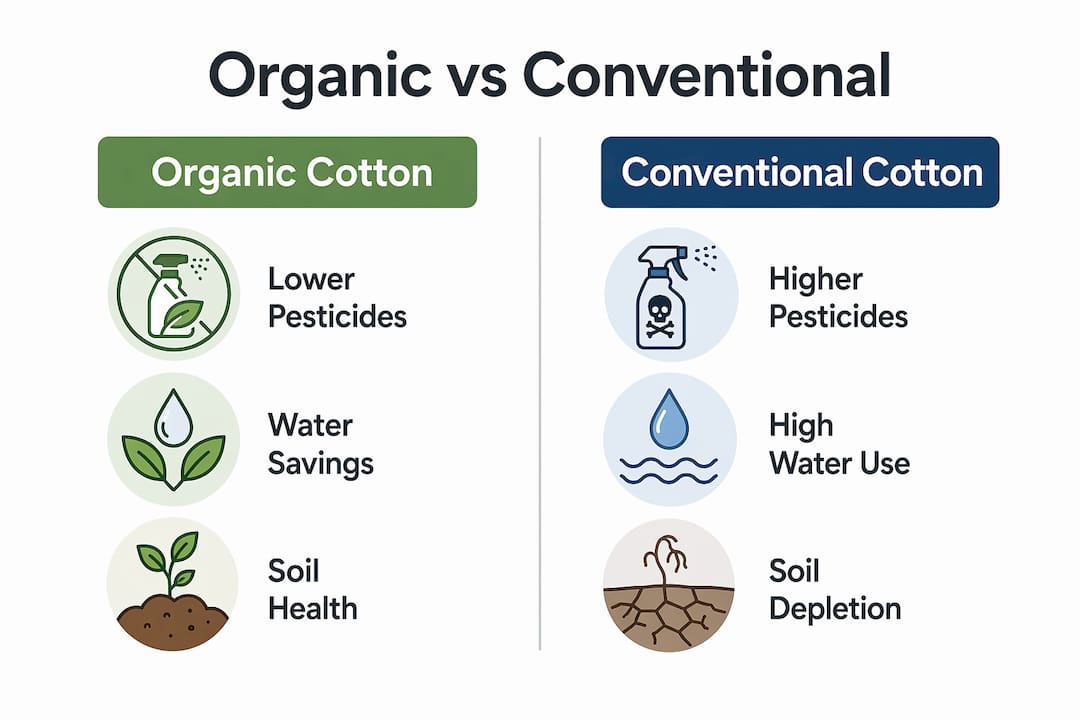
The environmental outcomes of organic vs conventional cotton vary widely due to nitrogen balance, irrigation practices, and local energy sources. Organic is not a guaranteed low-carbon choice. It is a choice that, in the right management context, substantially reduces chemical pollution and supports healthier farming ecosystems.
Pro Tip: When a brand makes sweeping carbon claims for organic products, ask whether they have lifecycle data to support it. Genuine transparency usually means acknowledging trade-offs rather than presenting organic as universally superior.
Health and consumer benefits of organic textiles
Setting aside carbon metrics for a moment, the direct health case for choosing organic textiles is genuinely strong, and it is often the most personally motivating reason to make the switch.
Conventional cotton is one of the most heavily treated crops in the world. Organic farming restricts the use of toxic synthetic pesticides and fertilisers, which means lower pesticide and chemical residues in the finished fabric when production is certified to GOTS and tested by Oeko-Tex. For people with sensitive skin, eczema, or contact allergies, this reduction in residue load can make a tangible difference to daily comfort.
There is also the question of microplastics. Natural and organic fibres shed fewer microplastics than polyester-based textiles during washing. Every cycle of a synthetic garment releases plastic particles that pass through wastewater treatment and enter waterways. Choosing natural fibres is not just better for your skin. It is better for aquatic ecosystems that conventional water treatment cannot adequately protect.
Here is a summary of the main health and consumer reasons to choose organic textiles:
- Reduced exposure to synthetic pesticide and fertiliser residues in the fabric
- Lower risk of contact with harsh chemical dyes and finishing agents
- Better suited to sensitive skin and those prone to allergic reactions
- Fewer microplastics released into water systems during laundering
- Greater transparency about what went into making the product you wear
- Peace of mind backed by third-party audits rather than brand self-declaration
For eco-conscious shoppers, these health benefits of organic fabrics often combine with environmental values to make the choice feel consistent rather than purely symbolic.
Common misconceptions and buying tips
The biggest misconception is the simplest one: organic equals sustainable. It does not, at least not automatically. As the lifecycle data shows, an organic cotton garment manufactured in a country relying on coal-heavy energy and shipped across the world may carry a larger carbon footprint than a locally made, long-lasting synthetic alternative. Context genuinely matters.
A second pitfall catches even experienced eco-shoppers. Buying a product with organic fibre certification but no finished-product chemical safety testing means you know about the farm but not the factory. Equally, buying an Oeko-Tex certified synthetic product tells you the cloth is chemically safe but says nothing about farming practices. Combining GOTS and Oeko-Tex is often necessary to cover both ends of the sustainability story properly.
Durability significantly affects sustainability more than many buyers realise. A fabric that lasts 15 years has a far lower environmental impact per wear than a certified organic piece that pills, fades, and ends up in landfill after two seasons. Certification is a starting point, not a finishing line.
Here are practical steps to make better eco-friendly fabric choices:
- Look for GOTS certification to verify organic farming and responsible processing from fibre to finished fabric.
- Check for Oeko-Tex Standard 100 separately to confirm the product you wear is free of harmful residue levels.
- Research brand transparency. Brands that publish audit results or sourcing maps are generally more trustworthy than those that offer only broad sustainability claims.
- Prioritise durability over novelty. A garment with a longer useful life almost always wins on environmental grounds.
- Consider your washing habits. Gentler, cooler washes extend garment life and reduce fibre degradation regardless of material type.
- For products where fabric certification is unavailable (accessories, bags, shoes), look for naturally derived materials with credible environmental claims.
Exploring sustainable fabric choices through a guide like this one gives you the vocabulary to ask better questions in shops and online.
Turning knowledge into purchasing decisions
Understanding the certification system and the environmental data changes how you shop. When you know that fibre farming dominates water impact, you start caring more about where cotton is grown and how. When you understand that finished-product chemical testing is separate from supply chain auditing, you stop treating a single label as full assurance.
Informed consumers also support better industry practices simply by directing spending towards brands that invest in third-party audits. Certification costs money. When those costs are commercially rewarded, more manufacturers pursue them.
A few principles worth keeping front of mind:
- Buy less, but buy better. One certified, durable item displaces multiple cheap replacements.
- Ask brands directly about their certifications. Legitimate ones will answer clearly.
- Think about end of life. Natural fibres biodegrade; synthetics persist. Composting or textile recycling is far easier with organic natural fabrics.
- Use certifications as a starting point for trust, not a complete substitute for brand research.
These habits align naturally with the broader shift towards eco-friendly fashion trends that prioritise longevity, transparency, and verifiable claims over marketing language.
My honest take on the organic fabric conversation
I’ve spent a lot of time thinking about sustainable materials, and the thing that frustrates me most is how often “organic” gets treated as a shortcut for “ethical” or “sustainable” without any further scrutiny. I’ve seen beautifully certified organic garments with murky supply chains beyond the cotton field, and synthetics unfairly dismissed when they genuinely outlast three organic replacements.
What I’ve learned is that the question is never just “is it organic?” It is “organic, certified to what standard, produced where, with what energy, and how long will it last?” That is a harder question to ask on a busy Saturday afternoon, but it is the right one.
I also think durability deserves far more attention than it currently gets in these conversations. Durability and fabric quality play a critical role in ecological footprint beyond organic certification alone. A beautifully made piece you care for and wear for a decade is a better environmental choice than an annually replaced certified alternative.
My practical advice is this: seek both GOTS and Oeko-Tex together, question bold carbon claims, and buy things that are genuinely built to last. Idealism and evidence are not opposites. The best sustainable choices honour both.
— Aaron
Sustainable accessories that share these values
If the principles behind choosing organic fabrics resonate with you, extending those values beyond clothing is a natural next step. At Thecorkstore, every product is built around the same commitment to transparency, natural materials, and lasting quality that defines genuine sustainability. Cork is a naturally harvested, biodegradable material with no pesticide inputs and a harvesting process that actually benefits the tree and the surrounding ecosystem.
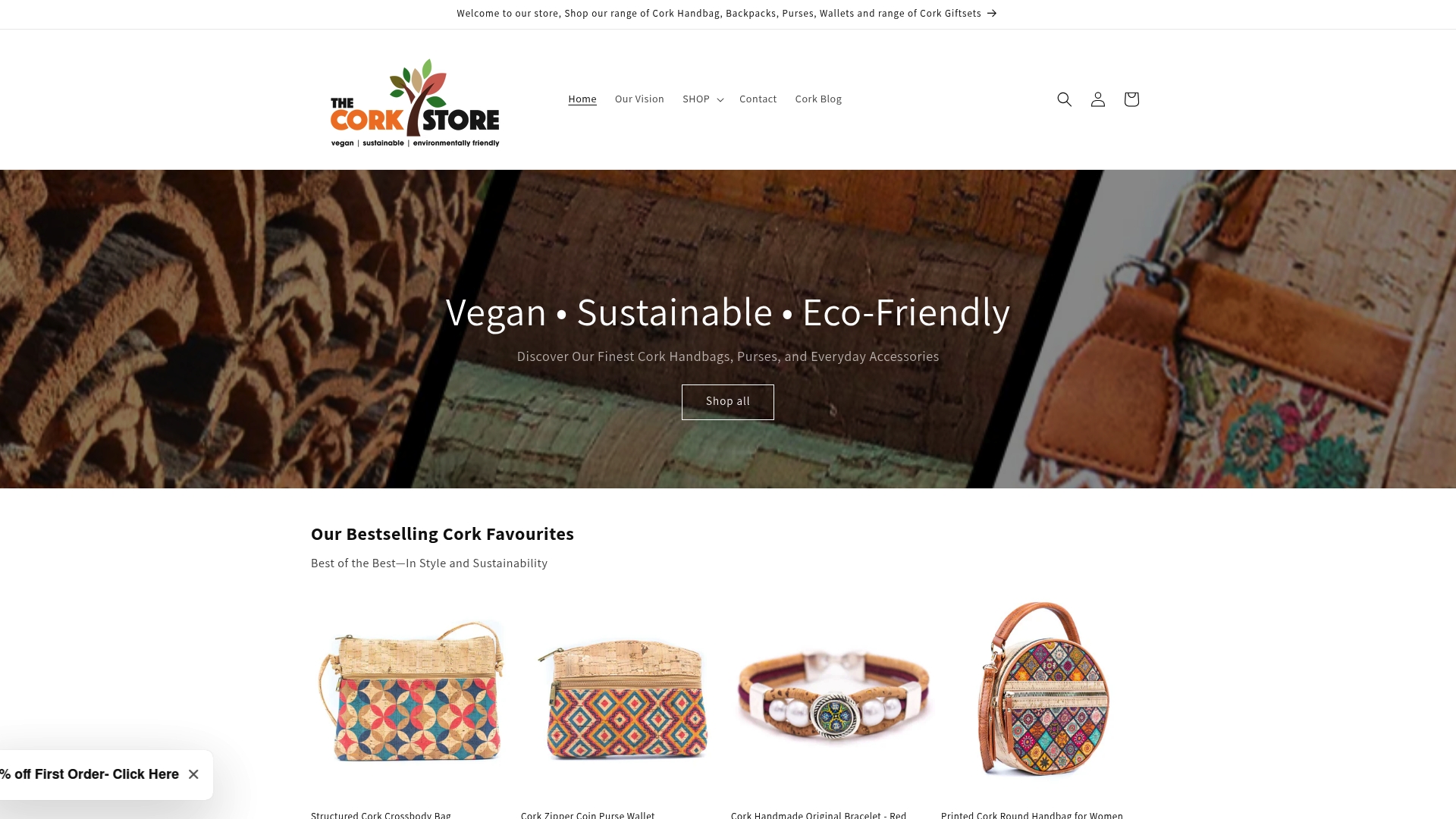
Whether you are looking for a thoughtful gift or a considered addition to your own everyday carry, the Cork Wallet Gift Set is a compelling choice. For a wider selection, the full range of vegan cork gift ideas at Thecorkstore brings together stylish, cruelty-free accessories that stand up to daily use without compromise. Shopping with intention means choosing materials you can actually trust.
FAQ
What does GOTS certification mean for a fabric?
GOTS (Global Organic Textile Standard) certifies that at least 70% of a fabric’s fibres are organically grown and that strict environmental and social criteria are met throughout the entire production chain, from farm to finished product.
Is organic cotton always better for the environment?
Not always. Environmental outcomes vary depending on nitrogen management, irrigation, and regional energy sources, meaning organic cotton can sometimes carry a higher carbon footprint than conventionally produced alternatives in specific supply chain contexts.
What is the difference between GOTS and Oeko-Tex Standard 100?
GOTS covers supply chain sustainability and organic farming; Oeko-Tex Standard 100 certifies only that the finished product is free of harmful substances. They answer different questions and ideally should both be present on a product you buy.
Do organic fabrics reduce microplastic pollution?
Yes. Natural and organic fibres shed significantly fewer microplastics during washing compared to synthetic textiles like polyester, making them a better choice for reducing plastic pollution in waterways.
Why does durability matter for sustainable fabric choices?
A garment that lasts many years delivers a lower environmental impact per wear than a certified organic piece replaced frequently. Certification improves the starting conditions; durability determines the real-world footprint over time.