
Top materials for ethical fashion: eco choices for every style
TL;DR:
- Ethical materials like cork, TENCEL, and mycelium prioritize renewability, biodegradability, and transparency.
- Certifications such as GOTS, GRS, and FSC ensure verifiable sustainable sourcing and production practices.
- True sustainability depends on transparent supply chains, not just eco-friendly materials or marketing claims.
Wanting stylish accessories that don’t cost the earth, in every sense, is no longer a niche concern. Ethical fashion consumers are growing in number, but the materials landscape is genuinely confusing: one label shouts “vegan,” another boasts “recycled,” and yet neither tells the full story. This guide cuts through the noise to examine the most credible eco-friendly materials available right now, from cork and TENCEL to mycelium and organic cotton, so you can choose accessories with real confidence rather than just good intentions.
Table of Contents
- How to evaluate materials for ethical fashion
- Cork: the stylish vegan leather alternative
- Plant-based and future fibres: TENCEL, hemp, and mycelium
- Organic cotton and recycled fibres: old favourite, new potential
- Comparison table: top ethical materials at a glance
- Why true material transparency is the future of ethical fashion
- Discover ethical accessories made with leading eco materials
- Frequently asked questions
Key Takeaways
| Point | Details |
|---|---|
| Cork leads for accessories | Cork offers a truly vegan, renewable, and microbial-resistant alternative for stylish wallets, bags, and belts. |
| Certification matters | Look for GOTS, GRS, or clear life-cycle data to verify ethical and environmental claims. |
| Mind the microplastics | Not all recycled or vegan-labelled fabrics are safe from microplastic pollution—prioritise plant-based materials. |
| Fibre blends affect durability | Organic and recycled fibre blends may reduce longevity, so choose pure options where possible for everyday use. |
| Transparency is key | Brands sharing sourcing, production, and impact data are the true leaders in ethical fashion today. |
How to evaluate materials for ethical fashion
Before falling for a beautiful bag simply because it’s labelled “cruelty-free,” it pays to understand what makes a material genuinely ethical. The criteria go well beyond whether an animal was harmed. True ethical fashion considers renewability, biodegradability, chemical inputs during production, fair labour throughout the supply chain, durability (because a long-lasting product is always more sustainable), and transparency backed by verifiable certifications.
The concept of a full life-cycle assessment (LCA) is particularly important here. An LCA measures a material’s environmental impact from raw material extraction all the way through to disposal. This matters because greenwashing, where brands make vague sustainability claims without evidence, is still rampant. One critical pitfall to watch out for is microplastics. Many consumers assume vegan automatically means eco-friendly, but plant-based leathers like cork are actually superior to synthetics precisely because they avoid the microplastic problem that undermines PU and PVC alternatives, which require a full LCA to properly assess.
Useful certifications to look for include:
- GOTS (Global Organic Textile Standard): covers organic fibres from farm to finished product
- GRS (Global Recycled Standard): verifies recycled content claims
- Oeko-Tex Standard 100: confirms no harmful substances are present in the finished textile
- FSC (Forest Stewardship Council): for wood-derived and cork products, confirming responsible sourcing
Learning to spot sustainable materials is an essential skill, and the same critical thinking applies when you read any brand’s sustainability claims. Understanding what these certifications actually mean, rather than just recognising the logos, transforms you from a passive shopper into a genuinely informed buyer. Our eco-friendly fabrics explained guide goes deeper on each of these standards.
Pro Tip: Ask brands for their specific certification numbers, not just logos. Legitimate certifications are traceable and verifiable online within minutes.
Cork: the stylish vegan leather alternative
Cork is arguably the most exciting material in ethical accessories right now, and it’s not just because it looks beautiful. It comes from the bark of cork oak trees (Quercus suber), harvested by hand every nine to twelve years without felling the tree. The bark simply regrows, making cork one of the most genuinely renewable materials on the planet. Portugal’s cork oak forests alone support some of the highest levels of biodiversity of any European habitat, so buying cork directly contributes to that ecosystem’s preservation.
From a practical standpoint, cork offers a remarkable set of properties:
- Lightweight yet structurally robust, ideal for everyday carry bags and wallets
- Water-resistant naturally, without any chemical treatment
- Anti-microbial, meaning it resists odours and bacteria without additives
- Naturally hypoallergenic, safe for sensitive skin
- Zero microplastics, unlike PU-coated faux leathers
“Plant-based leathers like cork avoid the microplastic problem that plagues synthetic alternatives, but a full life-cycle assessment is still recommended to verify total environmental impact.” Sustainable Jungle
This matters enormously. As the conversation around cork vegan leather continues to grow, more consumers are discovering that cork delivers on aesthetics too. Its natural grain texture varies subtly between pieces, giving each accessory a unique character closer to genuine leather than any synthetic can replicate. It dyes well, cuts cleanly, and ages gracefully rather than peeling or cracking, which is a common complaint with cheaper PU alternatives.
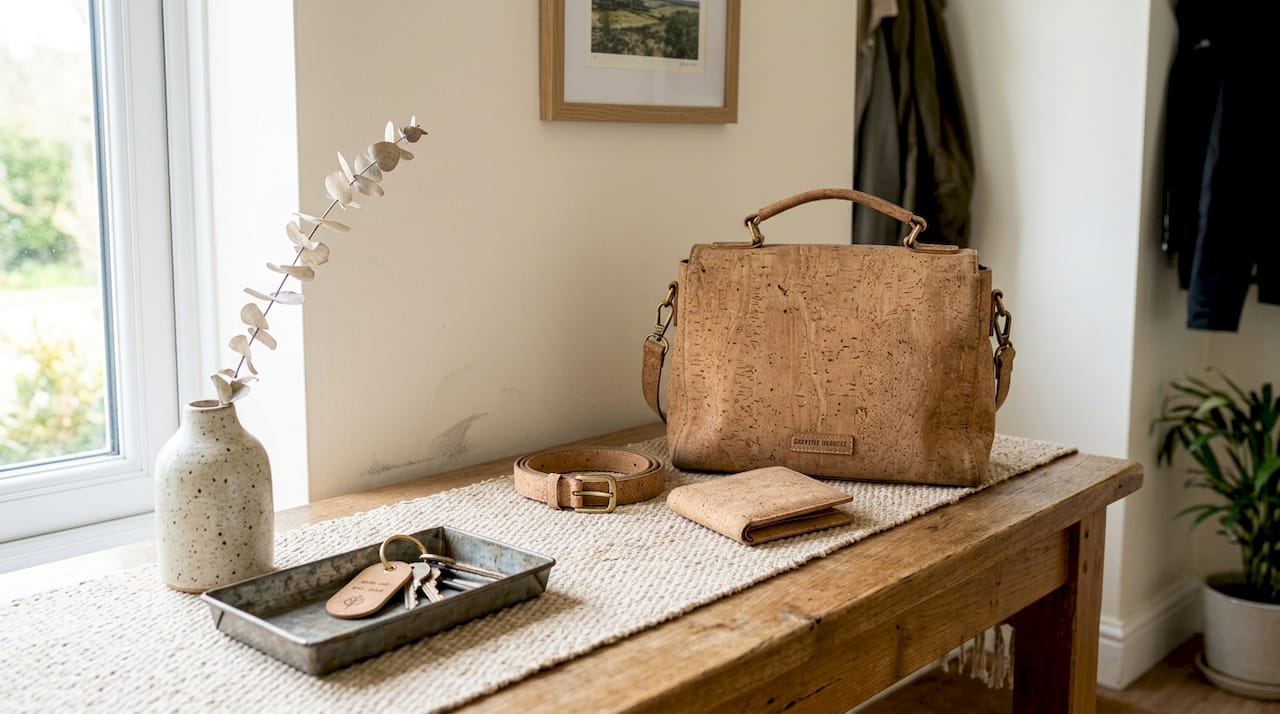
The range of accessories made from cork is broader than many realise. Handbags, backpacks, card holders, belts, and even phone cases are all being produced to high quality. If you want to understand the full scope of vegan leather advantages beyond the ethical argument, the practical benefits of cork make a compelling case on their own. For a deeper look at style and sustainability together, exploring why cork accessories have become such a firm favourite helps connect both worlds.
Pro Tip: When buying cork accessories, look specifically for those described as solvent-free and uncoated. Some manufacturers add synthetic coatings that reduce the material’s biodegradability and eco credentials considerably.
Plant-based and future fibres: TENCEL, hemp, and mycelium
Beyond cork, several innovative materials are genuinely pushing ethical fashion forward. These are not just novelties; they represent a fundamental shift in how we think about clothing and accessory production.
TENCEL Lyocell is one of the most significant advances in textile sustainability. Derived from wood pulp, usually sustainably sourced eucalyptus, it is produced via a closed-loop process that recovers 99% of the solvents used during manufacturing. The result is a biodegradable fabric that feels exceptionally soft, manages moisture effectively, and holds dye beautifully. For clothing items that sit against the skin or need a luxurious drape, TENCEL is genuinely hard to beat in the sustainable category.
Hemp is sometimes dismissed as a rustic, rough-textured material, but modern processing has transformed it. Hemp is fast-growing, requires no pesticides or fertilisers, naturally regenerates the soil it grows in, and produces a fibre that is stronger than cotton and naturally anti-microbial. A single hectare of hemp can yield more usable fibre than the same area of cotton, using a fraction of the water. For accessories where durability is paramount, hemp is an outstanding choice.
Mycelium is the most futuristic material on this list, and it is arriving faster than many expected. Grown from fungal root networks on agricultural waste, mycelium leather has an extraordinarily low carbon footprint compared to both animal leather and synthetic alternatives. It is customisable in thickness and texture, and brands like Bolt Threads have demonstrated that it can deliver a genuinely premium feel. Durability at scale remains a development challenge, but the technology is maturing rapidly.
“Advanced plant-based fibres and bio-grown materials are no longer experimental curiosities; they are fundamentally redesigning what ‘sustainable performance’ means in fashion.” Sustainability17
The role of sustainable materials in fashion is expanding precisely because these fibres now deliver both environmental credentials and real-world wearability. For a broader view of how these and other materials stack up, our eco-friendly fashion materials overview brings them all together.
Organic cotton and recycled fibres: old favourite, new potential
Organic cotton and recycled materials have been part of the sustainable fashion conversation for years, but it is worth revisiting them with fresh eyes, particularly as standards have tightened and new data has emerged.
Organic cotton remains a gold standard for ethical clothing. Grown without synthetic pesticides or GMOs, it uses significantly less water and fewer chemicals than conventional cotton. Crucially, it is biodegradable. However, GOTS certification is essential if you want assurance that the entire supply chain, not just the farming stage, meets rigorous organic and social standards. Many brands use the word “organic” loosely, so the certification mark is your best protection against misleading claims.
Recycled polyester (rPET), made from post-consumer plastic bottles or recovered ocean plastics, offers clear benefits: it diverts waste from landfill and produces lower emissions than virgin polyester. It is also durable, which matters for long-lasting accessories. The catch is microplastics. Every time rPET fabric is washed, it sheds tiny plastic particles that pass through most wastewater treatment systems and enter waterways. Using a washing bag like a Guppyfriend can help, but it is a consideration that should inform your buying choices.
Recycled cotton blends tell an instructive story about the trade-off between circular ideals and practical performance. Research shows that recycled cotton blends score notably lower durability at just 57% compared to 81% for pure organic cotton. For items you intend to use daily, like a wallet or tote, that durability gap translates directly into how long the product lasts before needing replacement.
| Material | Water use | Certifications to look for | Microplastic risk | Durability |
|---|---|---|---|---|
| Organic cotton | Moderate | GOTS | None | High |
| Recycled cotton blend | Low | GRS | None | Moderate |
| Recycled polyester (rPET) | Low | GRS, Oeko-Tex | High | High |
Learn to spot sustainable fashion by cross-referencing these material facts with what brands are actually claiming on their product pages.
Pro Tip: For everyday accessories you plan to use for years, prioritise pure organic cotton or cork over blended recycled options. Better durability means less frequent replacement and a lower overall environmental footprint.
Comparison table: top ethical materials at a glance
With so many options covered, a side-by-side view helps clarify which material suits which need. The sustainable materials guide offers more depth on each, but this table gives you an immediate reference point.
| Material | Eco impact | Best for | Key drawback |
|---|---|---|---|
| Cork | Very high. Renewable, zero microplastics, biodiversity-positive | Bags, wallets, belts, accessories | Limited to accessories and small goods |
| TENCEL Lyocell | Very high. Closed-loop, biodegradable | Clothing, scarves, linings | Less durable under heavy abrasion |
| Hemp | High. No pesticides, soil-regenerating | Bags, belts, shoes | Can feel coarse without processing |
| Mycelium | Very high. Low CO₂, zero animal input | Premium bags, accessories | Scaling and cost still developing |
| Organic cotton | High. Pesticide-free, biodegradable | Clothing, totes, linings | Requires GOTS verification |
| rPET | Moderate. Diverts plastic, lower emissions | Outdoor gear, bags | Sheds microplastics in washing |
| Cork (vs synthetics) | Superior. Avoids microplastics | All accessories | Needs uncoated, solvent-free sourcing |
This table is a starting point, not a verdict. Your own priorities around durability, style, budget, and use case will shape the right choice for you personally.
Why true material transparency is the future of ethical fashion
Here is something that rarely gets said plainly: material innovation alone will not save ethical fashion. The real differentiator, now and in the next decade, is transparency.
We have more impressive materials available in 2026 than at any point in fashion history. Cork, mycelium, TENCEL, hemp. The science is extraordinary. But the honest truth is that even the finest material becomes meaningless if the brand using it cannot tell you where it was grown, how it was processed, who made it, and what happened to the waste. Understanding vegan leather alternatives fully requires looking beyond the material itself to the production story behind it.
Synthetics can mimic leather’s mechanics in tensile strength and water resistance, but they consistently fail the transparency test because their petrochemical origins are difficult to trace and their end-of-life fate is typically landfill or incineration. Transparency reveals what polished marketing conceals.
This also applies to bio-based materials. Mycelium and TENCEL are genuinely exciting, but batch inconsistency and scaling challenges mean that not every product claiming these materials delivers the same environmental performance. Demanding verifiable certification data, rather than accepting a brand’s self-reported sustainability score, is the only way to close that gap.
Our view is that brands investing in fully traceable supply chains, honest LCA reporting, and third-party audited certifications will define ethical fashion’s next phase. Shoppers who reward those brands with their purchasing choices are not just buying a bag. They are setting the standard for what the entire industry must eventually meet. For practical guidance on making those choices during high-pressure shopping moments, the Black Friday sustainability tips from Big Eye Deers are worth reading before the next sales season.
Discover ethical accessories made with leading eco materials
Knowing your materials is only half the journey. The other half is finding accessories that genuinely live up to those standards, and that you will actually want to carry every day.
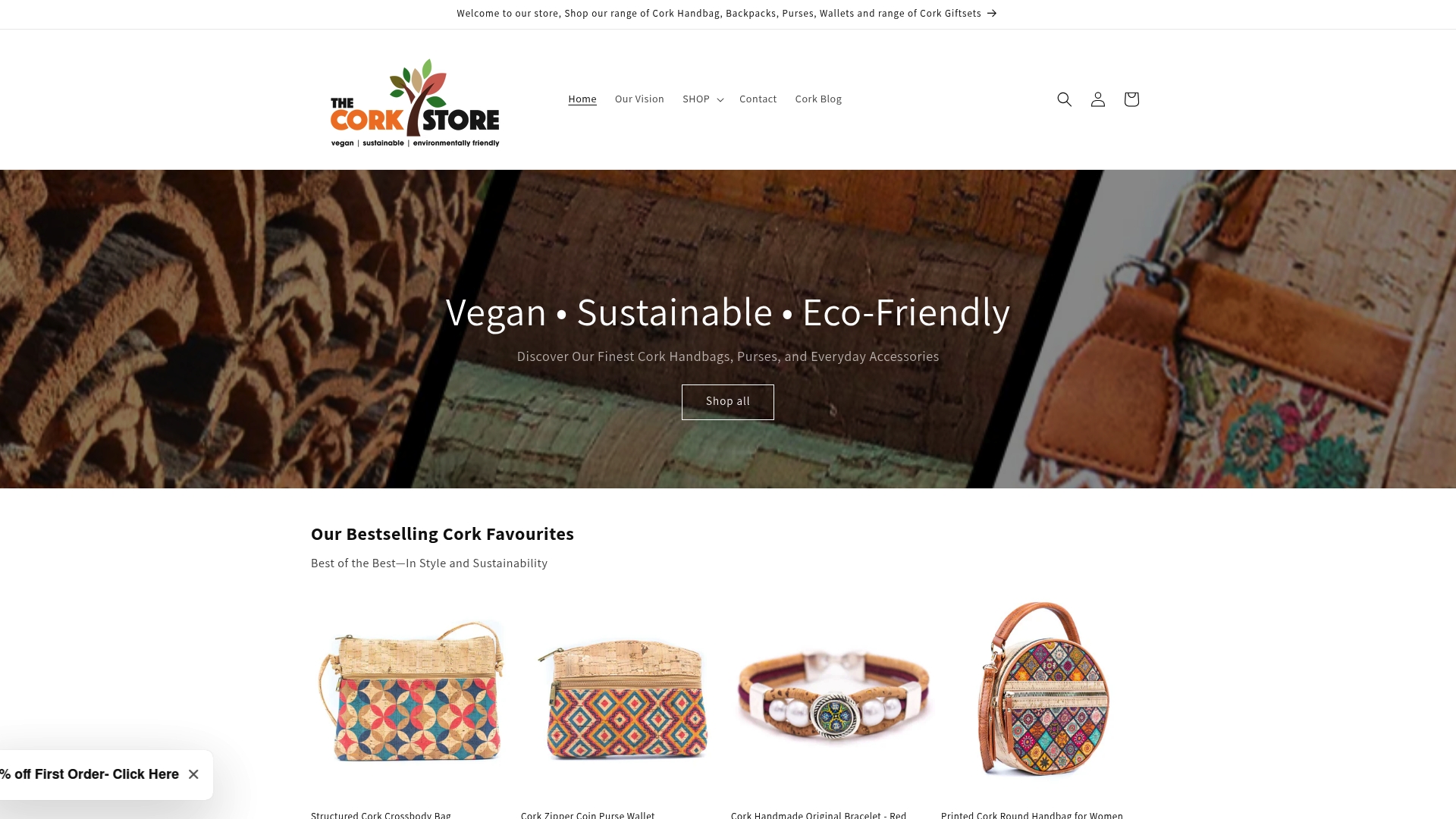
At The Cork Store, every accessory is designed around cork’s natural credentials: renewable, cruelty-free, free from microplastics, and built to last. From compact cardholders to structured handbags and everyday backpacks, the collection puts everything you have read here into practice. Browse the full range at thecorkstore.co.uk to find accessories that combine genuine eco credentials with the kind of style that does not require compromise. Whether you are new to ethical fashion or deepening your commitment to it, cork accessories offer a clear, confident starting point.
Frequently asked questions
Why is cork considered an ethical material for accessories?
Cork is harvested by removing bark from oak trees without felling them, allowing regrowth and maintaining biodiversity while providing a naturally durable, animal-free leather alternative that produces no microplastics.
How does TENCEL compare to cotton for sustainability?
TENCEL uses a closed-loop process recovering 99% of solvents, requires less water, and produces a fully biodegradable fabric, making it considerably more sustainable than most conventional cotton.
What should I watch out for with recycled fibres?
Recycled polyester sheds microplastics during washing, while recycled cotton blends score lower durability at 57% versus 81% for pure organic, so blend quality and intended use are both key considerations.
Are all vegan leathers truly sustainable?
No. Many vegan leathers rely on synthetic PU or PVC coatings, which contain plastics and may emit toxins during production; plant-based options like cork or mycelium offer genuine sustainability without those drawbacks.
Recommended
- Eco-Friendly Fashion Terminology: Making Ethical Choices – The Cork Store
- How to Build Eco-Friendly Outfits With Sustainable Style – The Cork Store
- Why Choose Sustainable Accessories for Ethical Style – The Cork Store
- Understanding the Role of Eco-Friendly Materials in Fashion – The Cork Store
- Ethical Fashion: Everything You Need to Know