

Vegan accessory styling workflow: your 2026 guide
TL;DR:
- A vegan accessory styling workflow is a structured process for selecting, pairing, and maintaining accessories to ensure style and ecological responsibility. Using durable, plant-based, or recycled materials like cork or Mirum helps create long-lasting, versatile pieces. Consistent care, palette planning, and mindful material choice prevent unnecessary replacements and promote sustainable fashion.
A vegan accessory styling workflow is a repeatable, structured process for selecting, pairing, and maintaining vegan accessories so that every outfit achieves both style and ecological responsibility. Most fashion enthusiasts approach accessories reactively, grabbing whatever is nearest. A structured workflow changes that entirely. It creates wardrobe cohesion, reduces impulse purchases, and ensures your accessories reflect genuine ethical values rather than just a label. Thecorkstore’s range of cork handbags, wallets, and backpacks demonstrates exactly how veganism in fashion has matured from a niche concern into a credible, stylish movement.
What materials and accessory categories should you prioritise?
Material choice is the foundation of any vegan accessory styling workflow. Get it right, and your accessories last for years. Get it wrong, and you end up replacing them every season, which defeats the sustainability goal entirely.
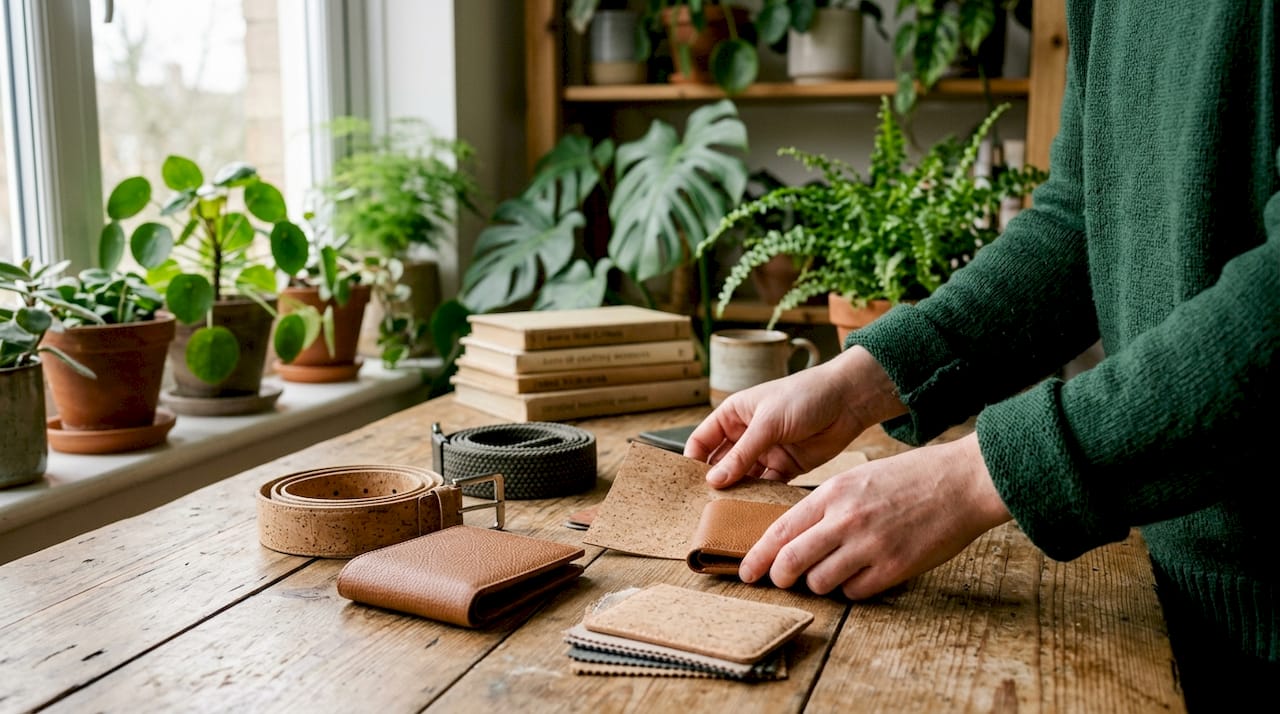
Bags, belts, and wallets are not worn directly against skin and require infrequent washing. That makes them ideal candidates for recycled synthetic materials, where durability and low maintenance matter far more than breathability. For these categories, longevity is the primary measure of success.
Plant-based leathers represent the most exciting development in this space. Materials like Mirum, apple leather, and cactus leather are free from synthetic binders and plastics, offering genuine environmental advantages over both conventional leather and older PVC-based vegan alternatives. These are no longer niche curiosities. They are entering mainstream accessory collections in 2026. Cork, harvested without felling trees, sits in the same category: a plant-based, naturally water-resistant material with a distinctive texture that ages well.
When evaluating any vegan accessory, apply this checklist before buying:
- Material origin: Is it plant-based, recycled synthetic, or plastic-based? Plant-based and recycled options carry the lowest environmental footprint.
- Durability: Does the material resist scuffs, moisture, and daily wear? Cork and Mirum both perform well here.
- Repairability: Can the stitching or hardware be fixed, or is the piece disposable by design?
- Design longevity: Is the silhouette classic enough to wear across multiple seasons?
- Function match: Does the accessory suit its intended use? A structured bag needs a stiffer material than a soft clutch.
Pro Tip: Check the sustainable accessory trends for 2026 before purchasing. Material innovation moves quickly, and newer plant-based options often outperform older recycled synthetics on both durability and environmental impact.
How do you build colour palettes and outfit pairings with vegan accessories?
Colour harmony is where a vegan accessories guide often falls short. Most advice stops at “choose neutrals,” which is correct but incomplete. The real skill is knowing when to break from neutrals and how to do it without losing cohesion.
Neutral-toned vegan accessories, think warm tans, soft greys, and natural cork textures, work across the widest range of outfits. A cork tote in a warm caramel tone pairs equally well with a white linen co-ord in summer and a camel wool coat in autumn. That cross-seasonal versatility is precisely what palette harmony achieves for stylish vegan outfits. You buy fewer pieces and wear each one more often.
Statement accessories serve a different purpose. A metallic clutch or a deep burgundy structured bag can anchor a minimal evening outfit without requiring you to change the rest of your wardrobe. The rule is simple: one statement accessory per outfit. Two or more compete for attention and the look loses clarity.
Seasonal transitions reward planning. When moving from summer to autumn, swap lightweight crossbody bags for structured totes, and introduce deeper tones in belts and wallets while keeping your main bag neutral. This approach keeps your wardrobe feeling current without requiring new purchases every few months.
- Daywear: Neutral cork or recycled synthetic bags with linen, cotton, or vegan silk separates.
- Evening: A single metallic or deep-toned clutch against a monochrome outfit.
- Casual: Textured crossbody bags with relaxed trousers and a simple knit.
- Smart casual: A structured vegan leather tote paired with tailored trousers and a clean shirt.
Pro Tip: When pairing accessories with patterned clothing, match one colour from the pattern to your accessory. It creates intentional cohesion rather than accidental clashing. You can find practical pairing examples in Thecorkstore’s guide on styling vegan handbags.
What are the key steps in a repeatable vegan accessory styling workflow?
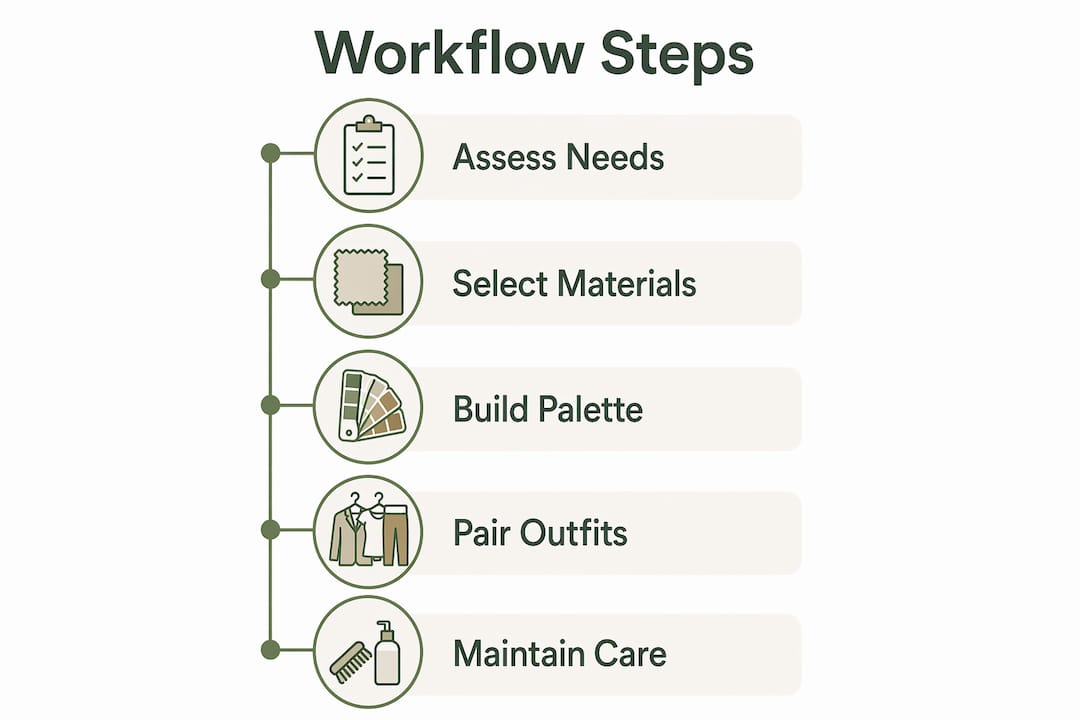
A repeatable process removes the daily guesswork from getting dressed. Repeatable styling workflows with clear phases improve consistency and allow quick correction of errors. That principle applies whether you are creating a lookbook or simply getting ready for work.
-
Assess your wardrobe and style needs. Lay out your existing clothing and identify the dominant colours, silhouettes, and occasions you dress for. This tells you which accessory gaps actually exist, rather than which ones feel exciting in a shop.
-
Select accessories by material, style, and function. Use the material checklist from the previous section. Prioritise pieces that serve at least two distinct outfit contexts. A cork backpack that works for both commuting and weekend travel earns its place. A highly specific occasion bag does not, unless that occasion is frequent.
-
Match accessories with curated outfit palettes. Group your clothing into three or four colour families and assign accessories to each group. This prevents the common problem of owning accessories that technically match nothing in your wardrobe.
-
Incorporate accessories for different occasions. Build a small rotation: one everyday bag, one evening option, one casual crossbody, and a versatile belt. Four well-chosen pieces cover the vast majority of occasions without excess.
-
Maintain and care for accessories to extend their life. Rotating accessories and storing them properly keeps them in better condition for longer. Cork wipes clean with a damp cloth. Recycled synthetics benefit from occasional conditioning. Proper care is the single most effective way to reduce the environmental cost of any accessory.
The table below maps each step to its primary goal and the material consideration involved.
| Workflow step | Primary goal | Material consideration |
|---|---|---|
| Assess wardrobe needs | Identify genuine gaps | None at this stage |
| Select by material and function | Durability and ethics | Plant-based or recycled synthetic |
| Match to outfit palettes | Visual cohesion | Colour and texture compatibility |
| Build occasion rotation | Versatility | Classic silhouettes over trend pieces |
| Maintain and care | Extended product life | Repairability and correct storage |
What common mistakes should you avoid when styling vegan accessories?
The most damaging mistake is treating “vegan” as a synonym for “sustainable.” Vegan does not automatically equal sustainability. A vegan accessory made from virgin plastic, designed to last one season, causes more environmental harm than a well-maintained leather piece used for a decade. The label tells you about animal welfare. It says nothing about carbon footprint, water use, or end-of-life disposal.
The second mistake is chasing transient fashion trends rather than investing in timeless designs. A quality-over-quantity mindset is the defining characteristic of ethical vegan fashion. Trend-driven accessories become unwearable within months. Classic silhouettes, a structured tote, a simple belt, a clean wallet, remain relevant across years.
Three further pitfalls are worth naming directly:
- Neglecting function. A beautiful bag that cannot hold your essentials will be abandoned quickly. Function and form must align, or the accessory fails regardless of its materials.
- Ignoring outfit harmony. Buying accessories in isolation, without considering what you already own, creates a wardrobe full of pieces that do not work together. Always assess against your existing colour palette before purchasing.
- Skipping maintenance. Vegan accessories, particularly plant-based leathers, require basic care to reach their potential lifespan. Neglecting this turns a durable product into a disposable one.
You can read more about why vegan accessories matter beyond the label, including how to assess the full ethical and environmental picture of a purchase.
Key takeaways
A vegan accessory styling workflow succeeds when it combines material knowledge, palette planning, and consistent care into a single repeatable process.
| Point | Details |
|---|---|
| Material selection first | Prioritise plant-based or recycled materials with proven durability over plastic-based vegan options. |
| Neutrals as the foundation | Build your accessory palette around neutral tones that work across seasons and multiple outfits. |
| Quality over quantity | Invest in four to five versatile pieces rather than a large collection of trend-driven accessories. |
| Vegan is not automatically sustainable | Assess material origin, design longevity, and care requirements before any purchase. |
| Maintenance extends lifespan | Rotating, storing correctly, and cleaning accessories regularly reduces waste and cost over time. |
Why I think most vegan styling advice misses the point
Most guides on how to style vegan accessories focus almost entirely on aesthetics. They tell you which colours work together and which bags suit which outfits. That is useful, but it addresses the surface rather than the structure.
What I have found, after years of working with sustainable fashion, is that the workflow matters more than any individual purchase. When you have a clear process for assessing needs, selecting materials, and maintaining what you own, the styling decisions become much easier. You stop second-guessing every purchase because you have criteria. You stop accumulating pieces that do not work together because you plan before you buy.
The material advances in 2026 are genuinely exciting. Innovative plant-based leathers from apple, cactus, and Mirum have changed what is possible in vegan accessories. Cork, which Thecorkstore has built its entire range around, remains one of the most practical and environmentally sound options available. It is harvested without harm, naturally water-resistant, and develops a pleasing patina with age.
The uncomfortable truth is that no accessory, vegan or otherwise, is sustainable if you replace it every season. The workflow I have described here is designed to prevent exactly that. Build the process, choose well, care for what you own, and your accessories will serve you for years rather than months.
— Aaron
Thecorkstore: vegan accessories built to last
Thecorkstore offers a curated range of cork handbags, backpacks, wallets, and purses, all crafted from sustainably harvested cork and designed with classic silhouettes that outlast seasonal trends.
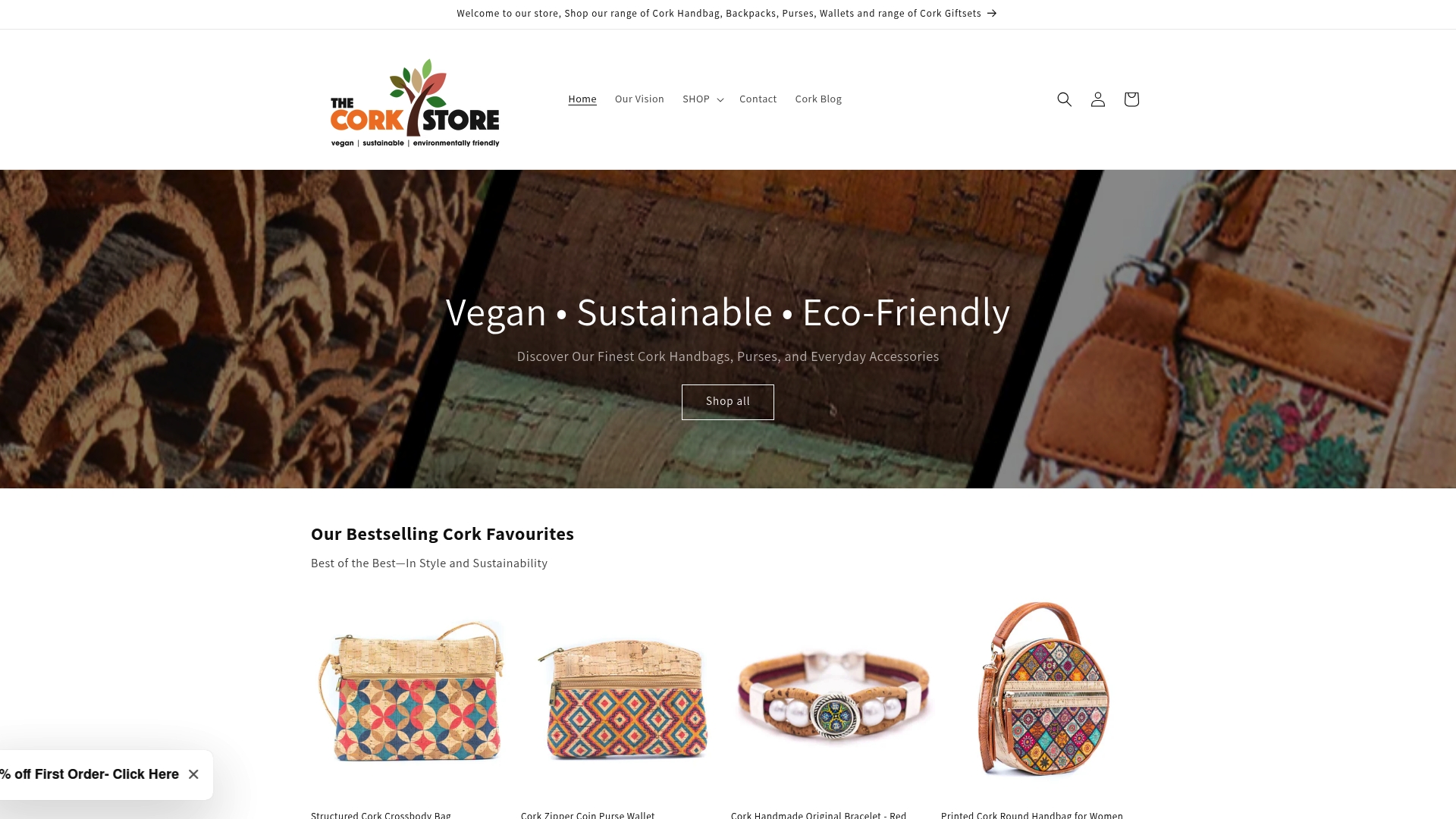
Every piece in the collection is cruelty-free, plastic-free, and built for the kind of long-term use that a proper styling workflow demands. Whether you are starting your vegan accessory collection or refining an existing one, the Thecorkstore blog provides practical guidance on materials, pairings, and care. For fashion enthusiasts who want accessories that hold their style and their ethics across seasons, the full collection is worth exploring. You can also browse a wider selection of fashion bags for seasonal pairing inspiration alongside your cork pieces.
FAQ
What is a vegan accessory styling workflow?
A vegan accessory styling workflow is a structured, repeatable process for selecting, pairing, and maintaining vegan accessories to achieve consistent style and sustainability across outfits.
Are all vegan accessories sustainable?
No. Vegan means free from animal products, but sustainability depends on material origin, product lifespan, and care. Plant-based and recycled materials with classic designs carry the lowest environmental impact.
What vegan materials work best for bags and belts?
Recycled synthetics and plant-based leathers such as cork, Mirum, apple leather, and cactus leather perform well for bags and belts, offering durability and low maintenance without animal products.
How do I build a colour palette with vegan accessories?
Start with two or three neutral-toned pieces that work across your existing wardrobe, then add one statement accessory for evening or occasion wear. One statement piece per outfit is the practical limit.
How do I care for vegan accessories to make them last?
Wipe cork and plant-based leather accessories with a damp cloth after use, store them away from direct sunlight, and rotate pieces regularly to prevent overuse and premature wear.