

What are non-toxic materials? A clear guide for 2026
TL;DR:
- Non-toxic materials do not contain or emit chemicals harmful at typical exposure levels, but regulation relies on scientific proof rather than pre-approval. The safest options are certified natural and bio-based products, especially for high-exposure areas like bedrooms and children’s rooms. Relying on third-party certifications such as GOTS or OEKO-TEX ensures verified safety across the entire product lifecycle.
Non-toxic materials are defined as substances or products that do not release or contain chemicals harmful to human health or the environment under normal conditions of use. The term sounds straightforward, but the reality is more complicated. The FTC requires competent scientific evidence for any “non-toxic” claim, yet no government body pre-approves the label for most consumer goods. That gap between marketing and verified safety is exactly what this guide addresses.
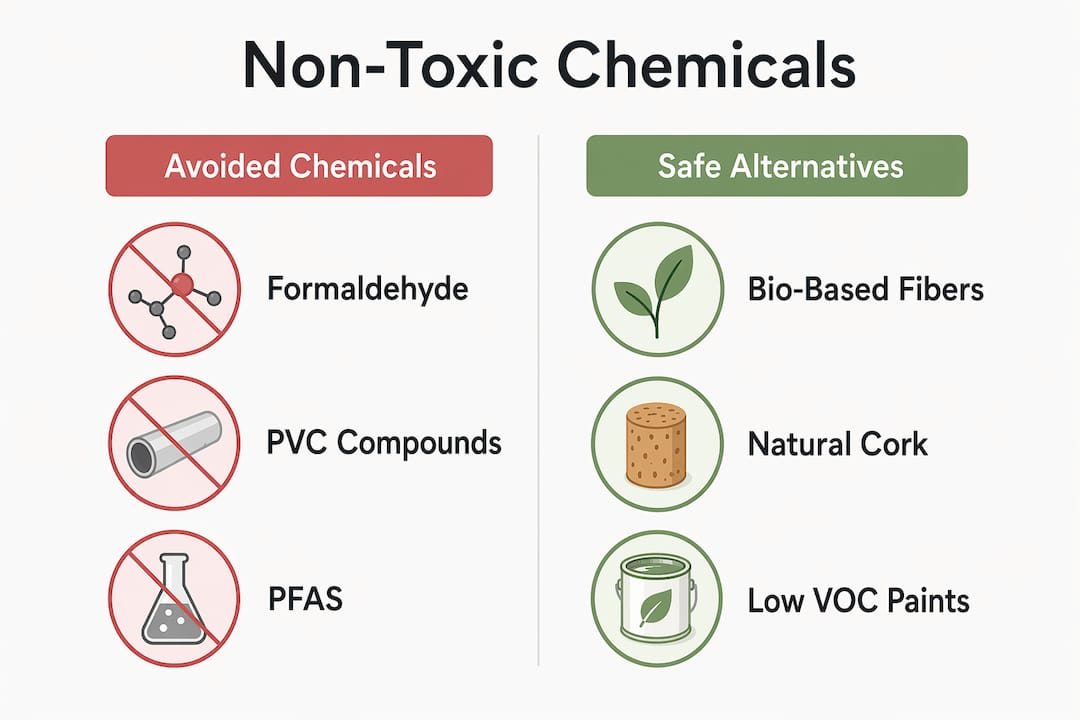
Understanding what non-toxic materials actually are matters because indoor air pollution is often 2 to 5 times worse than outdoor air. The materials inside your home, from furniture to flooring to clothing, are a primary driver of that exposure. Knowing which substances to avoid, which certifications to trust, and which materials genuinely qualify as safe gives you real power over your environment.
What are non-toxic materials and why does the definition matter?
Non-toxic materials, also called low-hazard or inherently safer materials in regulatory and research contexts, are those that do not contain or emit substances known to cause harm at typical exposure levels. The industry term “inherently safer chemistry” is increasingly used alongside the consumer-facing phrase “non-toxic” to signal a more rigorous standard.
The absence of a universal legal definition creates a significant problem. ASTM D4236 is one of the few binding standards in this space, covering art materials specifically. Outside that context, a manufacturer can print “non-toxic” on almost any product without independent verification. The FTC’s guidelines require that the claim be substantiated, but enforcement is reactive rather than preventive.
The European Commission’s 2026 Safe and Sustainable by Design (SSbD) framework is changing this picture. It promotes integrating chemical safety into product development from the outset, rather than testing for harm after the fact. This voluntary framework represents the most significant shift in how regulators and manufacturers think about material safety in a generation.
Which chemicals do non-toxic materials avoid?
Non-toxic substances are defined partly by what they exclude. The most widely flagged chemical groups in conventional consumer materials include PFAS, volatile organic compounds (VOCs), formaldehyde, heavy metals, synthetic flame retardants, and quaternary ammonium compounds.
Common hazardous substances found in everyday products include:
- PFAS (per- and polyfluoroalkyl substances): used in water-resistant coatings on textiles, cookware, and food packaging; linked to hormonal disruption and persistent environmental contamination
- VOCs (volatile organic compounds): off-gassed by paints, adhesives, and synthetic flooring; cause respiratory irritation and, with prolonged exposure, more serious health effects
- Formaldehyde: present in pressed-wood furniture, insulation, and some fabric finishes; classified as a known human carcinogen
- PBDEs and OPFRs (flame retardants): added to foam furniture and electronics; accumulate in body tissue and have been linked to thyroid disruption
- Heavy metals (lead, cadmium, mercury): found in some pigments, jewellery, and older plastics; toxic to the nervous system even at low doses
- Synthetic fragrances: used in cleaning products and textiles; often contain undisclosed VOCs and allergens
These chemicals accumulate indoors via furniture, carpets, cleaning products, and treated textiles. The bedroom is the highest-risk room because occupants spend 7–9 hours there daily with limited ventilation.
Pro Tip: Prioritise replacing high-exposure items first. Polyurethane foam mattresses and synthetic bedding off-gas VOCs and flame retardants throughout the night. Switching to a natural latex or wool mattress with verified certifications delivers the greatest reduction in daily chemical exposure.
Examples of non-toxic and eco-friendly materials
Natural and bio-based materials form the core of any credible list of non-toxic materials. Natural fibres such as linen, hemp, and organic cotton, along with bio-based materials like cork and natural rubber latex, are valued for both durability and low toxicity. Semi-synthetic fibres like Tencel use closed-loop processing that recovers and reuses solvents, significantly reducing environmental impact compared with conventional viscose.

Over 33% of studied building materials contain priority chemicals such as formaldehyde or PVC-based compounds. Bio-based alternatives like hemp-lime insulation (hempcrete) and linoleum offer safer options, though they may require adjustments during installation due to different physical properties.
Cork deserves particular attention. It is harvested by stripping bark from living cork oak trees without felling them, making it one of the few genuinely renewable structural materials. It contains no synthetic binders in its natural form, does not off-gas VOCs, and is naturally resistant to mould and moisture. Thecorkstore builds its entire product range around this material precisely because it meets the criteria for inherently safer chemistry without compromise on durability or aesthetics.
| Material | Toxicity risk | Sustainability | Typical application |
|---|---|---|---|
| Organic cotton | Low (unfinished) | Moderate | Clothing, bedding |
| Cork | Very low | High | Accessories, flooring, insulation |
| Hemp/linen | Low | High | Textiles, building insulation |
| Natural rubber latex | Low | Moderate | Mattresses, gloves |
| Tencel (lyocell) | Low | High | Clothing, bedding |
| Hempcrete | Very low | High | Wall insulation, construction |
| Conventional PVC | High | Low | Flooring, pipes, packaging |
Eliminating persistent petroleum-derived chemicals from materials simultaneously reduces embodied carbon and protects human health. Healthy material choices are a structural necessity, not a lifestyle luxury.
How to identify genuinely non-toxic materials
The phrase “non-toxic” on a product label is a marketing claim, not a certification. Verified certifications test specific chemical thresholds and cover defined stages of production. Knowing which certifications carry real weight is the most reliable way to identify safe materials.
| Certification | What it tests | Key exclusions |
|---|---|---|
| GOTS (Global Organic Textile Standard) | Organic fibre sourcing and processing | PFAS, heavy metals, toxic dyes |
| OEKO-TEX Standard 100 | Finished product chemical residues | Over 100 harmful substances; PFAS limit of 10 ppm |
| GREENGUARD Gold | VOC emissions from building materials | Formaldehyde, total VOC thresholds |
| MADE SAFE | Full ingredient screening | Carcinogens, endocrine disruptors, neurotoxins |
| CertiPUR-US | Foam products | Heavy metals, PBDE flame retardants, formaldehyde |
GOTS certification bans PFAS and covers both fibre sourcing and processing. OEKO-TEX Standard 100 tests the finished product for over 100 harmful substances, with a PFAS limit of 10 ppm as of 2023. That distinction matters because a fabric can be made from organic cotton at the fibre stage and still receive toxic dye treatments afterward.
Certifications must cover the finished product, not just the raw material. A certification that only covers fibre origin tells you nothing about what happened during manufacturing. Relying on a single label is insufficient. Verifying comprehensive coverage across the full product lifecycle is the only way to avoid hidden toxic exposures.
Pro Tip: When reading a certification claim, ask two questions: does it cover the finished product, and does it test for PFAS specifically? If the answer to either is unclear, treat the claim with scepticism and look for how to spot sustainable materials before purchasing.
How to choose non-toxic materials in practice
Choosing safer materials is most effective when you prioritise by exposure. Rooms where you spend the most time carry the greatest risk, so the bedroom and children’s rooms should be audited before any other space. Kitchens rank second because of the combination of heat, food contact, and cleaning product use.
Practical steps for selecting non-toxic materials:
- Audit by room, not by product category. Start with the bedroom. Replace the mattress, bedding, and any pressed-wood furniture before addressing living areas.
- Avoid treated or coated fabrics without PFAS-free confirmation. Water-resistant finishes on outdoor clothing, upholstery, and carpets are a common source of PFAS exposure.
- Check chemical disclosure policies. Brands that publish full ingredient lists or link to Safety Data Sheets are more trustworthy than those that rely on vague “natural” claims.
- Verify certifications independently. Most certification bodies maintain online databases where you can confirm a product’s certification status by batch number or brand name.
- Be cautious with antimicrobial treatments. Products labelled “antimicrobial” or “odour-resistant” frequently contain quaternary ammonium compounds or silver nanoparticles, neither of which has a strong long-term safety record.
Non-toxic claims must be specific and contextual. A claim that covers only one aspect of a product, such as the absence of BPA in a plastic bottle, does not mean the product is free of all harmful substances. Asking what the claim actually covers is always the right starting point.
For a broader view of how brands build sustainability into their supply chains, the guide on what makes a brand sustainable offers useful context on how certifications and material choices connect to wider environmental commitments.
Key takeaways
Non-toxic materials are those verified to exclude harmful chemicals across the full product lifecycle, not just at the raw material stage.
| Point | Details |
|---|---|
| Definition is contested | “Non-toxic” has no universal legal definition for most consumer goods; always look for third-party certification. |
| Chemicals to avoid | PFAS, VOCs, formaldehyde, heavy metals, and flame retardants are the highest-priority substances to eliminate. |
| Reliable certifications | GOTS, OEKO-TEX Standard 100, GREENGUARD Gold, and MADE SAFE are the most credible standards for finished products. |
| Prioritise by exposure | Audit the bedroom and children’s rooms first, as prolonged exposure time makes these the highest-risk spaces. |
| Finished product matters | A certification covering only raw materials is insufficient; the finished product must be independently tested. |
Why the “non-toxic” conversation is more urgent than ever
The SSbD framework from the European Commission is the clearest signal yet that regulators have accepted what researchers have argued for years: chemical safety and environmental sustainability are the same problem. You cannot have a circular economy built on materials that poison the people who use them.
What strikes me most, having followed this space for a long time, is how much confusion the marketing industry has created around the word “non-toxic.” Brands use it to mean anything from “we removed one bad ingredient” to “this product has been independently tested against 100 harmful substances.” Those are not equivalent claims, and treating them as such costs consumers real health outcomes.
The practical implication is this: stop reading labels and start reading certifications. A product without a third-party certification is making an unverified claim. That does not mean it is harmful, but it means you have no way of knowing. The materials that genuinely qualify as non-toxic, cork, organic linen, hempcrete, certified natural latex, tend to be the ones with the longest track records and the fewest processing steps. Complexity in manufacturing almost always introduces chemical risk.
The 2026 SSbD framework will not fix this overnight. It is voluntary, and its reach is currently limited to European product development pipelines. But the direction of travel is clear. Consumer demand for verified, inherently safer materials is driving manufacturers to seek certification rather than rely on unsubstantiated claims. That shift is real, and it is accelerating.
— Aaron
Cork products with nothing to hide
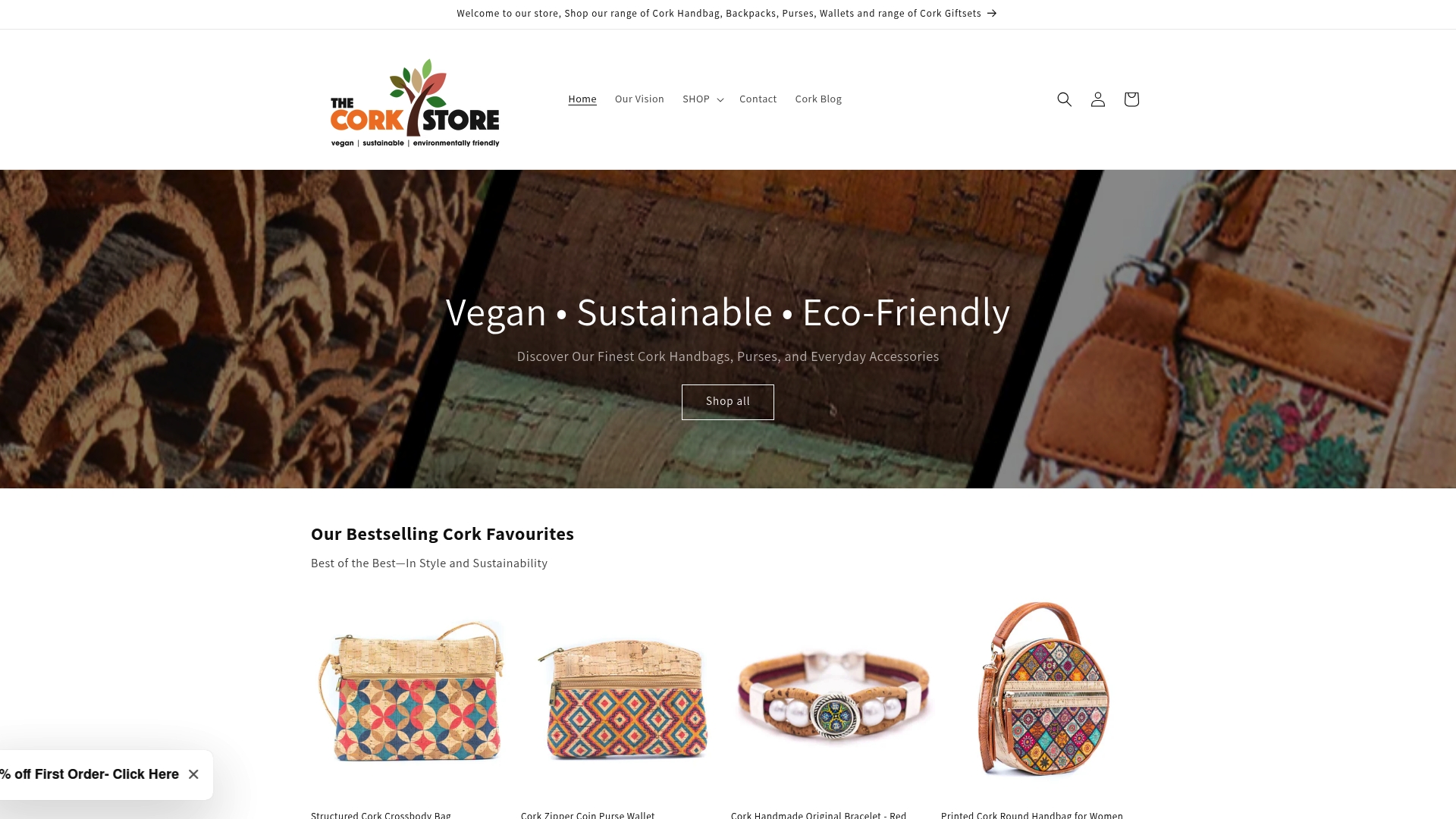
Cork is one of the few materials that requires no synthetic binders, coatings, or chemical treatments to perform. It is naturally antimicrobial, moisture-resistant, and durable without any of the additives that make conventional materials a concern. Thecorkstore’s products are built entirely from this material, which means no PFAS, no VOC off-gassing, and no animal-derived components.
The cork wallet gift set is a practical starting point for anyone wanting to replace synthetic accessories with something genuinely safer. For a wider selection of cork accessories, the vegan cork gift collection covers everything from handbags to purses, all made from the same certified natural material.
FAQ
What does “non-toxic” actually mean on a product label?
“Non-toxic” on a product label is a marketing claim, not a regulated certification. The FTC requires scientific evidence to support the claim, but no government body pre-approves it for most consumer goods.
Which certification is most reliable for non-toxic textiles?
OEKO-TEX Standard 100 and GOTS are the most credible certifications for textiles. Both test finished products rather than only raw materials, and both set specific limits on PFAS and other harmful substances.
Are natural materials always non-toxic?
Natural origin does not guarantee safety. Some natural materials receive toxic dye treatments or chemical finishes during processing. Always verify that the finished product carries a recognised third-party certification.
What are the safest building materials for indoor use?
Cork, hempcrete, linoleum, and certified low-VOC paints are among the safest options for indoor use. GREENGUARD Gold certification is the most reliable standard for limiting VOC emissions from building materials.
How do I start reducing toxic materials in my home?
Start with the bedroom, as it is the room with the longest daily exposure time. Replace synthetic foam mattresses and treated bedding first, then work through other high-contact surfaces using certified non-toxic alternatives.