
What is animal-free fashion? A clear guide for 2026
TL;DR:
- Animal-free fashion creates garments without animal-derived materials, focusing on ingredient exclusion verified by certifications. It uses plant-based and bio-material alternatives like cork, Piñatex, and BioFur to replace materials such as leather, wool, silk, and fur. Proper labeling and transparency ensure consumers avoid misleading claims and support sustainable, ethical choices.
Animal-free fashion is the creation of garments, footwear, and accessories made entirely without animal-derived materials, meaning no leather, wool, silk, fur, down, or animal-based glues and dyes enter the supply chain. The term is gaining traction as a more precise alternative to “vegan fashion,” which industry bodies and certifiers like PETA-Approved Vegan and the Global Organic Textile Standard (GOTS) use to verify material composition. What makes animal-free fashion distinct is its focus on ingredient exclusion rather than broader ethical or environmental claims. Innovations like plant-based faux leathers derived from apple peels and pineapple leaves are redefining what cruelty-free clothing can look and feel like.
What is animal-free fashion and which materials does it exclude?
Animal-free fashion excludes leather, wool, silk, fur, down feathers, and any animal-derived glues or dyes used in garment production. Each of these materials involves direct use of an animal, whether through slaughter, shearing, or the harvesting of insect cocoons. The definition is material-specific and does not automatically extend to production ethics or environmental performance.
The most commonly excluded materials are:
- Leather: made from animal skin, typically cattle, sheep, or exotic species
- Wool: sheared from sheep and other animals including alpacas and angora rabbits
- Silk: produced by boiling silkworm cocoons to extract fibres
- Fur: pelts taken from animals including mink, fox, and rabbit
- Down: feathers from ducks and geese used in insulation
- Animal-derived glues and dyes: including casein (milk protein) and carmine (crushed beetles)
Understanding this list matters because animal-derived components appear in unexpected places. A jacket labelled “faux fur” may still use animal-based adhesives in its lining.
Plant-based and bio-material alternatives
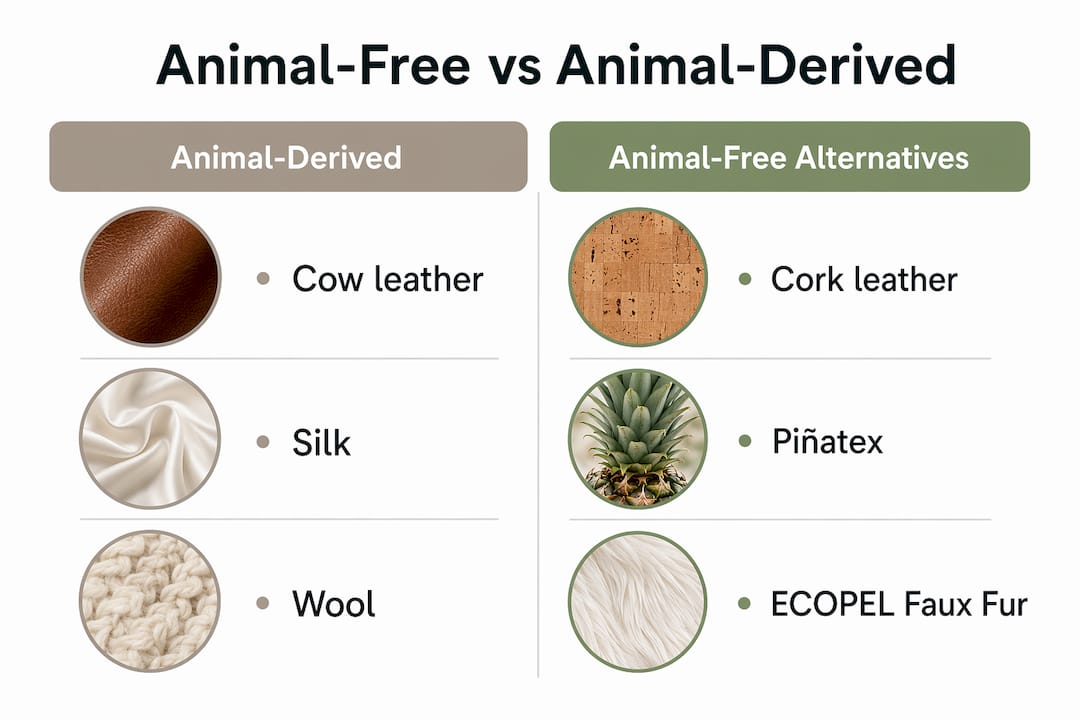
The replacement materials available today go well beyond basic polyester. Bio-based faux fur alternatives include ECOPEL, BioFluff (a PLA-based faux fur), and BIOFUR, which is made from plant sugars and corn. These materials can be commercially compostable or recyclable, which places them in a different environmental category from conventional synthetic textiles.
| Animal-derived material | Animal-free alternative |
|---|---|
| Cow leather | Cork, apple leather, Piñatex (pineapple leaf fibre) |
| Wool | Recycled polyester fleece, BioFluff, Tencel |
| Silk | Peace silk alternatives, lyocell, cupro |
| Fur | ECOPEL, BIOFUR, recycled fibre faux fur |
| Down | PrimaLoft, recycled polyester fill |
Pro Tip: When shopping for vegan leather, check whether the base material is polyurethane-coated fabric or a plant-based alternative. The difference affects both environmental impact and durability significantly.
Animal-free vs vegan, cruelty-free, and sustainable fashion
These four terms are frequently used interchangeably, but they describe different things. Knowing the distinction protects you from misleading claims and helps you shop with genuine confidence.
Animal-free refers strictly to material composition. A product is animal-free if it contains no animal-derived ingredients. That is the full scope of the claim.
Vegan is the most widely used term but also the most loosely applied. Veganwashing is a growing problem where brands market products as vegan while including animal-derived materials, creating genuine consumer confusion. Some brands label wool or silk products as vegan based on narrow interpretations of the term. Clear boundaries and transparent labelling are the only reliable defence against this.
Cruelty-free extends beyond ingredients to production practices. A product can be animal-free in its materials but still involve animal testing at some stage of development. Cruelty-free certification, such as that issued by Leaping Bunny, verifies that no animal testing occurred anywhere in the supply chain.
Sustainable is the broadest and most contested term. Animal-free status alone does not guarantee sustainability. A product’s environmental performance depends on durability, production energy use, and end-of-life disposal. You can read more about how these distinctions play out in practice in Thecorkstore’s guide to veganism in fashion.
Pro Tip: Look for products carrying both PETA-Approved Vegan certification and a recognised environmental standard like GOTS or a B Corp accreditation. No single label covers all three dimensions at once.
What are the ethical and environmental benefits of animal-free clothing?
The ethical case for animal-free clothing is direct. Silk production requires boiling silkworm cocoons alive. Fur farming involves keeping animals in confined conditions before slaughter. Leather production is a byproduct of the meat industry, and wool shearing, even when described as humane, causes documented stress and injury to animals. Choosing animal-free clothing removes your purchasing power from these practices entirely.
The environmental picture is more complex. Livestock farming contributes to methane emissions, land degradation, and water consumption. Removing animal agriculture from a fashion supply chain reduces these pressures. However, not all vegan leather is equally sustainable. Polyurethane-coated fabrics shed microfibres, resist biodegradation, and carry a significant carbon footprint from petrochemical production.
| Factor | Animal-free advantage | Caveat |
|---|---|---|
| Animal welfare | No slaughter, shearing, or farming required | Applies only when supply chain is fully verified |
| Methane emissions | Avoids livestock farming emissions | Does not apply to synthetic petroleum-based materials |
| Biodegradability | Plant-based options like cork are biodegradable | PU-based vegan leathers are not |
| Durability | High-quality cork and plant leathers last years | Low-quality synthetics degrade faster than real leather |
| Microfibre pollution | Plant-based materials do not shed plastic fibres | Synthetic faux fur and fleece alternatives do shed |
Sustainability measures product lifespan and durability rather than simply the absence of animal materials. A bag that avoids leather but falls apart within a year creates waste sooner than a well-made leather alternative. Durability is a sustainability metric, not a secondary concern.
Pro Tip: Choose plant-based materials with verified end-of-life credentials. Cork, for example, is naturally harvested without felling trees, is biodegradable, and has a well-documented low-impact production process.
How are designers replacing animal materials without compromising quality?
Replacing animal materials in fashion is not a simple swap. Effective design with animal-free bio-materials requires designers to first identify the functional qualities of the animal material they are replacing, such as warmth, softness, drape, or volume, and then select alternatives that match those specific properties.
The Council of Fashion Designers of America (CFDA) announced in december 2025 that New York Fashion Week will become fur-free from 2026. This shift is pushing designers to work directly with bio-material suppliers to develop products that meet both aesthetic and performance standards. The transition is not cosmetic. It requires iterative technical collaboration between designers and manufacturers to reconcile creative vision with what materials can physically deliver.
Key bio-materials now used in high-end animal-free fashion include:
- ECOPEL: a faux fur used by luxury brands, made with reduced environmental impact compared to conventional synthetic fur
- BioFluff: a PLA-based faux fur that is commercially compostable
- BIOFUR: derived from plant sugars and corn, offering a biodegradable alternative to petroleum-based faux fur
- Piñatex: a leather alternative made from pineapple leaf fibres, used by footwear and accessories brands
- Cork: harvested from cork oak bark without harming the tree, naturally water-resistant and durable
“Replacing fur effectively involves focusing on fur’s functional qualities like warmth and softness, then selecting animal-free alternatives tailored to those design goals.” — CFDA, 2026
Designers use creative problem-solving rather than direct substitution to achieve results that meet the standards of high fashion. This distinction matters because it signals that animal-free fashion is no longer a compromise. It is a design discipline in its own right. For a deeper look at how vegan leather alternatives are developing, Thecorkstore covers the topic in detail.
Key takeaways
Animal-free fashion is defined by material exclusion, but its true value depends on the quality, durability, and transparency of the alternatives chosen.
| Point | Details |
|---|---|
| Material definition | Animal-free fashion excludes leather, wool, silk, fur, down, and animal-derived glues and dyes. |
| Term distinctions | Animal-free, vegan, cruelty-free, and sustainable are related but distinct claims requiring separate verification. |
| Sustainability nuance | Durability and end-of-life performance determine environmental impact, not material origin alone. |
| Bio-material innovation | ECOPEL, BioFluff, BIOFUR, and cork offer credible, high-performance alternatives to animal materials. |
| Veganwashing risk | Clear labelling and recognised certifications like PETA-Approved Vegan protect against misleading claims. |
Why I think animal-free fashion is finally past the tipping point
The conversation around animal-free fashion has shifted noticeably in the past two years. What was once a niche concern for committed vegans is now a mainstream design brief at institutions like the CFDA. That shift is significant, but it also creates new risks.
The biggest pitfall I see is the conflation of “vegan” with “ethical” and “sustainable” in a single breath. These are three separate claims. A polyurethane bag with a vegan label is not automatically a responsible purchase. It may shed microfibres, degrade within two years, and carry a petrochemical production footprint. Buying it because it carries a vegan label is a form of informed shopping done poorly.
What I find genuinely encouraging is the rise of plant-based materials with verifiable environmental credentials. Cork is the clearest example I return to. It is harvested without cutting the tree, it is biodegradable, and it has been used in accessories for decades with proven durability. That combination of animal-free, low-impact, and long-lasting is rare and worth seeking out.
My advice is to treat certifications as a starting point, not a conclusion. PETA-Approved Vegan tells you about ingredients. It says nothing about carbon footprint or labour conditions. The brands worth supporting are those that publish supply chain transparency reports and stand behind durability claims. They exist, and they are worth the extra effort to find.
— Aaron
Thecorkstore: animal-free accessories with real credentials
Thecorkstore specialises in accessories made from natural cork, one of the few materials that is genuinely animal-free, biodegradable, and harvested without harming its source tree. Every handbag, wallet, and backpack in the collection avoids animal-derived materials entirely, with no polyurethane coatings or synthetic fillers.
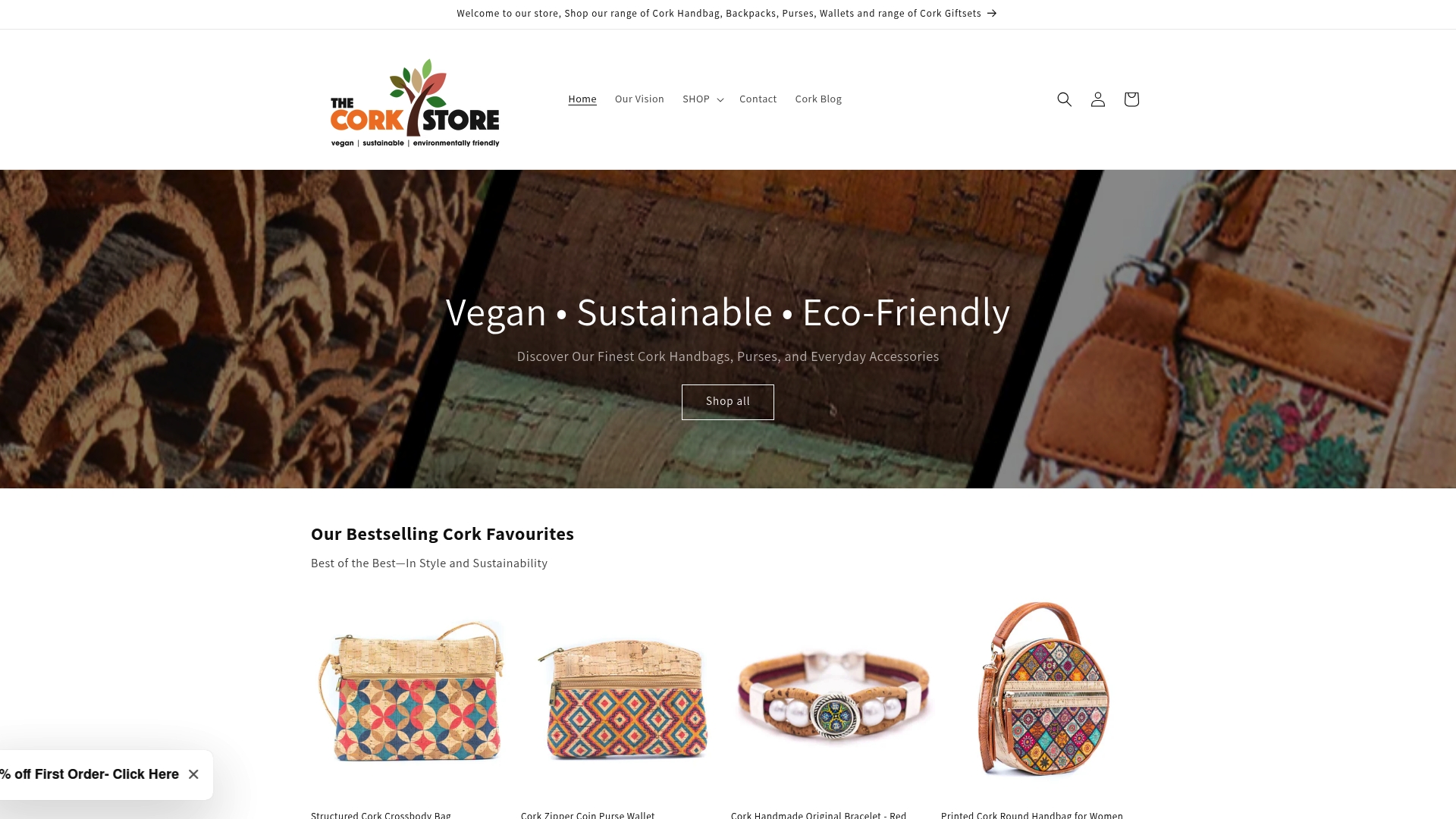
Cork is water-resistant, lightweight, and durable enough to outlast many conventional leather alternatives. For shoppers who want animal-free fashion backed by material transparency rather than marketing claims, Thecorkstore’s vegan cork gift collection offers a curated range of accessories that align style with genuine ethical values. Browse the full range and find pieces that reflect what you actually stand for.
FAQ
What does animal-free fashion mean exactly?
Animal-free fashion means clothing and accessories made without any animal-derived materials, including leather, wool, silk, fur, down, and animal-based glues or dyes. The term focuses specifically on material composition rather than broader ethical or environmental claims.
Is animal-free fashion the same as vegan fashion?
Not always. Vegan fashion is a broader term that is sometimes applied inconsistently, with some brands labelling products as vegan while still using animal-derived components. Animal-free is a more precise material claim, though both terms benefit from third-party certification to be trustworthy.
Is animal-free fashion sustainable?
Animal-free fashion is not automatically sustainable. Sustainability depends on durability and life-cycle performance, not just material origin. Plant-based options like cork and Piñatex carry stronger environmental credentials than polyurethane-based vegan leathers.
What are the best examples of animal-free textiles?
Strong examples include cork, Piñatex (pineapple leaf fibre), ECOPEL faux fur, BioFluff, BIOFUR, Tencel, and recycled polyester. Each offers different performance characteristics suited to different garment types.
How do I shop animal-free without being misled?
Look for recognised certifications such as PETA-Approved Vegan and check whether the brand publishes material sourcing information. Clear labelling and transparency are the most reliable indicators that an animal-free claim is genuine rather than a marketing shortcut.