
What is slow fashion? A guide for conscious shoppers
TL;DR:
- Slow fashion emphasizes ethical production, durable materials, and long-lasting garments to combat fast fashion’s disposable model. Consumers can adopt it by buying fewer quality items, shopping secondhand, and supporting transparent brands. Greenwashing remains a concern, so verification through third-party certifications is essential for authentic slow fashion.
Slow fashion is defined as a movement that prioritises ethical production, quality materials, and long-term garment use over rapid, high-volume manufacturing. It emerged in the early 2000s as a direct response to fast fashion’s disposable model, and over 70% of American consumers now express a desire for ethically and sustainably made clothing. That figure signals a genuine shift in how people think about what they wear and where it comes from. Slow fashion asks a simple question: what if every garment was made to last?
What is slow fashion and how does it differ from fast fashion?
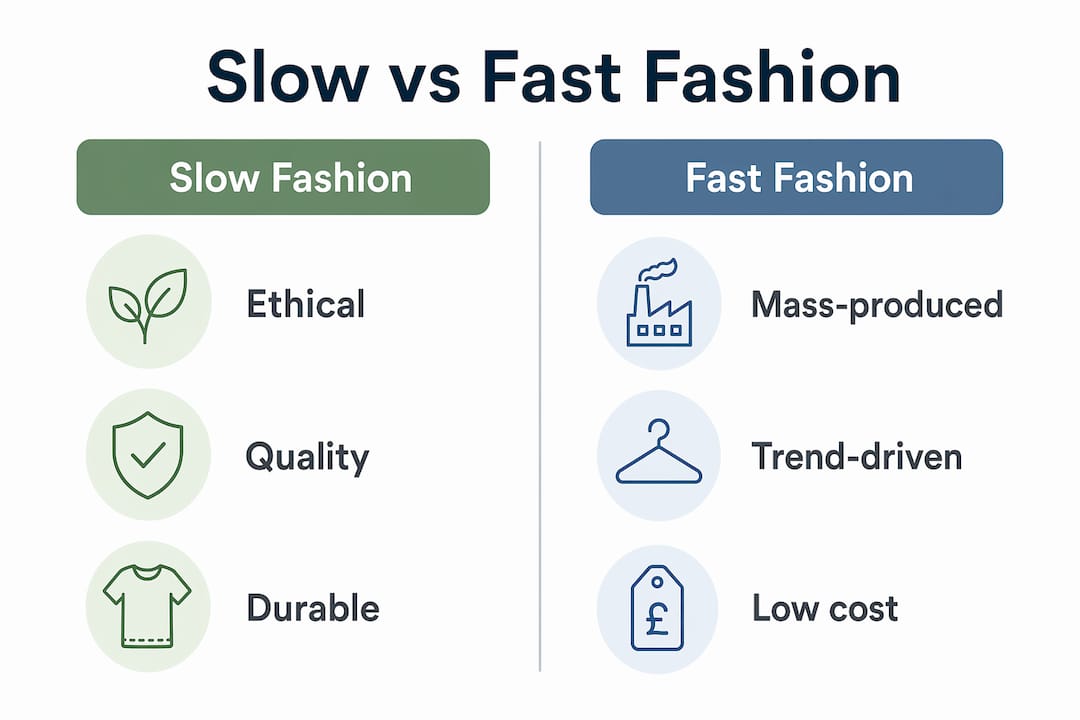
Slow fashion is the opposite of mass-produced, trend-driven clothing. Where fast fashion churns out hundreds of new styles each week at the lowest possible cost, slow fashion focuses on small-batch or made-to-order production, natural materials, and fair pay for every worker in the supply chain.
The term was popularised by Kate Fletcher in 2007, inspired by the 1980s Slow Food Movement. Fletcher applied the same logic to clothing: slow down, pay attention to provenance, and choose quality over convenience. That philosophy remains the backbone of the movement today.
The differences between the two models are stark:
- Production scale: Slow fashion uses small batches or seasonal collections. Fast fashion releases new stock weekly or even daily.
- Materials: Slow fashion favours natural, biodegradable fibres such as organic cotton, hemp, and silk. Fast fashion relies heavily on synthetic fibres like polyester, which shed microplastics.
- Labour standards: Slow fashion brands commit to paying living wages and maintaining safe working conditions. Fast fashion supply chains frequently depend on underpaid labour in low-regulation countries.
- Design intent: Slow fashion creates timeless pieces built to last years. Fast fashion creates trend-led items designed for a handful of wears.
- Transparency: Slow fashion brands publish supply chain information openly. Fast fashion brands rarely disclose factory names or wage data.
Pro Tip: When assessing a brand, look for named factories and published wage data on their website. A brand that cannot tell you where its clothes are made is unlikely to be genuinely slow.
The critical distinction is production speed and scale. A brand can use organic cotton and still operate mass production. That makes it sustainable in one sense, but not slow fashion in the truest meaning of the term.
What materials and craftsmanship define slow fashion?
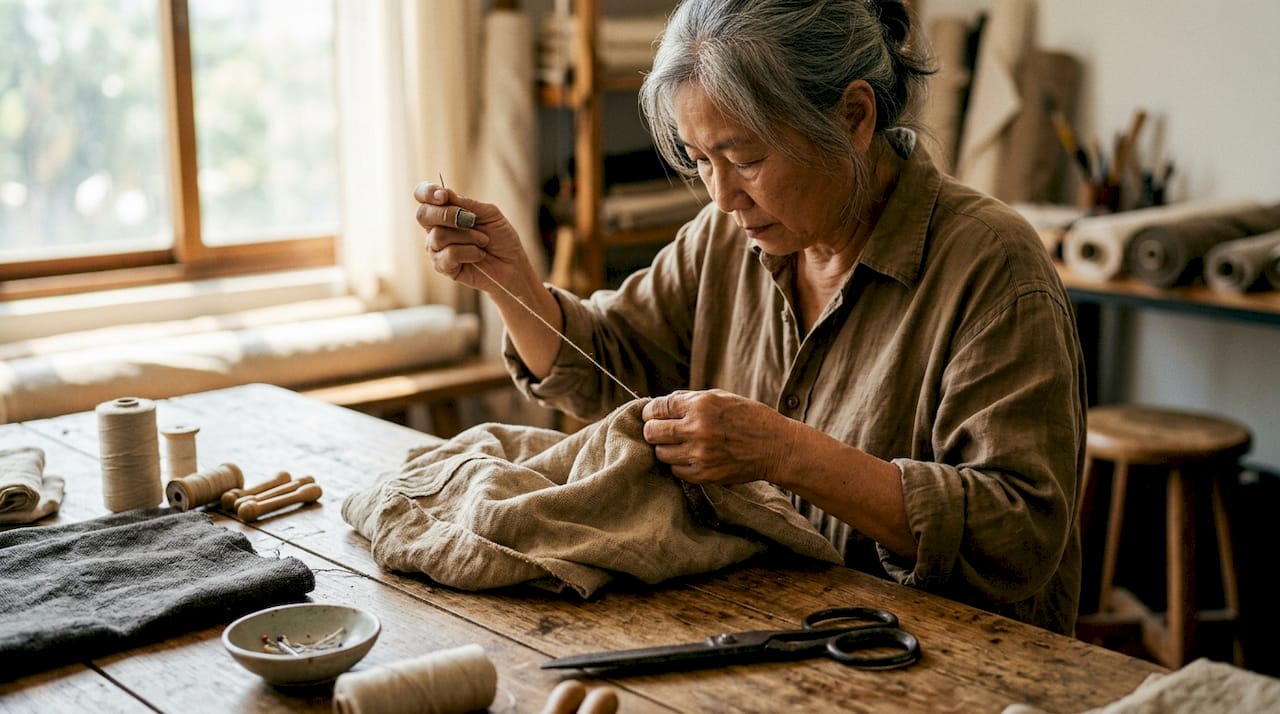
Slow fashion garments are built from materials that respect both the environment and the people who grow or harvest them. Natural and biodegradable fibres like organic cotton, hemp, linen, and silk reduce environmental pollution and support healthier conditions for farmers. These materials break down at the end of a garment’s life rather than persisting in landfill for decades.
Certifications matter here. Look for these when choosing slow fashion brands:
- GOTS (Global Organic Textile Standard): Covers the entire supply chain from raw fibre to finished product, including social criteria.
- Fair Trade: Certifies that producers receive fair prices and workers receive fair wages.
- OEKO-TEX Standard 100: Confirms that textiles are free from harmful substances.
- B Corp certification: Signals that a company meets verified standards of social and environmental performance.
Craftsmanship is equally important. Slow fashion garments are typically sewn with greater care, using stronger stitching, better-quality zips, and more durable linings. A well-constructed garment can be repaired rather than discarded, which is central to the slow fashion philosophy.
Cork is one material that exemplifies these values. It is harvested from the bark of cork oak trees without cutting the tree down, making it naturally renewable and biodegradable. Thecorkstore’s guide to ethical fashion explains how material choice connects directly to the ethics of a brand’s entire production process.
| Material | Environmental benefit | Typical certification |
|---|---|---|
| Organic cotton | No synthetic pesticides, lower water impact | GOTS |
| Hemp | Grows without pesticides, improves soil health | GOTS, OEKO-TEX |
| Linen | Low water use, fully biodegradable | OEKO-TEX |
| Cork | Renewable harvest, carbon-absorbing trees | Not yet standardised |
| Silk | Biodegradable, low chemical processing | OEKO-TEX |
How can you adopt slow fashion habits as a consumer?
Slow fashion is as much about behaviour as it is about brand choice. The most effective shift any consumer can make is to adopt the “buy less, choose well, wear longer” philosophy. Buying fewer, better items reduces demand for mass production and saves money over time.
Here are four practical steps to get started:
- Calculate cost-per-wear. Divide the price of a garment by the number of times you expect to wear it. A £120 jacket worn 200 times costs £0.60 per wear. A £20 top worn five times costs £4.00 per wear. The maths consistently favours quality.
- Use ethical brand directories. Platforms like Good On You evaluate brands on labour, environment, and animal welfare. Independent slow fashion labels consistently score higher than mass retailers in these assessments. Use these scores to guide your purchases.
- Shop secondhand first. Charity shops, vintage markets, and peer-to-peer resale platforms extend the life of garments already in circulation. Buying secondhand is one of the most direct ways to reduce textile waste without spending more money.
- Learn basic garment care. Mending a loose button or a small tear takes minutes and can add years to a garment’s life. Washing clothes at lower temperatures and air-drying them preserves fibres far longer than machine drying.
Pro Tip: Before buying anything new, ask whether you already own something that serves the same purpose. A one-in, one-out rule keeps wardrobes intentional and reduces impulse purchases.
Some consumers find the idea of a fashion fast useful. Committing to a period of buying no new clothes forces a reassessment of what you already own and builds the habit of wearing items fully before replacing them. Many people who try it report that they need far less than they thought.
Transparency in a brand’s supply chain is one of the clearest signals that it takes slow fashion seriously. Brands open about their factories, wages, and materials build genuine accountability with their customers.
Common challenges and misconceptions about slow fashion
The biggest misconception about slow fashion is that it is simply a synonym for sustainable or ethical fashion. Slow fashion is distinct because it specifically refers to production scale and speed, not just environmental impact. A brand can use recycled materials and still produce thousands of units per week. That is not slow fashion.
Greenwashing is the most serious risk for consumers trying to engage with this movement. Because “slow fashion” is an unregulated term, any brand can use it in marketing without meeting any defined standard. This makes third-party certification and supply chain transparency non-negotiable tools for shoppers.
Watch for these warning signs:
- Vague claims like “eco-friendly” or “conscious collection” with no supporting evidence.
- No named factories or country of manufacture listed on the website.
- Frequent new collections or sales, which suggest high-volume production.
- Certifications that are self-awarded rather than issued by an independent body.
The cost barrier is real but often overstated. Slow fashion garments cost more upfront. However, the cost-per-wear calculation consistently shows that a durable, well-made piece is cheaper over its lifetime than a series of cheap replacements. The mental shift required is from thinking about price to thinking about value.
Slow fashion is also not about chasing a new set of trends within an “ethical” framework. It is about building a wardrobe of timeless pieces that you wear repeatedly and care for properly. The goal is fewer decisions, less waste, and a stronger connection to the things you own.
Key takeaways
Slow fashion is the most effective consumer response to fast fashion’s environmental and ethical damage, because it addresses production scale, material quality, and worker welfare simultaneously.
| Point | Details |
|---|---|
| Definition is specific | Slow fashion refers to production scale and speed, not just environmental claims. |
| Certifications matter | Look for GOTS, Fair Trade, and OEKO-TEX to verify genuine slow fashion credentials. |
| Cost-per-wear is the right metric | A higher upfront price almost always means lower cost over the garment’s full life. |
| Greenwashing is widespread | The term “slow fashion” is unregulated; rely on third-party verification, not marketing language. |
| Behaviour drives impact | Buying secondhand, mending garments, and using ethical brand directories all reduce textile waste. |
Why slow fashion changed how I think about buying clothes
I came to slow fashion the way most people do: through frustration. A wardrobe full of cheap clothes that wore out quickly, looked tired after a few washes, and never quite felt right. The turning point was a single well-made linen shirt that I bought for three times the price I would normally spend. Five years later, it is still in regular rotation.
What slow fashion taught me is that the problem was never about spending more money. It was about paying attention. When you know where something was made, who made it, and what it is made from, you treat it differently. You hang it up. You repair it. You actually wear it.
The market has shifted noticeably in 2026. Independent labels with genuine transparency are easier to find than they were even three years ago. Platforms that rate brands on labour and environmental performance have made it far simpler to avoid greenwashing without spending hours researching every purchase.
My honest advice: start with one category. Commit to buying only slow fashion accessories or outerwear for six months. The habit builds from there, and the wardrobe gradually becomes something you feel good about rather than something you ignore.
— Aaron
Thecorkstore: accessories that reflect slow fashion values
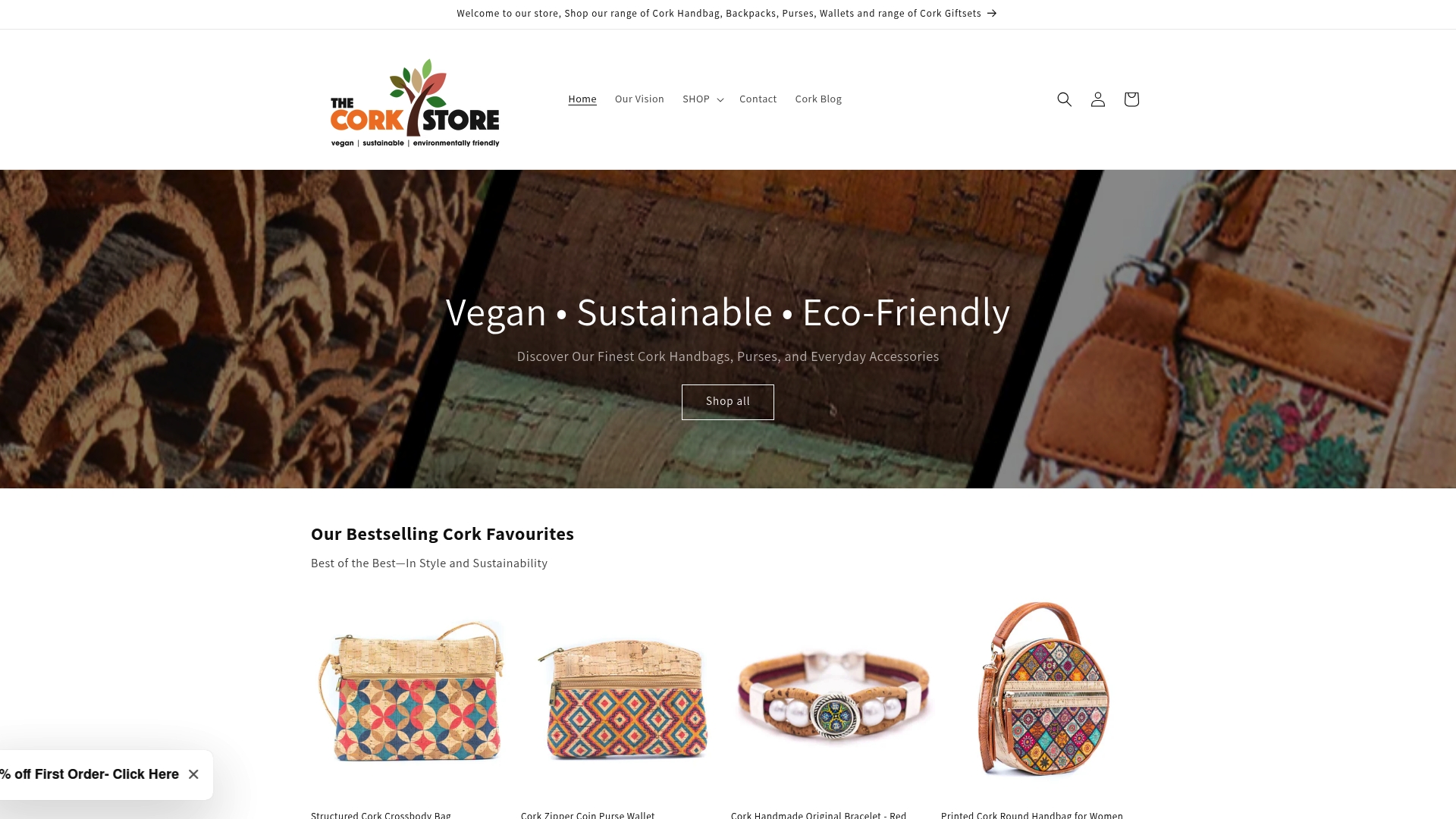
Thecorkstore makes accessories from natural cork, a material that is harvested without harming the tree, fully biodegradable, and built to last. Every product reflects the slow fashion principle that what you carry should be made with care, from materials that respect the planet.
The cork zipper coin purse wallet is a practical example: durable, vegan, and made from a renewable material with a genuinely low environmental footprint. For those looking for a full-size option, the Marine cork wallet offers the same quality in a slim, everyday carry format. Thecorkstore’s accessories are the kind of considered purchase that slow fashion is built around: bought once, used for years.
FAQ
What does slow fashion mean?
Slow fashion is a production and consumption philosophy that prioritises quality, ethical labour, and long-term garment use over mass production and rapid trend cycles. The term was coined by Kate Fletcher in 2007, inspired by the Slow Food Movement.
What are slow fashion brands?
Slow fashion brands are those that produce in small batches or made-to-order quantities, use natural or certified materials, pay living wages, and publish transparent supply chain information. Independent labels consistently score higher on ethical ratings than large mass retailers.
How do I spot greenwashing in slow fashion?
Look for third-party certifications such as GOTS or Fair Trade rather than self-declared claims. Brands that cannot name their factories or disclose wage data are unlikely to meet genuine slow fashion standards.
Is slow fashion the same as sustainable fashion?
No. A brand can be sustainable without being slow fashion. Slow fashion specifically refers to production scale and speed. Mass production using recycled materials is sustainable in one sense, but it does not meet the slow fashion definition.
Why choose slow fashion over fast fashion?
Slow fashion produces less textile waste, supports fair wages, and uses materials that are safer for the environment. The cost-per-wear approach also shows that slow fashion is more economical over a garment’s full lifespan than repeated cheap replacements.